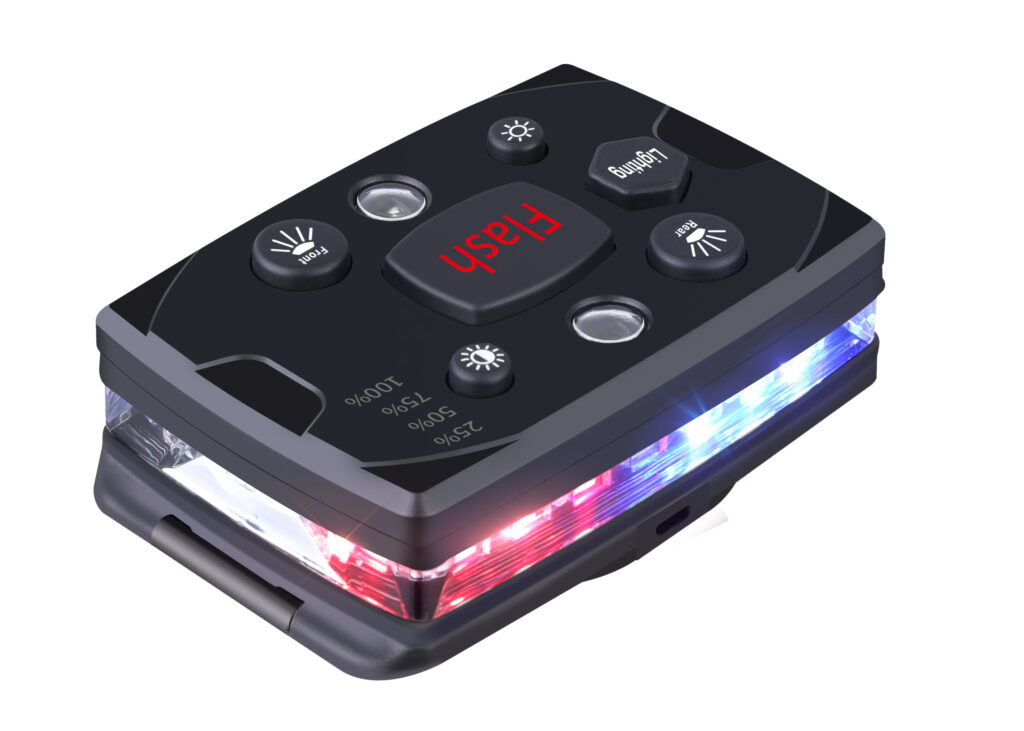
Wearable Safety Light Salt-Fog and Corrosion Review for Coastal Buyers
A salt-fog review should begin with the real coastal exposure and applicable test method, identify corrosion-sensitive parts, inspect function and appearance before and a


A salt-fog review should begin with the real coastal exposure and applicable test method, identify corrosion-sensitive parts, inspect function and appearance before and a
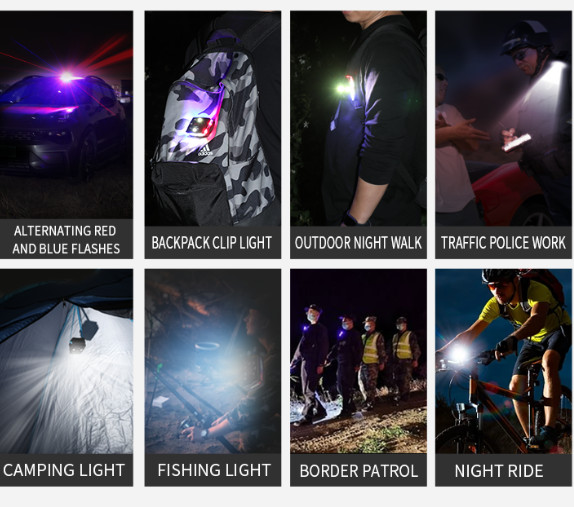
A cold-weather battery test should define storage and operating temperatures, condition samples consistently, measure runtime in the intended mode, check startup and indi

A clip retention test should use the actual garment layers, measure grip and rotation before and after repeated attachment, simulate work movement and accidental contact,
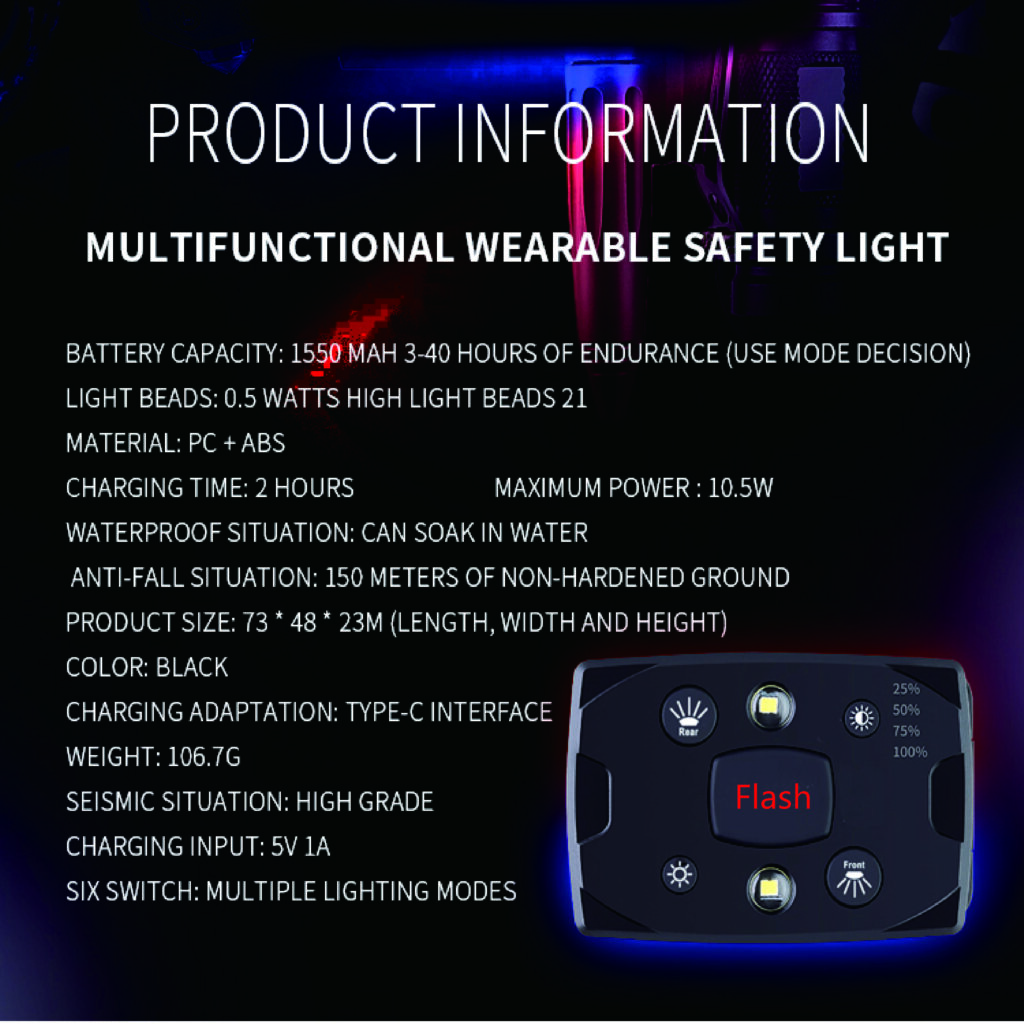
A visibility distance test should define what counts as detection and recognition, control the route and observer position, test relevant ambient conditions and battery s

A wearable safety light viewing angle test should place the device on actual workwear, define the important hazard approaches, record recognition at fixed angles and dist
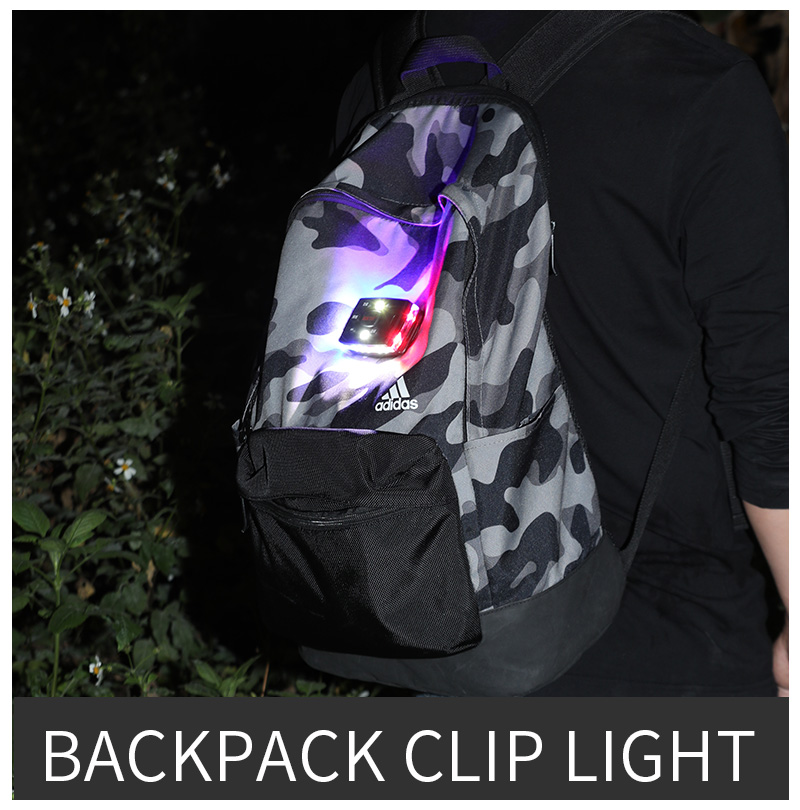
A campus shuttle driver wearable safety light should be used for defined on-foot tasks, remain out of the driver’s sightline while driving, fit seat belts and radios, and
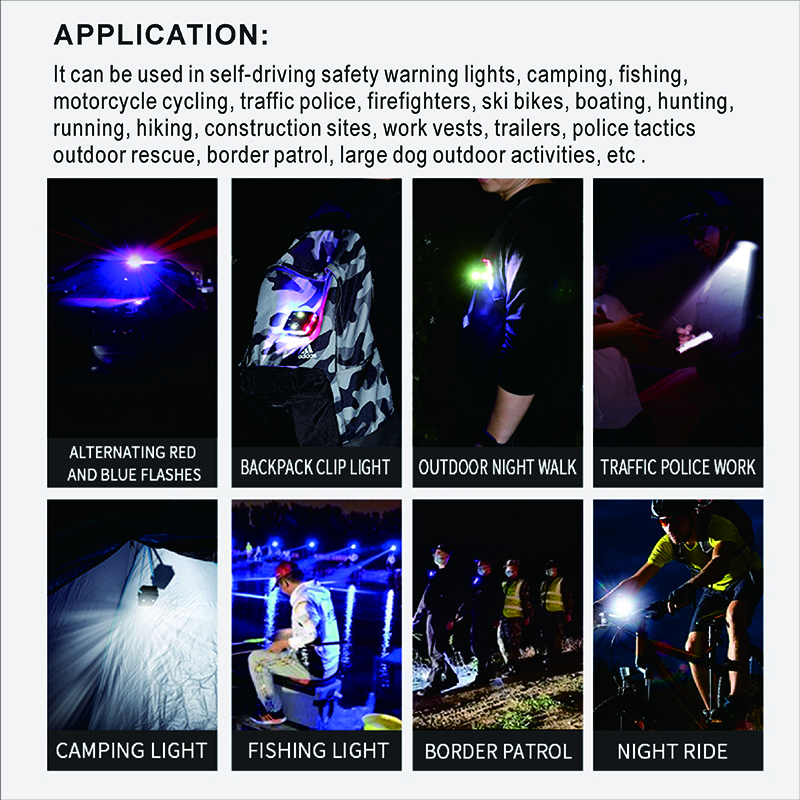
Disaster relief wearable safety lights should be approved by the responsible organization, assigned by role and zone, and supplement incident command, PPE, accountability
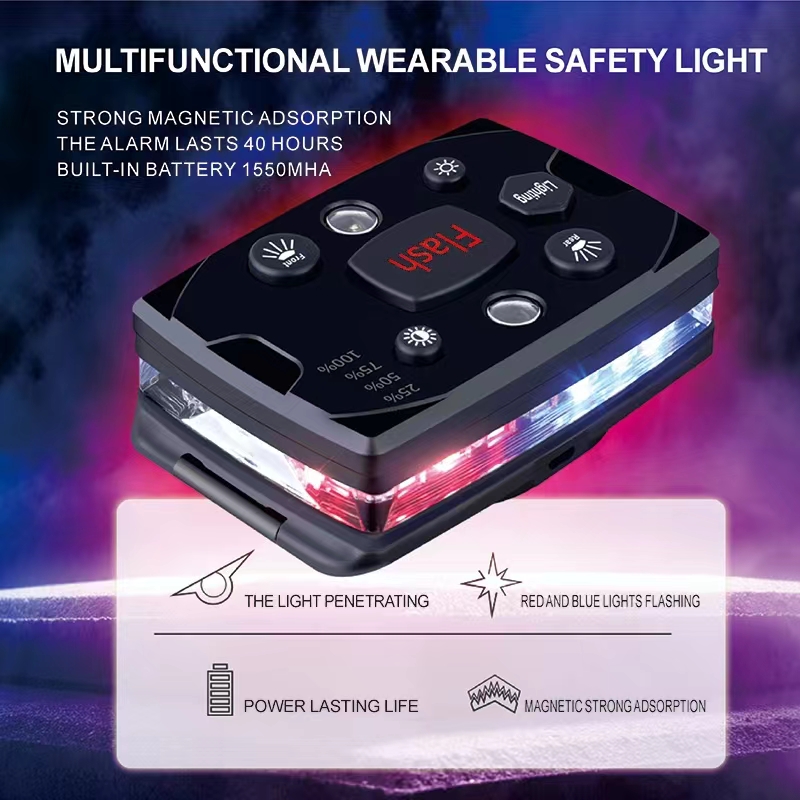
Emergency shelter wearable safety lights should use a simple documented role and color plan, be issued with charging and replacement controls, and support badges, verbal
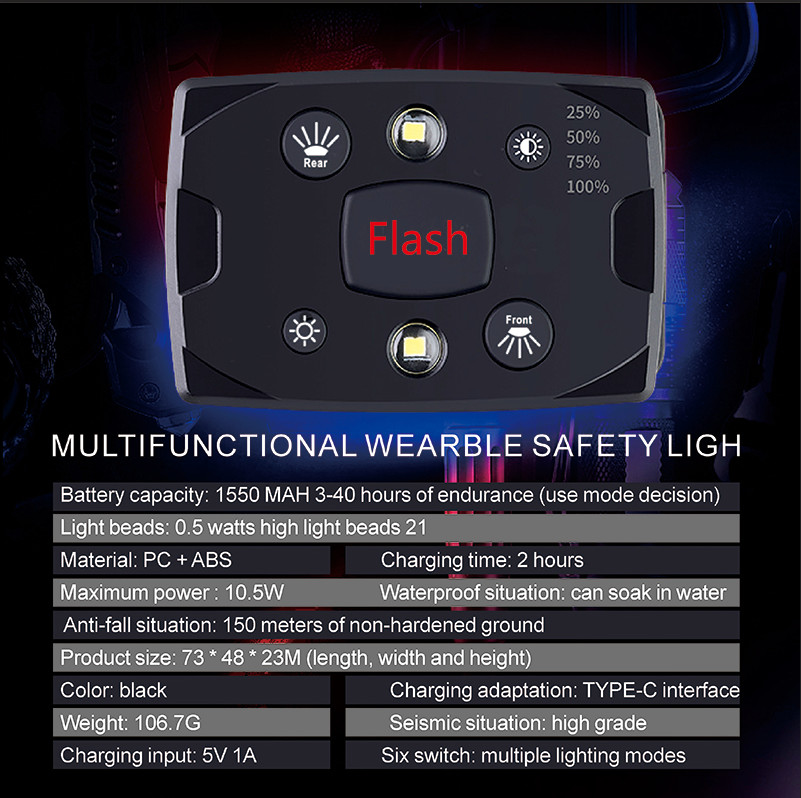
A park ranger wearable safety light should support defined visitor, vehicle, or emergency tasks, fit weather layers and radios, and complement identification, verbal inst