
Quick Answer
Firefighter Safety Light/Beacon: Essential Gear for Emergency Response should be evaluated by whether it solves a real visibility, mounting, control, battery, and adoption problem in the field. The best choice is the one users can wear consistently while other people can recognize them from the right angles at the right moment.
Definition
Firefighter Safety Light/Beacon: Essential Gear for Emergency Response is a wearable safety light evaluation topic for fire, EMS, rescue, and emergency response teams. It helps buyers judge whether a compact body-mounted light improves recognition, hands-free work, mounting reliability, battery routine, and adoption in real use.
Key Takeaways
- Evaluate visibility during real movement, not only in a still product photo.
- Check front, rear, side, and diagonal recognition because many field risks happen off-axis.
- Confirm mounting, controls, battery routine, glare control, and user adoption before standardizing a device.
- Use the resource center and related topic hub to move from problem research to sample testing and bulk-order planning.
Related Buyer Path
Table of Contents
Firefighter safety lights are crucial for ensuring visibility and preventing accidents during emergency situations. They help firefighters stay visible to both their team and oncoming traffic, especially during nighttime operations or in low-visibility conditions.
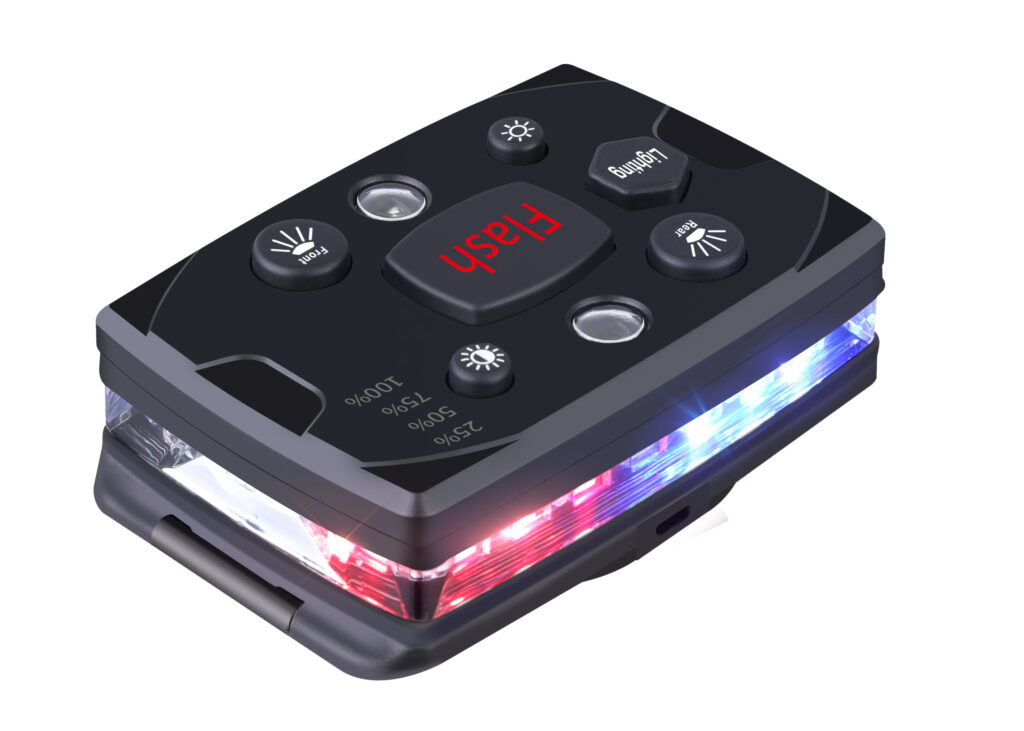
When it comes to firefighting, ensuring the safety of firefighters is paramount. A firefighter’s ability to see their surroundings clearly and to be seen by others can mean the difference between life and death. Firefighter safety lights and beacons are essential tools that help achieve this visibility, particularly during the most critical moments of an emergency response. This article will take you through the different types of firefighter safety lights, how to choose the best one, and their importance in reducing risk and enhancing response times.
Table of Contents
What Are the Different Types of Firefighter Safety Lights and Beacons?
There are several types of safety lights for firefighters, each serving different purposes. These include helmet-mounted lights, handheld flashlights, portable scene lights, and wearable beacons.
Understanding the different types of safety lights available for firefighters is crucial for selecting the right equipment for various scenarios. Each type of light serves a specific purpose, allowing firefighters to perform their duties with greater efficiency and safety. Below, we break down the most common types of firefighter safety lights and beacons, highlighting their unique features and uses.
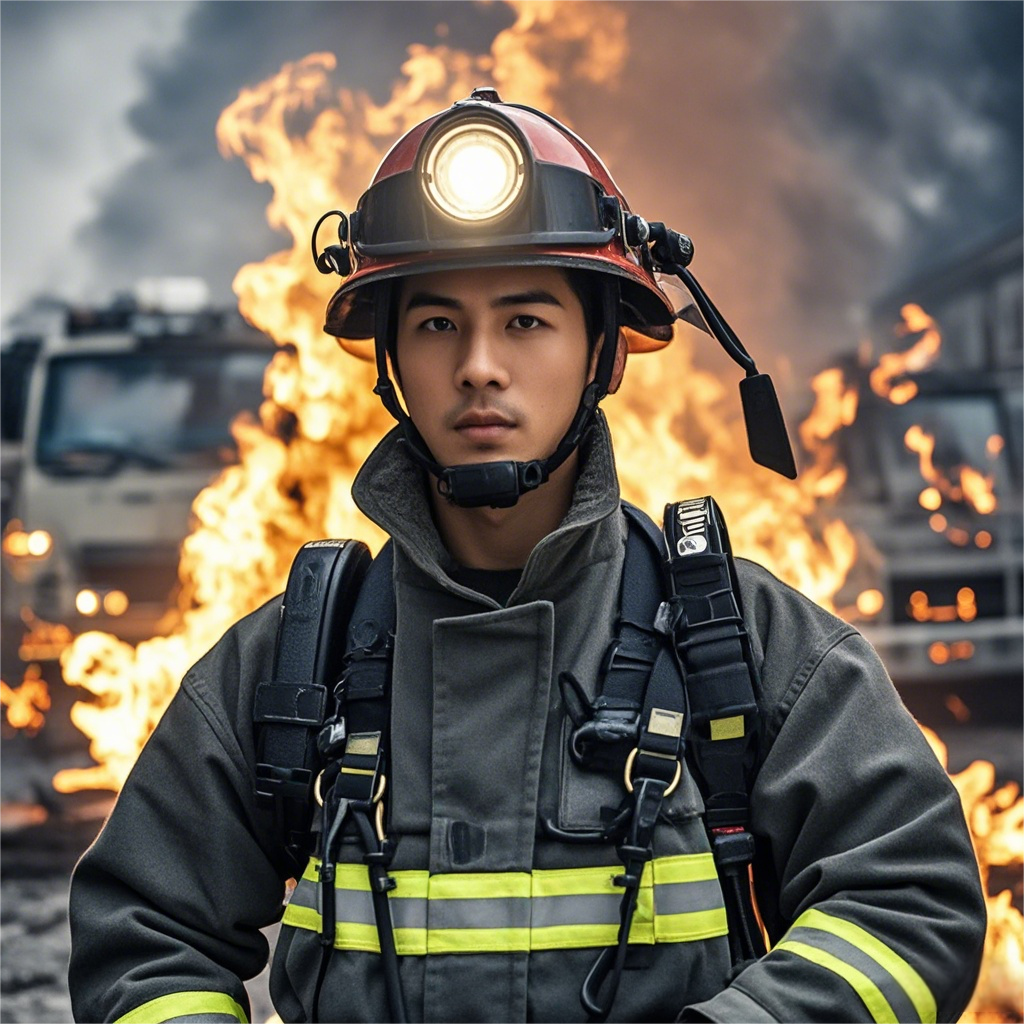
1. Helmet-Mounted Lights
Helmet-mounted lights are invaluable for providing hands-free illumination. These lights are attached directly to the firefighter’s helmet, allowing them to see the area directly in front of them while keeping both hands free for other tasks, such as handling equipment or searching for victims. In situations where visibility is limited, these lights are crucial for safely navigating through smoke or darkness.
2. Handheld Flashlights
Handheld flashlights are versatile and often used for more focused tasks. They can be used to examine specific areas of a building, check for structural stability, or illuminate dark spaces. Their portability allows firefighters to easily carry them and move them from one area to another during operations.
3. Portable Scene Lights
When a large area needs to be illuminated, portable scene lights come into play. These lights are ideal for use at the scene of a fire or emergency, where a broad illumination is necessary for visibility and safety. They are often set up around the incident site to ensure that the entire area is well-lit, which improves coordination and reduces accidents.
4. Wearable Beacons
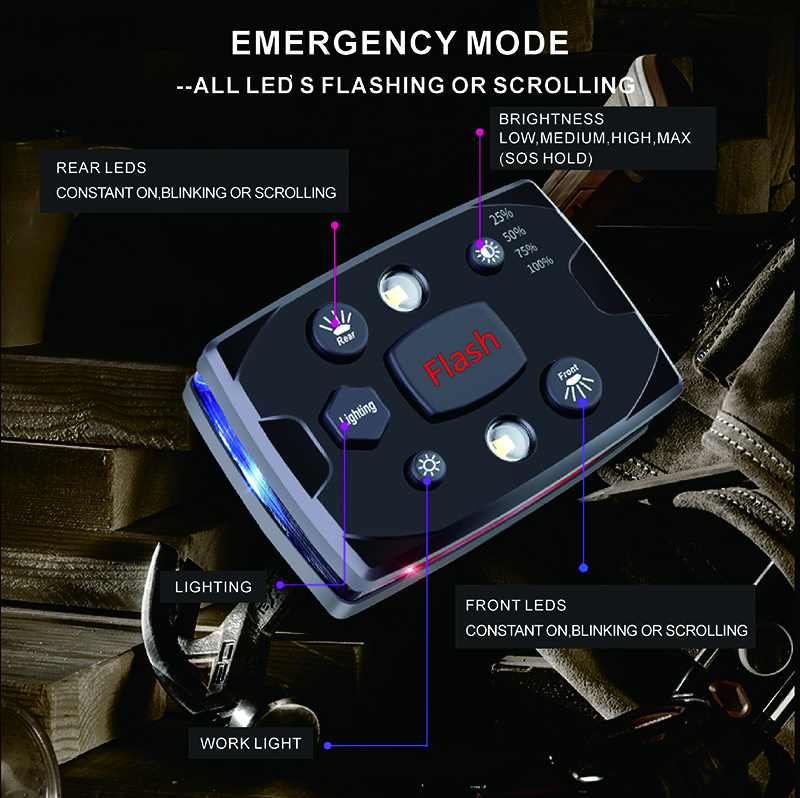
Wearable beacons are often worn by firefighters to enhance visibility from a distance. These lights typically flash in bright, attention-grabbing colors, making it easier for others to spot firefighters, especially in chaotic or low-visibility environments. The beacons are typically worn on the vest or gear, ensuring that the firefighter remains visible from afar.

What Features Should You Look for in Firefighter Safety Lights?
When choosing safety lights for firefighting, prioritize brightness (lumens), durability (waterproof and shockproof), battery life, mounting options, and visibility range to ensure reliability during emergency operations.
Selecting the right firefighter safety light involves considering several critical factors. The ideal light should not only provide sufficient brightness but also be durable enough to withstand harsh conditions. In this section, we’ll explore the essential features to look for when selecting safety lights for your team.
1. Brightness (Lumens)
One of the first things to consider when choosing firefighter safety lights is brightness, often measured in lumens. A higher lumen count ensures the light can cut through smoke, fog, and darkness, making it easier to see hazards or locate team members. For firefighting operations, lights with a range of 3,000 to 16,000 lumens are generally ideal, depending on the size of the area to be illuminated.
2. Durability
Firefighter safety lights are subjected to tough conditions, including extreme temperatures, water exposure, and physical impacts. Therefore, durability is key. Lights should be waterproof (IP68 rating) and shockproof to ensure they remain functional even in challenging environments. This guarantees reliability when it matters most.
3. Battery Life
Another important feature is battery life. Given the potentially long hours spent on a fireground, choosing a light with long-lasting battery power is essential. Rechargeable lights with extended run times ensure that your team won’t have to worry about power running out mid-operation.
4. Mounting Options
The versatility of how the light can be mounted is another important consideration. Lights that offer multiple mounting options-whether on helmets, uniforms, or equipment-allow firefighters to use them in different scenarios. This adaptability helps ensure that the light is always where it’s needed most.
5. Visibility Range
The visibility range is a crucial factor in ensuring that the light is seen from a sufficient distance. Some safety lights are visible from up to 5 miles away, which can be critical in improving overall situational awareness, especially when trying to communicate location to other firefighters or incoming vehicles.
What Are the Key Statistics Related to Firefighter Safety and Incident Response?
Firefighter fatalities average 50-60 annually, with over 30,000 injuries reported each year. Effective safety lights significantly improve visibility and help reduce these statistics.
Understanding the statistics behind firefighter safety highlights the importance of using proper safety equipment. The numbers are sobering, but they also emphasize why visibility tools, such as firefighter safety lights, can play a vital role in preventing accidents and improving the safety of all involved. In this section, we look at key statistics that reflect the need for better safety measures.
Firefighter Fatalities
On average, 50-60 firefighter fatalities occur each year in the U.S. These deaths are often caused by a combination of factors, including vehicle accidents, structural collapses, and hazardous materials exposure. Properly utilizing safety lights could help reduce some of these fatalities by ensuring firefighters are visible and easily located during operations.
Fireground Injuries
In addition to fatalities, over 30,000 firefighters are injured annually during fireground operations. Many of these injuries are caused by slips, trips, and falls-incidents that could be minimized with better lighting and visibility on the scene.
Visibility of Safety Lights
Effective safety lights increase the visibility range of firefighters, sometimes up to 5 miles, depending on the light’s brightness and design. By ensuring that firefighters are visible from such a distance, it is easier to coordinate efforts and avoid accidents, ultimately saving time and lives during critical operations.
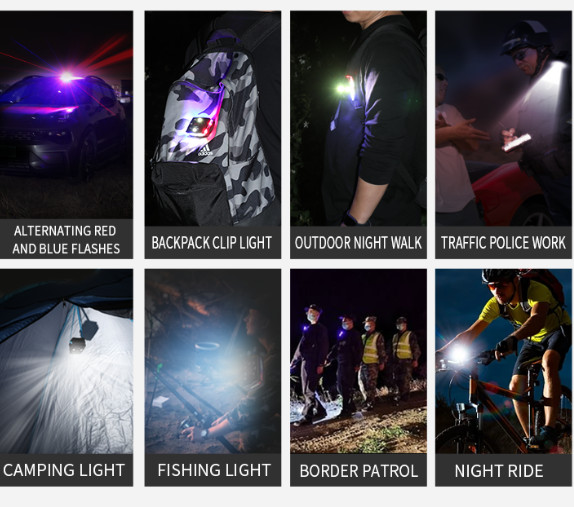
How Do Firefighter Safety Lights Improve Situational Awareness?
Safety lights help firefighters and emergency responders stay visible in low-light conditions, improving safety for both the personnel and the people they’re rescuing.
Visibility during emergency operations is often compromised by smoke, darkness, or weather conditions. Firefighter safety lights help to cut through these environmental factors, ensuring that personnel remain visible and that emergency responders can effectively locate their colleagues. By improving situational awareness, safety lights contribute directly to safer, more efficient rescue operations.
What Are the Best Practices for Using Firefighter Safety Lights in Emergency Situations?
Proper positioning, ensuring all team members have personal safety lights, and regular equipment checks are essential to maximize the effectiveness of safety lights.
Ensuring firefighter safety lights are used effectively requires a strategic approach. Implementing best practices is key to getting the most out of these valuable tools during emergencies. Below are some best practices that can help optimize the use of safety lights on the fireground.
Positioning Lights Strategically
Positioning safety lights in the right areas is essential for maximum effectiveness. Helmet-mounted lights should be aimed in the direction of travel, while portable scene lights should be placed around the site to illuminate as much of the area as possible. This strategic placement ensures no area is left in the dark.
Use of Personal Safety Lights
Every firefighter should have their own personal safety light. This is particularly important in chaotic environments where team members are spread out and may be hard to spot. A personal light ensures that each individual is visible, helping to avoid accidents and improve coordination.
Check Equipment Before Deployment
Before heading into the field, always check that safety lights are functioning correctly. A regular inspection of the lights’ battery levels, mounting systems, and functionality is necessary to avoid any issues during operations.
What Are the Latest Technological Innovations in Firefighter Safety Lighting?
Smart lighting systems, integrating real-time data analytics and enhanced response mechanisms, are revolutionizing firefighter safety equipment.
The fire service is constantly evolving, and recent technological innovations in firefighter safety lighting are no exception. With the integration of smart systems, firefighters can now benefit from lighting solutions that offer more than just illumination. These systems provide real-time data, track locations, and improve situational awareness, making them invaluable for improving both safety and operational effectiveness.
What Are the Regulatory Standards and Compliance for Firefighter Equipment?
Firefighter equipment must comply with NFPA standards to ensure safety and performance in emergency situations.
All firefighter safety equipment, including lights and beacons, must adhere to strict regulatory standards to ensure they function as intended and provide the necessary level of safety. The National Fire Protection Association (NFPA) and other regulatory bodies establish these guidelines, ensuring that lights meet performance criteria and are safe to use in hazardous environments.
Frequently Asked Questions (FAQs) About Firefighter Safety Lights
This section addresses common questions about the use, selection, and benefits of firefighter safety lights, providing valuable insights for those seeking information on this critical topic.
What are the benefits of using safety lights for firefighters?
Safety lights improve visibility, reduce accident risks, and enhance situational awareness during emergencies.
How do I choose the right safety light for firefighting?
Look for bright, durable, and waterproof lights with long battery life and various mounting options.
What are common types of firefighter safety lights?
Common types include helmet-mounted lights, handheld flashlights, portable scene lights, and wearable beacons.
How effective are beacons in emergency situations?
Beacons improve visibility at incident scenes, making it easier for teams to locate each other and improving safety for everyone involved.
Are there any regulations regarding firefighter safety equipment?
Yes, firefighter equipment must meet the standards set by the NFPA and other regulatory bodies to ensure safety and compliance.
Conclusion: How Firefighter Safety Lights Save Lives and Improve Response Times
Investing in high-quality firefighter safety lights can enhance safety, reduce response times, and ultimately save lives.
Firefighter safety lights are indispensable tools that improve visibility, reduce accident risks, and enhance coordination during firefighting operations. Whether you are a firefighter, an emergency responder, or an organization in charge of purchasing firefighting equipment, ensuring that your team is equipped with the right safety lights can make all the difference in saving lives and improving overall operational efficiency.
Field Use Evidence: Rescue & Emergency Cluster
Topic cluster: Rescue & Emergency Cluster. Buyer readiness: L4 RFQ Ready. This guide should be evaluated as a scenario-based safety-light resource, not only as a product description. The main buying question is whether rescue and emergency response teams can stay visible, identifiable, and operational in accident scenes / disaster sites / power outages without adding unnecessary weight or workflow friction.
Application Scenario Matrix
| Dimension | Recommended Coverage | Why It Matters |
|---|---|---|
| User type | rescue and emergency response teams | The article must match the reader’s real task, not a generic lighting use case. |
| Environment | accident scenes / disaster sites / power outages | Reader intent is usually tied to where the light is used and what can go wrong. |
| Risk | responder identification and runtime risk | Risk-based explanations are more useful than feature-only product descriptions. |
| Mounting method | Magnetic, clip, shoulder, vest, bag, vehicle, or equipment mounting | Mounting decides whether the light works during movement and hands-free tasks. |
| Performance goal | Visibility, runtime, waterproofing, signal clarity, and repeatable daily use | B2B buyers need field reliability, not only brightness claims. |
Risk and Failure Table
| Failure Mode | Likely Cause | How Buyers Should Check |
|---|---|---|
| Poor visibility | Weak LED output, narrow viewing angle, or wrong mounting position | Check real use position, flash modes, and visibility from front/side/back angles. |
| Mounting failure | Weak magnet, poor clip design, or unsuitable clothing/equipment surface | Test the light on uniforms, vests, bags, tools, vehicles, and active movement. |
| Short runtime | Small battery or high-power mode used continuously | Compare runtime by mode, not only the maximum advertised runtime. |
| Water ingress | Low waterproof rating or poor charging-port protection | Confirm IP rating, port design, and post-rain inspection routine. |
| Confusing signal | Too many modes or unclear color policy | Match flash mode and color use with local safety rules or department policy. |
Decision Layer: When This Product Type Is a Good Fit
Rescue Safety Light is a good fit when the user needs active visibility, hands-free operation, and flexible mounting. It is less suitable when the job only needs area illumination, vehicle-mounted warning lights, or certified navigation lighting required by a specific regulation. A strong article should explain these trade-offs clearly because B2B buyers trust content that names limitations.
Quantification & EEAT Checklist
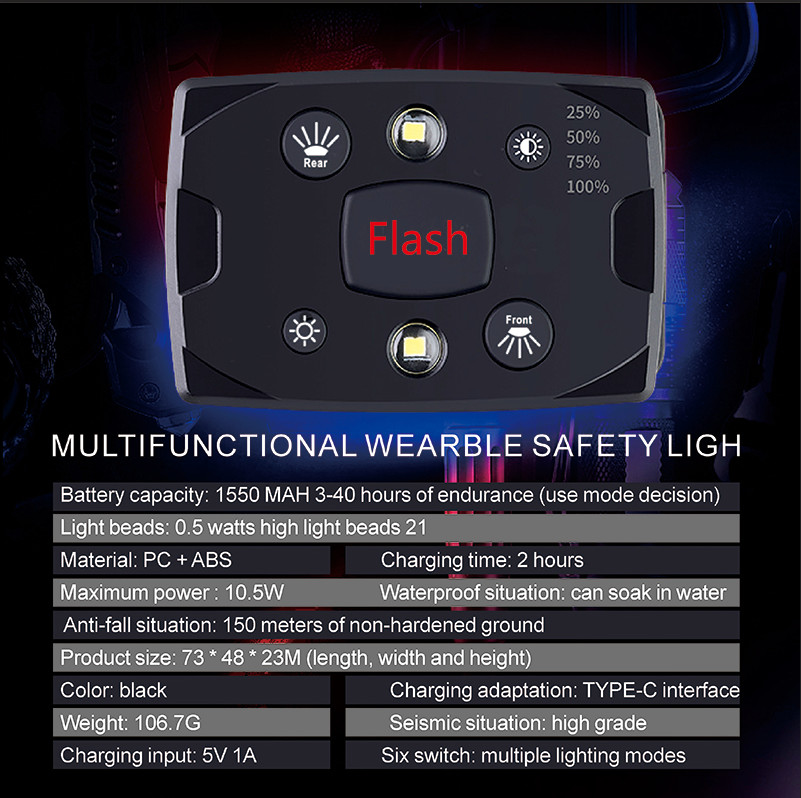
- Include measurable specs where available: IP68 waterproofing, 3-40h runtime range, 106.7g weight, 1550mAh battery capacity, Type-C charging, 1.5h charge time, and 21 LED beads.
- Explain inspection routines: check battery level, mounting stability, lens cleanliness, charging port condition, and mode selection before field use.
- Use practical acceptance criteria: light stays mounted during movement, signal is visible from the required direction, and runtime covers the expected shift or activity.
- Avoid unsupported absolute claims. If a visibility distance or regulation is mentioned, connect it to a verified source or describe it as dependent on environment and configuration.
Entity Coverage
Important entities to include naturally: wearable safety light, magnetic mount, shoulder light, warning light, strobe mode, IP68, Type-C charging, battery runtime, personal visibility, traffic control, rescue team, police patrol, roadside work, outdoor safety, waterproof LED light, and Guardian Angel alternative.
Visual Evidence Suggestions
- Show the light mounted on a uniform, vest, backpack, vehicle, or tool surface.
- Add a close-up of magnetic mounting and charging-port protection.
- Use a comparison image or diagram for front/side/back visibility.
- For application articles, add a real scenario image rather than a generic stock photo.
Buyer Questions
What should buyers check before choosing this safety light?
They should check visibility angle, mounting stability, waterproof rating, runtime by mode, weight, charging method, and whether the light fits the actual field scenario.
Is a wearable safety light a replacement for a flashlight?
No. A flashlight illuminates an area, while a wearable safety light makes the person visible. Many professional users need both.
When is a magnetic safety light better than a clip-only light?
Magnetic mounting is better when users need fast attachment to uniforms, metal surfaces, vehicles, bags, or equipment without tools.
How should this article convert readers?
For learning-stage readers, link to related guides. For selecting or RFQ-ready buyers, link to product specifications and invite sample testing, OEM discussion, or procurement review.
Recommended CTA: Review the Guardian ProX wearable safety light for IP68 waterproofing, magnetic mounting, Type-C charging, multi-mode visibility, and OEM/wholesale safety-light projects.
Related internal links: purchase guides, product tutorials, and the OBO safety light blog.
How should buyers validate this light before choosing it?
Buyers should validate the light in the same environment where it will be used: the same mounting position, movement pattern, weather exposure, lighting condition, and expected runtime. For rescue and emergency teams, this means checking whether the light stays visible and secure during accident scenes, disaster response, evacuation areas, and power outages, rather than judging only by product photos or a short feature list.
What proof makes the recommendation more useful?
The strongest proof is practical field evidence: stable mounting, clear visibility from several angles, waterproof protection, predictable battery life, and a simple inspection routine. Useful specifications include IP68 waterproofing, 3-40h runtime range, 106.7g weight, 1550mAh battery capacity, Type-C charging, and multi-mode LED output. For external context, see FEMA emergency management guidance.
What should readers compare before requesting a sample?
| Comparison point | What to check | Why it matters |
|---|---|---|
| Visibility | Front, side, rear, and low-light recognition | Brightness alone does not prove field visibility. |
| Mounting | Magnet, clip, shoulder, vest, bag, vehicle, or tool surface | A light that moves or falls loses its safety value. |
| Runtime | Operating time by mode, not only maximum runtime | Professional users need coverage for the full task. |
| Environment | Rain, dust, snow, road spray, water, or repeated movement | The use environment decides the real product requirement. |
Frequently asked questions
Can this light replace all other safety gear?
No. It improves personal visibility, but professional users may still need reflective clothing, vehicle lights, area lights, or task-specific tools.
What is the safest next step for a buyer?
Request or review a sample, test it in the real mounting position, confirm runtime by mode, and compare it with the actual job environment.
Recommended next step: Review the Guardian ProX wearable safety light, then compare related purchase guides, product tutorials, and the OBO safety light blog.
How Can Fire Departments Evaluate a Wearable Safety Beacon Without Overstating Its Role?
A firefighter wearable beacon should be evaluated as a personnel visibility aid, not as a replacement for SCBA accountability, turnout reflective trim, thermal imaging, or command procedures. The practical test is whether the light helps identify a firefighter near apparatus, hose lines, staging zones, and low-visibility exterior operations.
Start with exterior drills around apparatus lighting, wet pavement, smoke simulation, and moving crew members. A light that appears strong in a dark room may disappear beside flashing vehicle lights or when mounted under straps. Test clip strength with turnout gear, gloves, radio straps, and shoulder movement. The wearer should be able to activate or reposition the unit without removing gloves or breaking task focus.
| Fireground use case | What to verify | Reason |
|---|---|---|
| Apparatus-side work | Beacon remains distinguishable beside emergency lighting | Prevents personnel from blending into the scene. |
| Hose line movement | Unit does not snag, rotate inward, or block gear access | Visibility must not create operational friction. |
| Rain and spray | Housing and switch remain usable when wet | Outdoor scenes rarely stay clean or dry. |
| Shift turnover | Charging and assignment are simple | Reduces dead batteries and missing equipment. |
Departments should define color use, mount location, charging responsibility, and cleaning process before wide deployment. The strongest buyer proof is a short night drill with actual gear, not a brochure claim about brightness. If the sample survives that drill and responders keep wearing it without complaint, the product has a much better chance of becoming operational equipment.
Next Step: Compare Field Use, Technical Requirements, and Product Options
This article is part of the OBO wearable safety light knowledge system. Use the links below to continue from problem research to product evaluation and sample ordering.
- Wearable Safety Light Resource Center
- Emergency Rescue, Fire, and EMS Wearable Safety Light Hub
- Wearable Safety Light Technical Buyer Hub
- Wearable Safety Light Procurement Hub
- Guardian ProX Wearable Safety Light product page
For a practical evaluation, compare visibility angle, mounting stability, control simplicity, battery routine, glare control, and user adoption before a bulk order.