
Quick Answer
How Can Hands-Free Lighting Improve Law Enforcement Operations? should be evaluated by whether it solves a real visibility, mounting, control, battery, and adoption problem in the field. The best choice is the one users can wear consistently while other people can recognize them from the right angles at the right moment.
Definition
How Can Hands-Free Lighting Improve Law Enforcement Operations? is a wearable safety light evaluation topic for police, security, and law enforcement teams. It helps buyers judge whether a compact body-mounted light improves recognition, hands-free work, mounting reliability, battery routine, and adoption in real use.
Key Takeaways
- Evaluate visibility during real movement, not only in a still product photo.
- Check front, rear, side, and diagonal recognition because many field risks happen off-axis.
- Confirm mounting, controls, battery routine, glare control, and user adoption before standardizing a device.
- Use the resource center and related topic hub to move from problem research to sample testing and bulk-order planning.
Related Buyer Path
Table of Contents
In law enforcement, officers often perform high-risk duties such as traffic stops, accident investigations, and area searches, which can be hazardous, especially in dimly lit or dangerous environments. Proper lighting is crucial to ensure both officer safety and operational efficiency during these tasks. However, traditional handheld lights are not always practical. They can obstruct movement, require constant handling, and reduce the officer’s ability to respond quickly.
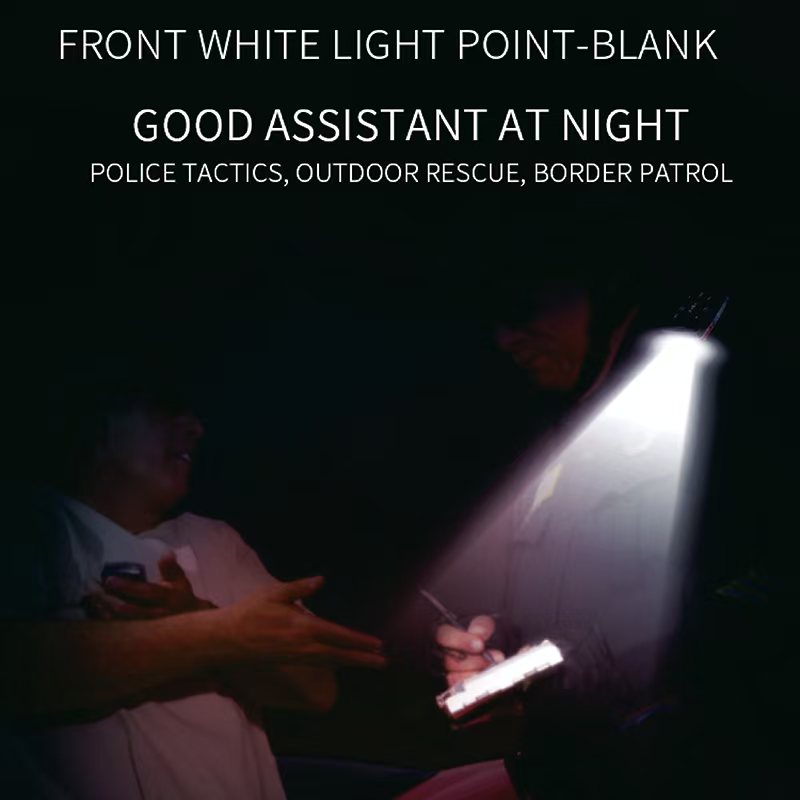
This is where hands-free lighting devices come in. Our hands-free lighting provides 360° visibility, allowing officers to remain visible from over 5 miles away. These lights ensure that officers are not only safe but also efficient, as they can focus on their tasks without being encumbered by the need to hold a flashlight. This article explores how our lighting solutions improve officer safety, enhance operational efficiency, and have earned the trust of thousands of law enforcement agencies globally.
Table of Contents
What Makes Our Hands-Free Lighting Ideal for Law Enforcement?
The need for hands-free lighting in law enforcement has never been more pressing. Traditional handheld lights can limit the officer’s mobility and distract from the primary task at hand.
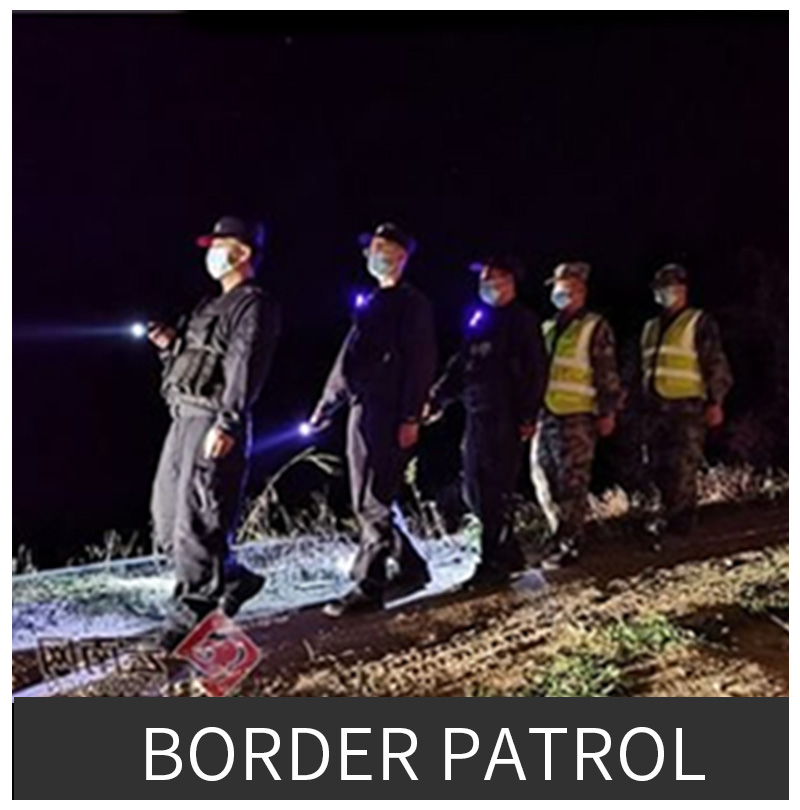
By using hands-free lighting, officers are able to stay visible from distances of up to 5 miles, ensuring they are easily seen by oncoming traffic, especially in areas with limited lighting. With 360° visibility, our lighting devices provide comprehensive illumination that keeps officers visible from every angle, minimizing the risk of accidents and improving overall safety. The ability to operate with both hands free makes officers more effective, allowing them to focus on their work while maintaining optimal visibility.
Officers face situations where they must maintain high visibility, whether during road traffic stops, accident investigations, or search operations, often in low-light or hazardous conditions. True
How Does Hands-Free Lighting Improve Officer Safety?
Officer safety is a top priority, and maintaining visibility is one of the most critical aspects of ensuring that safety. Whether directing traffic, investigating accidents, or searching for suspects in dark environments, law enforcement officers are at significant risk when they are not clearly visible.

Traditional handheld flashlights may provide light, but they are often cumbersome, leaving officers with one hand occupied and reducing their ability to react quickly if needed. Hands-free lighting devices, on the other hand, allow officers to illuminate their surroundings while keeping both hands available for other tasks, such as writing citations or securing evidence. This not only enhances officer safety but also improves the officer’s ability to perform duties more effectively and efficiently.
Moreover, the bright LED lights provide superior visibility over long distances, allowing officers to be seen from over 5 miles away. This is especially crucial in high-traffic areas or during nighttime operations, as it reduces the chances of accidents and enhances the officer’s safety while working in dangerous conditions.
The continuous, 360° illumination ensures that officers are visible from all angles, increasing the likelihood that motorists or bystanders will notice their presence and adjust their behavior accordingly. True
How Does Hands-Free Lighting Enhance Operational Efficiency?
Operational efficiency is essential for law enforcement agencies that need to respond quickly and effectively to situations. In emergency scenarios, every second counts, and officers must be able to work without distractions or obstructions. Hands-free lighting devices improve operational efficiency by providing consistent and reliable lighting without the need for constant adjustment or handling.
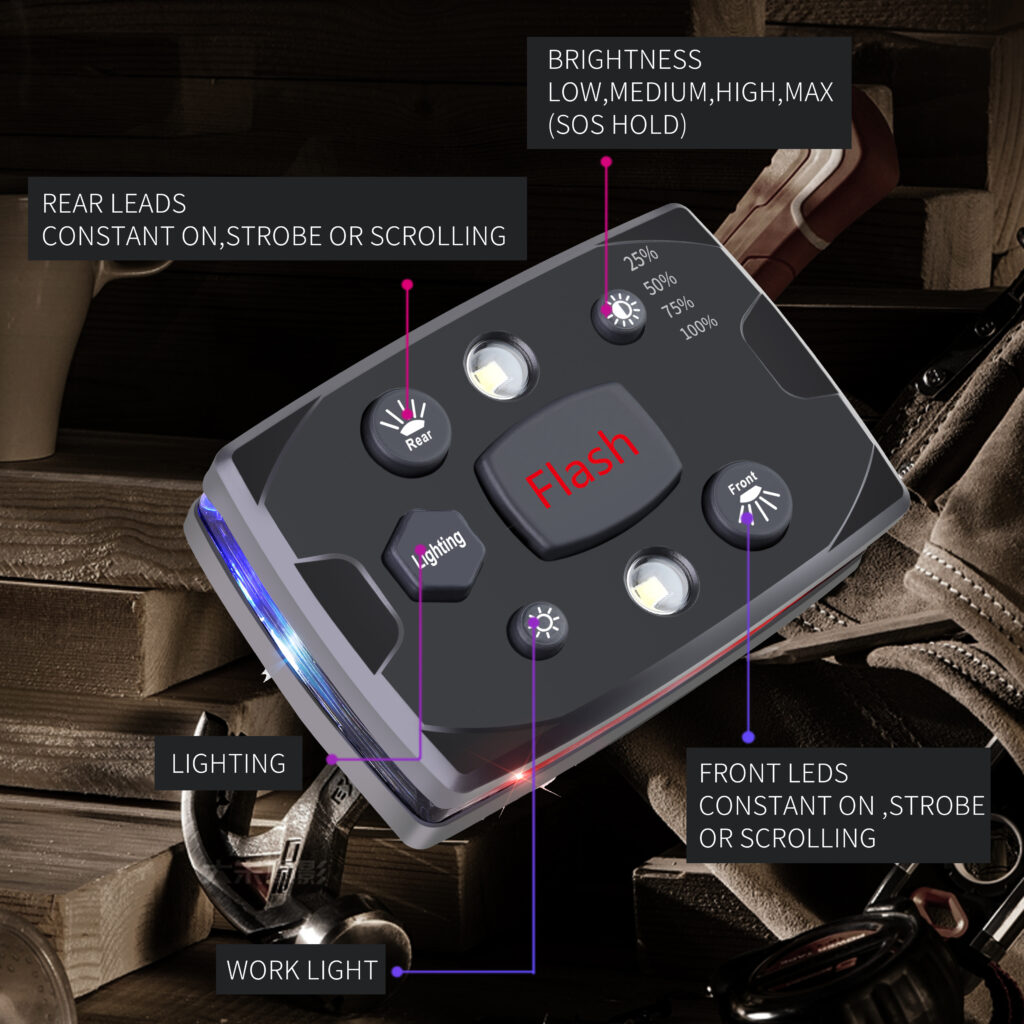
With a hands-free lighting device, officers can stay focused on their tasks, such as investigating a crime scene, writing a ticket, or conducting a search, without the distraction of holding a flashlight. The 360° visibility ensures that they can illuminate their entire surroundings without having to move the light, allowing them to maintain focus on the situation at hand.
In addition, the ability to be visible from up to 5 miles away ensures that officers are always seen, even in low-light conditions or during night shifts. This visibility can significantly enhance the efficiency of law enforcement operations, as officers can carry out their work in a safer and more streamlined manner.
With the extra assurance of being seen from afar, officers can conduct their duties with greater confidence and less risk, ultimately improving the outcomes of their operations. True
Why Do Law Enforcement Agencies Trust Our Hands-Free Lighting?
Our hands-free lighting technology has been trusted by thousands of law enforcement agencies worldwide. These agencies rely on our products because they are designed to meet the demanding needs of law enforcement professionals.
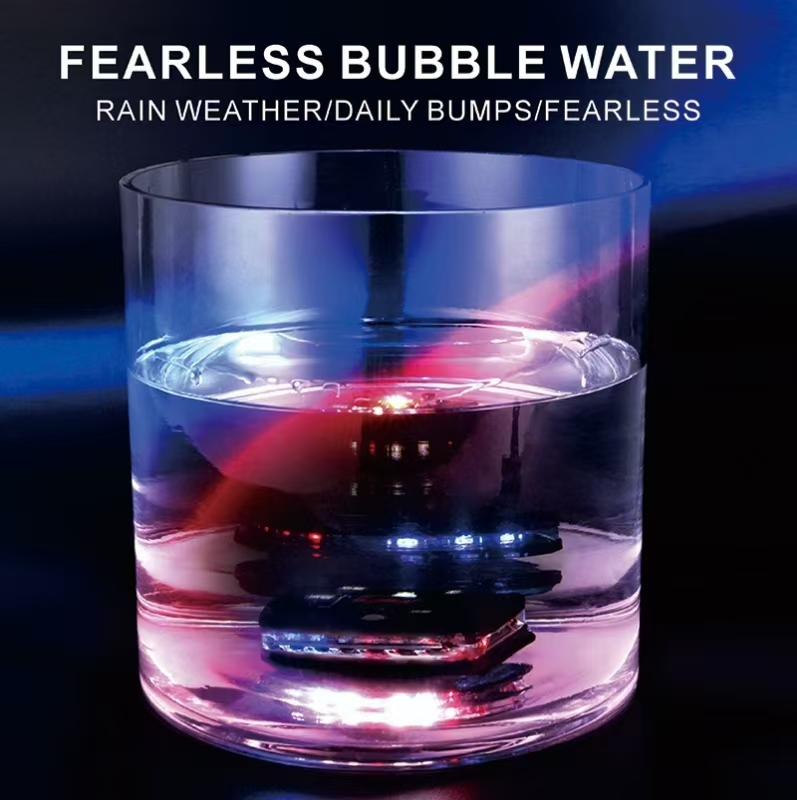
The versatility of our hands-free lighting makes them ideal for a wide range of law enforcement duties, from traffic stops and accident scenes to nighttime patrols and area searches. The lights are easy to use, durable, and offer superior visibility that ensures officers remain safe and effective in any situation. Our technology is also designed with the specific needs of law enforcement officers in mind, providing not just a source of light, but a comprehensive safety solution.
Additionally, our hands-free lights are compatible with various mounting options, making them adaptable to different operational environments. Whether attached to a uniform, helmet, or vehicle, our lights provide the flexibility that law enforcement officers need to maintain optimal visibility at all times. This makes them a trusted choice for agencies that prioritize both officer safety and operational efficiency.
Our lights provide high-quality, long-lasting performance, ensuring that officers can rely on them during their most critical moments. True
Conclusion: Hands-Free Lighting as a Game-Changer for Law Enforcement
Hands-free lighting is a game-changer for law enforcement, offering a crucial solution to enhance both safety and operational efficiency. With 360° visibility, long-range illumination, and hands-free operation, these lights ensure that officers remain visible and safe while carrying out their duties. Whether in low-light environments, high-traffic areas, or during nighttime operations, hands-free lighting allows officers to perform their jobs more effectively and with greater confidence.
Law enforcement agencies around the world trust our hands-free lighting devices for their dependability, durability, and performance. These devices have been proven to improve officer safety, enhance operational efficiency, and reduce the risks associated with poor visibility. By investing in hands-free lighting, law enforcement agencies can ensure that their officers are always prepared, always visible, and always safe.
Requst for a quote now
Field Use Evidence: Law Enforcement Visibility Cluster
Topic cluster: Law Enforcement Visibility Cluster. Buyer readiness: L3 Selecting. This guide should be evaluated as a scenario-based safety-light resource, not only as a product description. The main buying question is whether police, patrol, and security teams can stay visible, identifiable, and operational in traffic stops / patrol / crowd control without adding unnecessary weight or workflow friction.
Application Scenario Matrix
| Dimension | Recommended Coverage | Why It Matters |
|---|---|---|
| User type | police, patrol, and security teams | The article must match the reader’s real task, not a generic lighting use case. |
| Environment | traffic stops / patrol / crowd control | Reader intent is usually tied to where the light is used and what can go wrong. |
| Risk | officer visibility and mounting failure risk | Risk-based explanations are more useful than feature-only product descriptions. |
| Mounting method | Magnetic, clip, shoulder, vest, bag, vehicle, or equipment mounting | Mounting decides whether the light works during movement and hands-free tasks. |
| Performance goal | Visibility, runtime, waterproofing, signal clarity, and repeatable daily use | B2B buyers need field reliability, not only brightness claims. |
Risk and Failure Table
| Failure Mode | Likely Cause | How Buyers Should Check |
|---|---|---|
| Poor visibility | Weak LED output, narrow viewing angle, or wrong mounting position | Check real use position, flash modes, and visibility from front/side/back angles. |
| Mounting failure | Weak magnet, poor clip design, or unsuitable clothing/equipment surface | Test the light on uniforms, vests, bags, tools, vehicles, and active movement. |
| Short runtime | Small battery or high-power mode used continuously | Compare runtime by mode, not only the maximum advertised runtime. |
| Water ingress | Low waterproof rating or poor charging-port protection | Confirm IP rating, port design, and post-rain inspection routine. |
| Confusing signal | Too many modes or unclear color policy | Match flash mode and color use with local safety rules or department policy. |
Decision Layer: When This Product Type Is a Good Fit
Shoulder / Magnetic Warning Light is a good fit when the user needs active visibility, hands-free operation, and flexible mounting. It is less suitable when the job only needs area illumination, vehicle-mounted warning lights, or certified navigation lighting required by a specific regulation. A strong article should explain these trade-offs clearly because B2B buyers trust content that names limitations.
Quantification & EEAT Checklist
- Include measurable specs where available: IP68 waterproofing, 3-40h runtime range, 106.7g weight, 1550mAh battery capacity, Type-C charging, 1.5h charge time, and 21 LED beads.
- Explain inspection routines: check battery level, mounting stability, lens cleanliness, charging port condition, and mode selection before field use.
- Use practical acceptance criteria: light stays mounted during movement, signal is visible from the required direction, and runtime covers the expected shift or activity.
- Avoid unsupported absolute claims. If a visibility distance or regulation is mentioned, connect it to a verified source or describe it as dependent on environment and configuration.
Entity Coverage
Important entities to include naturally: wearable safety light, magnetic mount, shoulder light, warning light, strobe mode, IP68, Type-C charging, battery runtime, personal visibility, traffic control, rescue team, police patrol, roadside work, outdoor safety, waterproof LED light, and Guardian Angel alternative.
Visual Evidence Suggestions
- Show the light mounted on a uniform, vest, backpack, vehicle, or tool surface.
- Add a close-up of magnetic mounting and charging-port protection.
- Use a comparison image or diagram for front/side/back visibility.
- For application articles, add a real scenario image rather than a generic stock photo.
Buyer Questions
What should buyers check before choosing this safety light?
They should check visibility angle, mounting stability, waterproof rating, runtime by mode, weight, charging method, and whether the light fits the actual field scenario.
Is a wearable safety light a replacement for a flashlight?
No. A flashlight illuminates an area, while a wearable safety light makes the person visible. Many professional users need both.
When is a magnetic safety light better than a clip-only light?
Magnetic mounting is better when users need fast attachment to uniforms, metal surfaces, vehicles, bags, or equipment without tools.
How should this article convert readers?
For learning-stage readers, link to related guides. For selecting or RFQ-ready buyers, link to product specifications and invite sample testing, OEM discussion, or procurement review.
Recommended CTA: Review the Guardian ProX wearable safety light for IP68 waterproofing, magnetic mounting, Type-C charging, multi-mode visibility, and OEM/wholesale safety-light projects.
Related internal links: purchase guides, product tutorials, and the OBO safety light blog.
How should buyers judge this safety light in real field use?
Buyers should judge this product by the task, the environment, and the failure risk: who needs to be seen, where they work, how the light is mounted, how long it must run, and whether rain, glare, traffic, snow, water, or movement can reduce visibility. For police officers, patrol teams, bike patrols, and security buyers, the practical question is not simply whether the light is bright. The better question is whether it remains visible and secure during traffic stops, roadside scenes, event security, crowd control, and night patrol.
What field conditions should this article answer?
This topic belongs to the Law Enforcement Visibility cluster, so the content should answer real operating conditions before describing product features. A useful article should explain the user type, mounting position, weather exposure, battery expectation, visibility direction, and the cost of failure. That structure helps readers compare products without relying on broad claims.
| Field question | What the article should explain | Buyer value |
|---|---|---|
| Who uses it? | police officers, patrol teams, bike patrols, and security buyers | Matches the content to the reader’s real job. |
| Where is it used? | traffic stops, roadside scenes, event security, crowd control, and night patrol | Connects the product to the actual environment. |
| What can fail? | Weak mounting, short runtime, water ingress, unclear flash mode, poor side visibility | Turns the article into a decision guide, not a feature list. |
| What must be checked? | IP68 protection, 3-40h runtime range, 106.7g weight, 1550mAh battery, Type-C charging, and 21 LED beads | Gives the buyer measurable comparison points. |
Which product limits should be stated clearly?
A trustworthy article should name the limits of a wearable light instead of making it sound suitable for every job. A wearable safety light is useful for personal visibility and hands-free signaling. It is not a replacement for certified vehicle warning systems, area work lights, navigation lights required by a specific rule, or a handheld inspection flashlight. When the limitation is clear, the recommendation becomes more credible.
What evidence should support the recommendation?
The recommendation should be supported by measurable specifications, field checks, and relevant authority references. For this topic, readers benefit from practical checks such as mounting stability during movement, visibility from front and side angles, charging-port inspection after rain, and runtime by lighting mode. For external context, see NIOSH and officer roadway safety guidance.
How can readers compare options before requesting a quote?
Readers should compare wearable safety lights by scenario fit, not by price alone. A low-cost light may be acceptable for casual use, but professional users often need stable mounting, waterproof protection, rechargeable power, clear signal modes, and repeatable supply. For RFQ-ready buyers, the next step is to confirm sample testing, packaging, color options, and OEM requirements.
Practical validation checklist
- Mount the light on the actual uniform, vest, backpack, vehicle surface, or tool bag.
- Check visibility from the front, side, and rear under the expected lighting condition.
- Run the selected mode long enough to confirm battery performance for the intended shift or activity.
- Inspect the charging port, lens, buttons, magnet, and clip after rain, dust, or repeated movement.
- Confirm whether the signal color and flash mode match local policy or buyer requirements.
What should the final buying decision include?
The final decision should include the product, the mounting method, the runtime expectation, the use environment, the inspection routine, and the sourcing plan. Buyers who need a professional wearable safety light can review the Guardian ProX wearable safety light, then compare related purchase guides, product tutorials, and the OBO safety light blog.
Frequently asked questions
Is a wearable safety light enough by itself?
It is enough for personal visibility in many low-light tasks, but it should be combined with task-specific lighting, reflective gear, or vehicle warning systems when the environment requires more coverage.
What is the most important feature for professional users?
Mounting reliability is often just as important as brightness. If the light moves, falls, or points in the wrong direction, the visibility benefit drops quickly.
How should buyers test a sample?
Test it in the real mounting position, real weather exposure, real movement pattern, and real runtime requirement instead of judging only from a product photo.
What additional field evidence should buyers review before making a decision?
Buyers should review the product in the same field conditions where it will be used, because a wearable safety light is only useful when it remains visible, secure, and easy to operate during real movement. For police and security teams, the key environment includes traffic stops, patrol, crowd control, roadside scenes, and night duty. That means the buying decision should focus on officer visibility, hands-free mounting, and department procurement, not only on brightness or price.
A practical review starts with a sample test. Mount the light on the real uniform, vest, bag, vehicle surface, tool case, or outdoor gear. Walk, bend, lift equipment, enter and exit a vehicle, or repeat the movement pattern that the user performs during the task. If the light changes direction, falls off, becomes uncomfortable, or is hard to operate with gloves, the specification on paper is not enough.
How can buyers compare a basic light with a professional wearable safety light?
A basic light may be acceptable for occasional personal use, while a professional wearable safety light should support repeatable mounting, weather exposure, longer runtime, and clear warning modes. This difference matters for teams, distributors, and procurement buyers who need the same result across many users and many batches.
| Buying factor | Basic light | Professional wearable safety light |
|---|---|---|
| Mounting | Simple clip or handheld use | Magnetic, wearable, vehicle, bag, or equipment mounting |
| Runtime | Often unclear or mode-dependent | Runtime should be checked by actual mode and task length |
| Weather readiness | May be suitable only for light use | Should handle rain, dust, road spray, snow, or wet outdoor conditions |
| Signal clarity | Limited modes or weak side visibility | Clear steady and warning modes for different field situations |
| Procurement value | Low initial cost | Better for sample testing, repeat orders, OEM packaging, and team deployment |
What should be included in a pre-purchase validation plan?
A validation plan should check visibility, mounting, runtime, waterproofing, comfort, charging, and maintenance before the buyer commits to a large order. The goal is to avoid hidden problems that only appear after field deployment. For example, a light can look bright indoors but be hard to notice from the side outdoors. A magnet can feel strong on a desk but fail when attached through thick fabric. A runtime claim can be true in low mode but not in the mode the team actually uses.
- Test front, side, and rear visibility in the expected environment.
- Check the mounting method on the actual clothing, bag, vehicle, or tool surface.
- Run the selected mode long enough to confirm practical battery life.
- Inspect the charging port, buttons, lens, clip, and magnet after repeated use.
- Confirm color, flash mode, and use policy for the target market or department.
- Ask whether the supplier can support samples, repeat orders, packaging, color options, and OEM branding.
Which specifications help readers move from learning to RFQ?
The most useful specifications are those that connect directly to field performance: IP68 waterproofing, 3-40h runtime range, 106.7g product weight, 1550mAh battery capacity, Type-C charging, 1.5h charging time, and 21 LED beads. These details help the reader compare the Guardian ProX wearable safety light with cheaper clip lights, handheld flashlights, reflective-only gear, or vehicle-mounted warning systems.
For procurement teams, the article should also explain the buying path. A learning-stage reader may only need a related guide. A comparison-stage reader needs a table. A selecting-stage reader needs specification checks. An RFQ-ready buyer needs a sample, packaging information, color requirements, and a clear way to discuss bulk or OEM needs.
What is the safest final recommendation?
The safest recommendation is to match the light to the user, the mounting position, the environment, and the expected task duration. If the user needs personal visibility and hands-free warning, review the Guardian ProX wearable safety light. If the buyer is still comparing applications, continue with related purchase guides, product tutorials, and the OBO safety light blog.
Where Does Hands-Free Lighting Improve Daily Law Enforcement Work Most?
Hands-free lighting improves law enforcement work most in tasks where an officer must see, communicate, and control their hands at the same time: traffic stops, ID checks, searching bags, writing notes, directing pedestrians, and moving around vehicles in low light.
The strongest operational test is a shift-based comparison. Let several officers use the same wearable light for patrol, traffic, and paperwork tasks, then ask when they actually kept it on. If the light only helps in one staged scenario, it may be a niche accessory. If officers use it repeatedly for small tasks because it saves a hand and improves visibility, it becomes part of the workflow.
| Operation | Hands-free value | Risk if poorly selected |
|---|---|---|
| Traffic enforcement | Officer visibility while hands remain available | Weak mount may turn away from traffic. |
| Document checks | Illuminates ID, license, notes, or vehicle interior | Too much glare can slow reading. |
| Scene coordination | Marks officer position in crowded or dark areas | Wrong color or mode may confuse team signals. |
| Patrol convenience | Reduces flashlight juggling during routine tasks | Complicated controls reduce adoption. |
Departments should evaluate hands-free lights by adoption, not only specifications. Ask whether officers can charge them reliably, mount them consistently, use them with gloves, and avoid conflicts with existing cameras and radios. The product should make routine work smoother, not add another piece of gear that needs constant attention.