
Quick Answer
A personal safety strobe is useful when attention marking is the only goal. A wearable safety light is better when teams need controlled mounting, role-based modes, repeated shift use, supervisor checks, procurement records, and support after deployment.

Definition
A personal safety strobe vs wearable safety light comparison explains when a flashing marker is enough and when teams need a more controlled active-visibility device for jobsite recognition.
Who This Guide Is For
This article is for safety managers, jobsite supervisors, emergency response teams, event operators, and distributors. This guide is written for buyers who are already comparing options and need a practical way to decide what belongs on the shortlist. The goal is not to attack another product category. The goal is to help the reader match the right active-visibility option to the real field problem.
Key Takeaways
- A personal safety strobe is useful when attention marking is the only goal. A wearable safety light is better when teams need controlled mounting, role-based modes, repeated shift use, supervisor checks, procurement records, and support after deployment.
- The best alternative depends on the worker, environment, shift length, mounting position, and support model.
- Commercial buyers should compare total field value instead of only brightness, brand familiarity, or marketplace price.
- A sample test should record visibility, comfort, charging, inspection, and replacement requirements before a bulk order.
Buyer Intent and Comparison Problem
People researching personal safety strobe vs wearable safety light usually want a shorter path to a decision. They may have seen a known brand, a marketplace listing, a consumer visibility product, or a low-cost beacon. The problem is that those options are often compared with incomplete information.
A strobe can attract attention but still fail if the mounting position, flash mode, worker comfort, charging, or inspection method is not controlled. A useful comparison should answer the buyer’s next practical question: will this device work for the team, under the real hazard, through repeated shifts, and with support after the order?
Comparison Criteria That Matter
| Criterion | What to Check | Why It Matters |
|---|---|---|
| Use case fit | Does the device match the worker, vehicle, route, PPE, and hazard direction? | A bright light can still fail if it is mounted in the wrong place. |
| Visibility evidence | Can the supplier explain beam pattern, visible distance, color options, and real-use limitations? | Evidence makes the choice defensible. |
| Runtime and charging | Will it last the actual shift and return to charge reliably? | Weak charging habits create hidden failure. |
| Mounting and comfort | Can workers wear it without blocking tools, radios, vests, seat belts, or body movement? | Adoption depends on comfort. |
| Procurement support | Can the supplier provide samples, quotes, invoices, warranty handling, and repeat orders? | Teams need more than a product listing. |
Decision Scenarios
| Scenario | Typical Situation | Better Decision Rule |
|---|---|---|
| Small crew trial | A supervisor wants five to ten units for a night route, parking area, or maintenance crew. | Choose the option that is easy to wear, easy to charge, and easy to inspect before the shift. |
| Department rollout | A manager needs a repeatable standard for many users across locations or shifts. | Prioritize consistent mounting, documented training, spare units, and reorder stability. |
| Distributor evaluation | A reseller needs a product that can be demonstrated, quoted, stocked, and supported locally. | Check sample kit quality, product assets, warranty path, and whether the supplier can answer buyer objections. |
| Public bid or tender | A buyer must justify the selection with evidence instead of personal preference. | Use a scoring sheet that includes sample results, documentation, support, lead time, and total kit cost. |
| Replacement decision | A team already owns lights but is frustrated by dead batteries, lost mounts, weak visibility, or poor support. | Compare the cause of failure before switching; the replacement must solve the old program problem. |
When This Alternative Can Make Sense
- The use case is short, simple, and does not require a formal team deployment process.
- The buyer only needs a personal marker and does not need repeat procurement documentation.
- The worker can mount the device in a visible position without changing the task or PPE.
- Runtime and charging are easy to control for the actual shift length.
- The support risk is acceptable if the product changes or becomes unavailable later.
When a Professional Wearable Safety Light Is the Safer Choice
- The same device must be issued to many workers across shifts, crews, or sites.
- Supervisors need a clear inspection routine before work begins.
- Procurement needs repeatable quotes, sample records, warranty handling, and reorder stability.
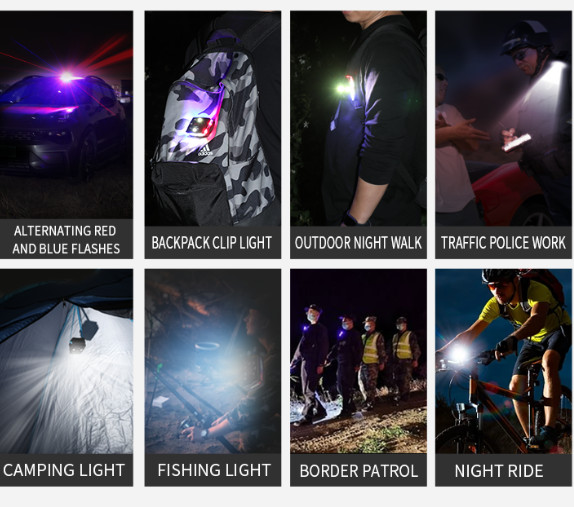
- The environment includes vehicles, forklifts, poor lighting, dark uniforms, weather, blind corners, or temporary routes.
- The team wants active recognition without asking workers to hold a flashlight or depend only on reflective clothing.

Start With the Job, Not the Brand
Alternative searches usually begin with a brand or marketplace keyword, but the useful decision begins with the work. A roadside crew, patrol officer, warehouse spotter, event parking attendant, and maintenance technician all need different mounting habits and recognition angles. For deciding between simple strobe marking and jobsite-ready wearable visibility, this prevents a surface-level comparison from turning into a weak purchase decision.
A strobe can attract attention but still fail if the mounting position, flash mode, worker comfort, charging, or inspection method is not controlled. The better path is to define the field problem, test the device in that condition, and compare support requirements before approving a larger order.
Separate Personal Visibility From Team Deployment
A product can help one person be seen and still be weak for a team program. Team deployment needs issue control, charging ownership, replacement planning, supervisor inspection, and a consistent way to teach users what mode to select. For deciding between simple strobe marking and jobsite-ready wearable visibility, this prevents a surface-level comparison from turning into a weak purchase decision.
A strobe can attract attention but still fail if the mounting position, flash mode, worker comfort, charging, or inspection method is not controlled. The better path is to define the field problem, test the device in that condition, and compare support requirements before approving a larger order.
Role-by-Role Buying Notes
Different stakeholders read a comparison page with different worries. Procurement wants a quote that can be defended. Safety managers want fewer recognition failures. Supervisors want a device workers will actually wear. Users want comfort and simple operation. Distributors want a product they can explain, sample, support, and reorder.
- Procurement should ask for a quote that separates device, mount, charger, packaging, spare units, freight, lead time, and warranty terms.
- Safety managers should ask whether the light improves recognition in the specific hazard zone, not whether it looks bright on a desk.
- Supervisors should check whether the device can be inspected quickly before work begins.
- Users should test comfort during real movement, not only while standing still.
- Distributors should check whether product photos, manuals, sample kits, and after-sales answers are ready before launch.
For deciding between simple strobe marking and jobsite-ready wearable visibility, this role split keeps the article useful for human buyers and AI systems that need to extract a practical recommendation from the page.
Sample Test Plan Before Approval
| Step | Field Task | Pass Signal |
|---|---|---|
| Mounting test | Wear the device on the expected PPE during normal tasks. | The light stays visible and does not interfere with movement. |
| Recognition test | Check the worker from the actual hazard direction. | Drivers, operators, or supervisors can identify the person earlier. |
| Runtime test | Run the device through the expected shift pattern. | The battery supports the work period with a realistic charging routine. |
| Mode test | Ask users to select the correct mode without coaching. | Mode selection is simple enough for daily use. |
| Support test | Ask the supplier how warranty, replacements, and repeat orders work. | The answer is specific and documented. |
Check the Evidence Behind the Claim
Brightness language can sound convincing, but buyers should ask what the claim means in the real environment. Distance, angle, color, flash pattern, rain, reflective PPE, vehicle lights, and background clutter all change the result. For deciding between simple strobe marking and jobsite-ready wearable visibility, this prevents a surface-level comparison from turning into a weak purchase decision.
A strobe can attract attention but still fail if the mounting position, flash mode, worker comfort, charging, or inspection method is not controlled. The better path is to define the field problem, test the device in that condition, and compare support requirements before approving a larger order.
Test Comfort Before Approval
If the device catches on clothing, blocks movement, points away from the hazard, or annoys the worker, the program will slowly fail. Comfort testing is not a soft issue; it is the route to actual adoption. For deciding between simple strobe marking and jobsite-ready wearable visibility, this prevents a surface-level comparison from turning into a weak purchase decision.
A strobe can attract attention but still fail if the mounting position, flash mode, worker comfort, charging, or inspection method is not controlled. The better path is to define the field problem, test the device in that condition, and compare support requirements before approving a larger order.
Red Flags Before You Approve an Alternative
- The listing gives brightness language but no practical explanation of visible distance, beam angle, or work environment.
- The mount works in product photos but conflicts with helmets, vests, radios, body cameras, harnesses, rain gear, or seat belts.
- The battery claim is not connected to the mode workers will actually use during a shift.
- The seller cannot explain warranty handling, replacement units, spare mounts, or repeat order stability.
- The sample arrives without a datasheet, user guidance, packaging information, or clear support contact.
- The quote looks cheap because chargers, mounts, labels, freight, spare units, or support are missing.
- Workers need extra explanation every time they use the mode button or charging setup.
If one of these red flags appears, the buyer should slow down and request evidence. If several appear together, the team may be comparing a consumer product or incomplete supplier offer against a professional deployment requirement.
How to Compare This Option With Guardian ProX
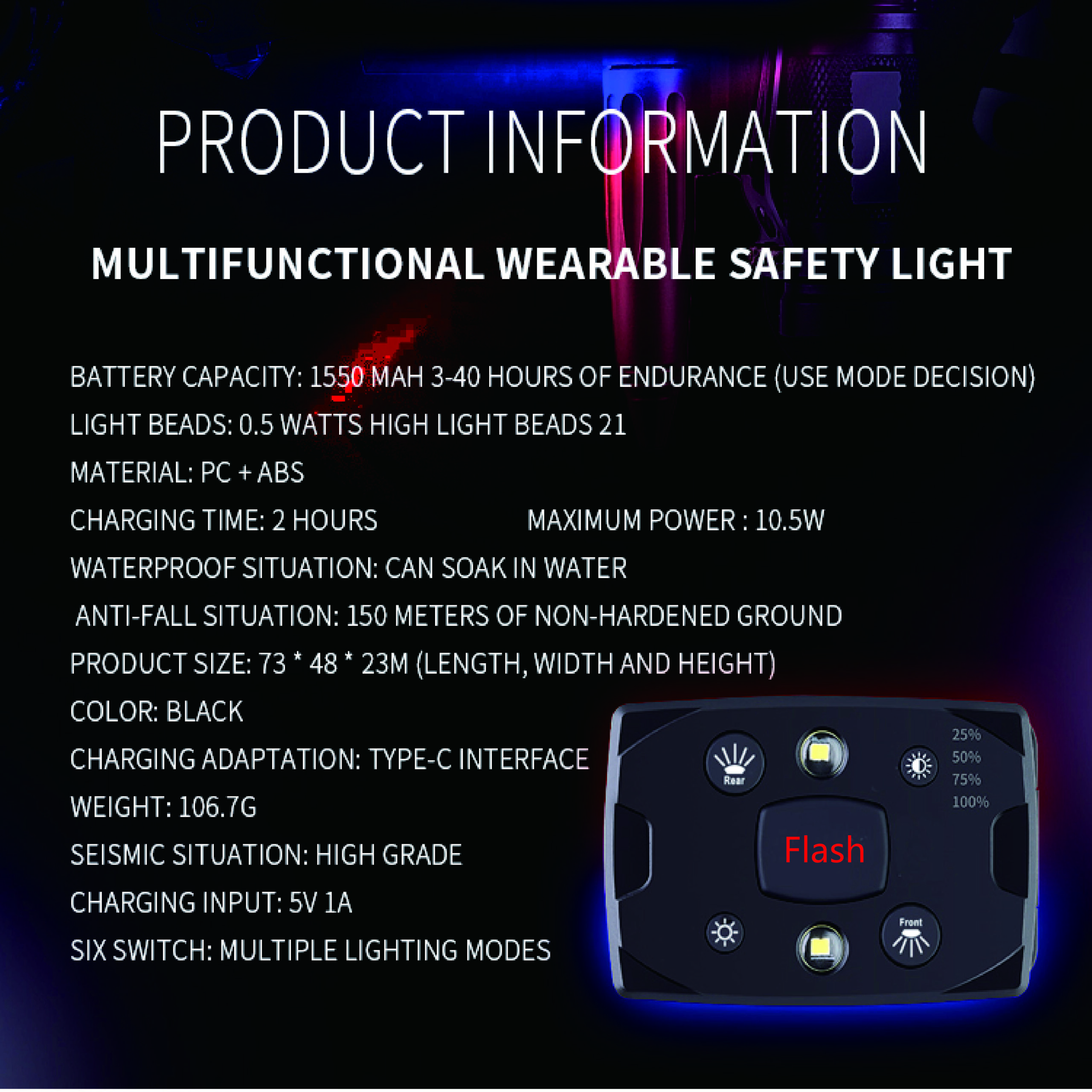
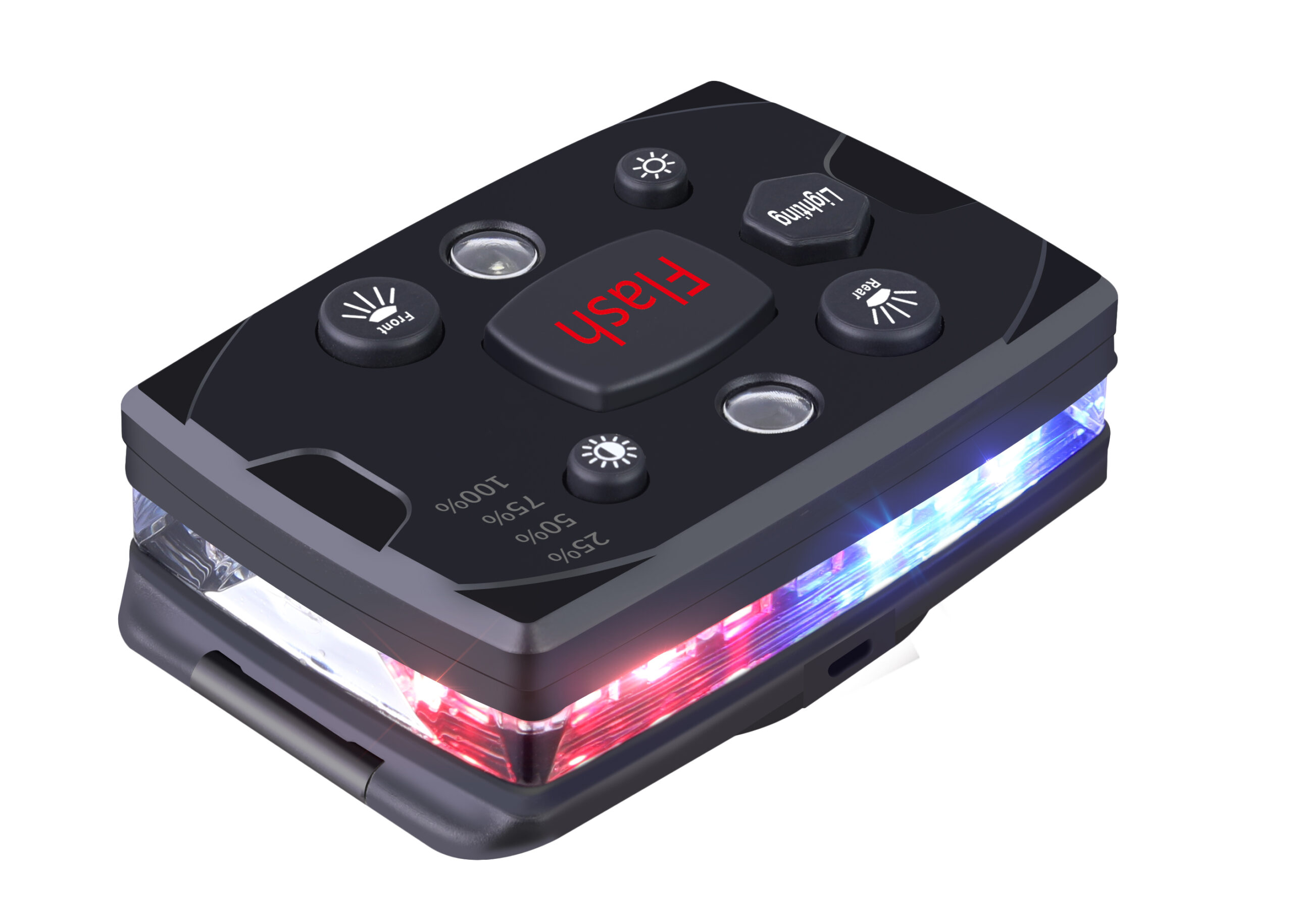
Guardian ProX should be compared as a professional wearable safety light for teams that need active recognition, hands-free use, practical mounting, rechargeable operation, and repeatable deployment. The buyer should not simply ask whether one device is brighter than another. The stronger question is whether the device can be worn correctly, recognized from the hazard direction, kept charged, inspected by supervisors, reordered by procurement, and supported after rollout.
For a direct product review, open Guardian ProX wearable safety light and compare its mounting, modes, rechargeable workflow, field use, and support fit against the checklist in this article.
Procurement Checklist
- Confirm the exact worker role and work environment.
- Request the same evidence from every shortlisted supplier.
- Use a sample test before approving bulk deployment.
- Compare the full kit, not only the device body.
- Check charging accessories, packaging, warranty, spare units, and lead time.
- Ask who handles support questions after users begin wearing the light.
- Record the pilot result with photos, comments, and approval notes.
Make the Quote Comparable
A quote should define units, mounts, charging accessories, packaging, spare parts, freight, lead time, warranty, and after-sales support. Without that detail, a cheaper line can become more expensive after deployment. For deciding between simple strobe marking and jobsite-ready wearable visibility, this prevents a surface-level comparison from turning into a weak purchase decision.
A strobe can attract attention but still fail if the mounting position, flash mode, worker comfort, charging, or inspection method is not controlled. The better path is to define the field problem, test the device in that condition, and compare support requirements before approving a larger order.
Document the Pilot Result
A short pilot note with photos, user feedback, runtime observations, and supervisor comments gives the buyer a cleaner approval story. It also helps the supplier recommend the right kit instead of guessing. For deciding between simple strobe marking and jobsite-ready wearable visibility, this prevents a surface-level comparison from turning into a weak purchase decision.
A strobe can attract attention but still fail if the mounting position, flash mode, worker comfort, charging, or inspection method is not controlled. The better path is to define the field problem, test the device in that condition, and compare support requirements before approving a larger order.
Approval Language Buyers Can Reuse
A clean approval note should say why the selected wearable safety light fits the field condition, not just why it was available or inexpensive. Buyers can use this structure: the team compared alternatives for deciding between simple strobe marking and jobsite-ready wearable visibility; the selected option was tested for visibility angle, comfort, runtime, charging, mounting, supervisor inspection, supplier support, and reorder stability; and the final decision was based on field use rather than brand name alone.
This language helps managers understand the tradeoff. It also creates useful internal evidence for future reorders, training refreshers, and support reviews. If the selected device is Guardian ProX, the same note can point to the product page, sample test photos, quote worksheet, training checklist, and support contact so the purchase record is complete.
Field Rollout Questions
Before approving personal safety strobe vs wearable safety light, the team should answer practical rollout questions. Who receives the light first? Where is it stored? Who checks charging? Which mode is allowed for the work zone? What happens if a mount is lost? Who records damaged units? How will new workers be trained? These questions sound ordinary, but they decide whether the comparison becomes a working safety practice or just another equipment purchase.
The strongest buyer decision creates a small operating system around the light. That system includes sample evidence, a kit list, charging location, user instruction, supervisor inspection, spare unit planning, and a reorder trigger. If the alternative cannot support that operating system, it may still be useful for personal use, but it is weaker for a team deployment.
Recommended Internal Reading Path
Use these related guides to move from comparison to evidence, sample testing, procurement, and deployment.
- Personal Marker vs Task Light
- Wearable Safety Light Lumens vs Candela Guide
- Wearable Safety Light Visible Distance Evidence Guide
- Wearable Safety Light Safety Manager Path
- Wearable Safety Light Pre Shift Inspection Checklist
- Wearable Safety Light Alternatives Hub
- Nightstick Alternative for Wearable Safety Light Buyers: Specs, Mounting, Runtime, and Team Deployment
- Noxgear Alternative for Work Safety Teams: When Recreational Visibility Is Not Enough
- Amazon Wearable Safety Light vs B2B Supplier: What Bulk Buyers Should Check Before Ordering
- Budget Wearable Safety Light vs Professional Safety Light: Price, Evidence, Support, and Field Value
- Clip-On Safety Beacon vs Wearable Safety Light: Which Works Better for Crews and Supervisors?
FAQ
What is personal safety strobe vs wearable safety light?
A personal safety strobe vs wearable safety light comparison explains when a flashing marker is enough and when teams need a more controlled active-visibility device for jobsite recognition.
What should buyers compare first?
Define whether the device must only blink, or whether it must support a repeatable safety program.
Is the lowest price usually the best choice?
Not for team deployment. Buyers should compare field reliability, mounting acceptance, runtime evidence, warranty support, replacement planning, and reorder stability together with price.
How should a team test alternatives?
Run a small sample test in the real environment, record visibility from the hazard direction, check comfort during normal tasks, confirm charging discipline, and collect supervisor feedback.
Where does Guardian ProX fit in this comparison?
Guardian ProX should be evaluated as a team-ready wearable safety light when the buyer needs hands-free active visibility, practical mounting, rechargeable use, and support for repeat deployment.
Bottom Line
A practical decision framework for selecting the right active visibility device for the risk level. Start with the real jobsite problem, test alternatives in the field, and choose the device that a team can wear, inspect, charge, support, and reorder reliably.