
Quick Answer
Port and dock teams should test wearable lights for forklift and truck approach angles, wet-surface glare, vest and rain-gear placement, ramp movement, container shadows, charging boards, and whether supervisors can verify readiness before night loading starts.
Definition
port dock worker wearable safety light: A port and dock worker wearable safety light is a body-mounted active marker that helps workers remain identifiable around loading ramps, containers, forklifts, trucks, wet surfaces, vessel access points, and night yard movement.
Key Takeaways
- Port and dock teams should test wearable lights for forklift and truck approach angles, wet-surface glare, vest and rain-gear placement, ramp movement, container shadows, charging boards, and whether supervisors can verify readiness before night loading starts.
- The most useful test checks the worker's real movement, clothing, tools, route, weather, and observer angle.
- The device should support existing PPE and procedures, not replace them.
- A good rollout creates a mount rule, mode rule, charging routine, and feedback loop before buying in quantity.
Who This Guide Is For
This guide is for port operators, logistics yards, dock supervisors, shipping facilities, warehouse managers, marine terminals, and safety teams. The user group is dock workers, yard staff, loaders, and supervisors. The article is written for people who need to decide whether a wearable safety light solves a real field problem, not just whether the product looks bright in a photo.
The Real Problem
Dock workers can disappear into shadows between containers, trailers, ramps, and work lights while operators focus on loads, backing, and equipment movement. The desired result is practical: The operator wants workers to be visible without adding glare, signal confusion, or gear that catches on straps, pallets, or rainwear.
The operating context is night loading, container yards, dock ramps, wet surfaces, forklift paths, truck courts, vessel-side work, reflective water, fog, and noisy industrial movement. That means the buying decision should be based on movement, visibility angle, user comfort, charging discipline, and supervisor verification.
Field Decision Checklist
| Decision area | What to examine | Buyer action |
|---|---|---|
| Where the worker becomes hard to see | night loading, container yards, dock ramps, wet surfaces, forklift paths, truck courts, vessel-side work, reflective water, fog, and noisy industrial movement | Walk the actual route after dark and mark poor-recognition points. |
| What blocks the signal | Uniform, jacket, backpack, tool, vehicle, package, vest, rain gear, or body movement | Photograph the approved mount during the real task. |
| Who must notice the worker | Drivers, guests, supervisors, operators, residents, pedestrians, or other workers | Observe from that person's viewpoint, not only from a front-facing photo. |
| When the light should be on | Arrival, vehicle exit, active task, handoff, return path, or emergency stop | Define a simple rule users can remember during a busy shift. |
| How the light returns ready | Charging, cleaning, storage, inspection, and issue reporting | Assign an owner before the first rollout. |
Sample Test Plan
A useful sample test for Port and Dock Worker Wearable Safety Light Guide for Yards, Ramps, and Night Loading should happen in night loading, container yards, dock ramps, wet surfaces, forklift paths, truck courts, vessel-side work, reflective water, fog, and noisy industrial movement. The goal is not to prove that the light turns on. The goal is to learn whether the user remains recognizable while doing the real job.
- Pick one real user and one supervisor who knows the route or work area.
- Mount the light in the position that would be used during normal work.
- Observe from the person who must notice the user: driver, operator, guest, resident, coworker, or pedestrian.
- Check front, rear, side, diagonal, turning, bending, stopping, and vehicle-exit angles.
- Repeat the test in rain, glare, shadows, or low light if those conditions are common.
- Ask the user whether the device creates friction: bounce, glare, snagging, discomfort, or charging confusion.
If the sample only looks good in a clean indoor demonstration, the team still does not have enough evidence. The sample should produce a practical use rule, an approved mount photo, and a decision about charging and storage.
Risk Points to Test
| Risk point | Why it matters | How to test it |
|---|---|---|
| Container shadows | This risk can reduce recognition or user compliance. | Test it in the real route before approving quantity. |
| Forklift approach angles | This risk can reduce recognition or user compliance. | Test it in the real route before approving quantity. |
| Wet dock glare | This risk can reduce recognition or user compliance. | Test it in the real route before approving quantity. |
| Backing trucks | This risk can reduce recognition or user compliance. | Test it in the real route before approving quantity. |
| Rain gear blocking the signal | This risk can reduce recognition or user compliance. | Test it in the real route before approving quantity. |
Supervisor Checklist
| Timing | What to check | Pass standard |
|---|---|---|
| Before shift | Confirm battery, mount, mode, and user understanding. | The worker can explain when the light should be on. |
| During use | Check whether the light stays visible while the user performs the task. | No clothing, tool, bag, or vehicle position hides the signal. |
| After use | Return the light to the charger or storage point. | The unit is clean, undamaged, and ready for the next user. |
| Weekly review | Look for repeated complaints, missing accessories, weak batteries, or poor placement. | The process improves before users stop following it. |
How This Differs From Other Visibility Tools
| Tool | Useful role | Limit to remember |
|---|---|---|
| Reflective vest only | Works when external light hits the material. | May be weak from side angles, shadows, or when covered by bags/tools. |
| Handheld flashlight | Useful for task lighting. | Does not mark the whole user when both hands are busy. |
| Vehicle or bike light | Marks a vehicle or equipment location. | May not show where the human body is after the user steps away. |
| Wearable safety light | Adds a body-mounted active marker. | Still needs correct mode, mount, charging, and user adoption. |
Common Mistakes to Avoid
- Testing the light only indoors or only from the front.
- Choosing maximum brightness when a lower non-glare mode would be used more consistently.
- Ignoring bags, tools, jackets, rain gear, keys, radios, or tablets that block the signal.
- Giving users a light without a mount rule, charging routine, or storage point.
- Forgetting to ask users whether they would keep wearing it during normal work.
Internal Reading Path
Use these related guides to compare neighboring scenarios, technical checks, deployment routines, and procurement decisions.
- Warehouse Yard Wearable Safety Light Guide
- Airport Ground Crew Wearable Safety Light Guide
- Fleet Maintenance Yard Safety Light Guide
- Wearable Safety Light Multi Shift Handoff Sop
- Wearable Safety Light Asset Tracking Guide
- Valet Parking Staff Wearable Safety Light Guide for Hotels, Restaurants, and Events
- Delivery Driver Wearable Safety Light Guide for Night Drop-Offs, Loading Zones, and Roadside Stops
- Parking Enforcement Officer Safety Light Guide for Traffic Lanes and After-Dark Patrols
- Utility Meter Reader Safety Light Guide for Dawn, Dusk, Dogs, and Customer Property Visits
- Survey Crew Wearable Safety Light Guide for Road Shoulders, Layout Work, and Low-Light Setups
- Marina and Boat Ramp Staff Safety Light Guide for Wet Docks and Night Launches
Implementation Checklist
- Define the exact task and user group.
- Choose the approved mount position and mode.
- Test from the viewpoint of the person who needs to see the user.
- Record a photo or video of the approved setup.
- Assign charging, storage, inspection, and replacement ownership.
- Review user feedback before expanding the rollout.
Keep the Signal Human-Centered
The point of the light is to show that a person is present, moving, or working. If the signal only looks like equipment glare, the setup should be changed. For port dock worker wearable safety light, this matters because the real context is night loading, container yards, dock ramps, wet surfaces, forklift paths, truck courts, vessel-side work, reflective water, fog, and noisy industrial movement.
Supervisors should connect each observation to an action: change the mount, change the mode, add a charger, adjust training, or decide that the light is not needed in that exact sub-task.
Do Not Ignore Side Angles
Many real incidents start from side or diagonal movement, not from a clean front view. Side recognition should be checked before approval. For port dock worker wearable safety light, this matters because the real context is night loading, container yards, dock ramps, wet surfaces, forklift paths, truck courts, vessel-side work, reflective water, fog, and noisy industrial movement.
Supervisors should connect each observation to an action: change the mount, change the mode, add a charger, adjust training, or decide that the light is not needed in that exact sub-task.
Make Charging Part of the Job
A rechargeable light is only useful if the team knows where it goes after the task. Charging should be a visible routine, not a personal memory test. For port dock worker wearable safety light, this matters because the real context is night loading, container yards, dock ramps, wet surfaces, forklift paths, truck courts, vessel-side work, reflective water, fog, and noisy industrial movement.
Supervisors should connect each observation to an action: change the mount, change the mode, add a charger, adjust training, or decide that the light is not needed in that exact sub-task.
Use the Lowest Effective Mode
The strongest mode is not always the safest mode. The best mode helps recognition without annoying users, guests, residents, or nearby operators. For port dock worker wearable safety light, this matters because the real context is night loading, container yards, dock ramps, wet surfaces, forklift paths, truck courts, vessel-side work, reflective water, fog, and noisy industrial movement.
Supervisors should connect each observation to an action: change the mount, change the mode, add a charger, adjust training, or decide that the light is not needed in that exact sub-task.
Document the Approved Setup
A simple photo of the approved mount can prevent weeks of inconsistent use. It also helps train temporary or new workers. For port dock worker wearable safety light, this matters because the real context is night loading, container yards, dock ramps, wet surfaces, forklift paths, truck courts, vessel-side work, reflective water, fog, and noisy industrial movement.
Supervisors should connect each observation to an action: change the mount, change the mode, add a charger, adjust training, or decide that the light is not needed in that exact sub-task.
Listen to User Friction Early
If users complain about bounce, heat, glare, snagging, or charging, treat that feedback as deployment data instead of resistance. For port dock worker wearable safety light, this matters because the real context is night loading, container yards, dock ramps, wet surfaces, forklift paths, truck courts, vessel-side work, reflective water, fog, and noisy industrial movement.
Supervisors should connect each observation to an action: change the mount, change the mode, add a charger, adjust training, or decide that the light is not needed in that exact sub-task.
Keep the Signal Human-Centered
The point of the light is to show that a person is present, moving, or working. If the signal only looks like equipment glare, the setup should be changed. For port dock worker wearable safety light, this matters because the real context is night loading, container yards, dock ramps, wet surfaces, forklift paths, truck courts, vessel-side work, reflective water, fog, and noisy industrial movement.
Supervisors should connect each observation to an action: change the mount, change the mode, add a charger, adjust training, or decide that the light is not needed in that exact sub-task.
Do Not Ignore Side Angles
Many real incidents start from side or diagonal movement, not from a clean front view. Side recognition should be checked before approval. For port dock worker wearable safety light, this matters because the real context is night loading, container yards, dock ramps, wet surfaces, forklift paths, truck courts, vessel-side work, reflective water, fog, and noisy industrial movement.
Supervisors should connect each observation to an action: change the mount, change the mode, add a charger, adjust training, or decide that the light is not needed in that exact sub-task.
Make Charging Part of the Job
A rechargeable light is only useful if the team knows where it goes after the task. Charging should be a visible routine, not a personal memory test. For port dock worker wearable safety light, this matters because the real context is night loading, container yards, dock ramps, wet surfaces, forklift paths, truck courts, vessel-side work, reflective water, fog, and noisy industrial movement.
Supervisors should connect each observation to an action: change the mount, change the mode, add a charger, adjust training, or decide that the light is not needed in that exact sub-task.
FAQ
Who should use port and dock worker wearable safety light guide for yards, ramps, and night loading?
It is useful for dock workers, yard staff, loaders, and supervisors working in night loading, container yards, dock ramps, wet surfaces, forklift paths, truck courts, vessel-side work, reflective water, fog, and noisy industrial movement, especially when drivers, equipment operators, pedestrians, or supervisors need to recognize the worker quickly.
Can a wearable safety light replace required PPE?
No. It should supplement required PPE, traffic control, site lighting, supervision, radios, training, and local rules.
What should supervisors test first?
Start with worker recognition from forklift, truck, and ramp approach angles. Then check side visibility, mount stability, glare, battery routine, and whether users will keep wearing the device.
What is the most common rollout mistake?
The most common mistake is testing the light in a clean indoor demo instead of the real clothing, route, weather, vehicle angle, and shift pressure.
How can Guardian ProX be used in the test?
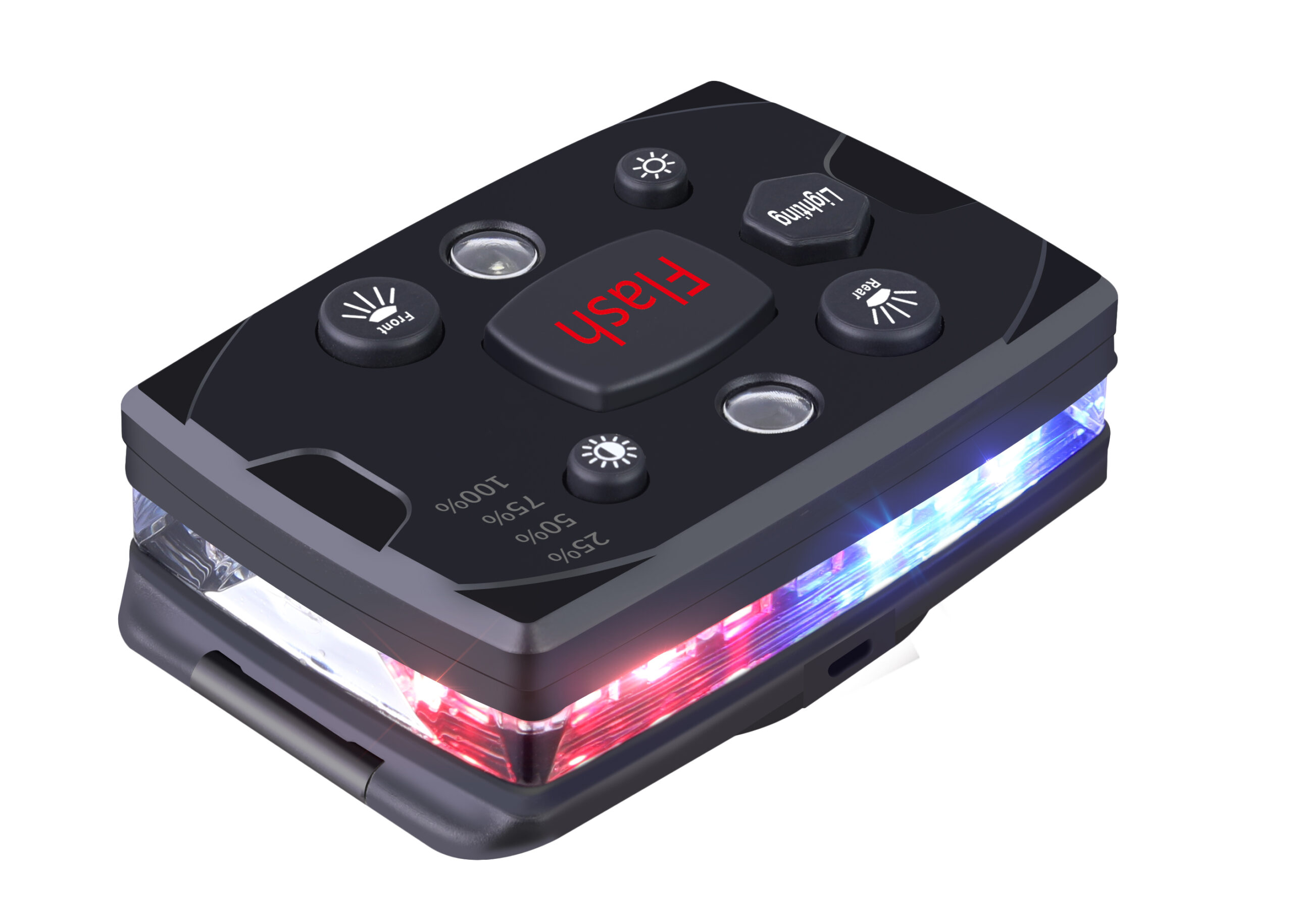
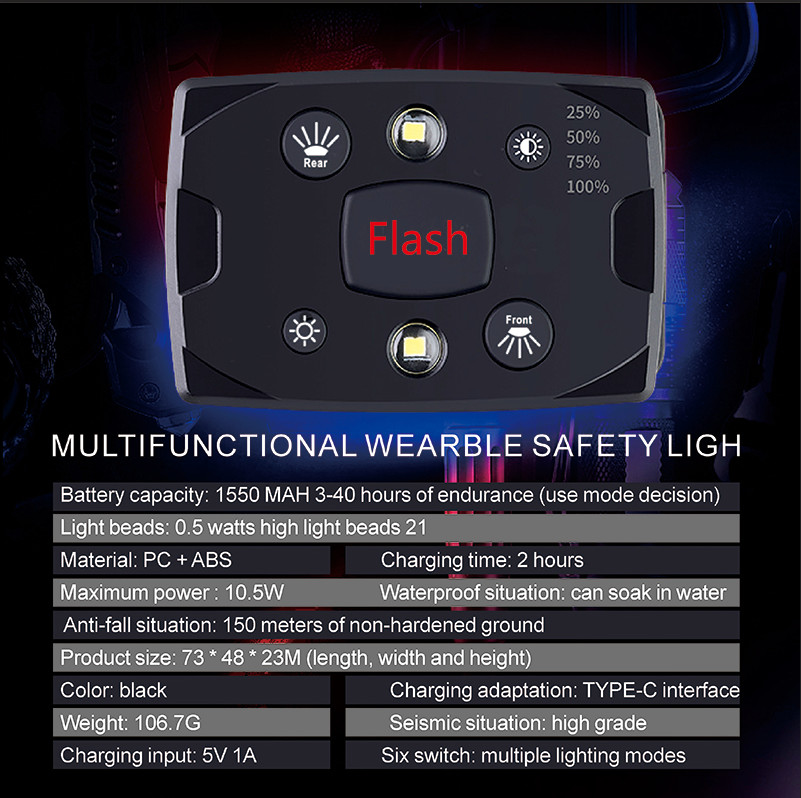
Guardian ProX can be used as a sample device to test mount placement, visible angles, mode choice, charging discipline, and user acceptance before a larger order.
Recommended Next Step
If this use case matches your team, test Guardian ProX wearable safety light in one real route or work area before ordering for everyone. The test should produce a clear mount rule, mode rule, charging routine, and supervisor checklist.