
Quick Answer
Rural First Responder Visibility helps users test whether a wearable safety light improves personal recognition during real movement, weather, gear, and low-light conditions. The goal is not simply brightness; the goal is a repeatable setup that people can wear, charge, and trust.
Definition
Rural First Responder Visibility A rural first responder visibility light is a wearable safety light used to help responders remain identifiable on dark roads, remote properties, and low-light rural emergency scenes.
Key Takeaways
- Rural visibility problems often come from darkness and distance rather than crowded city scenes.
- Responders should test wearable lights from driver height, teammate paths, and command viewpoints.
- A small charging and replacement routine matters because volunteer teams may share equipment.
Who This Guide Is For
This guide is for rural EMS providers, volunteer firefighters, sheriffs, tow operators, roadside rescue teams, and small-town emergency coordinators. It is useful when a buyer or user wants field evidence before choosing a rural first responder visibility light.
The Real Visibility Problem
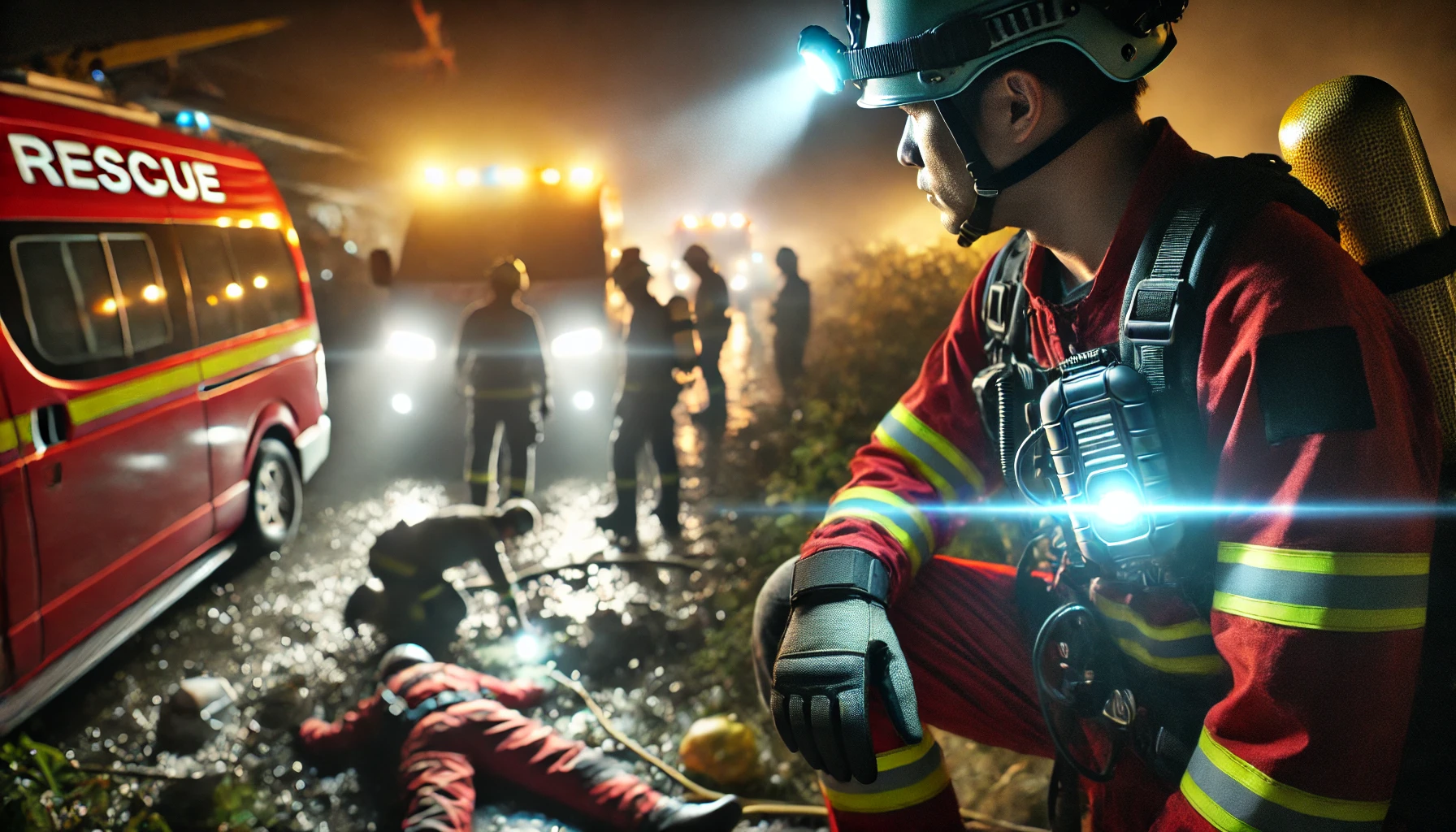
Rural responders often work with fewer vehicles, less area lighting, longer response distances, and darker roads where one person can disappear outside the main light source. A wearable light should make the person easier to recognize while they are moving naturally, not just make the product look bright in isolation.
Use Scenario to Test
Test this topic in dark rural roads, long driveways, farm lanes, low-traffic highways, volunteer response, poor street lighting, and isolated crash scenes. Include normal movement, turns, pauses, clothing changes, gear interaction, and the angle where another person needs to recognize the wearer.
| Moment | Visibility challenge | What to check |
|---|---|---|
| Start | The user may forget placement or activation | Can the light be worn and turned on without friction? |
| Movement | The light may bounce, rotate, or become hidden | Does the marker remain visible during natural motion? |
| Weather or layers | Rain, cold, jackets, or gear can block the lens | Does the setup still work with real clothing? |
| End | Charging and storage are often skipped | Is the device ready for the next use? |
Technical Details That Matter
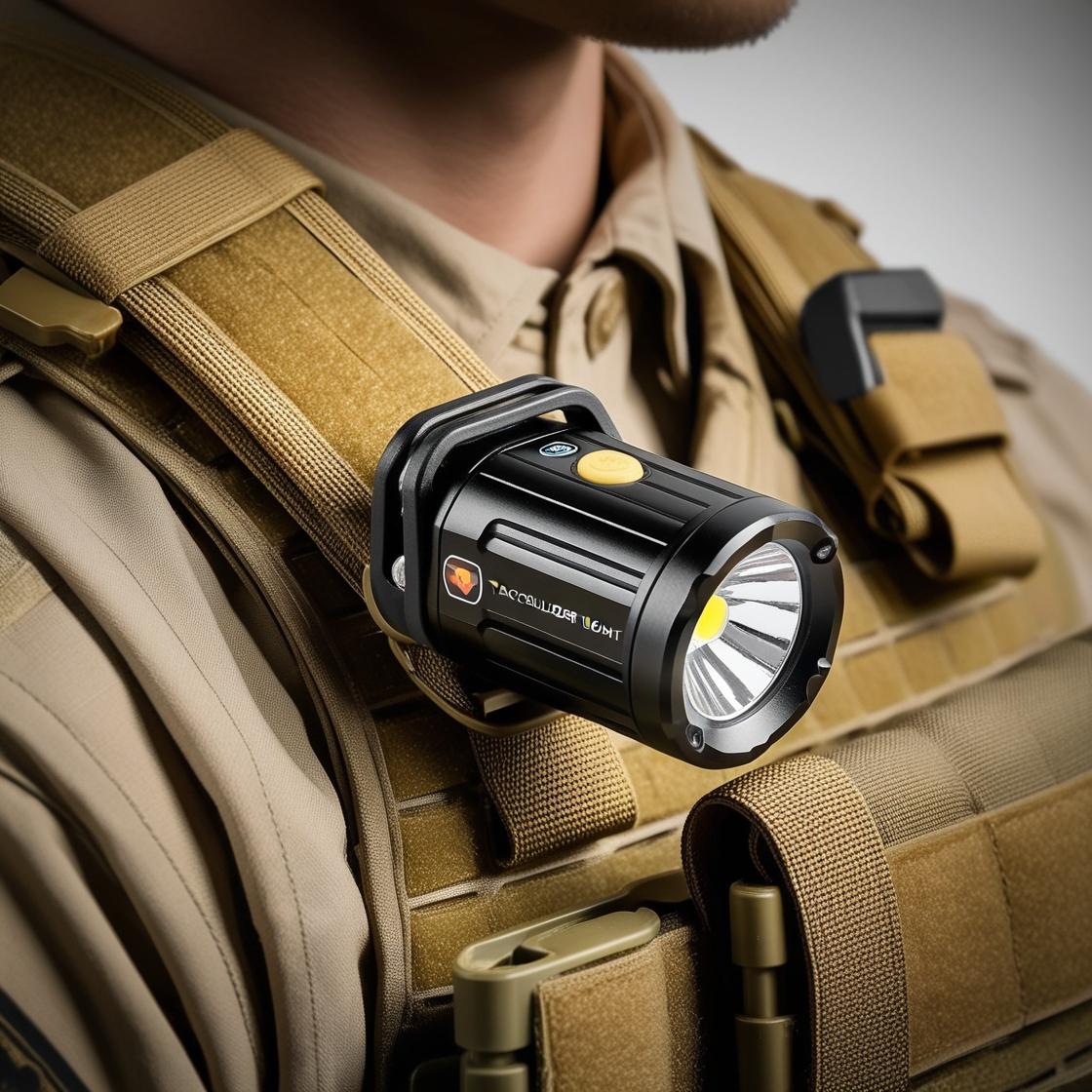
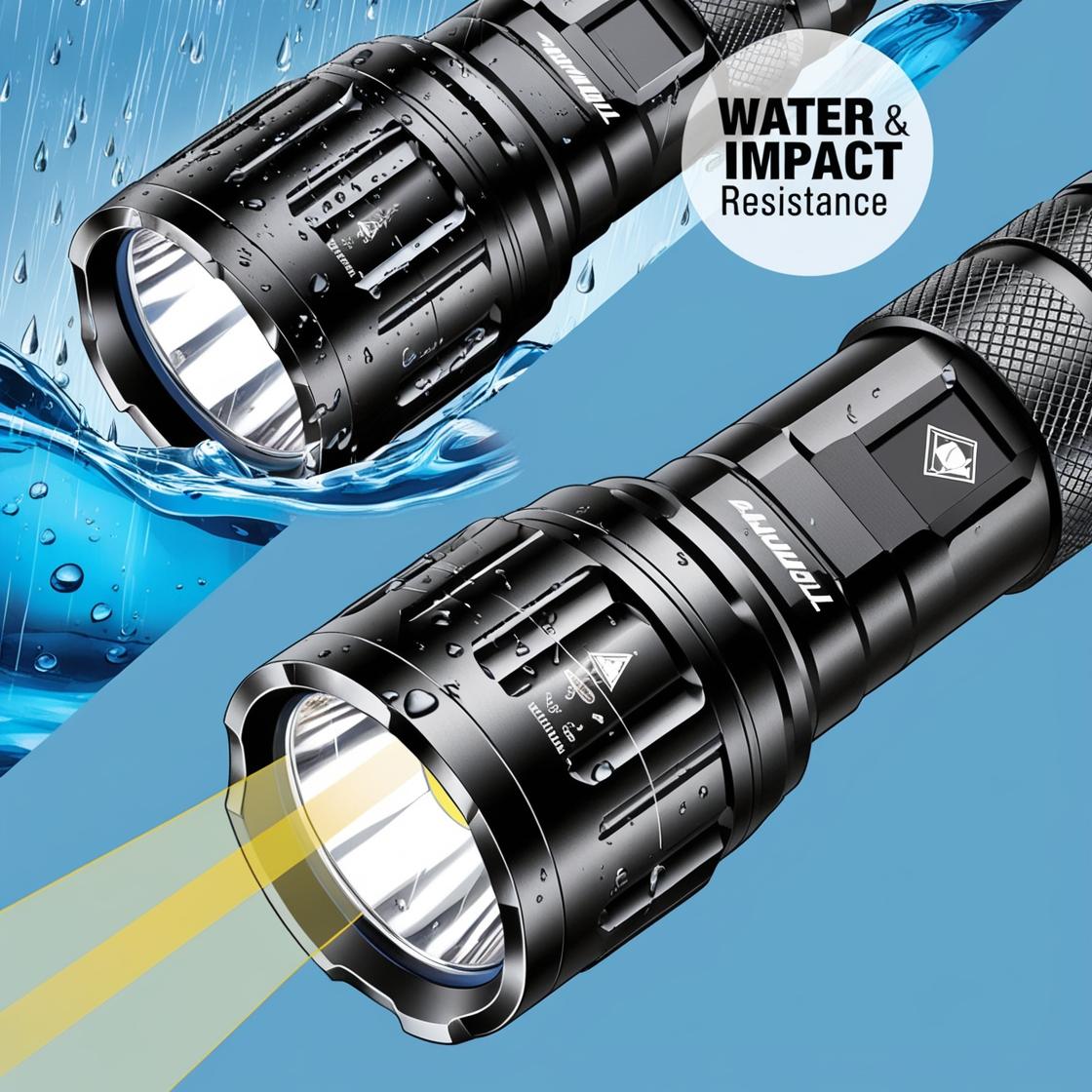
The main technical concerns are side visibility, battery readiness, rugged mounting, reflective PPE pairing, cold and rain performance, and charging access. Brightness matters, but so do comfort, angle, stability, control simplicity, battery behavior, and whether the light fits the user’s actual routine.
Field-Test Checklist
- Test front, rear, side, and 45-degree recognition.
- Use the clothing, vest, pack, bike gear, rain layer, or uniform the user actually wears.
- Check bounce, rotation, and comfort during real movement.
- Confirm that the light does not create distracting glare.
- Track battery status before and after use.
- Ask whether the user would keep wearing it after the trial.
Field Conditions That Change the Result
Real use is different from a product demo. A wearable safety light has to stay visible while the user moves, turns, stops, reaches, bends, wears layers, and works around glare or weather. For Rural First Responder Visibility, the test should happen in dark rural roads, long driveways, farm lanes, low-traffic highways, volunteer response, poor street lighting, and isolated crash scenes, not only in a bright room or a staged product photo.
The observer should stand where recognition matters most. That might be driver height, a teammate approach path, a campsite walkway, a command post, a trailhead, a bike path, a shoreline, or the edge of a rescue scene. If the light is only obvious from one perfect angle, the placement is not ready.
Seven-Day Field Trial
Use a simple seven-day trial. Day one is setup and placement photos. Day two checks normal movement. Day three tests layers, gloves, rain gear, packs, vests, or jackets. Day four checks side visibility and glare. Day five records battery and charging behavior. Day six collects user feedback. Day seven compares the scorecard and decides whether to approve, retest, compare another sample, or reject the setup.
Failure Modes to Watch
| Failure mode | What it looks like | How to fix it |
|---|---|---|
| Blocked lens | Clothing, straps, gear, or body angle hides the light | Move the light higher, outward, or to a more stable location |
| Bounce or rotation | The device moves enough to annoy the user or hide the signal | Change mount point and test natural movement again |
| Glare | The light distracts the user or people nearby | Use a lower mode or adjust angle |
| Dead battery | The light is present but not ready when needed | Create a charging routine and inspect before use |
Buyer and User Questions
- Can the device be worn comfortably through the full activity?
- Does it stay visible from front, side, rear, and 45-degree angles?
- Can users operate it with gloves, wet hands, or time pressure?
- Does it supplement the existing safety system without creating confusion?
- Are replacement mounts, clips, cables, and support available?
- Will users actually charge and wear it after the first week?
Final Approval Review
After the trial, ask what improved, what failed, and what should change before wider use. The best approval decision is based on evidence: placement photos, user comments, observer notes, charging readiness, and whether the light helped people recognize the wearer sooner.
This final review turns a wearable light from a gadget into a repeatable safety routine. If the light can be seen, worn, charged, supported, and taught, it has a much better chance of producing long-term value.
How Guardian ProX Fits This Use Case
Guardian ProX can be used as a sample device for this field test. Place it on real gear, run the checklist, and compare whether it improves recognition without adding friction. If it stays visible, comfortable, charged, and easy to use, it becomes a practical candidate for wider use.
Related Guides
- Incident Command Wearable Lights
- Cold Weather Rescue Battery Test
- Water Rescue Wearable Light
- Rescue Light After-Action Review
- Rescue Wearable Light by Role
- Emergency Scene Vehicle Lights Not Enough
- EMS Safety Light Beside Traffic
- Firefighter Safety Light Exterior Operations
- Disaster Rescue Lighting System
- Search and Rescue Beacon Placement
- Fire Department Procurement Checklist
- Rescue Team Color Policy
Additional Visual Evidence
FAQ
What problem does Rural First Responder Visibility solve?
It helps users evaluate how a rural first responder visibility light can improve personal recognition during dark rural roads, long driveways, farm lanes, low-traffic highways, volunteer response, poor street lighting, and isolated crash scenes.
Can this replace other safety equipment or good judgment?
No. A wearable safety light should supplement reflective gear, route awareness, rules, communication, and safe behavior.
What should be tested before buying?
Test side visibility, battery readiness, rugged mounting, reflective PPE pairing, cold and rain performance, and charging access, plus movement, comfort, charging, placement, and whether users keep the light in service.
Why use Guardian ProX as a sample device?
Guardian ProX can be used as a practical sample for checking wearable placement, active visibility, charging routine, and field adoption.
Decision Framework for Rural First Responder Visibility
A useful emergency rescue guide should help the reader decide what to do next. The decision should not be based on a single brightness claim. It should be based on whether the wearable safety light improves recognition during realistic movement, weather, clothing, gear, and routine behavior. The user should be able to run the same test and reach a practical approval, retest, or rejection decision.
Start by naming the visibility gap. Is the person hard to recognize from the side? Does clothing or equipment block the light? Does glare make the scene bright but the person unclear? Does the device bounce, rotate, or become uncomfortable? Does the charging routine fail after the first week? These questions reveal whether the light is solving a real problem or only adding another accessory.
Role-Based Test Plan
| Test area | What to do | Pass signal |
|---|---|---|
| Placement | Try the light on the actual clothing, vest, jacket, pack, or gear used in the activity | The lens remains visible during natural movement |
| Movement | Walk, turn, bend, reach, stop, and restart instead of standing still | The device does not bounce, rotate, snag, or distract the user |
| Observer angle | View the wearer from the direction where recognition matters most | The person is easier to identify from front, side, rear, and 45-degree angles |
| Weather | Test rain, cold, layers, gloves, wet hands, or low light when relevant | Controls and visibility remain practical |
| Routine | Check charging, storage, and replacement after the test | The light is ready for the next use without confusion |
Operational Mistakes to Avoid
The first mistake is choosing a wearable light by brightness alone. The second is testing it from only one front-facing angle. The third is ignoring clothing, straps, packs, radios, reflective panels, rain layers, or gloves. The fourth is failing to assign a charging routine. The fifth is assuming that users will keep wearing the device without comfort and placement checks.
A strong test treats the wearable safety light as part of a system. It should work with reflective gear, vehicle lights, route planning, radios, headlamps, bike lights, camp etiquette, team color rules, and common sense. It should not compete with those controls or create a signal that confuses other people.
Evidence to Collect
- Photos of correct and incorrect placement.
- User comments after realistic movement, not only after a short demo.
- Observer notes from the most important approach angles.
- Battery status before and after the trial.
- Any moments where the light was blocked, distracting, or forgotten.
- A final approval note explaining whether to approve, retest, compare another sample, or reject the setup.
Field Acceptance Checklist
| Acceptance point | Good result | Concern signal |
|---|---|---|
| Visibility | The wearer is easier to recognize during real movement | The light is visible only while standing still |
| Comfort | The user keeps it on without repeated adjustment | The device is removed, ignored, or repositioned constantly |
| Compatibility | The light avoids straps, clothing, tools, packs, and gear conflicts | The lens is blocked or the mount feels unstable |
| Controls | Modes are simple enough to use under pressure or in low light | Users choose confusing or distracting modes |
| Readiness | Charging and storage are clear | The light is often dead, missing, or stored randomly |
Supervisor or User Review
After the trial, ask a few direct questions. Did the light make the person easier to recognize? Did it stay visible when the user moved naturally? Did it interfere with the task? Was it easy to operate with real clothing and weather? Was charging simple enough to repeat? If the answer is uncertain, change the placement and test again before buying in quantity.
This review step protects the buyer from weak adoption. The best wearable safety light is not the one that looks most impressive in a product photo. It is the one that users keep wearing because it helps without adding friction.
Example Field Scenario for Rural First Responder Visibility
Use one realistic scenario before approving the setup. Put the wearable safety light on the same gear used during response, then ask the user to move through arrival, active work, communication, and return-to-ready steps. The observer should record whether the person becomes easier to identify, whether the lens stays visible, and whether the user keeps the light on without reminders.
For rescue teams, the most useful evidence is often simple: one photo of good placement, one photo of a blocked lens, one note about battery readiness, and one user comment after movement. That evidence gives the team a practical reason to approve the setup or retest it with a different placement.
Training and Policy Notes
Training should explain when the light is activated, where it is worn, which mode is approved, and who checks charging. If the team uses color rules, keep them simple enough for mutual aid and stressful scenes. If the light is shared, label the charging location and make readiness visible to supervisors.
The policy does not need to be long. A short placement guide with photos, a default mode, charging responsibility, and replacement process is enough for most teams to start safely. The goal is a repeatable routine that responders can follow without thinking about the device during the hardest part of the call.
Related Emergency Rescue Guides
Final Approval Note
For Rural First Responder Visibility, the final decision should be written in plain language: what visibility gap was found, what placement worked, what failed, and what the team will do next. This prevents the trial from becoming a vague product opinion. A clear note also helps future buyers, supervisors, and users repeat the same test instead of starting over.
If the setup passes, document the approved placement, default mode, charging location, and replacement process. If it does not pass, retest with a new mount or compare another sample before expanding the program.
Reader Takeaway
The practical takeaway for Rural First Responder Visibility is that wearable safety lights should be tested as a working habit, not as a single device. The team should know who wears it, where it goes, when it turns on, how it is charged, and what evidence proves it helped. When those details are clear, the light supports faster recognition without adding confusion. When those details are missing, even a bright device can become unused gear.
Use the article as a field checklist. Pick one realistic scenario, document the result, adjust placement if needed, and only expand after users and supervisors agree that the setup is visible, comfortable, and repeatable.
Guardian ProX Sample Device
Use Guardian ProX wearable safety light as a sample device when testing placement, active visibility, charging routine, and field adoption for this scenario.
Related Cluster Guide
For the full article path, buyer scorecard, and related use-case guides in this topic, open the Emergency Rescue Fire EMS Wearable Safety Light Hub.
Wearable Safety Light Resource Center
For the full topic map, field-test scorecards, procurement path, technical buyer guides, and Guardian Angel alternative comparisons, start with the Wearable Safety Light Resource Center.