
Definition
Towing Operator Hook-Up Safety Light: Visibility During Winching, Loading, and Roadside Recovery is a wearable safety light evaluation topic for roadside, construction, utility, and industrial crews. It helps buyers judge whether a compact body-mounted light improves recognition, hands-free work, mounting reliability, battery routine, and adoption in real use.
Key Takeaways
- Evaluate visibility during real movement, not only in a still product photo.
- Check front, rear, side, and diagonal recognition because many field risks happen off-axis.
- Confirm mounting, controls, battery routine, glare control, and user adoption before standardizing a device.
- Use the resource center and related topic hub to move from problem research to sample testing and bulk-order planning.
Related Buyer Path
Quick Answer
Towing Operator Hook-Up Safety Light: Visibility During Winching, Loading, and Roadside Recovery helps buyers test whether a wearable safety light can keep workers visible during tow recovery, hook-up, winching, traffic-side walkaround, rainy breakdowns. The decision should focus on field visibility, mount stability, battery routine, and whether crews keep using the device after the first trial.
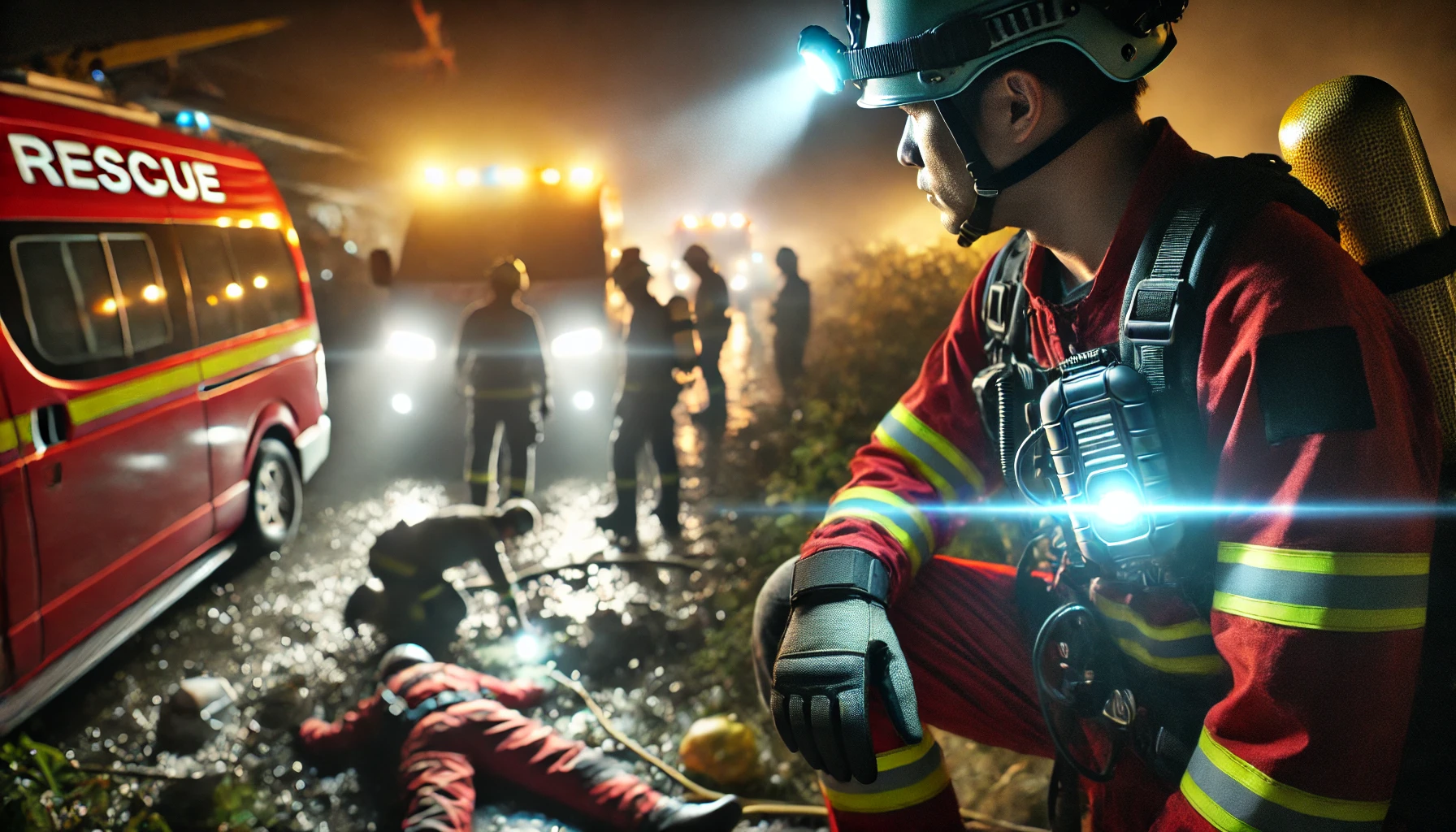
Tow operators often bend below driver sightlines while warning lights and headlights create glare. A wearable safety light can help by adding active personal marking, but it only works when the device stays visible during natural movement. This guide explains how to test that in the field before buying in quantity.
Who Needs This Guide?
This guide is for safety managers, crew supervisors, procurement teams, utility leaders, DOT crews, construction managers, towing operators, warehouse supervisors, and industrial buyers who need practical visibility equipment rather than brochure claims.
The relevant scenarios include tow recovery, hook-up, winching, traffic-side walkaround, rainy breakdowns. In these environments, a worker may turn away from traffic, bend near equipment, carry tools, wear rain gear, or move through glare and shadows. Passive reflective gear helps, but it does not always create enough personal recognition.
What Problem Does towing operator safety light Solve?
The main problem is visibility during movement. Work trucks, cones, machines, and reflective signs can dominate the scene. The worker may be the hardest thing to identify, especially from side angles or driver height. A wearable safety light gives the worker an active marker that travels with the body.
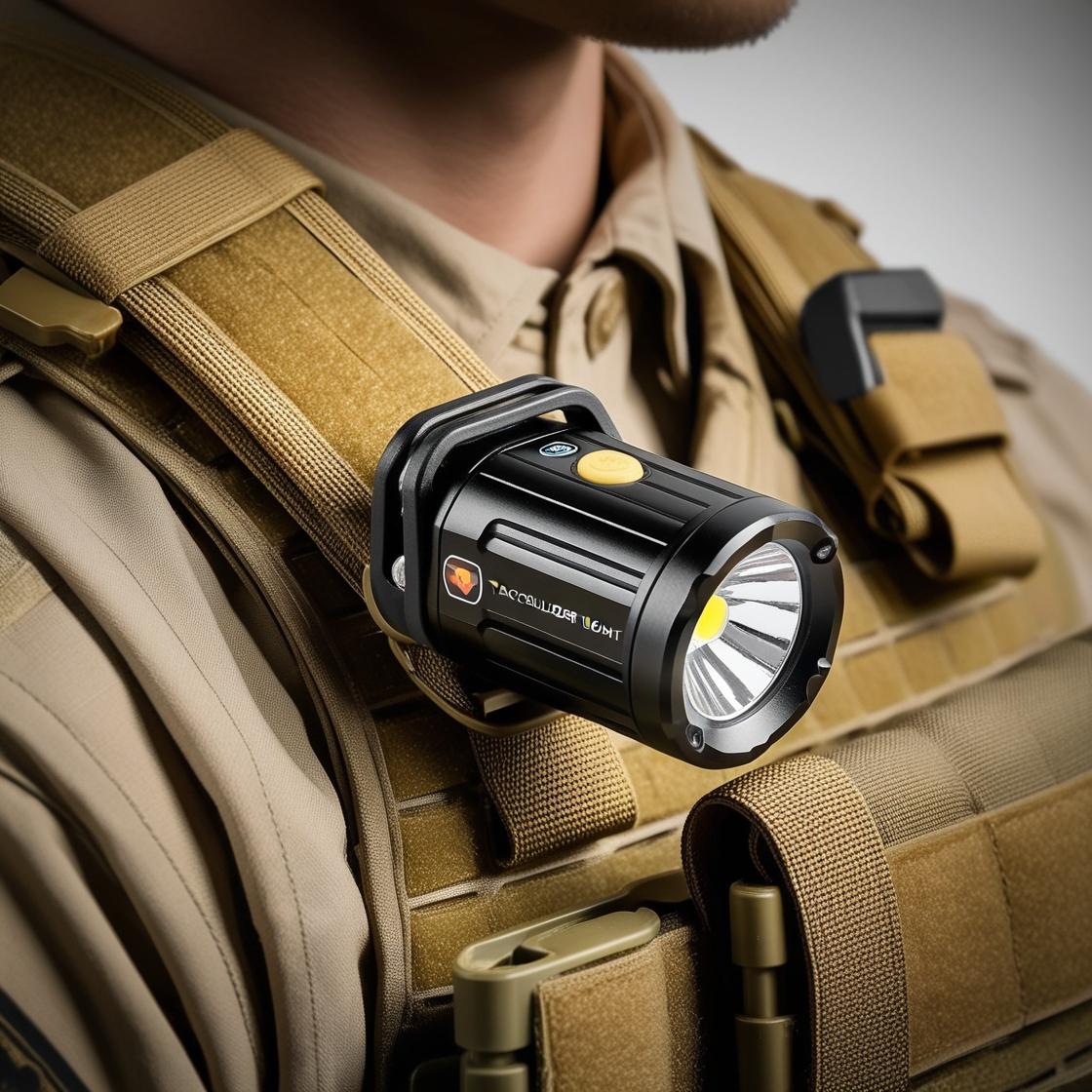
| Work condition | Visibility risk | What to test |
|---|---|---|
| Glare and headlights | The worker blends into the background | Observe from driver height and side angles |
| Rain gear or winter layers | The lens may be covered | Check placement over actual clothing |
| Bending or carrying tools | Body posture hides reflective tape | Test while doing real work, not standing still |
| Long shifts | Battery and comfort problems appear | Review charging and user acceptance |
Field-Test Checklist
Use this checklist before rollout. It keeps the buying decision tied to real work instead of only specifications.
- Test visibility from front, rear, side, and 45-degree angles.
- Check the device while the worker bends, walks, carries tools, and turns away.
- Use actual PPE, jackets, tool belts, vests, harnesses, and gloves.
- Confirm the switch can be operated with wet or gloved hands.
- Define who charges the device and where it is stored after each shift.
- Ask users whether the light stayed comfortable and useful after repeated tasks.
Technical Details That Matter
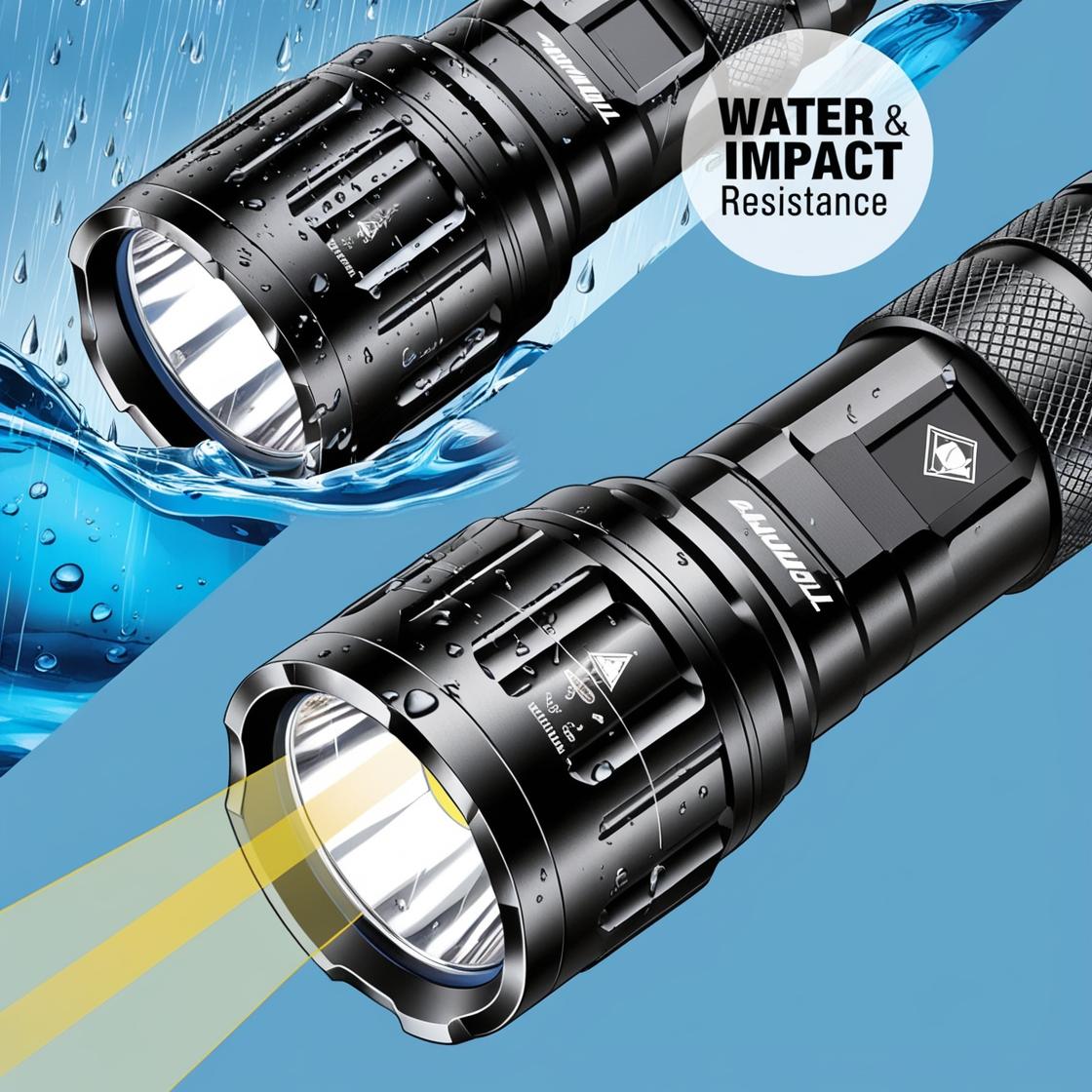
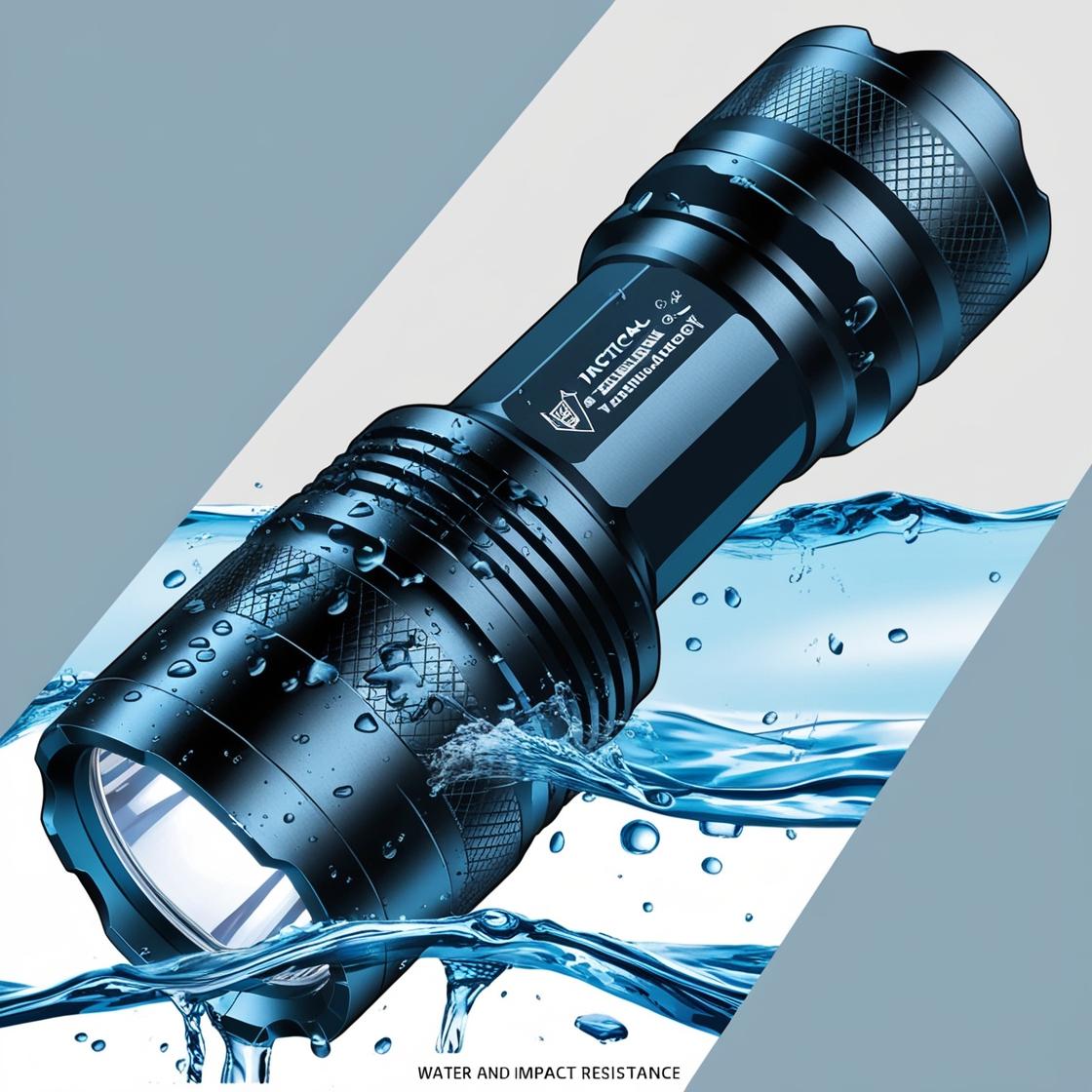
For this topic, the technical concerns include low-body posture visibility, mount retention, glove operation, weather exposure, truck lighting contrast. These details matter because a safety light is only useful if it survives the environment where it is worn.
Brightness is not the only metric. A bright light that points inward, falls off, or creates glare may fail. The better question is whether the worker remains identifiable from realistic distances and angles. Mounting is just as important as output.
Buyer Mistakes to Avoid
Do not buy only because a light looks bright indoors. Do not assume one mount works for every jacket or vest. Do not ignore battery workflow. Do not let color choice become random. Do not treat wearable lights as replacements for high-visibility apparel, site lighting, cones, traffic control, vehicle warning systems, or training.
Deployment Plan
Start with a small sample program. Choose users from different shifts or job types. Give them the same placement instructions. Ask supervisors to observe from realistic viewpoints. After one week, collect feedback on visibility, comfort, charging, durability, and whether the device interfered with normal work.
| Deployment step | Question | Pass signal |
|---|---|---|
| Sample test | Does the light fit real PPE? | Users can mount it consistently |
| Field observation | Is the worker easier to identify? | Supervisors notice improved personal marking |
| Charging review | Can crews keep units ready? | Charging ownership is clear |
| Rollout decision | Will workers keep using it? | Feedback is practical and repeatable |
How Guardian ProX Fits This Use Case
Guardian ProX should be evaluated as an active personal visibility layer for workers who need hands-free marking in low-light, high-glare, or mixed-traffic environments. Use the checklist above to test it with your own PPE, vehicles, tools, and work routines before wider deployment.
Related Roadside and Worksite Guides
- Roadside Worker Safety Light Checklist: How Crews Should Test Wearable Visibility Before Deployment
- Construction Night Work Safety Lights: What Site Managers Should Check Before Buying
- Utility Worker Service Truck Visibility: Why Personal Wearable Lights Matter
- Industrial PPE Active Visibility: When Wearable Safety Lights Add Value Beyond Reflective Gear
- Warehouse Forklift Pedestrian Safety Light: Reducing Blind-Spot Visibility Gaps
- Roadside Light Color Choices: Amber, Red, White, and Green for Utility and Construction Crews
- Prevent Safety Vest Light Obstruction: How to Mount Wearable Lights So They Stay Visible
- Guardian ProX wearable safety light
Field Conditions That Change the Buying Decision
Towing Operator Hook-Up Safety Light: Visibility During Winching, Loading, and Roadside Recovery should be evaluated under the same conditions where workers will actually use the device. The most important test is not whether the light turns on; it is whether the worker remains easy to identify while moving, bending, carrying equipment, and working near glare or shadows.
Many visibility failures are ordinary. A worker turns sideways. A rain jacket covers the lens. A tool bag blocks the chest. A vehicle headlight washes out reflective tape. A forklift, tow truck, or service vehicle creates a bright background that makes the person harder to separate from the scene. These are exactly the moments where an active wearable light can add value.
The test should include a real observer. Have a supervisor or teammate stand where a driver, forklift operator, or crew lead would stand. Ask them whether they can identify the worker quickly without calling out. If the answer depends on a perfect angle, the mount position or product choice needs more work.
Failure Modes to Watch
| Failure mode | What it looks like | How to reduce the risk |
|---|---|---|
| Blocked lens | Vest, jacket, strap, or tool bag covers the light | Move the light higher or outward and retest movement |
| Weak mount | The light rotates inward or falls during work | Try a different clip, strap, or approved mount location |
| Glare problem | The light distracts the worker or reflects off metal or rain | Use a better angle, lower mode, or different placement |
| Dead battery | The device is present but not working | Assign charging ownership and inspect before shifts |
Real-World Example: A One-Week Crew Trial
A practical trial can be completed in one week. On day one, supervisors define the approved mount positions and take a few reference photos. On days two and three, workers use the light during normal tasks while supervisors observe from realistic angles. On days four and five, the team checks weather, comfort, charging, and whether the light interferes with tools or PPE.
This short test often reveals more than a long product sheet. If the light is hidden by a vest strap, the team can correct placement. If the switch is hard to use with gloves, that becomes a buying concern. If charging is confusing, the supervisor can decide whether a shared charging station or individual assignment is better.
Crew Training Notes
Training should be short and specific. Workers should know where to mount the light, when to activate it, which mode to use, how to avoid covering the lens, and where to charge it after the shift. A simple roll-call demonstration can prevent most misuse.
Supervisors should reinforce that wearable lights are an added layer. They support visibility, but they do not replace reflective apparel, traffic control, site lighting, lockout procedures, cones, spotters, or safe work habits.
Buyer Comparison Table
| Comparison point | Weak signal | Strong signal |
|---|---|---|
| Mounting | Works only on thin clothing | Works on actual PPE, jackets, and straps |
| Visibility | Bright only from one angle | Visible during movement and turning |
| Battery | No clear charging routine | Easy ownership and shift readiness |
| Adoption | Workers remove it quickly | Workers keep using it because it helps |
What This Means for Guardian ProX Evaluation
Guardian ProX should be tested as part of the site’s normal visibility system. Use it with existing PPE, vehicles, lighting, and procedures. If the light improves recognition without adding friction, it becomes a practical safety layer. If it creates glare, charging confusion, or mount problems, adjust the deployment plan before scaling.
Operational Scenario Walkthrough
To judge Towing Operator Hook-Up Safety Light: Visibility During Winching, Loading, and Roadside Recovery, follow the worker through a normal task from preparation to completion. This makes the buying decision practical because visibility changes as the person moves, bends, turns, and interacts with vehicles, tools, and other workers.
The walkthrough starts before the shift. The worker checks that the light is charged, clean, and mounted where the lens is not hidden by a vest, jacket, harness, or tool strap. A supervisor or teammate should look at the wearer from the front, rear, side, and driver-height angle. If the light is already hard to see before work begins, the placement should be corrected immediately.
The second part of the walkthrough happens during movement. The worker walks from the vehicle or staging area into the work zone, carries tools, bends near equipment, turns away from traffic, and returns to the vehicle. The observer should note whether the light remains visible through each body position. This is where many products fail: the device is bright when standing still but hidden during the actual job.
The third part happens after the task. The worker should be able to remove, clean, and charge the light without confusion. If the unit is shared by a crew, it should have a defined storage location. If it is assigned to an individual, that person should own charging responsibility. Without this routine, even a strong product can become unreliable.
Supervisor Training SOP
A simple SOP helps the program last beyond the first week. Supervisors should explain where the light is worn, when it is activated, which mode is preferred, and what the worker should do if the mount breaks or the battery fails.
| SOP item | Instruction | Reason |
|---|---|---|
| Placement | Mount the light outside clothing and above common obstruction points. | Prevents the lens from being hidden by straps or jackets. |
| Activation | Turn it on before entering the high-risk movement zone. | Visibility needs to begin before the worker reaches traffic or equipment. |
| Mode | Use the approved brightness or flash mode for the worksite. | Prevents glare and signal confusion. |
| Charging | Return the unit to the assigned charger after shift. | Prevents dead batteries during the next job. |
Procurement Questions Buyers Should Ask
Buyers should ask for more than a price and a brightness claim. They should ask whether samples are available, what mount options exist, how replacement clips are handled, whether the device can be cleaned after dirty work, and how the supplier supports repeat orders.
For crews, the best product is usually the one that balances visibility with low friction. A device that workers accept, supervisors can manage, and buyers can reorder reliably will create more value than a dramatic light that fails on comfort, charging, or mount stability.
How to Measure Success After 30 Days
After a 30-day trial, review four things: whether workers wore the lights consistently, whether supervisors noticed improved personal visibility, whether charging failures occurred, and whether any tasks became harder because of the device. If the feedback is positive and repeatable, the product is ready for wider deployment.
Additional Visual Evidence
FAQ
Does a wearable safety light replace a high-visibility vest?
No. It adds active visibility but does not replace required PPE, training, traffic control, or site lighting.
How many samples should a crew test?
Test enough samples to cover different roles, shifts, jackets, and work conditions. A single indoor demo is not enough.
Where should the light be mounted?
Mount it where the lens remains visible during movement and is not blocked by straps, jackets, bags, or tools.
Continue the Roadside, Construction, and Utility Safety Light Cluster
This guide is part of OBO’s worksite visibility series. Use the related guides below to compare roadside worker visibility, construction night work, utility crews, towing recovery, industrial PPE, warehouse pedestrian safety, and mounting decisions.
- Roadside Worker Safety Light Checklist: How Crews Should Test Wearable Visibility Before Deployment
- Utility Worker Service Truck Visibility: Why Personal Wearable Lights Matter
- Roadside Light Color Choices: Amber, Red, White, and Green for Utility and Construction Crews
- Prevent Safety Vest Light Obstruction: How to Mount Wearable Lights So They Stay Visible
- Why Should You Use Wearable Safety Lights for Roadside Work?
- Why Are Construction Safety Lights Essential for Worker Protection?
- Guardian ProX wearable safety light
Related Cluster Guide
For the full article path, buyer scorecard, and related use-case guides in this topic, open the Roadside Construction Utility Safety Light Hub.
Wearable Safety Light Resource Center
For the full topic map, field-test scorecards, procurement path, technical buyer guides, and Guardian Angel alternative comparisons, start with the Wearable Safety Light Resource Center.