
Quick Answer
Towing Safety Lights: Why Are They Essential for Road Safety? should be evaluated by whether it solves a real visibility, mounting, control, battery, and adoption problem in the field. The best choice is the one users can wear consistently while other people can recognize them from the right angles at the right moment.
Definition
Towing Safety Lights: Why Are They Essential for Road Safety? is a wearable safety light evaluation topic for roadside, construction, utility, and industrial crews. It helps buyers judge whether a compact body-mounted light improves recognition, hands-free work, mounting reliability, battery routine, and adoption in real use.
Key Takeaways
- Evaluate visibility during real movement, not only in a still product photo.
- Check front, rear, side, and diagonal recognition because many field risks happen off-axis.
- Confirm mounting, controls, battery routine, glare control, and user adoption before standardizing a device.
- Use the resource center and related topic hub to move from problem research to sample testing and bulk-order planning.
Related Buyer Path
Table of Contents
Towing safety lights are critical for ensuring visibility and safety during towing operations. These lights help prevent accidents by alerting other drivers to the presence of tow trucks, especially in low-visibility conditions. Proper towing safety lighting can save lives and minimize the risks involved in roadside work.
Understanding Towing Safety Lights: What Do They Do?
Towing safety lights serve a vital purpose in improving visibility for tow trucks, particularly in dark or hazardous conditions. They are designed to alert other drivers of the presence of a tow truck and help reduce the risk of collisions. Properly functioning lights are essential for protecting both the vehicle operators and other road users.
Table of Contents
Without proper lighting, a tow truck can be hard to see, especially in adverse weather or at night, leading to potential accidents. This is why towing lights are not just a legal requirement-they are a fundamental part of ensuring road safety for everyone involved.
The primary functions of towing safety lights include:
- Visibility: Increasing the visibility of the tow truck in low light or inclement weather.
- Alerting Drivers: Warning other drivers of the presence of a tow truck or emergency operation.
- Compliance: Ensuring the vehicle meets legal requirements for road safety and accident prevention.
Regulations Governing Towing Lights: What Are the Legal Requirements?
Given the critical role that towing safety lights play in preventing accidents, they are subject to strict regulations. Towing safety lights must comply with several regulations set by the National Highway Traffic Safety Administration (NHTSA) and the Federal Motor Carrier Safety Administration (FMCSA). These standards ensure that towing vehicles are equipped with the right lighting to promote safety on the road.
Compliance with these regulations is essential to avoid fines and ensure maximum visibility. Understanding the specific requirements for your jurisdiction can be complex, but it is necessary for the safety of your fleet and the public.
Key Towing Light Regulations:
| Regulation | Requirement |
|---|---|
| Color of Lights | Amber for warning lights, white for front, red for rear |
| Visibility Distance | Minimum visibility of 500 feet in all directions |
| Placement | Lights must be positioned to be visible from all angles of the vehicle |
| Flashing Patterns | Flashing lights must be visible to approaching vehicles from at least 500 feet |
In addition to these federal regulations, many states have their own specific requirements. It’s essential for towing companies to stay informed about both national and local laws to avoid fines and ensure maximum safety.
Importance of Visibility in Towing Operations: How Can Proper Lighting Reduce Accidents?
Proper lighting on tow trucks plays a key role in reducing accidents, especially in environments where visibility is limited. Tow trucks are often on the side of the road during emergency operations or transporting vehicles, which poses significant risks for accidents if the truck is not clearly visible.
The statistics show just how dangerous these operations can be without the right safety measures in place. Tow truck drivers are often exposed to hazardous driving conditions, and adequate lighting is one of the most effective ways to mitigate these risks.
Annual Tow Truck Accident Statistics:
| Statistic | Data |
|---|---|
| Annual Accidents Involving Tow Trucks | ~15 million accidents per year |
| Injury Rate for Emergency Responders | More than twice the national average |
| Registered Tow Trucks in the U.S. (2019) | 13,085,643 trucks |
As these statistics show, the risks are significant. Tow trucks, often involved in roadside operations, are at a higher risk of accidents compared to regular vehicles. By equipping them with proper safety lights, visibility is improved, making roads safer for everyone.
Types of Towing Safety Lights: Which Lights Are Most Effective for Towing?
When choosing the right towing safety lights, it’s essential to understand the different types available. Each type serves a specific purpose, whether it’s for high-intensity visibility or providing side clearance during towing operations. The right choice can depend on the environment in which the tow truck is operating.
For example, LED light bars are commonly used for their high-intensity output, while surface-mounted lights provide essential side clearance lighting. Understanding the pros and cons of each option will help towing companies choose the best setup for their needs.
There are several types of towing safety lights, each with specific benefits for different operational needs. The most common lights include:
- LED Light Bars: These provide high-intensity lighting and are visible from long distances, making them ideal for emergency or roadside work.
- Surface-Mounted Lights: These are placed on the vehicle’s body and are useful for providing side clearance lighting during towing operations.
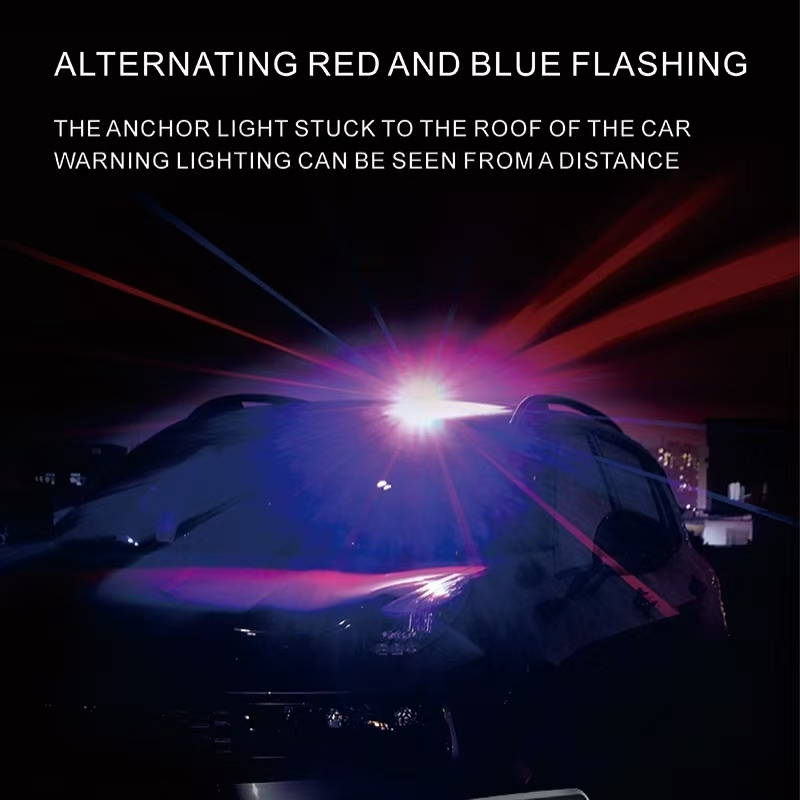
- Strobe Lights: Often used for high-visibility operations, strobe lights create a flashing pattern that is highly visible in all lighting conditions.
Pros and Cons of Different Towing Safety Lights:
| Type of Light | Pros | Cons |
|---|---|---|
| LED Light Bars | High intensity, energy-efficient, long-lasting | Expensive compared to others |
| Surface-Mounted | Easy to install, great for side visibility | Limited to specific placements |
| Strobe Lights | High visibility, attention-grabbing | May not provide enough area lighting for all conditions |
The right type of light depends on the specific needs of the towing operation, such as whether high intensity or side clearance is most important.
Installation and Maintenance of Towing Lights: How Can You Ensure Optimal Functionality?
Ensuring that your towing safety lights are functioning at their best requires proper installation and regular maintenance. A properly installed light not only ensures visibility but also complies with the legal standards. Regular maintenance is essential for ensuring that lights continue to perform as expected throughout their lifespan.
Neglecting to maintain towing lights or improperly installing them could lead to malfunctioning lights, which may result in accidents or legal penalties. Here are a few tips to ensure optimal performance:
Installation Tips:
- Ensure lights are securely mounted and positioned to maximize visibility.
- Follow manufacturer instructions for wiring and electrical connections.
- Use weatherproof lights to withstand harsh outdoor conditions.
Maintenance Best Practices:
- Regularly inspect lights for functionality and replace any broken bulbs or malfunctioning parts.
- Clean lights periodically to remove dirt and debris that can obstruct the light output.
- Perform regular checks to ensure the lights are still aligned and visible from all necessary angles.
Innovative Technologies in Towing Safety Lighting: What Are the Latest Advancements?
The towing safety lighting industry is constantly evolving with new technologies that offer improved functionality, visibility, and efficiency. The latest advancements in lighting technology not only increase safety but also reduce operational costs.
From smart lighting systems that automatically adjust to environmental conditions to energy-efficient LEDs, these innovations are transforming the industry. Incorporating new technologies into towing operations can enhance safety while reducing long-term costs.
The towing safety lighting industry is continually evolving, with new technologies offering improved functionality and safety. Recent innovations include:
- Smart Lighting Systems: These systems use sensors to automatically adjust the brightness of lights based on environmental conditions, ensuring optimal visibility at all times.
- Energy-Efficient LEDs: New LED technology provides brighter lights with less energy consumption, helping to reduce operating costs.
- Integrated Warning Systems: Some lights now come with built-in warning systems that can send alerts to nearby vehicles or control centers about potential hazards.
These advancements not only improve safety but also reduce operational costs and increase efficiency for towing operations.
Case Studies: How Have Tow Companies Improved Safety Through Proper Lighting?
Real-world case studies highlight the effectiveness of proper towing safety lights. For instance, a towing company in California reported a 25% reduction in accidents after upgrading its fleet with high-visibility LED light bars. Similarly, a company in Texas that added strobe lights to their vehicles saw a significant improvement in roadside worker safety during night operations.
These examples show how the right lighting can save lives and reduce the number of roadside accidents, emphasizing the importance of investing in quality towing safety lights.
Frequently Asked Questions About Towing Safety Lights: Common Concerns and Answers
As the demand for better towing safety lights increases, so do the questions from operators and fleet managers. Here are some of the most common questions asked about towing lights, along with clear answers.
What are the requirements for towing safety lights?
- Towing safety lights must comply with regulations set by the NHTSA and FMCSA, ensuring proper color, visibility, and placement to improve safety and avoid accidents.
How can I improve visibility when towing?
- Use high-intensity LED light bars and surface-mounted lights, ensure regular maintenance checks, and consider adding reflective materials to your tow truck.
What types of lights are best for towing?
- LED light bars, surface-mounted LEDs, and strobe lights are ideal for increasing visibility during towing operations.
Are there specific colors required for towing lights?
- Amber is the standard color for warning lights on tow trucks. Other colors may be allowed under specific conditions, but amber remains the primary color for visibility.
What should be considered when installing towing lights?
- Ensure compliance with federal and state regulations, proper placement for visibility, ease of maintenance, and durability against weather conditions.
Conclusion: How Can Proper Towing Safety Lights Protect Your Drivers and Vehicles?
Investing in high-quality towing safety lights is essential for ensuring the safety of drivers and vehicles during roadside operations. By adhering to regulations and utilizing the best lighting options, towing companies can significantly reduce accident rates, improve visibility, and enhance the overall safety of their operations.
If you’re ready to upgrade your towing lights, contact OBO Electronic Tech today to learn more about our high-quality, durable, and reliable lighting solutions designed to keep your operations safe and compliant with regulations.
Field Use Evidence: Wearable Safety Light Core Cluster
Topic cluster: Wearable Safety Light Core Cluster. Buyer readiness: L2 Comparing. This guide should be evaluated as a scenario-based safety-light resource, not only as a product description. The main buying question is whether field workers and safety buyers can stay visible, identifiable, and operational in low-light work / outdoor movement without adding unnecessary weight or workflow friction.
Application Scenario Matrix
| Dimension | Recommended Coverage | Why It Matters |
|---|---|---|
| User type | field workers and safety buyers | The article must match the reader’s real task, not a generic lighting use case. |
| Environment | low-light work / outdoor movement | Reader intent is usually tied to where the light is used and what can go wrong. |
| Risk | poor personal visibility risk | Risk-based explanations are more useful than feature-only product descriptions. |
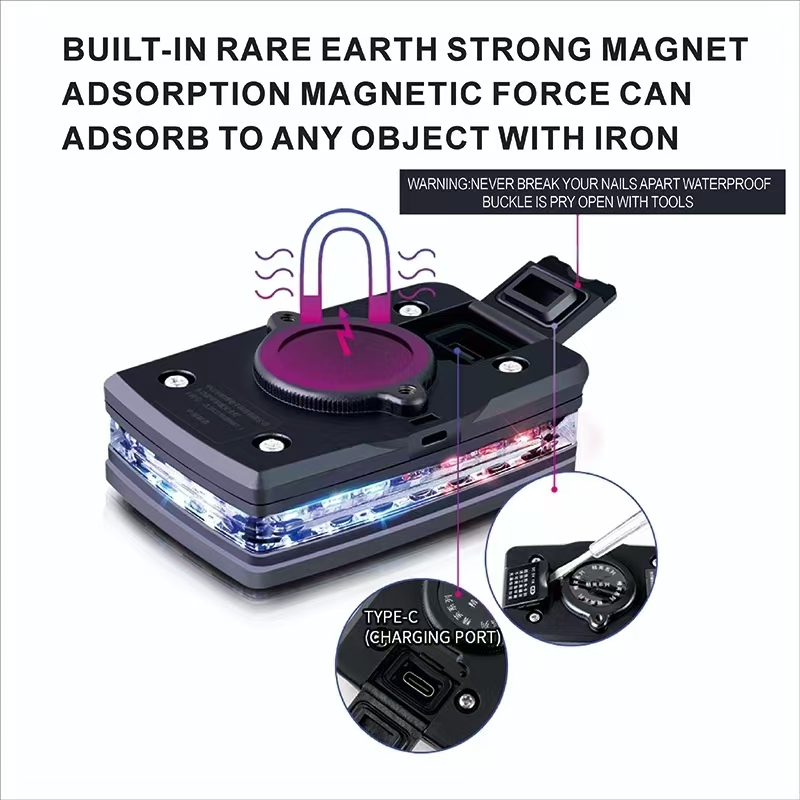
| Mounting method | Magnetic, clip, shoulder, vest, bag, vehicle, or equipment mounting | Mounting decides whether the light works during movement and hands-free tasks. |
| Performance goal | Visibility, runtime, waterproofing, signal clarity, and repeatable daily use | B2B buyers need field reliability, not only brightness claims. |
Risk and Failure Table
| Failure Mode | Likely Cause | How Buyers Should Check |
|---|---|---|
| Poor visibility | Weak LED output, narrow viewing angle, or wrong mounting position | Check real use position, flash modes, and visibility from front/side/back angles. |
| Mounting failure | Weak magnet, poor clip design, or unsuitable clothing/equipment surface | Test the light on uniforms, vests, bags, tools, vehicles, and active movement. |
| Short runtime | Small battery or high-power mode used continuously | Compare runtime by mode, not only the maximum advertised runtime. |
| Water ingress | Low waterproof rating or poor charging-port protection | Confirm IP rating, port design, and post-rain inspection routine. |
| Confusing signal | Too many modes or unclear color policy | Match flash mode and color use with local safety rules or department policy. |
Decision Layer: When This Product Type Is a Good Fit
Wearable Safety Light is a good fit when the user needs active visibility, hands-free operation, and flexible mounting. It is less suitable when the job only needs area illumination, vehicle-mounted warning lights, or certified navigation lighting required by a specific regulation. A strong article should explain these trade-offs clearly because B2B buyers trust content that names limitations.
Quantification & EEAT Checklist
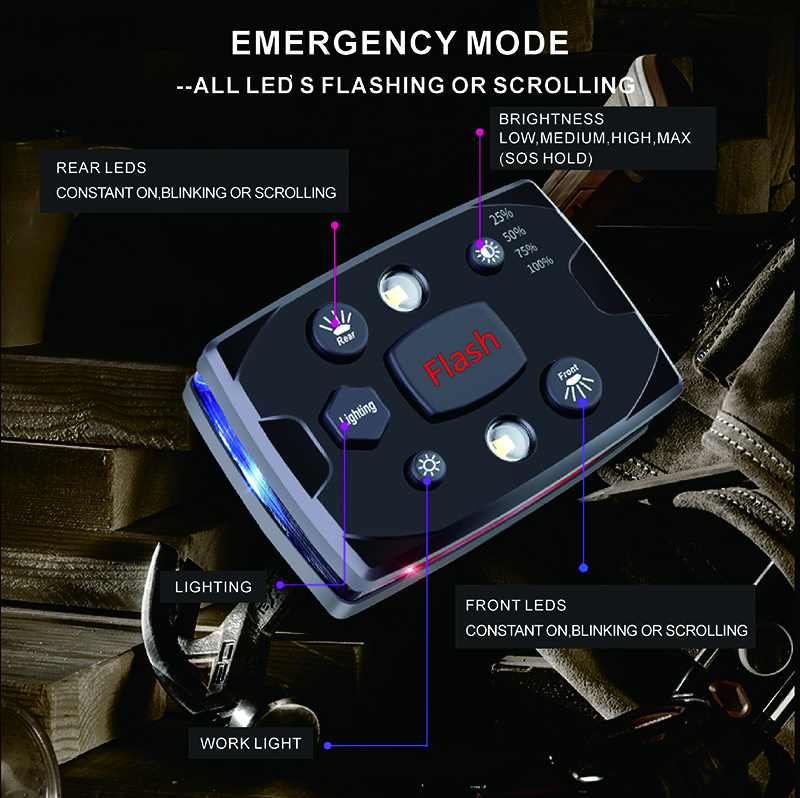
- Include measurable specs where available: IP68 waterproofing, 3-40h runtime range, 106.7g weight, 1550mAh battery capacity, Type-C charging, 1.5h charge time, and 21 LED beads.
- Explain inspection routines: check battery level, mounting stability, lens cleanliness, charging port condition, and mode selection before field use.
- Use practical acceptance criteria: light stays mounted during movement, signal is visible from the required direction, and runtime covers the expected shift or activity.
- Avoid unsupported absolute claims. If a visibility distance or regulation is mentioned, connect it to a verified source or describe it as dependent on environment and configuration.
Entity Coverage
Important entities to include naturally: wearable safety light, magnetic mount, shoulder light, warning light, strobe mode, IP68, Type-C charging, battery runtime, personal visibility, traffic control, rescue team, police patrol, roadside work, outdoor safety, waterproof LED light, and Guardian Angel alternative.
Visual Evidence Suggestions
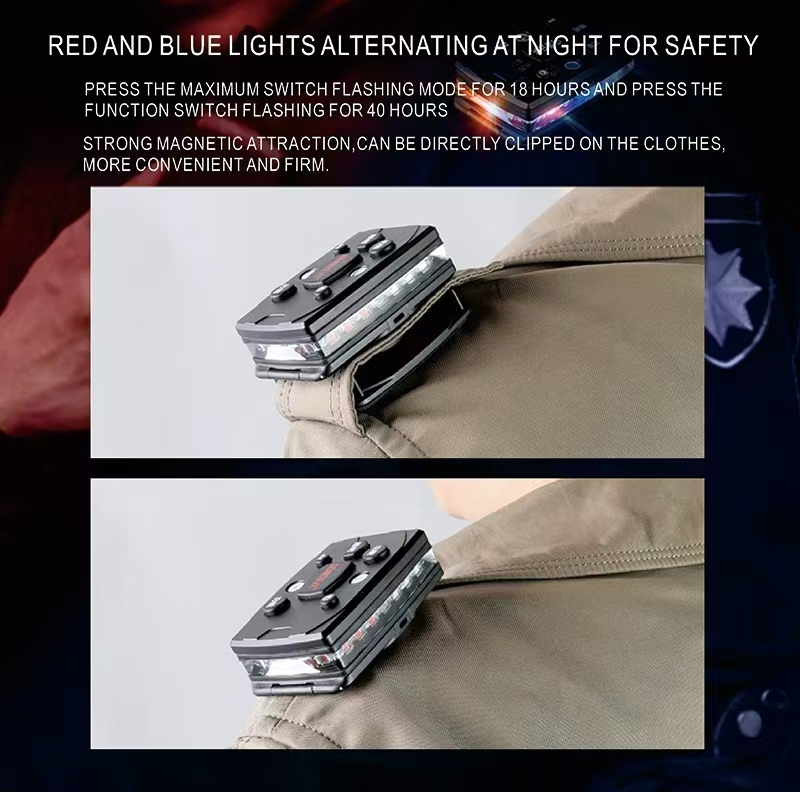
- Show the light mounted on a uniform, vest, backpack, vehicle, or tool surface.
- Add a close-up of magnetic mounting and charging-port protection.
- Use a comparison image or diagram for front/side/back visibility.
- For application articles, add a real scenario image rather than a generic stock photo.
Buyer Questions
What should buyers check before choosing this safety light?
They should check visibility angle, mounting stability, waterproof rating, runtime by mode, weight, charging method, and whether the light fits the actual field scenario.
Is a wearable safety light a replacement for a flashlight?
No. A flashlight illuminates an area, while a wearable safety light makes the person visible. Many professional users need both.
When is a magnetic safety light better than a clip-only light?
Magnetic mounting is better when users need fast attachment to uniforms, metal surfaces, vehicles, bags, or equipment without tools.
How should this article convert readers?
For learning-stage readers, link to related guides. For selecting or RFQ-ready buyers, link to product specifications and invite sample testing, OEM discussion, or procurement review.
Recommended CTA: Review the Guardian ProX wearable safety light for IP68 waterproofing, magnetic mounting, Type-C charging, multi-mode visibility, and OEM/wholesale safety-light projects.
Related internal links: purchase guides, product tutorials, and the OBO safety light blog.
How should buyers validate this light before choosing it?
Buyers should validate the light in the same environment where it will be used: the same mounting position, movement pattern, weather exposure, lighting condition, and expected runtime. For outdoor users and safety buyers, this means checking whether the light stays visible and secure during low-light movement, hands-free visibility, weather exposure, and personal warning needs, rather than judging only by product photos or a short feature list.
What proof makes the recommendation more useful?
The strongest proof is practical field evidence: stable mounting, clear visibility from several angles, waterproof protection, predictable battery life, and a simple inspection routine. Useful specifications include IP68 waterproofing, 3-40h runtime range, 106.7g weight, 1550mAh battery capacity, Type-C charging, and multi-mode LED output. For external context, see NHTSA pedestrian visibility guidance.
What should readers compare before requesting a sample?
| Comparison point | What to check | Why it matters |
|---|---|---|
| Visibility | Front, side, rear, and low-light recognition | Brightness alone does not prove field visibility. |
| Mounting | Magnet, clip, shoulder, vest, bag, vehicle, or tool surface | A light that moves or falls loses its safety value. |
| Runtime | Operating time by mode, not only maximum runtime | Professional users need coverage for the full task. |
| Environment | Rain, dust, snow, road spray, water, or repeated movement | The use environment decides the real product requirement. |
Frequently asked questions
Can this light replace all other safety gear?
No. It improves personal visibility, but professional users may still need reflective clothing, vehicle lights, area lights, or task-specific tools.
What is the safest next step for a buyer?
Request or review a sample, test it in the real mounting position, confirm runtime by mode, and compare it with the actual job environment.
Recommended next step: Review the Guardian ProX wearable safety light, then compare related purchase guides, product tutorials, and the OBO safety light blog.
How Should Towing Operators Judge Whether a Wearable Safety Light Is Roadside-Ready?
A towing safety light is roadside-ready only if it stays visible while the operator is hooking, loading, winching, walking around the casualty vehicle, and standing between traffic glare and recovery lighting. The real test is movement around the truck, not a brightness check in a quiet garage.
Run a short night or dusk drill with the operator wearing normal work clothing, gloves, reflective vest, and rain jacket if possible. Observe from behind a parked vehicle and from the lane-facing side. The light should help outline the person when the operator bends down near chains, reaches into tool compartments, or walks behind the disabled vehicle. It should not fight with the tow truck’s warning system or create glare that distracts the wearer.
| Towing task | What to check | Why it matters |
|---|---|---|
| Hook-up and chain work | Light remains visible when bending and turning | Operators are often below driver sightlines. |
| Winch operation | Mount does not catch on gloves, jacket, or controls | Safety gear must not slow recovery work. |
| Traffic-side walkaround | Signal is visible against headlights and warning lights | Road glare can erase weak personal markers. |
| Rain or cold shift | Switch and battery behavior remain predictable | Breakdowns rarely happen in perfect weather. |
Fleet buyers should request samples and test them with the exact jackets, vests, and routines their operators use. The wearable light is an additional personal marker; it does not replace cones, truck lightbars, reflective apparel, police traffic control, or roadside safety procedures.
Next Step: Compare Field Use, Technical Requirements, and Product Options
This article is part of the OBO wearable safety light knowledge system. Use the links below to continue from problem research to product evaluation and sample ordering.
- Wearable Safety Light Resource Center
- Roadside, Construction, and Utility Safety Light Hub
- Wearable Safety Light Technical Buyer Hub
- Wearable Safety Light Procurement Hub
- Guardian ProX Wearable Safety Light product page
For a practical evaluation, compare visibility angle, mounting stability, control simplicity, battery routine, glare control, and user adoption before a bulk order.