
Quick Answer
Handle objections by listening first, testing real clothing and tasks, fixing glare or mount issues, explaining the safety reason, avoiding privacy confusion, and using short follow-up checks after rollout.
Definition
wearable safety light employee objection handling: Wearable safety light employee objection handling is the process of listening to user concerns, separating real usability problems from misunderstanding, and improving the rule before adoption fails.
Key Takeaways
- Handle objections by listening first, testing real clothing and tasks, fixing glare or mount issues, explaining the safety reason, avoiding privacy confusion, and using short follow-up checks after rollout.
- A good policy tells users when to wear the light, where to mount it, which mode to use, how to return it, and who checks it.
- The policy should support PPE, traffic control, training, and supervision rather than replace them.
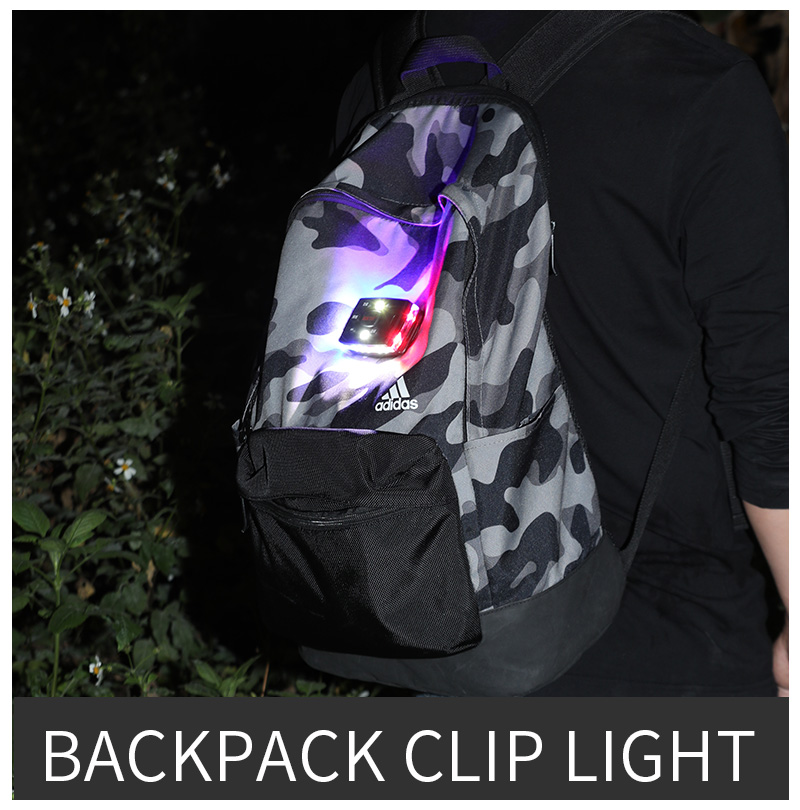
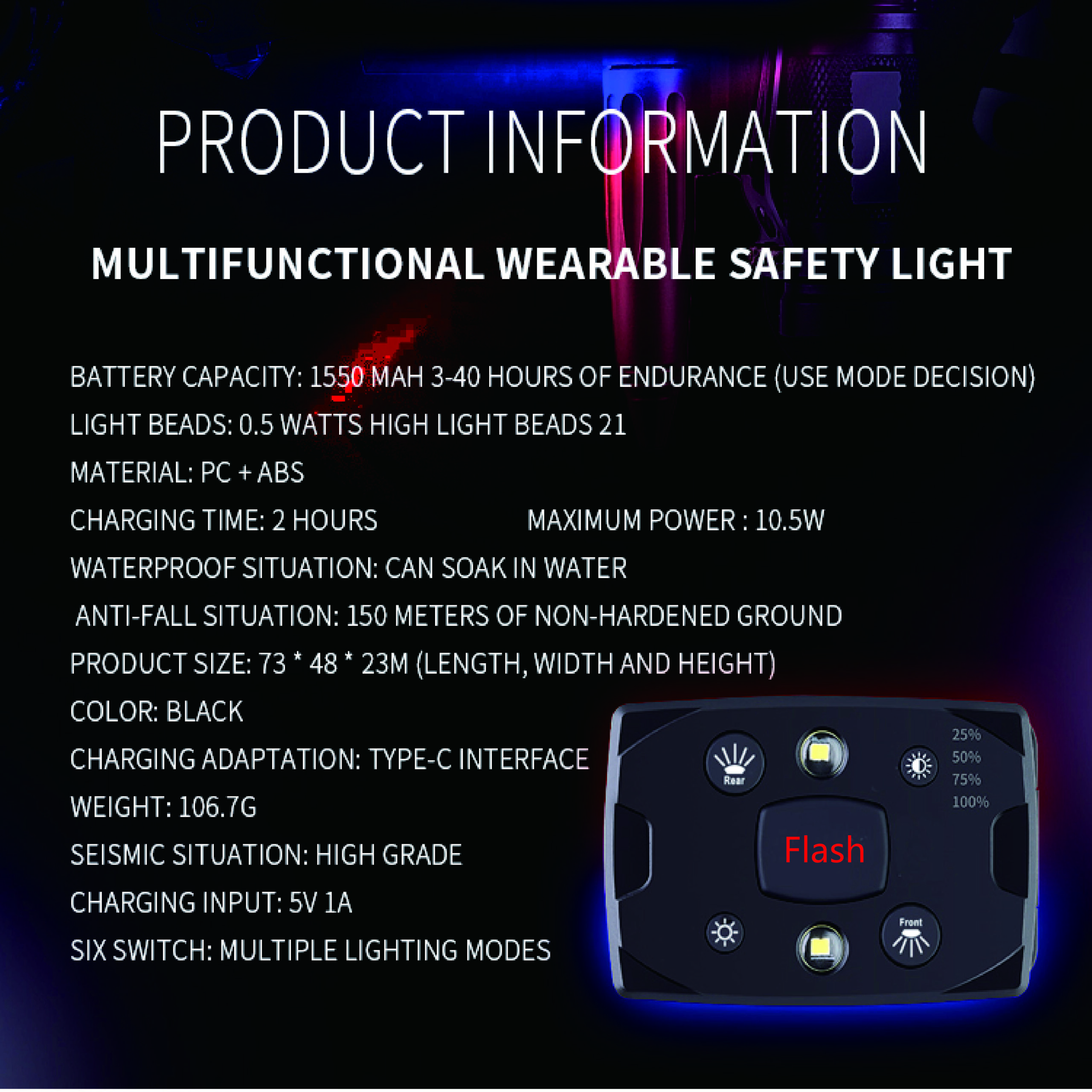
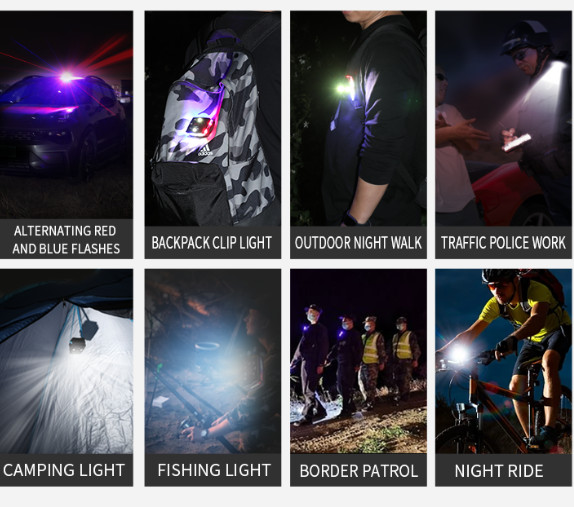
- Guardian ProX should be tested with real clothing, routes, user feedback, and supervisor evidence before a rule is scaled.
Who This Guide Is For
This guide is for supervisors, safety managers, HR-adjacent safety teams, union environments, public works departments, warehouses, and security operators. It is written for teams that already understand the value of active visibility but need a stronger management rule for user acceptance, comfort, glare, privacy worries, and habit formation.
The Management Problem
Workers may resist wearable lights because the device feels uncomfortable, too bright, embarrassing, hard to charge, easy to lose, or like another rule added without listening. The goal is practical: The supervisor wants adoption without blame, eye-rolling, or quiet non-use.
Policy Template Fields
| Field | What to define | How to verify it |
|---|---|---|
| Purpose | The field problem the rule is meant to reduce. | Connect the policy to real work, not to product ownership. |
| Covered users | Employees, supervisors, contractors, visitors, or shared-equipment users. | Avoid vague all-staff language when risk is role-specific. |
| Required condition | When the light is required, optional, adjusted, or not appropriate. | Make the trigger observable. |
| Approved setup | Mount location, default mode, color, brightness, and charging return. | Photograph the approved setup. |
| Supervisor check | How leaders verify correct use in the field. | Observe behavior, not only paperwork. |
| Evidence | What record proves the rule was used and reviewed. | Keep photos, logs, briefings, and corrective actions. |
| Objection type | Comfort, glare, privacy, appearance, charging, snagging, or confusion. | Different objections need different fixes. |
| User test | Try the alternative mount or mode with the worker. | Shows respect and improves adoption. |

Decision Workflow
| Step | Action | Pass standard |
|---|---|---|
| Write | Document the rule in plain language. | A user can explain it without a long meeting. |
| Demonstrate | Show the approved setup with actual gear. | The mount and mode are visible in real work. |
| Verify | Observe real field use. | The rule changes behavior, not just paperwork. |
| Record | Save photos, logs, feedback, and corrective actions. | The program is auditable. |
| Improve | Update the rule after evidence shows friction or failure. | The policy stays useful. |
How to Build the Rule
- Start with the field problem and the user group, not the product feature list.
- Define when the light is required, optional, adjusted, or restricted.
- Test the mount, mode, brightness, and charging routine with actual clothing and work gear.
- Train users with the approved setup and explain the reason in plain language.
- Observe real use and record issues without turning every issue into blame.
- Update the rule after first-week feedback, 30-day adoption review, incidents, or seasonal changes.
Evidence to Keep
| Evidence | What it proves | How to use it |
|---|---|---|
| Risk reason | Why active visibility is needed. | Supports approval and training. |
| Approved setup photo | Where Guardian ProX or another light is worn. | Creates a repeatable standard. |
| Training record | Who learned the rule. | Supports accountability. |
| Field observation | Whether users follow the rule. | Shows adoption. |
| Corrective action | What changed after a failed check. | Closes the loop. |
Common Mistakes to Avoid
- Writing a policy that sounds official but does not tell users what to do during a real shift.
- Letting every supervisor choose different mount, mode, charging, or evidence rules.
- Ignoring glare, color restrictions, signal confusion, privacy concerns, and employee comfort.
- Keeping no photos or field notes that prove the approved setup was tested.
- Treating repeated dead batteries, missing mounts, and non-use as individual mistakes instead of process failures.
- Failing to review the rule after first week use, 30-day adoption, incidents, seasonal gear changes, or annual planning.
Internal Reading Path
Use these related guides to connect this management topic with procurement, training, compliance evidence, supervisor audits, user adoption, and continuous improvement.
- Wearable Safety Light User Adoption Guide
- Wearable Safety Light 30-Day Adoption Review
- Wearable Safety Light User Feedback Survey Guide
- Wearable Safety Light PPE Compatibility Audit
- Wearable Safety Light Corrective Action Log
- Wearable Safety Light Supervisor Coaching Script for Correct Use Without Blame
- Wearable Safety Light Mode Policy: Steady, Flashing, Dim, and High-Visibility Rules
- Wearable Safety Light Night Shift Policy for Crews, Supervisors, and Shared Work Areas
- Wearable Safety Light Procurement Approval Questions for Safety Managers and Buyers
- Wearable Safety Light Insurance and Risk Evidence Guide for Incident Prevention Programs
- Wearable Safety Light Department Standard: How to Write One Rule for Mount, Mode, Charging, and Review

Implementation Checklist
- Name the policy owner and covered user group.
- Write one short rule for mount, mode, charging, inspection, and return.
- Photograph the approved setup with actual clothing and equipment.
- Keep the training, audit, issue, and corrective action records in one folder.
- Ask users what makes the rule difficult before assuming non-compliance is attitude.
- Review the rule after the first week, after 30 days, after incidents, and before reorders.
Make the Rule Easy to Repeat
A strong rule uses plain language, named owners, and observable triggers. If the rule depends on interpretation, different shifts will create different habits. This matters for user acceptance, comfort, glare, privacy worries, and habit formation because Workers may resist wearable lights because the device feels uncomfortable, too bright, embarrassing, hard to charge, easy to lose, or like another rule added without listening.
The practical result should be: The supervisor wants adoption without blame, eye-rolling, or quiet non-use. A wearable safety light policy is strongest when it helps supervisors make the right action obvious during ordinary work.
Connect Policy With Field Evidence
The best policy is built from actual routes, gear, weather, vehicles, user feedback, and supervisor observations rather than assumptions made at a desk. This matters for user acceptance, comfort, glare, privacy worries, and habit formation because Workers may resist wearable lights because the device feels uncomfortable, too bright, embarrassing, hard to charge, easy to lose, or like another rule added without listening.
The practical result should be: The supervisor wants adoption without blame, eye-rolling, or quiet non-use. A wearable safety light policy is strongest when it helps supervisors make the right action obvious during ordinary work.
Protect Adoption
People keep using safety equipment when the purpose is clear and the device does not create avoidable friction such as glare, snagging, discomfort, confusion, or charging hassle. This matters for user acceptance, comfort, glare, privacy worries, and habit formation because Workers may resist wearable lights because the device feels uncomfortable, too bright, embarrassing, hard to charge, easy to lose, or like another rule added without listening.
The practical result should be: The supervisor wants adoption without blame, eye-rolling, or quiet non-use. A wearable safety light policy is strongest when it helps supervisors make the right action obvious during ordinary work.
Separate the Device From the Program
Guardian ProX can be the reference light, but the program also needs mount rules, charging flow, inspection, training, corrective action, and review. This matters for user acceptance, comfort, glare, privacy worries, and habit formation because Workers may resist wearable lights because the device feels uncomfortable, too bright, embarrassing, hard to charge, easy to lose, or like another rule added without listening.
The practical result should be: The supervisor wants adoption without blame, eye-rolling, or quiet non-use. A wearable safety light policy is strongest when it helps supervisors make the right action obvious during ordinary work.
Use Reviews to Improve the Standard
A first-week issue, 30-day adoption gap, near miss, or failed inspection should update the process before the same problem repeats. This matters for user acceptance, comfort, glare, privacy worries, and habit formation because Workers may resist wearable lights because the device feels uncomfortable, too bright, embarrassing, hard to charge, easy to lose, or like another rule added without listening.
The practical result should be: The supervisor wants adoption without blame, eye-rolling, or quiet non-use. A wearable safety light policy is strongest when it helps supervisors make the right action obvious during ordinary work.
Make Procurement Defensible
Approval is easier when the buyer can show the visibility gap, test evidence, user group, cost logic, risk record, and rollout plan. This matters for user acceptance, comfort, glare, privacy worries, and habit formation because Workers may resist wearable lights because the device feels uncomfortable, too bright, embarrassing, hard to charge, easy to lose, or like another rule added without listening.
The practical result should be: The supervisor wants adoption without blame, eye-rolling, or quiet non-use. A wearable safety light policy is strongest when it helps supervisors make the right action obvious during ordinary work.
Make the Rule Easy to Repeat
A strong rule uses plain language, named owners, and observable triggers. If the rule depends on interpretation, different shifts will create different habits. This matters for user acceptance, comfort, glare, privacy worries, and habit formation because Workers may resist wearable lights because the device feels uncomfortable, too bright, embarrassing, hard to charge, easy to lose, or like another rule added without listening.
The practical result should be: The supervisor wants adoption without blame, eye-rolling, or quiet non-use. A wearable safety light policy is strongest when it helps supervisors make the right action obvious during ordinary work.
Connect Policy With Field Evidence
The best policy is built from actual routes, gear, weather, vehicles, user feedback, and supervisor observations rather than assumptions made at a desk. This matters for user acceptance, comfort, glare, privacy worries, and habit formation because Workers may resist wearable lights because the device feels uncomfortable, too bright, embarrassing, hard to charge, easy to lose, or like another rule added without listening.
The practical result should be: The supervisor wants adoption without blame, eye-rolling, or quiet non-use. A wearable safety light policy is strongest when it helps supervisors make the right action obvious during ordinary work.
Protect Adoption
People keep using safety equipment when the purpose is clear and the device does not create avoidable friction such as glare, snagging, discomfort, confusion, or charging hassle. This matters for user acceptance, comfort, glare, privacy worries, and habit formation because Workers may resist wearable lights because the device feels uncomfortable, too bright, embarrassing, hard to charge, easy to lose, or like another rule added without listening.
The practical result should be: The supervisor wants adoption without blame, eye-rolling, or quiet non-use. A wearable safety light policy is strongest when it helps supervisors make the right action obvious during ordinary work.
Separate the Device From the Program
Guardian ProX can be the reference light, but the program also needs mount rules, charging flow, inspection, training, corrective action, and review. This matters for user acceptance, comfort, glare, privacy worries, and habit formation because Workers may resist wearable lights because the device feels uncomfortable, too bright, embarrassing, hard to charge, easy to lose, or like another rule added without listening.
The practical result should be: The supervisor wants adoption without blame, eye-rolling, or quiet non-use. A wearable safety light policy is strongest when it helps supervisors make the right action obvious during ordinary work.
Use Reviews to Improve the Standard
A first-week issue, 30-day adoption gap, near miss, or failed inspection should update the process before the same problem repeats. This matters for user acceptance, comfort, glare, privacy worries, and habit formation because Workers may resist wearable lights because the device feels uncomfortable, too bright, embarrassing, hard to charge, easy to lose, or like another rule added without listening.
The practical result should be: The supervisor wants adoption without blame, eye-rolling, or quiet non-use. A wearable safety light policy is strongest when it helps supervisors make the right action obvious during ordinary work.
Make Procurement Defensible
Approval is easier when the buyer can show the visibility gap, test evidence, user group, cost logic, risk record, and rollout plan. This matters for user acceptance, comfort, glare, privacy worries, and habit formation because Workers may resist wearable lights because the device feels uncomfortable, too bright, embarrassing, hard to charge, easy to lose, or like another rule added without listening.
The practical result should be: The supervisor wants adoption without blame, eye-rolling, or quiet non-use. A wearable safety light policy is strongest when it helps supervisors make the right action obvious during ordinary work.
Make the Rule Easy to Repeat
A strong rule uses plain language, named owners, and observable triggers. If the rule depends on interpretation, different shifts will create different habits. This matters for user acceptance, comfort, glare, privacy worries, and habit formation because Workers may resist wearable lights because the device feels uncomfortable, too bright, embarrassing, hard to charge, easy to lose, or like another rule added without listening.
The practical result should be: The supervisor wants adoption without blame, eye-rolling, or quiet non-use. A wearable safety light policy is strongest when it helps supervisors make the right action obvious during ordinary work.
Connect Policy With Field Evidence
The best policy is built from actual routes, gear, weather, vehicles, user feedback, and supervisor observations rather than assumptions made at a desk. This matters for user acceptance, comfort, glare, privacy worries, and habit formation because Workers may resist wearable lights because the device feels uncomfortable, too bright, embarrassing, hard to charge, easy to lose, or like another rule added without listening.
The practical result should be: The supervisor wants adoption without blame, eye-rolling, or quiet non-use. A wearable safety light policy is strongest when it helps supervisors make the right action obvious during ordinary work.
Protect Adoption
People keep using safety equipment when the purpose is clear and the device does not create avoidable friction such as glare, snagging, discomfort, confusion, or charging hassle. This matters for user acceptance, comfort, glare, privacy worries, and habit formation because Workers may resist wearable lights because the device feels uncomfortable, too bright, embarrassing, hard to charge, easy to lose, or like another rule added without listening.
The practical result should be: The supervisor wants adoption without blame, eye-rolling, or quiet non-use. A wearable safety light policy is strongest when it helps supervisors make the right action obvious during ordinary work.
Separate the Device From the Program
Guardian ProX can be the reference light, but the program also needs mount rules, charging flow, inspection, training, corrective action, and review. This matters for user acceptance, comfort, glare, privacy worries, and habit formation because Workers may resist wearable lights because the device feels uncomfortable, too bright, embarrassing, hard to charge, easy to lose, or like another rule added without listening.
The practical result should be: The supervisor wants adoption without blame, eye-rolling, or quiet non-use. A wearable safety light policy is strongest when it helps supervisors make the right action obvious during ordinary work.
Use Reviews to Improve the Standard
A first-week issue, 30-day adoption gap, near miss, or failed inspection should update the process before the same problem repeats. This matters for user acceptance, comfort, glare, privacy worries, and habit formation because Workers may resist wearable lights because the device feels uncomfortable, too bright, embarrassing, hard to charge, easy to lose, or like another rule added without listening.
The practical result should be: The supervisor wants adoption without blame, eye-rolling, or quiet non-use. A wearable safety light policy is strongest when it helps supervisors make the right action obvious during ordinary work.
FAQ
What is wearable safety light employee objection handling guide: comfort, glare, privacy, and habit?
It is a management guide for turning wearable safety light use into a clear rule, evidence process, or decision framework focused on user acceptance, comfort, glare, privacy worries, and habit formation.
Who should own the rule?
A supervisor, safety manager, department lead, or program owner should own the rule. Shared ownership usually fails unless one person is named for review and correction.
What should the team do first?
Ask users what specifically makes the light difficult during the last real shift.
Does this replace PPE or formal safety controls?
No. A wearable safety light supplements PPE, work-zone controls, training, supervision, traffic control, and local requirements.
How can Guardian ProX support the policy?
Guardian ProX can be used as the reference device while the team tests mount placement, mode choice, charging, user acceptance, records, and corrective actions before scaling the rule.
Recommended Next Step
If your team is writing or improving a wearable safety light rule, test Guardian ProX wearable safety light with one real user group first. Confirm the mount, mode, charging routine, supervisor check, user feedback, and evidence record before expanding the policy.