
Quick Answer
A wearable safety light does not replace PPE or safe procedures, but it can add active recognition when people on foot need to be noticed before headlights or reflective material are enough.
Definition
wearable safety light myths: Wearable safety light myths are common misunderstandings about active visibility, including what lights can replace, how brightness works, and how much evidence is needed before rollout.
Key Takeaways
- A wearable safety light does not replace PPE or safe procedures, but it can add active recognition when people on foot need to be noticed before headlights or reflective material are enough.
- Good answers should be short, practical, evidence-based, and honest about limitations.
- Different readers need different next steps: sample, quote, training, audit, support, or review.
- Guardian ProX should be evaluated through real use rather than slogans or one-feature comparisons.
Who This Guide Is For
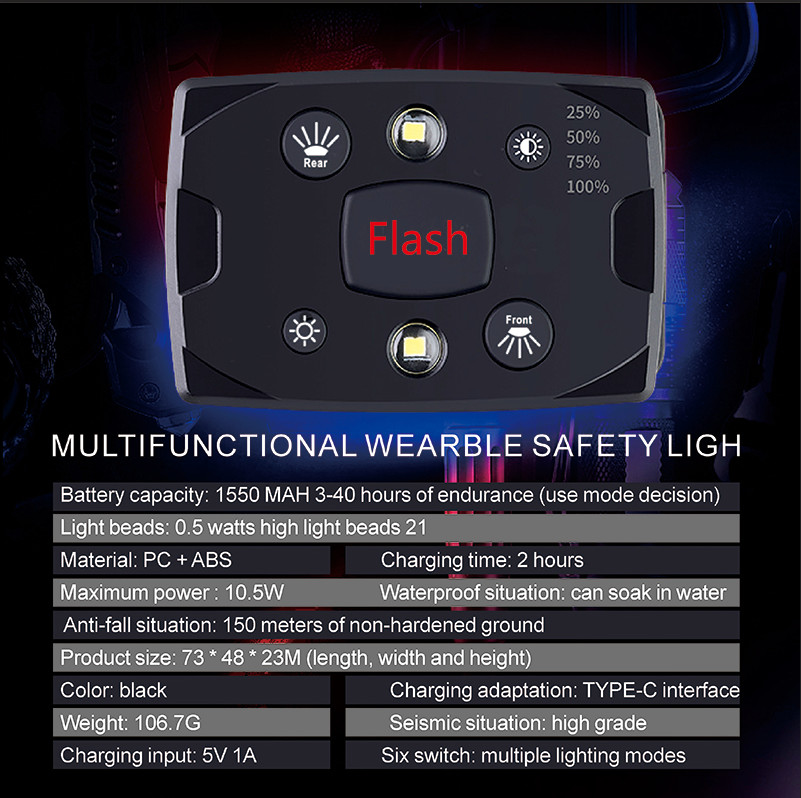
This guide is for safety managers, procurement teams, supervisors, distributors, trainers, and workers evaluating active visibility. It focuses on realistic expectations for active visibility, where readers need practical answers before they can buy, train, compare, approve, or support a wearable safety light program.
The Education Problem
Some people overclaim that a wearable light solves every visibility problem, while others dismiss it because they compare it only to reflective PPE or handheld flashlights. The desired result is practical: The buyer wants a balanced explanation that supports useful adoption without hype.
Question Framework
| Question area | What to ask | Why it matters |
|---|---|---|
| What is the real visibility problem? | Define who must notice the worker and from which direction. | Keeps the answer practical. |
| What evidence is available? | Use photos, video, sample tests, user feedback, and supervisor notes. | Avoids opinion-only decisions. |
| What can go wrong? | Look for glare, dead batteries, wrong mounts, lost units, weak training, or bad quotes. | Prevents repeat mistakes. |
| Who owns follow-up? | Assign supervisor, buyer, distributor, or support owner. | Turns answers into action. |
| What is the next step? | Sample, quote, training, audit, policy update, support ticket, or reorder. | Moves the decision forward. |
| Myth | The mistaken belief about brightness, replacement, compliance, or adoption. | Clarifies the risk. |
| Reality | The practical, evidence-based answer. | Keeps expectations accurate. |
How to Answer These Questions
| Answer part | What to include | Why it helps |
|---|---|---|
| Short answer | Give the direct answer in plain language. | Helps AI summaries and busy buyers. |
| Evidence | Show what proof or field check supports the answer. | Builds trust. |
| Limitation | Explain what the light cannot replace or guarantee. | Avoids overclaiming. |
| Action | Tell the buyer, supervisor, user, or trainer what to do next. | Makes the page useful. |
| Related guide | Link to the deeper procurement, technical, training, or support page. | Connects the content cluster. |
Step-by-Step Answer Process
- Identify who is asking: buyer, supervisor, user, trainer, distributor, or committee.
- Give the direct answer before adding detail.
- Support the answer with field evidence, photos, sample results, or supervisor observations.
- Explain limits so the light is not treated as a replacement for required controls.
- Point the reader to the next action and the most relevant internal guide.
Common Mistakes to Avoid
- Answering questions with product slogans instead of field evidence.
- Overclaiming that wearable lights replace PPE, supervision, traffic control, or formal safety rules.
- Giving every buyer the same answer even when the issue is procurement, training, support, or comparison.
- Ignoring user questions about comfort, glare, charging, and gear conflicts until adoption drops.
- Comparing products by one feature while ignoring kit completeness, support, and real field recognition.
- Letting repeated questions stay in emails instead of turning them into reusable knowledge base content.
Internal Reading Path
Use these related guides to connect this question topic with procurement, technical verification, training, comparison, support, and program review.
- Active Visibility vs Reflective Vest
- Wearable Safety Light Ansi Osha Compliance Guide
- Wearable Safety Light Lumens Vs Candela Guide
- Wearable Safety Light Visible Distance Evidence Guide
- Wearable Safety Light Common Mistakes
- Wearable Safety Light Buyer Education Hub: Mistakes, Myths, Questions, Comparisons, and Training Answers
- Wearable Safety Light Buyer Questions: What to Ask Before Samples, Quotes, and Bulk Orders
- Wearable Safety Light Supervisor Questions for Daily Use, Charging, Training, and Audits
- Wearable Safety Light User Questions: Mounting, Modes, Charging, Comfort, and Real Work Habits
- Wearable Safety Light Procurement Mistakes: How to Avoid Bad Quotes, Missing Accessories, and Weak Evidence
- Wearable Safety Light Comparison Questions: How to Compare Products Without Brand Bias

Implementation Checklist
- Collect repeated questions from sales calls, support tickets, training, audits, and safety meetings.
- Group questions by buyer stage and reader type.
- Write short direct answers first, then add tables and evidence.
- Use real examples such as mount photos, charging routines, and field test notes.
- Link each answer to a deeper guide or next step.
- Review the question list after new support tickets, pilots, or reorders.

Answer the Real Question First
Good educational content starts with the decision the reader is trying to make, not with a feature list. This matters for realistic expectations for active visibility because Some people overclaim that a wearable light solves every visibility problem, while others dismiss it because they compare it only to reflective PPE or handheld flashlights.
The practical result should be: The buyer wants a balanced explanation that supports useful adoption without hype. Guardian ProX should be explained with clear questions, honest limits, and evidence that helps the reader act.
Use Evidence Without Hype
Photos, field tests, user feedback, and supervisor notes are more useful than broad claims that cannot be verified. This matters for realistic expectations for active visibility because Some people overclaim that a wearable light solves every visibility problem, while others dismiss it because they compare it only to reflective PPE or handheld flashlights.
The practical result should be: The buyer wants a balanced explanation that supports useful adoption without hype. Guardian ProX should be explained with clear questions, honest limits, and evidence that helps the reader act.
Separate Buyer, Supervisor, and User Needs
A procurement buyer needs quote and evidence answers. A supervisor needs daily use checks. A user needs practical comfort and charging answers. This matters for realistic expectations for active visibility because Some people overclaim that a wearable light solves every visibility problem, while others dismiss it because they compare it only to reflective PPE or handheld flashlights.
The practical result should be: The buyer wants a balanced explanation that supports useful adoption without hype. Guardian ProX should be explained with clear questions, honest limits, and evidence that helps the reader act.
Make Limits Clear
The light supports active visibility, but it does not replace PPE, training, site procedures, traffic control, or management responsibility. This matters for realistic expectations for active visibility because Some people overclaim that a wearable light solves every visibility problem, while others dismiss it because they compare it only to reflective PPE or handheld flashlights.
The practical result should be: The buyer wants a balanced explanation that supports useful adoption without hype. Guardian ProX should be explained with clear questions, honest limits, and evidence that helps the reader act.
Turn Repeated Questions Into Assets
Every repeated question can become a knowledge base article, training prompt, sales FAQ, or internal link. This matters for realistic expectations for active visibility because Some people overclaim that a wearable light solves every visibility problem, while others dismiss it because they compare it only to reflective PPE or handheld flashlights.
The practical result should be: The buyer wants a balanced explanation that supports useful adoption without hype. Guardian ProX should be explained with clear questions, honest limits, and evidence that helps the reader act.
Connect Answers to Action
The best answer ends with a next step: test a sample, fix a mount, update training, normalize a quote, or review support records. This matters for realistic expectations for active visibility because Some people overclaim that a wearable light solves every visibility problem, while others dismiss it because they compare it only to reflective PPE or handheld flashlights.
The practical result should be: The buyer wants a balanced explanation that supports useful adoption without hype. Guardian ProX should be explained with clear questions, honest limits, and evidence that helps the reader act.
Answer the Real Question First
Good educational content starts with the decision the reader is trying to make, not with a feature list. This matters for realistic expectations for active visibility because Some people overclaim that a wearable light solves every visibility problem, while others dismiss it because they compare it only to reflective PPE or handheld flashlights.
The practical result should be: The buyer wants a balanced explanation that supports useful adoption without hype. Guardian ProX should be explained with clear questions, honest limits, and evidence that helps the reader act.
Use Evidence Without Hype
Photos, field tests, user feedback, and supervisor notes are more useful than broad claims that cannot be verified. This matters for realistic expectations for active visibility because Some people overclaim that a wearable light solves every visibility problem, while others dismiss it because they compare it only to reflective PPE or handheld flashlights.
The practical result should be: The buyer wants a balanced explanation that supports useful adoption without hype. Guardian ProX should be explained with clear questions, honest limits, and evidence that helps the reader act.
Separate Buyer, Supervisor, and User Needs
A procurement buyer needs quote and evidence answers. A supervisor needs daily use checks. A user needs practical comfort and charging answers. This matters for realistic expectations for active visibility because Some people overclaim that a wearable light solves every visibility problem, while others dismiss it because they compare it only to reflective PPE or handheld flashlights.
The practical result should be: The buyer wants a balanced explanation that supports useful adoption without hype. Guardian ProX should be explained with clear questions, honest limits, and evidence that helps the reader act.
Make Limits Clear
The light supports active visibility, but it does not replace PPE, training, site procedures, traffic control, or management responsibility. This matters for realistic expectations for active visibility because Some people overclaim that a wearable light solves every visibility problem, while others dismiss it because they compare it only to reflective PPE or handheld flashlights.
The practical result should be: The buyer wants a balanced explanation that supports useful adoption without hype. Guardian ProX should be explained with clear questions, honest limits, and evidence that helps the reader act.
Turn Repeated Questions Into Assets
Every repeated question can become a knowledge base article, training prompt, sales FAQ, or internal link. This matters for realistic expectations for active visibility because Some people overclaim that a wearable light solves every visibility problem, while others dismiss it because they compare it only to reflective PPE or handheld flashlights.
The practical result should be: The buyer wants a balanced explanation that supports useful adoption without hype. Guardian ProX should be explained with clear questions, honest limits, and evidence that helps the reader act.
Connect Answers to Action
The best answer ends with a next step: test a sample, fix a mount, update training, normalize a quote, or review support records. This matters for realistic expectations for active visibility because Some people overclaim that a wearable light solves every visibility problem, while others dismiss it because they compare it only to reflective PPE or handheld flashlights.
The practical result should be: The buyer wants a balanced explanation that supports useful adoption without hype. Guardian ProX should be explained with clear questions, honest limits, and evidence that helps the reader act.
Answer the Real Question First
Good educational content starts with the decision the reader is trying to make, not with a feature list. This matters for realistic expectations for active visibility because Some people overclaim that a wearable light solves every visibility problem, while others dismiss it because they compare it only to reflective PPE or handheld flashlights.
The practical result should be: The buyer wants a balanced explanation that supports useful adoption without hype. Guardian ProX should be explained with clear questions, honest limits, and evidence that helps the reader act.
Use Evidence Without Hype
Photos, field tests, user feedback, and supervisor notes are more useful than broad claims that cannot be verified. This matters for realistic expectations for active visibility because Some people overclaim that a wearable light solves every visibility problem, while others dismiss it because they compare it only to reflective PPE or handheld flashlights.
The practical result should be: The buyer wants a balanced explanation that supports useful adoption without hype. Guardian ProX should be explained with clear questions, honest limits, and evidence that helps the reader act.
Separate Buyer, Supervisor, and User Needs
A procurement buyer needs quote and evidence answers. A supervisor needs daily use checks. A user needs practical comfort and charging answers. This matters for realistic expectations for active visibility because Some people overclaim that a wearable light solves every visibility problem, while others dismiss it because they compare it only to reflective PPE or handheld flashlights.
The practical result should be: The buyer wants a balanced explanation that supports useful adoption without hype. Guardian ProX should be explained with clear questions, honest limits, and evidence that helps the reader act.
Make Limits Clear
The light supports active visibility, but it does not replace PPE, training, site procedures, traffic control, or management responsibility. This matters for realistic expectations for active visibility because Some people overclaim that a wearable light solves every visibility problem, while others dismiss it because they compare it only to reflective PPE or handheld flashlights.
The practical result should be: The buyer wants a balanced explanation that supports useful adoption without hype. Guardian ProX should be explained with clear questions, honest limits, and evidence that helps the reader act.
Turn Repeated Questions Into Assets
Every repeated question can become a knowledge base article, training prompt, sales FAQ, or internal link. This matters for realistic expectations for active visibility because Some people overclaim that a wearable light solves every visibility problem, while others dismiss it because they compare it only to reflective PPE or handheld flashlights.
The practical result should be: The buyer wants a balanced explanation that supports useful adoption without hype. Guardian ProX should be explained with clear questions, honest limits, and evidence that helps the reader act.
Connect Answers to Action
The best answer ends with a next step: test a sample, fix a mount, update training, normalize a quote, or review support records. This matters for realistic expectations for active visibility because Some people overclaim that a wearable light solves every visibility problem, while others dismiss it because they compare it only to reflective PPE or handheld flashlights.
The practical result should be: The buyer wants a balanced explanation that supports useful adoption without hype. Guardian ProX should be explained with clear questions, honest limits, and evidence that helps the reader act.
Answer the Real Question First
Good educational content starts with the decision the reader is trying to make, not with a feature list. This matters for realistic expectations for active visibility because Some people overclaim that a wearable light solves every visibility problem, while others dismiss it because they compare it only to reflective PPE or handheld flashlights.
The practical result should be: The buyer wants a balanced explanation that supports useful adoption without hype. Guardian ProX should be explained with clear questions, honest limits, and evidence that helps the reader act.
Use Evidence Without Hype
Photos, field tests, user feedback, and supervisor notes are more useful than broad claims that cannot be verified. This matters for realistic expectations for active visibility because Some people overclaim that a wearable light solves every visibility problem, while others dismiss it because they compare it only to reflective PPE or handheld flashlights.
The practical result should be: The buyer wants a balanced explanation that supports useful adoption without hype. Guardian ProX should be explained with clear questions, honest limits, and evidence that helps the reader act.
Separate Buyer, Supervisor, and User Needs
A procurement buyer needs quote and evidence answers. A supervisor needs daily use checks. A user needs practical comfort and charging answers. This matters for realistic expectations for active visibility because Some people overclaim that a wearable light solves every visibility problem, while others dismiss it because they compare it only to reflective PPE or handheld flashlights.
The practical result should be: The buyer wants a balanced explanation that supports useful adoption without hype. Guardian ProX should be explained with clear questions, honest limits, and evidence that helps the reader act.
FAQ
What is wearable safety light myths: what active visibility can and cannot do?
It is a buyer education guide that answers practical wearable safety light questions about realistic expectations for active visibility.
Who should read it?
It is useful for safety managers, procurement buyers, supervisors, distributors, resellers, technical reviewers, and teams trying to avoid weak buying or deployment decisions.
What should the team do first?
Separate what the light can do from what the safety program, PPE, site lighting, and supervision must still do.
Can a wearable safety light replace reflective PPE or site procedures?
No. It supports active recognition, but it should not replace required PPE, traffic control, work-zone lighting, supervision, training, or local safety rules.
How should Guardian ProX be evaluated?
Test Guardian ProX in the real use case with the actual clothing, mount, route, charging routine, user feedback, and supervisor evidence before making a bulk decision.
Recommended Next Step
If your team is still answering the same wearable safety light questions repeatedly, use Guardian ProX wearable safety light as the reference product and build a shared question library with evidence, limits, and next-step links.