
Quick Answer
EMS Stretcher Loading Light Test helps emergency and rescue teams evaluate where a wearable safety light improves person-level recognition during real field movement. The key is to test visibility, mounting, battery routine, glove operation, color discipline, and whether responders will actually keep the device in service.
Definition
EMS Stretcher Loading Light Test An EMS stretcher loading light test checks whether a wearable safety light remains visible and useful while providers move, lift, guide, and load a patient into an ambulance.
Key Takeaways
- The test must include movement, lifting posture, rear-door glare, and patient-care tasks.
- A wearable light should mark the EMS provider without shining into the patient or teammate's eyes.
- Training should define when to activate the light before moving into traffic-side work.
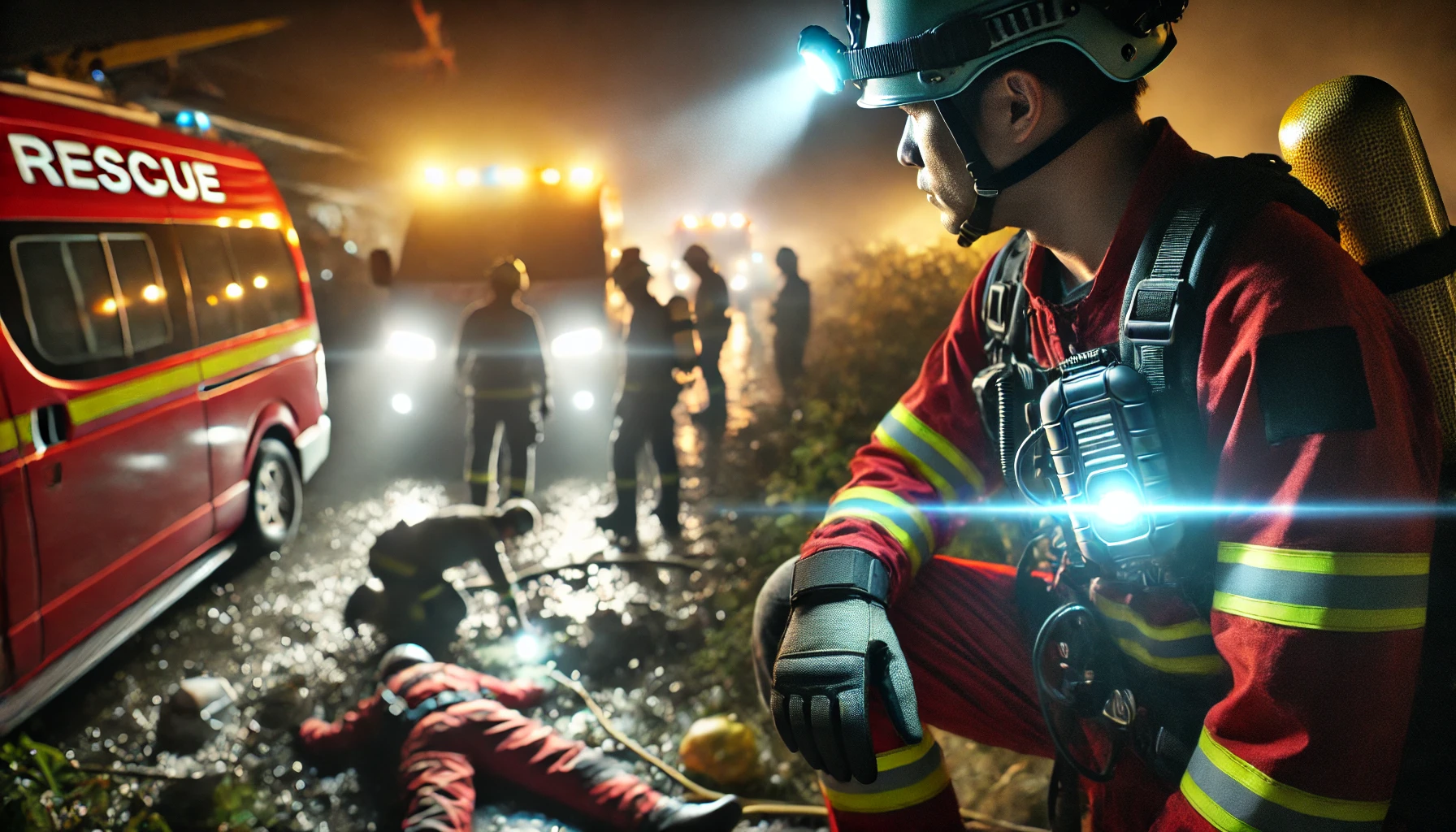
Who This Guide Is For
This guide is for EMS crews, ambulance operators, training officers, and medical transport supervisors. It is especially useful when a team needs to choose a EMS stretcher loading safety light through field evidence rather than advertising claims.
The Real Visibility Problem
The most dangerous visibility moments for EMS often happen during movement, when hands are occupied and providers cannot keep repositioning handheld lights. The practical question is not whether the scene is bright. The practical question is whether a specific person can be recognized quickly enough by teammates, drivers, command staff, or the public.
That is why person-level marking matters. A wearable safety light can make the responder’s body position and movement easier to read while keeping both hands available for patient care, rescue work, hose handling, equipment movement, or command tasks.
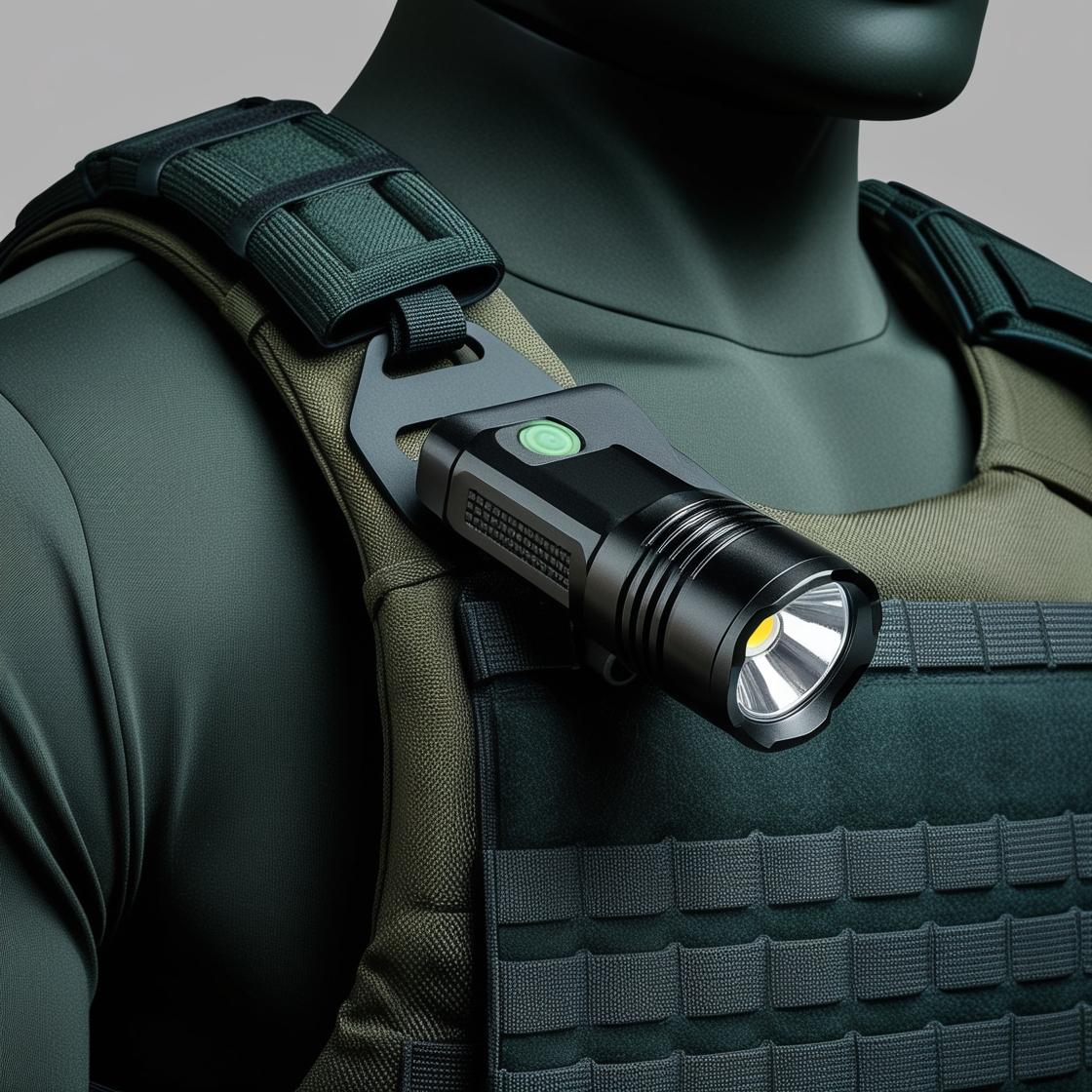
Use Scenario to Test
The article should be tested against stretcher loading, ambulance rear-door work, roadside patient movement, hospital bay transfer, rain, and night shift calls. A field test should include standing still, walking, turning, bending, carrying gear, approaching vehicles, working around glare, and returning equipment after the shift.
| Scene moment | Visibility challenge | What to check |
|---|---|---|
| Arrival | Responders move through vehicle glare and staging confusion | Can each person be identified from command and traffic-side angles? |
| Active work | Hands are occupied and bodies turn away from observers | Does the light remain visible during natural movement? |
| Low weather | Rain, fog, smoke, or dust reduces contrast | Does the mode help recognition without creating glare? |
| Demobilization | Fatigue and equipment return create missed charging steps | Is the device stored and charged for the next call? |
Technical Details That Matter
The main technical concerns are hands-free marking, rear ambulance glare, wet-hand control, stretcher-side visibility, battery readiness, and mount retention. Brightness matters, but it is not the only buying factor. A light that is bright but blocked, uncomfortable, dead, confusing, or incompatible with gear will not solve the real field problem.
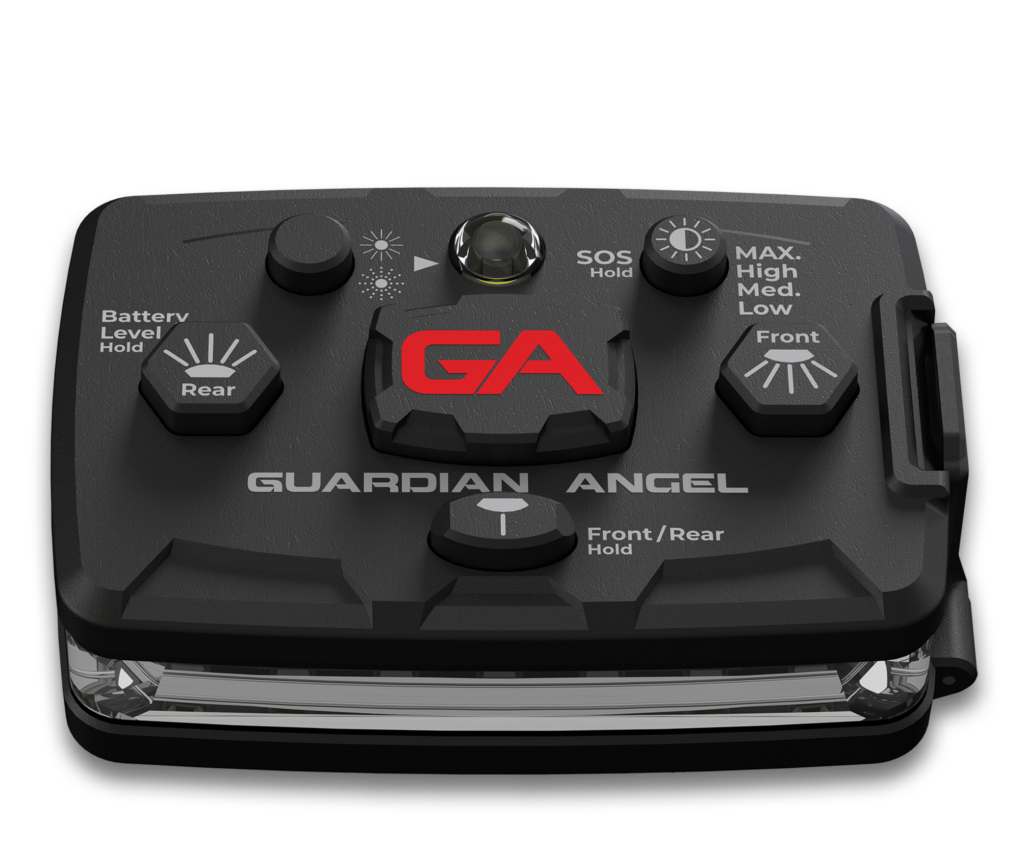
Field-Test Checklist
- Observe the wearer from front, rear, side, and 45-degree angles.
- Use actual uniforms, PPE, turnout gear, vests, rain shells, packs, or radio setups.
- Test controls with gloves, wet hands, low light, and time pressure.
- Confirm that the light does not interfere with patient care, rescue tools, cameras, radios, straps, or reflective panels.
- Track battery status before and after each shift or drill.
- Ask users whether they would keep wearing the light after the trial period.
Field Conditions That Change the Result
Real scenes are not product demonstrations. The result changes when users turn sideways, wear rain gear, bend over a patient, step behind apparatus, carry equipment, or work beside bright emergency lights. A EMS stretcher loading safety light should be tested while users move naturally through stretcher loading, ambulance rear-door work, roadside patient movement, hospital bay transfer, rain, and night shift calls.
The observer should stand where risk or confusion comes from. That may be driver height near traffic, the command post, a teammate’s approach path, the back of an ambulance, or the edge of a staging zone. If the wearer is only visible from one perfect angle, the placement is not ready for deployment.
Seven-Day Sample Trial
A practical trial can run for one week. Day one is setup and placement photos. Day two checks normal movement. Day three tests gloves, rain gear, jackets, vests, packs, or turnout gear. Day four checks visibility around vehicles and glare. Day five records charging and storage behavior. Day six collects user feedback. Day seven compares scores and decides whether to approve, retest, compare another sample, or reject the setup.
Failure Modes to Watch
| Failure mode | What it looks like | How to correct it |
|---|---|---|
| Blocked lens | Vest, strap, jacket, radio, pack, or gear covers the light | Move the light higher, outward, or to a more stable mount point |
| Mode confusion | Users choose a distracting mode or forget the approved setting | Train one default mode for routine use and one exception mode |
| Battery failure | The light is issued but not charged when needed | Create a charging station and assign ownership |
| Glare or distraction | The light reflects into eyes, glass, rain, or patient-care areas | Change angle, brightness, or placement |
Buyer Questions Before Rollout
- Can the supplier provide samples before bulk purchase?
- Can the light mount on the real gear used by the team?
- Can responders operate it with gloves, wet hands, or time pressure?
- Does the device stay visible during natural movement?
- Can the department manage charging, storage, and replacements?
- Does the light support existing procedures rather than competing with them?
How Guardian ProX Fits This Use Case
Guardian ProX can be used as a sample device for this field test. The team should place it on real gear, run the checklist above, and compare whether it improves recognition without adding friction. If the device stays visible, stays charged, and fits the team’s routine, it becomes a practical candidate for wider deployment.
Related Guides
- Rescue Wearable Light by Role
- Emergency Scene Vehicle Lights Not Enough
- Rescue Wearable Light by Role
- EMS Safety Light Beside Traffic
- Firefighter Safety Light Exterior Operations
- Disaster Rescue Lighting System
- Guardian ProX Wearable Safety Light
- Law Enforcement Wearable Safety Lights Guide
- Crash Scene Officer Safety Light
- Rainy Roadside Waterproof Safety Light
- Roadside Worker Safety Light Checklist
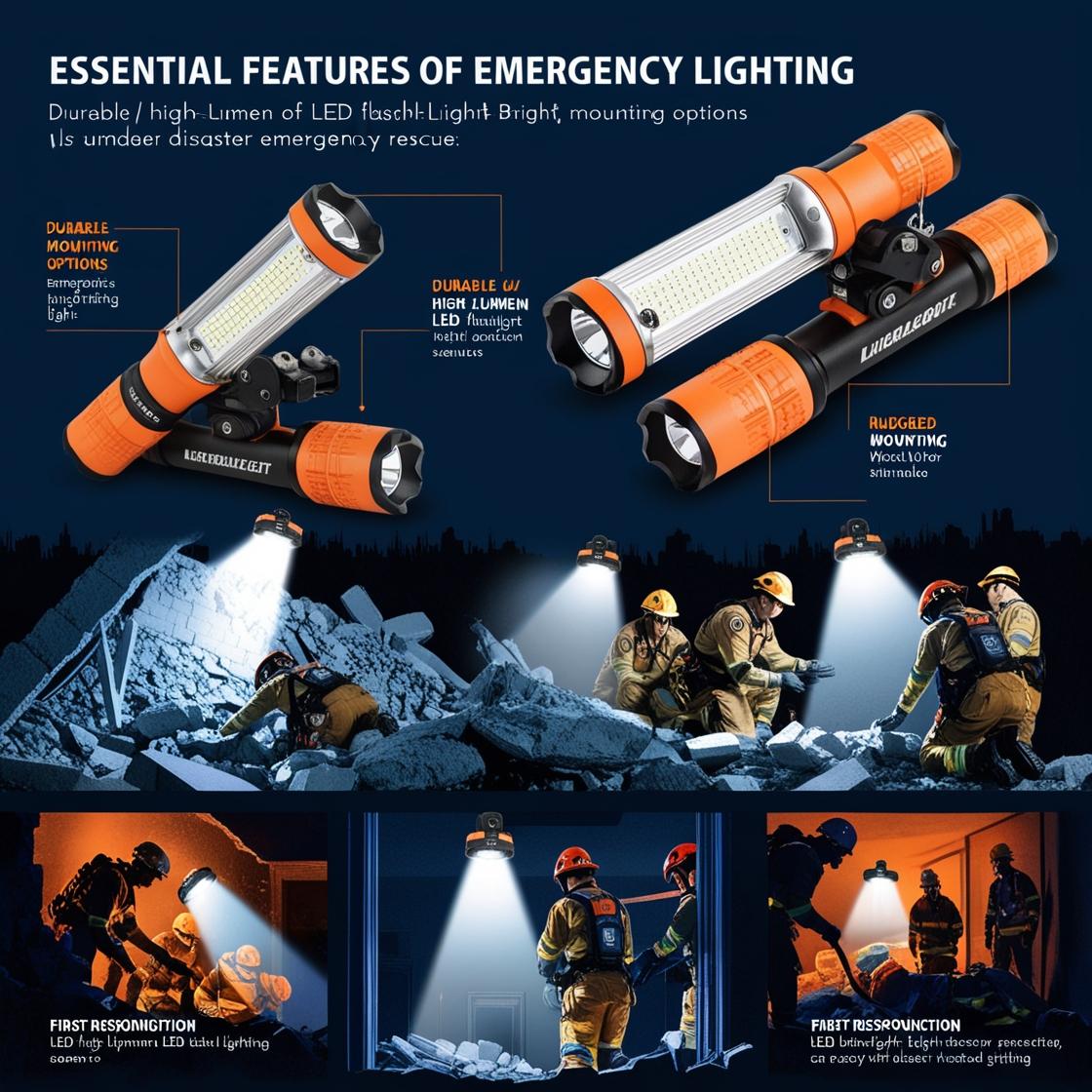
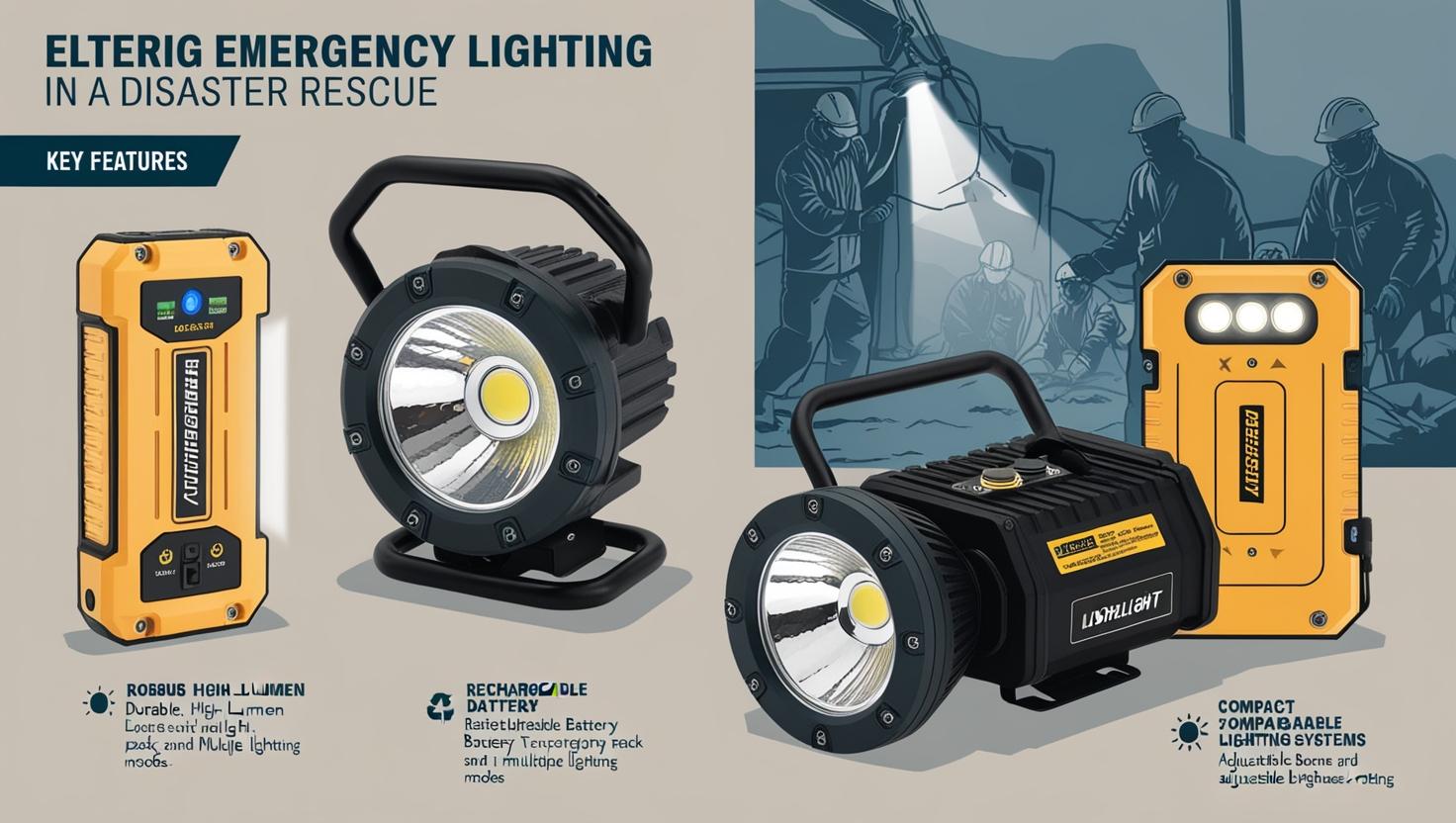
Additional Visual Evidence
FAQ
What problem does EMS Stretcher Loading Light Test solve?
It helps teams evaluate how a EMS stretcher loading safety light can make individual responders easier to identify during stretcher loading, ambulance rear-door work, roadside patient movement, hospital bay transfer, rain, and night shift calls.
Can wearable lights replace vehicle lights or reflective gear?
No. Wearable safety lights should supplement apparatus lights, ambulance lights, reflective PPE, traffic control, radios, training, and situational awareness.
What should a team test before buying in quantity?
The team should test hands-free marking, rear ambulance glare, wet-hand control, stretcher-side visibility, battery readiness, and mount retention, plus real movement, charging discipline, user comfort, and supervisor confidence.
Why use Guardian ProX as a sample device?
Guardian ProX can be used as a practical sample for checking mounting, active visibility, charging routine, and field adoption before a wider rollout.
Operational Decision Framework
A strong emergency visibility article should help the reader make an operational decision. The question is not simply whether a light is bright. The question is whether the device improves recognition during the exact movement, stress, weather, gear load, and communication pattern of the role. For EMS Stretcher Loading Light Test, the team should judge the light as part of a wider scene safety system.
Start with the moment where visibility breaks down. Is the responder hidden by vehicle glare? Does reflective gear disappear when the person turns sideways? Does a backpack, radio, turnout coat, rain shell, or vest cover the lens? Does the light help command identify people, or does it create another confusing signal? Those questions turn a general product idea into a practical trial.
Responder Viewpoint vs Observer Viewpoint
Users often judge equipment by comfort and convenience. Observers judge whether the person is easier to identify. Both views matter. A device that is visible but uncomfortable will not be worn consistently. A device that is comfortable but hidden by straps will not solve the visibility problem. The trial should include both user feedback and observer notes.
| Viewpoint | Question to ask | Good result |
|---|---|---|
| Responder | Can I wear this through normal work without distraction? | The device stays comfortable and does not interfere with tasks |
| Supervisor | Can I identify the responder from realistic angles? | The wearer is easier to recognize during movement |
| Procurement | Can we support this after purchase? | Mounts, chargers, samples, and replacements are manageable |
| Training officer | Can the rule be taught quickly? | Placement and activation are simple enough for routine use |
Scene Walkthrough Test
Run a short walkthrough before approving a larger purchase. Put the device on the same gear used in the field. Walk from staging to the work area. Turn around vehicles. Bend, lift, kneel, carry a bag, and communicate with teammates. Then repeat the test in lower light or rain if that is part of the real use case.
The observer should record where recognition improves and where it fails. If the light disappears behind a strap, move it and repeat the same movement. If glare becomes distracting, change the angle or mode. If the light helps only during the first five minutes but is forgotten after the call, the charging and activation routine needs improvement.
Procurement and Training Notes
- Buy samples before approving a full team rollout.
- Include spare clips, mounts, and charging cables in the budget.
- Choose one default placement and one backup placement for each role.
- Train the approved mode so users do not improvise confusing signals.
- Keep the charging station visible, labeled, and easy to inspect.
- Review failures after drills or near-miss reports and update the placement rule.
When This Setup Is Not Ready
The setup is not ready if users remove the light repeatedly, if the lens is blocked during normal movement, if the charging process is unclear, or if the chosen color creates confusion with other scene signals. It is better to retest placement than to force a rollout that responders quietly stop using.
Related Emergency Visibility Guides
- Rescue Wearable Light by Role
- EMS Safety Light Beside Traffic
- Firefighter Safety Light Exterior Operations
- Disaster Rescue Lighting System
- Search and Rescue Beacon Placement
- Fire Department Procurement Checklist
- Guardian ProX Wearable Safety Light
- Crash Scene Officer Safety Light
- DOT Wearable Light Sample Evaluation
- Roadside Worker Safety Light Checklist
Example Field Notes for EMS Stretcher Loading Light Test
A useful article should leave the reader with a test they can run. During a drill or controlled shift, assign one person to wear the light and one person to observe. The observer should stand at the approach angle where recognition matters most, such as the traffic lane, command post, ambulance rear doors, staging area, or search team return route. The wearer should then perform normal tasks instead of posing for a product photo.
Write down three simple observations: when the light helped, when it disappeared, and whether the user kept it on without reminders. These notes are more valuable than a general opinion because they show exactly where the setup fits the real job.
Acceptance Checklist
| Acceptance area | Pass requirement | Reason it matters |
|---|---|---|
| Recognition | The responder is easier to identify from realistic approach angles | The purpose is person-level visibility, not decoration |
| Gear fit | The light avoids straps, radios, reflective panels, packs, and tools | Blocked or unstable placement defeats the purchase |
| Routine | Users know when to activate, charge, store, and report problems | Emergency gear must be ready before the call starts |
| Comfort | The device stays on through movement without constant adjustment | Uncomfortable gear usually disappears after the first trial |
| Support | Replacement clips, mounts, cables, and samples are available | Small accessory failures can stop an otherwise useful program |
Training Script for Supervisors
Supervisors can keep the training short. Explain the approved mounting point, the default mode, the charging location, and the reason the team is using personal marking. Show one good placement and one bad placement. Then let the user walk, bend, reach, carry gear, and return the device to charge. If the setup fails during this basic movement, fix it before the next drill.
The message should be practical: this light is not a replacement for command discipline, reflective gear, apparatus lighting, traffic control, radios, or situational awareness. It is another layer that helps people recognize the responder earlier during confusing low-light work.
Buyer Summary
Buyers should approve a wearable safety light only when it can be seen, worn, charged, supported, and taught. If any of those five conditions fail, the team should retest placement or compare another sample. If all five conditions pass, the organization has evidence that the device can support safer daily operations instead of becoming unused equipment.
Final Approval Review for EMS Stretcher Loading Light Test
For final approval, the team should hold one short review after the trial. Ask whether the device made the responder easier to recognize, whether the user kept wearing it without reminders, whether charging was completed, and whether any gear conflict appeared. If the answer is unclear, run the same test again with adjusted placement instead of guessing from a desk review.
This review step is what turns a wearable light from a product purchase into an operating routine. The device is only valuable if the team can place it correctly, keep it charged, train it quickly, and support it with replacement parts after the first deployment.
Final Field Note
For EMS Stretcher Loading Light Test, the final check should happen after the user has completed normal movement, returned the device, and confirmed charging. This small end-of-shift review catches practical problems that are easy to miss during a short demonstration, including blocked placement, forgotten activation, weak mount retention, or unclear storage responsibility.
Related Cluster Guide
For the full article path, buyer scorecard, and related use-case guides in this topic, open the Emergency Rescue Fire EMS Wearable Safety Light Hub.
Wearable Safety Light Resource Center
For the full topic map, field-test scorecards, procurement path, technical buyer guides, and Guardian Angel alternative comparisons, start with the Wearable Safety Light Resource Center.