
Quick Answer
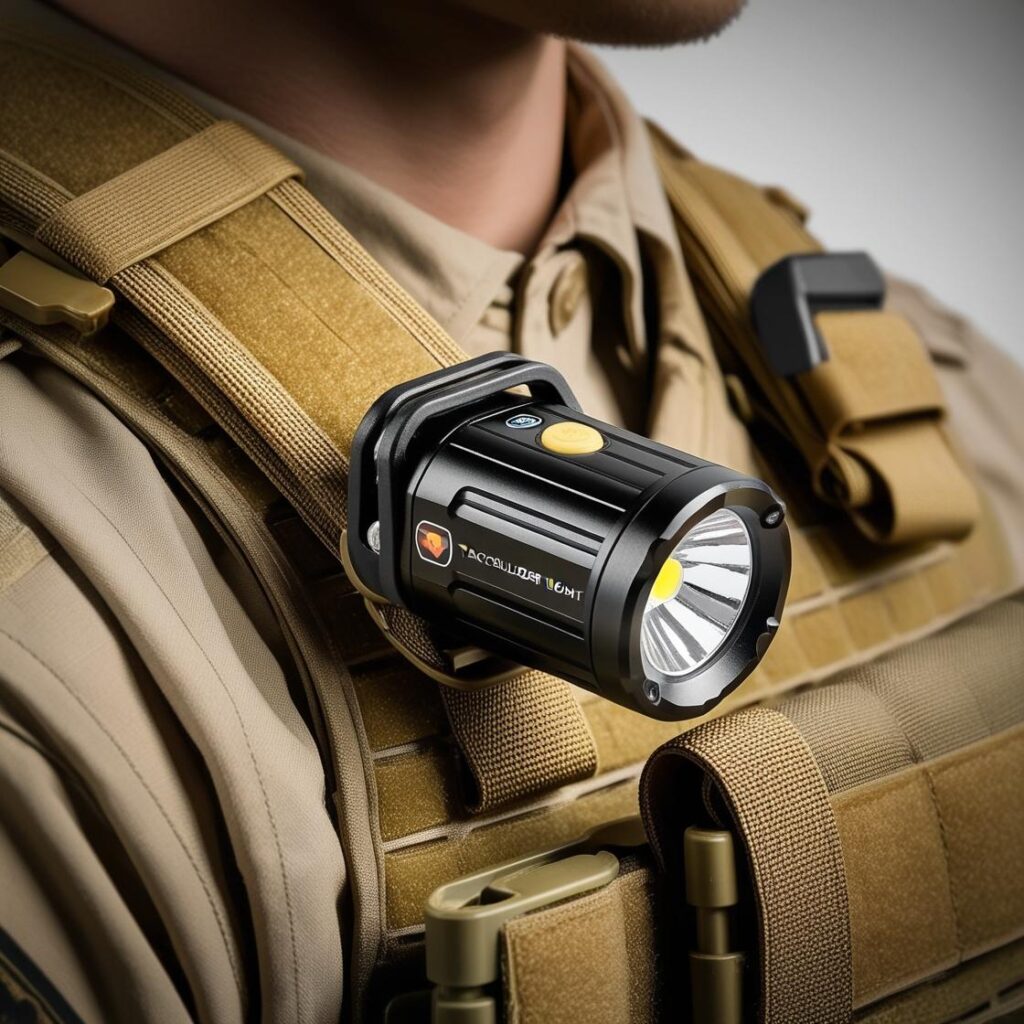
This law enforcement wearable safety lights guide helps police departments evaluate shoulder lights, hands-free patrol lighting, bike patrol visibility, K9 handler marking, color policy, body-camera compatibility, night patrol recognition, and supplier selection before buying in quantity.
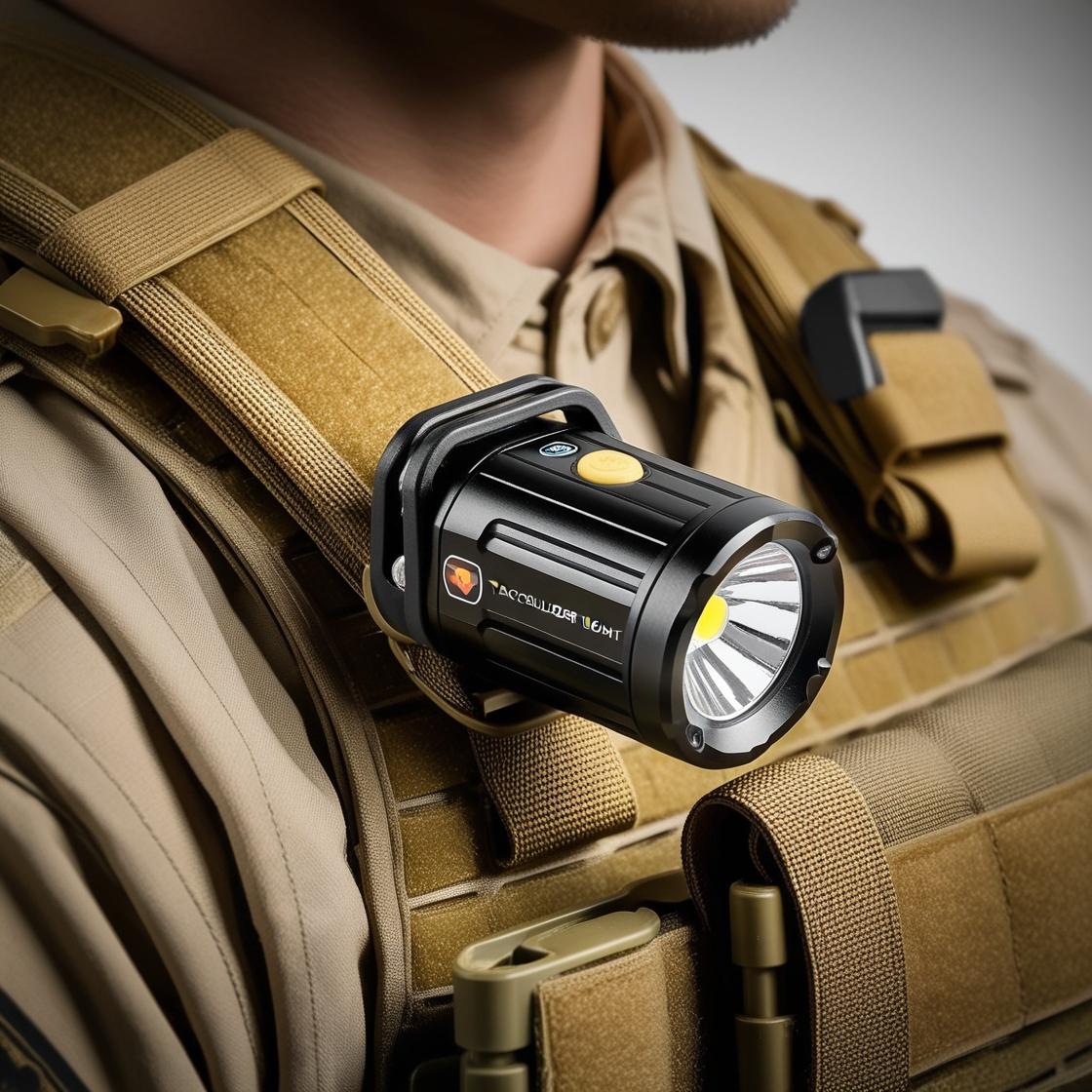
Police visibility is not solved by one product claim. Officers move through traffic glare, vehicle exits, report writing, parking lots, bike patrol, K9 work, and crowd-control situations. A wearable safety light must fit the officer, the uniform, the policy, and the shift routine.
How to Use This Hub
Start with the field-test guide if you are making a broad procurement decision. Then move into placement, body-camera compatibility, color policy, and role-specific guides. If you are already comparing suppliers, use the supplier checklist and sample-trial recommendations.
| Need | Best guide to start with |
|---|---|
| Department-wide trial | Police Shoulder Light Field Test |
| Where to mount the device | Patrol Officer Wearable Light Placement |
| Specialized patrol roles | Police Bike Patrol Lighting and K9 Handler Safety Light |
| Procurement decision | Law Enforcement Supplier Checklist |
Law Enforcement Lighting Guide Library
- Police Shoulder Light Field Test: How Departments Should Evaluate Wearable Safety Lights Before Rollout
Use this guide to evaluate police shoulder light field test in real police field conditions. - Patrol Officer Wearable Light Placement: Where Should a Police Safety Light Be Mounted?
Use this guide to evaluate patrol officer wearable light placement in real police field conditions. - Police Bike Patrol Lighting: Bike Light vs Wearable Safety Light
Use this guide to evaluate police bike patrol lighting in real police field conditions. - Hands-Free Report Writing Light: Why Police Officers Need Task Lighting That Does Not Occupy a Hand
Use this guide to evaluate hands-free report writing light in real police field conditions. - Tactical Shoulder Light Department Trial: How to Test Reliability Before Bulk Purchase
Use this guide to evaluate tactical shoulder light department trial in real police field conditions. - Police Wearable Light Color Policy: Red, Blue, White, Amber, and Green Use Cases
Use this guide to evaluate police wearable light color policy in real police field conditions. - K9 Handler Safety Light: Improving Visibility for the Officer and Working Dog
Use this guide to evaluate K9 handler safety light in real police field conditions. - Law Enforcement Supplier Checklist: How to Choose a Wearable Safety Light Supplier
Use this guide to evaluate law enforcement safety light supplier in real police field conditions. - Body Camera Compatible Shoulder Light: Avoiding Gear Conflicts on Police Uniforms
Use this guide to evaluate body camera compatible shoulder light in real police field conditions. - Night Patrol Personal Marker: Why Patrol Vehicles Are Visible but Officers Still Need Lighting
Use this guide to evaluate night patrol personal marker in real police field conditions.
Field Evaluation Framework
Every guide in this cluster uses the same practical logic: test the light with real uniforms, real vehicles, real body movement, and real shift routines. Brightness matters, but mounting, comfort, policy, battery routine, and user adoption decide whether the device becomes useful equipment.
| Evaluation factor | Question | Why it matters |
|---|---|---|
| Visibility angle | Can the officer be identified from front, rear, and side? | Police work rarely happens from one perfect viewing angle. |
| Gear compatibility | Does it avoid blocking radio, body camera, vest, and seat belt? | Lighting should not compromise existing equipment. |
| Charging routine | Who owns charging and inspection? | Dead devices create false confidence. |
| Policy fit | Are colors and modes approved? | Signals should not confuse officers, drivers, or other agencies. |
Guardian ProX Evaluation CTA
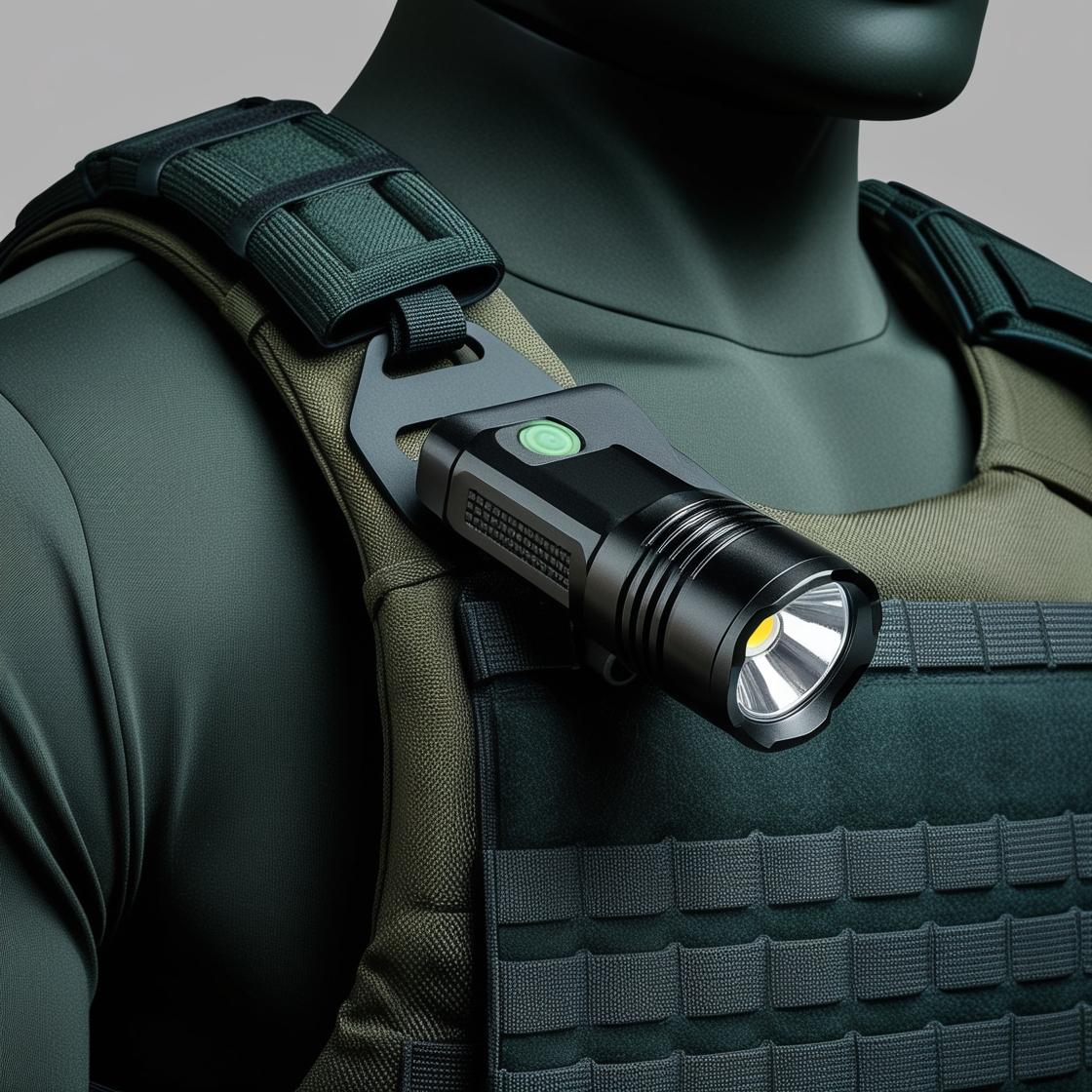
Use these guides as a sample-trial framework for Guardian ProX wearable safety light. Test it with your patrol gear, bike patrol setup, K9 workflow, traffic vest, and department charging routine before scaling deployment.
New Law Enforcement Field Guides
These new guides expand the law enforcement lighting cluster with campus patrol, field-trial planning, crash scenes, event security, and flashlight comparison use cases.
FAQ
Should a police wearable light replace a flashlight?
No. It can support personal visibility and hands-free work, but directed search still requires appropriate flashlight tools and department procedures.
Which article should a buyer read first?
Start with the police shoulder light field test guide, then read placement, body-camera compatibility, and supplier checklist articles.
How many sample units should a department test?
Use enough samples to cover patrol, traffic, bike patrol, supervisors, and any specialty units that wear different gear.
Recommended Reading Path by Buyer Type
Different law enforcement buyers arrive with different questions. A patrol supervisor may care about officer adoption. A procurement manager may care about supplier reliability. A traffic unit may care about roadside recognition. This hub helps each reader move to the right guide without guessing.
| Buyer type | Start here | Then read |
|---|---|---|
| Patrol supervisor | Police Shoulder Light Field Test | Placement, body camera compatibility, night patrol marker |
| Traffic unit | Night Patrol Personal Marker | Color policy, shoulder light field test |
| Bike patrol leader | Police Bike Patrol Lighting | Placement and color policy |
| Procurement manager | Law Enforcement Supplier Checklist | Tactical shoulder light trial and department field test |
| K9 unit | K9 Handler Safety Light | Color policy and night patrol marker |
What Makes a Law Enforcement Wearable Light Different?
A police wearable safety light is not just a small flashlight. It must work around radios, body cameras, vests, jackets, duty belts, seat belts, bike patrol gear, and sometimes K9 equipment. It also has to respect department policy on colors and modes. That makes field testing more important than simple brightness comparison.
The strongest evaluation looks at daily workflow. Can the officer exit a vehicle without knocking the light loose? Can the light help with report writing without glare? Does the mount stay clear of the body camera view? Can the officer activate the correct mode without looking down? Does the device remain visible beside patrol vehicle lights and traffic glare?
Department Trial Checklist
- Test with patrol, traffic, bike patrol, supervisors, and any specialty users.
- Use actual uniforms, outer carriers, rain gear, and winter jackets.
- Observe from driver height, rear angle, side angle, and close-range task distance.
- Define color and mode rules before field use.
- Create a charging and replacement process before expanding deployment.
- Collect officer feedback after several real shifts, not only after a demo.
How This Hub Supports Guardian ProX Evaluation
Use this hub as a structured evaluation path for Guardian ProX. Start with the broad field-test article, then move into role-specific questions. The goal is not to push a device into every situation; the goal is to help a department decide where Guardian ProX makes practical sense, how it should be mounted, and how it should be managed after deployment.
Next Step: Compare Field Use, Technical Requirements, and Product Options
This article is part of the OBO wearable safety light knowledge system. Use the links below to continue from problem research to product evaluation and sample ordering.
- Wearable Safety Light Resource Center
- Law Enforcement Wearable Safety Light Hub
- Wearable Safety Light Technical Buyer Hub
- Wearable Safety Light Procurement Hub
- Guardian ProX Wearable Safety Light product page
For a practical evaluation, compare visibility angle, mounting stability, control simplicity, battery routine, glare control, and user adoption before a bulk order.