
Quick Answer
How to Choose Between Premium and Factory-Direct Safety Lights helps buyers compare a Guardian Angel alternative by testing real field value: visibility, mounting, comfort, controls, battery routine, supplier support, and user adoption. The best choice is not automatically the premium brand or the lowest price. It is the option that passes the buyer’s actual scenario.
Definition
How to Choose Between Premium and Factory-Direct Safety Lights: Choosing between premium and factory-direct safety lights means comparing brand assurance and factory value against real field performance, support, and deployment needs.
Key Takeaways
- How to Choose Between Premium and Factory-Direct Safety Lights should be decided by field evidence, not brand familiarity alone.
- Compare the same user scenario, distance, gear, mode, and support questions for every product.
- Mounting, comfort, runtime, warranty, and user adoption decide real value.
- A fast answer is useful only when it still tells the buyer what to test next.
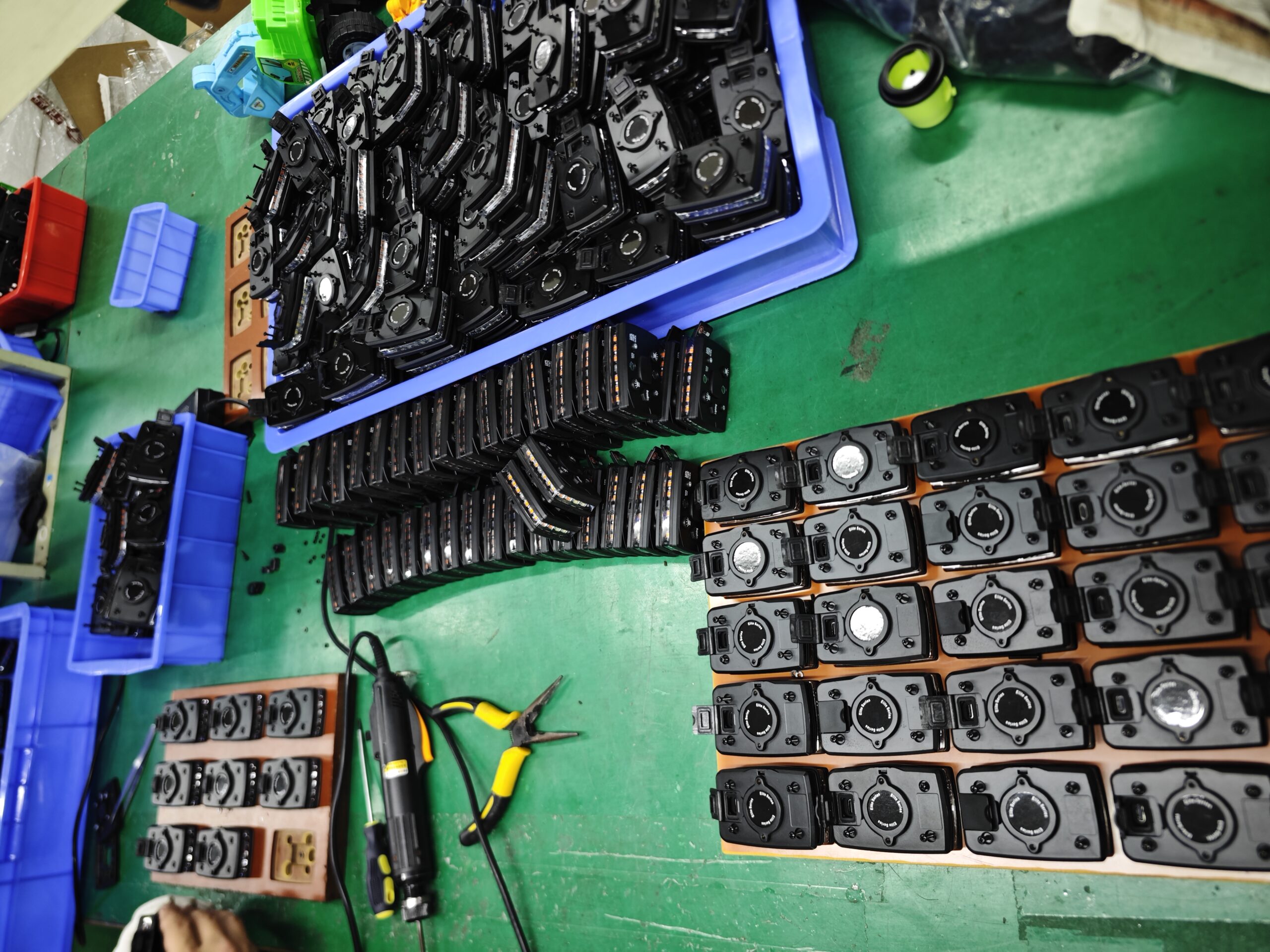
Who This Guide Is For
This guide is for procurement teams, distributors, safety managers, departments, and buyers deciding between premium branded lights and factory-direct wearable safety light options. It is written for searchers who already know the category and now need a fair, evidence-based way to choose between options.
The Real Search Problem
Premium and factory-direct options can both make sense, but for different reasons. Buyers need to compare field performance, support, consistency, documentation, and total operating effort before deciding. A useful comparison should make the buyer more confident, not more confused. That means avoiding brand bias, avoiding vague claims, and testing every sample against the same use case.
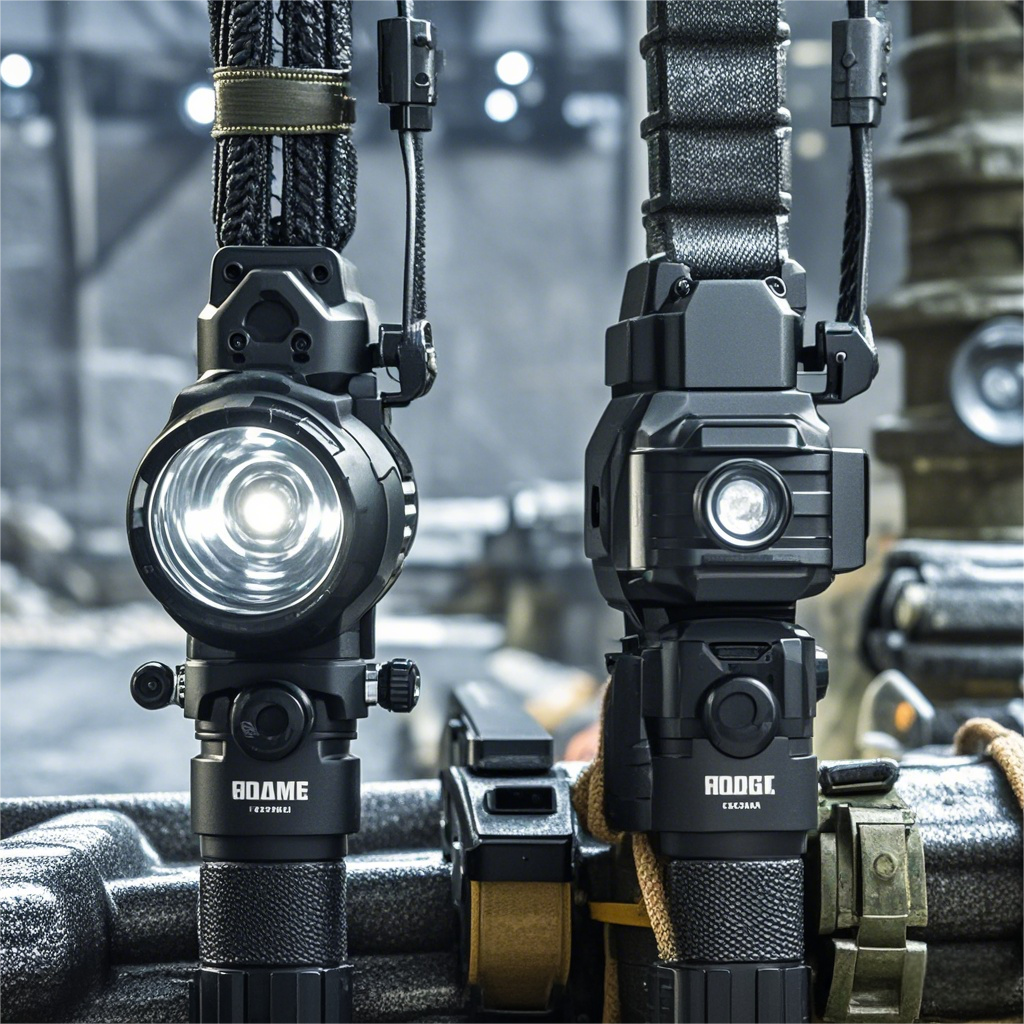
Field Scenario to Test
Test the product in supplier shortlists, sample ordering, budget review, reseller sourcing, field trials, warranty comparison, factory communication, and long-term replacement planning. Do not approve an alternative after a desk review only. Put it on real gear, use the intended mode, check side visibility, and ask the user whether the device would stay in service after the first week.
Comparison Criteria
| Criterion | Why it matters | How to test it |
|---|---|---|
| Visibility | The wearer must be recognized from real approach angles. | Check front, rear, side, and diagonal views during movement. |
| Mounting | A strong light fails if it rotates, falls, or is blocked. | Test it on the actual uniform, vest, jacket, pack, or harness. |
| Controls | Users need the correct mode under stress. | Try buttons with gloves, wet hands, and low light. |
| Battery | Runtime claims must match the selected mode and shift length. | Run the mode through a realistic use period plus reserve. |
| Support | Warranty, parts, and supplier response affect long-term value. | Ask how clips, batteries, cables, and damaged units are handled. |
| Adoption | The best device is the one users keep wearing. | Collect user feedback after the actual activity. |
For How to Choose Between Premium and Factory-Direct Safety Lights, the buyer should not treat one criterion as the whole answer. The right choice is the light that passes enough of the field test to become a repeatable safety habit.
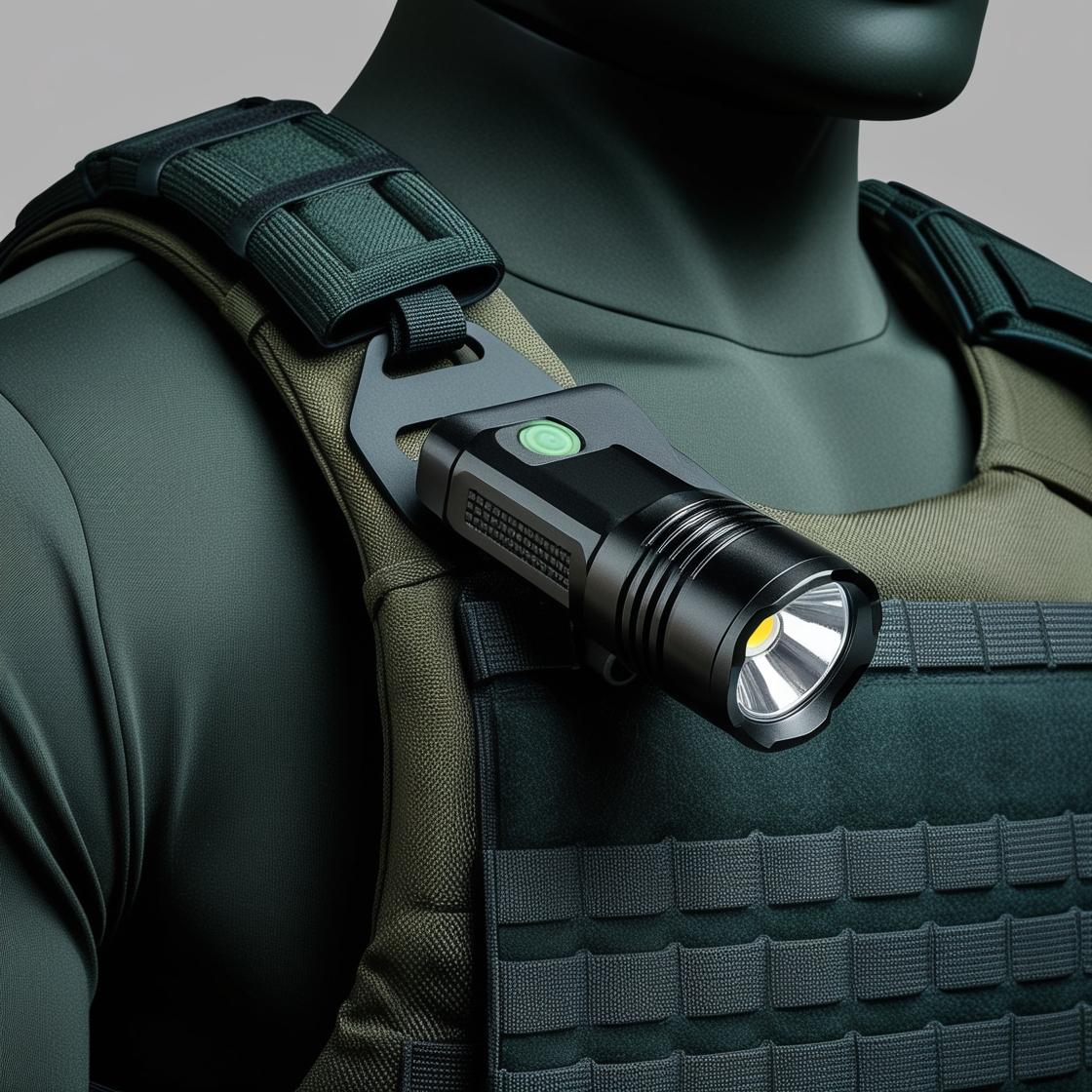
Technical Details That Matter
The technical details to review are brand support, factory communication, sample consistency, warranty, replacement parts, customization, pricing, lead time, quality control, deployment help, and field scorecard results. Treat each detail as a field question: does it work on the user’s clothing, in the user’s environment, and under the user’s time pressure?
Common Mistakes to Avoid
- Choosing only by price or only by brand name.
- Testing one product in the field and another only on a desk.
- Ignoring mount comfort and side visibility.
- Forgetting warranty, parts, and replacement support.
- Comparing brightness without checking glare and battery tradeoffs.
- Skipping user feedback after real use.
How Guardian ProX Fits the Comparison
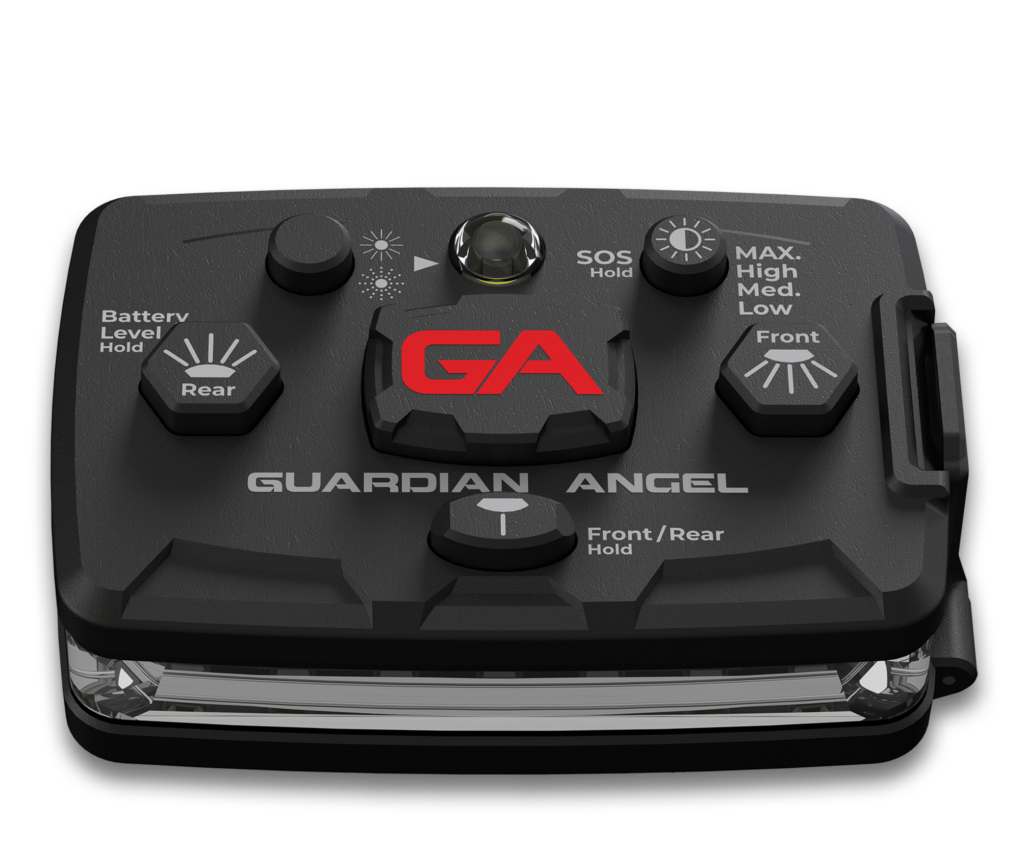
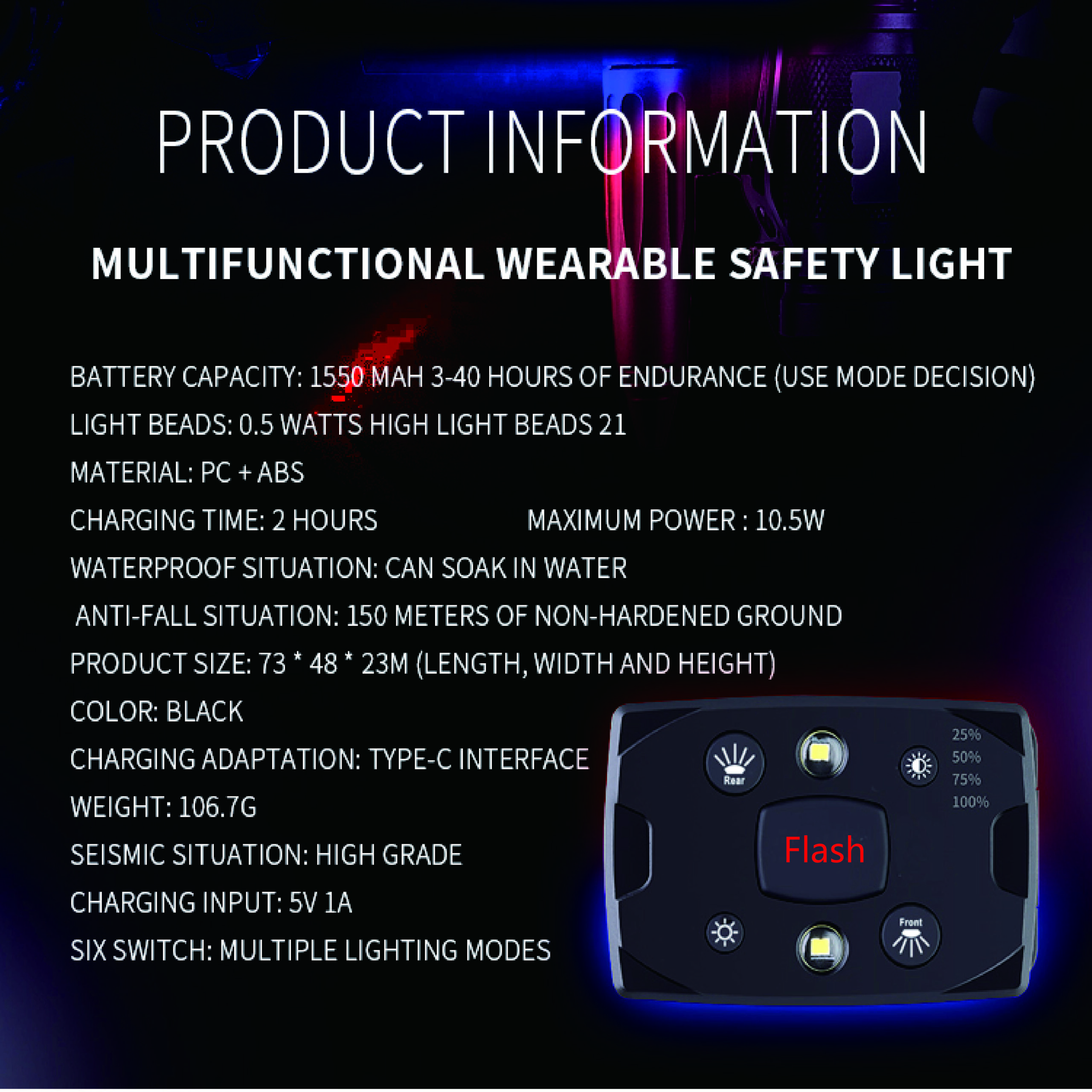
Guardian ProX wearable safety light can be used as a sample alternative when the buyer wants to evaluate body-worn visibility, mount behavior, active modes, and deployment value under the same scorecard used for any other product.
Internal Links for Deeper Reading
- Supplier Comparison Without Brand Bias
- Wearable Safety Light Price vs Field Value
- Warranty Replacement Questions
- Sample Evaluation Program
- Guardian ProX Wearable Safety Light
- Guardian Angel Alternative Buying Guide
- Guardian Angel vs Generic Wearable Safety Light
- What to Look for Before Buying Guardian Angel Style Lights
- Best Guardian Angel Alternative for Roadside Crews
- Best Guardian Angel Alternative for Law Enforcement
Field Test Note 1
Record the exact user role, clothing, mount position, mode, distance, weather, and observer angle. For How to Choose Between Premium and Factory-Direct Safety Lights, this note prevents a brand discussion from turning into guesswork.
The strongest evidence is a simple pass-or-retest decision: the light was recognizable during the task, the mount stayed stable, the user accepted it, and the support questions were clear. If any part fails, retest before buying in volume.
FAQ
What is the best way to evaluate How to Choose Between Premium and Factory-Direct Safety Lights?
Use the same field test for each option: supplier shortlists, sample ordering, budget review, reseller sourcing, field trials, warranty comparison, factory communication, and long-term replacement planning. Compare visibility, mount, comfort, controls, support, and user adoption.
Should buyers choose only by brand name?
No. Brand familiarity can be useful as a reference point, but the final decision should come from field evidence, support quality, and fit for the user's scenario.
What is the most common comparison mistake?
The most common mistake is comparing price or brightness without testing mount stability, side visibility, battery routine, warranty, and whether users keep wearing the light.
Where does Guardian ProX fit in the comparison?
Guardian ProX can be used as a sample alternative for testing wearable visibility, mounting, charging, and deployment value against the buyer's scorecard.
Final Recommendation
Choose the alternative only when it passes the buyer’s real scenario, support requirements, and user adoption test. If the comparison cannot produce clear field evidence, order samples and test again before standardizing the product.
Field Test Note 10
Record the exact user role, clothing, mount position, mode, distance, weather, and observer angle. For How to Choose Between Premium and Factory-Direct Safety Lights, this note prevents a brand discussion from turning into guesswork.
The strongest evidence is a simple pass-or-retest decision: the light was recognizable during the task, the mount stayed stable, the user accepted it, and the support questions were clear. If any part fails, retest before buying in volume.
Field Test Note 11
Record the exact user role, clothing, mount position, mode, distance, weather, and observer angle. For How to Choose Between Premium and Factory-Direct Safety Lights, this note prevents a brand discussion from turning into guesswork.
The strongest evidence is a simple pass-or-retest decision: the light was recognizable during the task, the mount stayed stable, the user accepted it, and the support questions were clear. If any part fails, retest before buying in volume.
Field Test Note 11
Record the exact user role, clothing, mount position, mode, distance, weather, and observer angle. For How to Choose Between Premium and Factory-Direct Safety Lights, this note prevents a brand discussion from turning into guesswork.
The strongest evidence is a simple pass-or-retest decision: the light was recognizable during the task, the mount stayed stable, the user accepted it, and the support questions were clear. If any part fails, retest before buying in volume.
Field Test Note 12
Record the exact user role, clothing, mount position, mode, distance, weather, and observer angle. For How to Choose Between Premium and Factory-Direct Safety Lights, this note prevents a brand discussion from turning into guesswork.
The strongest evidence is a simple pass-or-retest decision: the light was recognizable during the task, the mount stayed stable, the user accepted it, and the support questions were clear. If any part fails, retest before buying in volume.
Field Test Note 13
Record the exact user role, clothing, mount position, mode, distance, weather, and observer angle. For How to Choose Between Premium and Factory-Direct Safety Lights, this note prevents a brand discussion from turning into guesswork.
The strongest evidence is a simple pass-or-retest decision: the light was recognizable during the task, the mount stayed stable, the user accepted it, and the support questions were clear. If any part fails, retest before buying in volume.
Field Test Note 14
Record the exact user role, clothing, mount position, mode, distance, weather, and observer angle. For How to Choose Between Premium and Factory-Direct Safety Lights, this note prevents a brand discussion from turning into guesswork.
The strongest evidence is a simple pass-or-retest decision: the light was recognizable during the task, the mount stayed stable, the user accepted it, and the support questions were clear. If any part fails, retest before buying in volume.
Field Test Note 14
Record the exact user role, clothing, mount position, mode, distance, weather, and observer angle. For How to Choose Between Premium and Factory-Direct Safety Lights, this note prevents a brand discussion from turning into guesswork.
The strongest evidence is a simple pass-or-retest decision: the light was recognizable during the task, the mount stayed stable, the user accepted it, and the support questions were clear. If any part fails, retest before buying in volume.
Related Cluster Guide
For the full article path, buyer scorecard, and related use-case guides in this topic, open the Guardian Angel Alternative Comparison Hub.
Wearable Safety Light Resource Center
For the full topic map, field-test scorecards, procurement path, technical buyer guides, and Guardian Angel alternative comparisons, start with the Wearable Safety Light Resource Center.