
Quick Answer
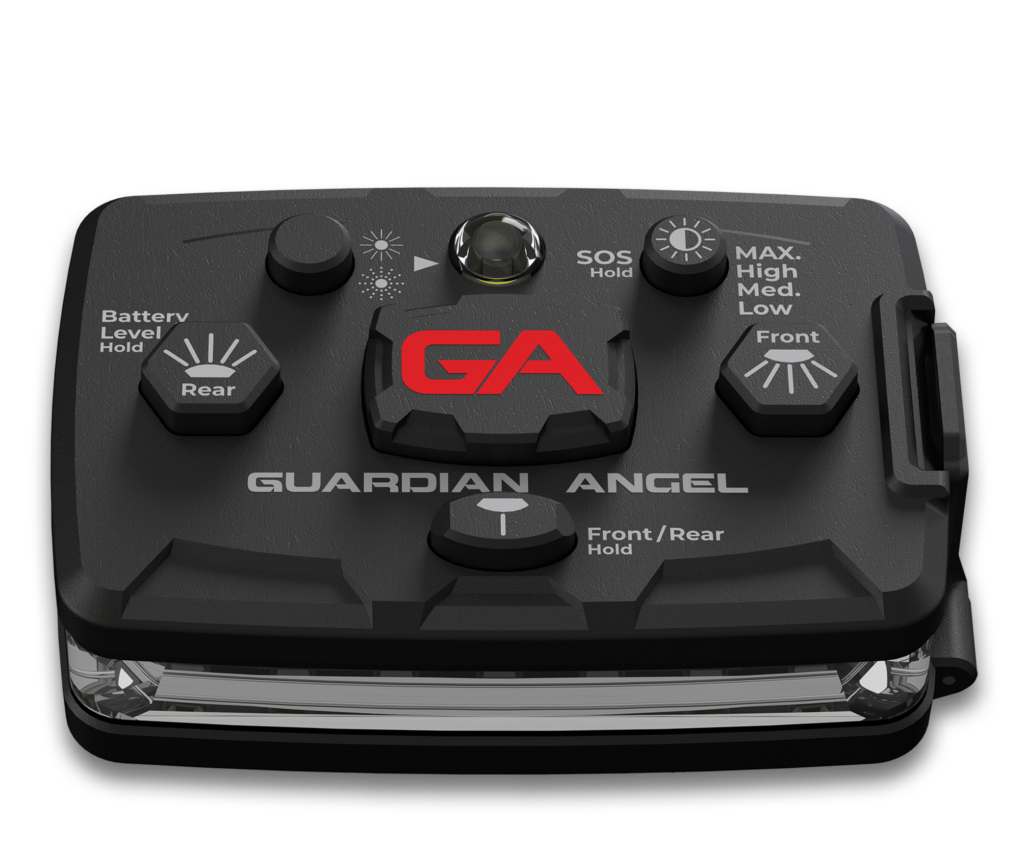
Guardian Angel Alternative Comparison Hub is the cluster guide for buyers comparing Guardian Angel devices, factory-direct options, Guardian ProX, generic wearable lights, and magnetic safety light alternatives. It helps readers choose a wearable safety light by testing the real scenario: premium vs factory-direct comparison, feature comparison, supplier review, roadside and law-enforcement alternatives, price-value analysis, and sample testing. Start here when you need a structured path instead of opening isolated articles one by one.
Definition
Guardian Angel alternative means a wearable safety light decision path built around field visibility, mounting, comfort, controls, battery routine, support, and user adoption.
Key Takeaways
- Choose the article that matches the user’s role and environment.
- Use field evidence before comparing price or brand preference.
- Test Guardian ProX as a sample device when you need a repeatable evaluation.
- Return to the Wearable Safety Light Resource Center for the full 100-article map.
Who This Hub Is For
This hub is for buyers comparing Guardian Angel devices, factory-direct options, Guardian ProX, generic wearable lights, and magnetic safety light alternatives. It reduces decision friction by grouping the most relevant wearable safety light articles into one path.
Field Scenario Covered
The core scenario is premium vs factory-direct comparison, feature comparison, supplier review, roadside and law-enforcement alternatives, price-value analysis, and sample testing. The right light should be tested on real clothing, real gear, realistic movement, and the actual distance where another person needs to recognize the wearer.
Buyer Scorecard for This Cluster
| Score Area | Pass Standard | Failure Warning |
|---|---|---|
| Visibility | The wearer is recognizable from front, rear, side, and diagonal angles. | The light looks bright only from one ideal angle. |
| Mounting | The device remains stable on the user’s actual gear. | The lens rotates, falls, or is blocked by clothing or straps. |
| Controls | The user can select the right mode under realistic conditions. | The user mispresses, fumbles, or turns the device off. |
| Battery | The selected mode lasts through the shift or activity plus reserve. | The runtime claim does not match real weather or mode use. |
| Adoption | Users say they would keep wearing, charging, and maintaining the light. | The device becomes a one-time demo item. |
Article Path for This Cluster
Open the articles below in order if you are building a complete buyer journey. Each article answers a different user question and links back to the full resource center.
- Guardian Angel Alternative Buying Guide
- Guardian Angel vs Generic Wearable Safety Light
- Magnetic Wearable Safety Light Alternatives
- What to Look for Before Buying Guardian Angel Style Lights
- Best Guardian Angel Alternative for Roadside Crews
- Best Guardian Angel Alternative for Law Enforcement
- Wearable Safety Light Price vs Field Value
- Guardian Angel Device Features Buyers Compare
- When a Smaller Wearable Safety Light Is Better
- How to Choose Between Premium and Factory-Direct Safety Lights
How Guardian ProX Fits This Cluster
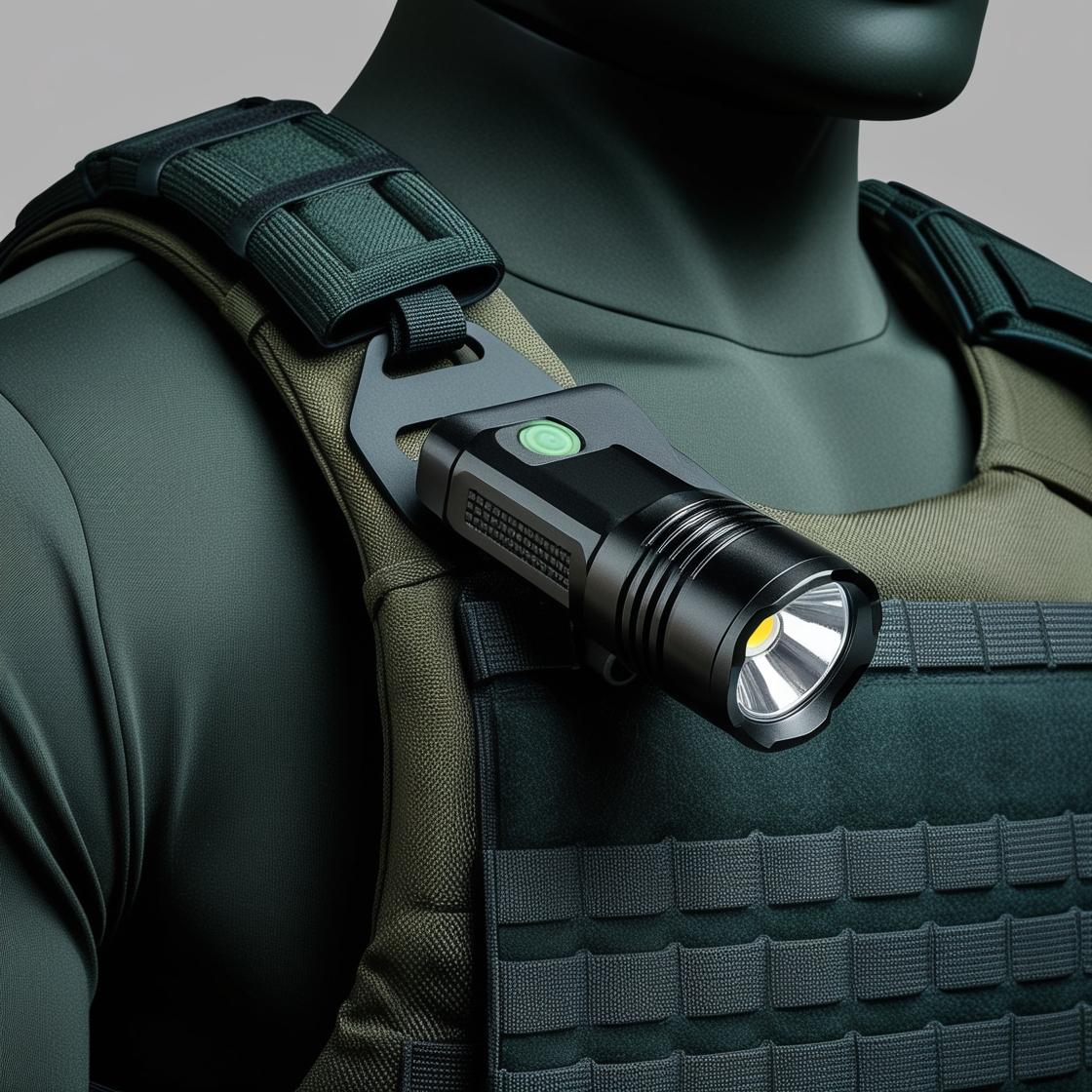
Guardian ProX wearable safety light can be used as the sample device for checking active visibility, mounting behavior, charging routine, and field adoption in this cluster.
Recommended Evaluation Workflow
- Choose the article that matches the user’s immediate question.
- Run the field checklist in that article with real gear and realistic movement.
- Document photos, user feedback, battery results, and mount behavior.
- Compare results against the buyer scorecard.
- Use the resource center to move to the next cluster if the buyer question changes.
FAQ
What is the purpose of the Guardian Angel Alternative Comparison Hub?
It organizes the most useful articles for buyers comparing Guardian Angel devices, factory-direct options, Guardian ProX, generic wearable lights, and magnetic safety light alternatives so readers can choose a wearable safety light by real scenario instead of guessing from a product page.
How should readers use this cluster hub?
Start with the quick answer and buyer scorecard, then open the article that matches the user's role, environment, or buying stage.
Where does Guardian ProX fit?
Guardian ProX can be used as a sample wearable safety light for evaluating visibility, mounting, charging, user adoption, and field value.
Final Recommendation
Use this cluster hub as the middle layer between the main resource center and the individual articles. It gives Google and human readers a clearer map of the topic, while helping buyers move from broad research to a specific field-tested decision.
How to Route Readers From This Cluster
This cluster hub should work like a decision desk. A reader may arrive with a broad question, such as which wearable safety light to buy, or a narrow question, such as whether a magnetic mount works on rain gear. The hub gives that reader a path: define the role, choose the realistic scenario, open the most relevant article, and then use the buyer scorecard before requesting samples or approving a purchase.
For Guardian Angel Alternative Comparison Hub, the strongest SEO value comes from making the next click obvious. A visitor should not need to guess whether they need a technical article, a procurement article, a field-test article, or a product sample page. The hub should help them move from research to evaluation without leaving the topic cluster.
Cluster Evaluation Workflow
| Step | What the reader should decide | Evidence to collect |
|---|---|---|
| Role fit | Who will wear the device and in what environment? | User role, clothing, gear, shift length, weather, and movement pattern. |
| Visibility fit | Does the device make the person recognizable from real angles? | Front, rear, side, and diagonal photos or field notes. |
| Mount fit | Can the light stay stable on actual equipment? | Mount position, blocked lens notes, comfort feedback, and retention checks. |
| Operation fit | Can the user choose the right mode under normal pressure? | Button use, glove use, glare notes, battery mode, and charging routine. |
| Buying fit | Can the team support the device after rollout? | Warranty terms, spare parts, training plan, supplier response, and replacement process. |
What This Hub Should Send Readers To Next
If the reader is still defining the problem, send them to the broadest article in the cluster. If the reader is comparing products, send them to scorecards, feature comparisons, and supplier questions. If the reader is ready to buy, send them to Guardian ProX and procurement-support articles so they can test the device under real field conditions.
This hub also supports AI-assisted discovery because it states the role, the scenario, the evaluation criteria, and the next-step articles in a structured way. That makes the page easier for search systems and answer engines to summarize without inventing missing context.
Common Cluster Mistakes
- Linking many articles without explaining which reader should open which one.
- Letting product claims appear before the user scenario is clear.
- Ignoring side visibility, mounting, comfort, and charging routine.
- Comparing products without a shared scorecard.
- Sending every visitor directly to a product page before they understand the test criteria.
Cluster Summary
The best use of this hub is simple: start with the scenario, choose the relevant article path, test a sample device, document the field result, and then make a buying or deployment decision. That structure turns a collection of blog posts into a practical search and sales journey.
Scenario Triage Before Opening an Article
Before a reader chooses an article from Guardian Angel Alternative Comparison Hub, they should answer three quick questions. First, who is wearing the light? Second, what is the moment when another person must recognize them? Third, what would make the device fail in that moment: blocked lens, weak side visibility, dead battery, awkward mount, confusing mode, poor support, or user refusal?
This triage keeps the hub practical. It prevents readers from opening every article randomly and helps them choose the one that matches their real decision. It also improves the internal search path because each article becomes part of a buyer journey rather than a disconnected blog archive.
When to Move From Research to Sample Testing
Research is enough when the reader is still learning vocabulary, risks, and comparison criteria. Sample testing becomes necessary when the buyer has a real user group, a budget conversation, or a deployment target. At that stage, the team should stop relying on claims and test a device such as Guardian ProX on actual clothing, real movement, and realistic lighting conditions.
A good sample test does not need to be complicated. Take photos from front, rear, side, and diagonal angles. Record how the mount behaves after movement. Confirm the selected mode does not create glare. Ask the user whether the device was comfortable enough to keep wearing. Then document whether the team should buy, retest, compare another sample, or reject the setup.
How This Cluster Supports Better Natural Rankings
This hub strengthens the site because it groups related articles by buyer intent and practical use case. Search engines can see a clear relationship between the resource center, this cluster guide, individual articles, and the Guardian ProX product page. Human readers also get a clearer path, which can improve engagement and reduce dead-end visits.
New Wearable Safety Light Procurement Guides
These buyer guides help departments, distributors, importers, and safety managers move from general product research to RFQ preparation, factory audit, wholesale planning, bulk order control, and incoming shipment inspection.
- Wearable Safety Light RFQ Guide: Specs, Testing, MOQ, Lead Time, and Supplier Questions
- Wearable Safety Light Factory Audit Checklist for B2B Buyers
- Custom Logo Wearable Safety Lights: OEM Branding, Packaging, MOQ, and Sample Approval Guide
- Wearable Safety Light Bulk Order Checklist for Police, Roadside, Rescue, and Utility Teams
- Importing Wearable Safety Lights from China: Quality, Compliance, Lead Time, and Shipping Checklist
- Wearable Safety Light Price Breakdown: What B2B Buyers Pay For Beyond the Unit Cost
- Police Department Wearable Safety Light Specification Guide for Patrol, Traffic, K9, and Bike Units
- Traffic Control Wearable Safety Light Guide for Flaggers, Tow Operators, and Roadside Crews
- Wearable Safety Light Wholesale Guide for Safety Equipment Distributors
- How to Inspect Wearable Safety Lights After Delivery: Incoming QC Checklist for Bulk Buyers
New Professional and Worksite Visibility Guides
These guides expand Obotop’s wearable safety light knowledge base into occupational scenarios where individual workers need to remain recognizable around vehicles, crowds, equipment, weather, and temporary work zones.
- Security Guard Wearable Safety Light Guide for Patrol, Parking Lots, and Crowd Control
- School Crossing Guard Safety Light Guide for Dawn, Rain, and Drop-Off Traffic
- Event Parking Staff Visibility Guide: Wearable Safety Lights for Venues and Festivals
- Airport Ground Crew Wearable Safety Light Guide for Ramp, Baggage, and Vehicle Movement
- Warehouse Yard Wearable Safety Light Guide for Forklifts, Loading Docks, and Truck Courts
- Waste Collection Worker Safety Light Guide for Dawn Routes, Rear-Step Work, and Street Traffic
- Railroad Yard Worker Visibility Guide: Wearable Safety Lights Around Tracks and Equipment
- Municipal Snowplow Crew Safety Light Guide for Winter Night Operations
- Road Construction Inspector Safety Light Guide for Night Site Walks and Lane Closures
- Fleet Maintenance Yard Safety Light Guide for Mechanics, Fuel Islands, and After-Dark Checks
New Wearable Safety Light Deployment and Support Guides
These guides help teams turn wearable safety lights into repeatable field practice: training, charging, asset tracking, maintenance, evidence, shift handoff, and replacement decisions.
- Wearable Safety Light Deployment SOP: Pilot, Approval, Training, and Rollout Checklist
- Wearable Safety Light Training SOP for Mounting, Modes, Charging, and Daily Inspection
- Wearable Safety Light Maintenance Guide: Cleaning, Storage, Charging, and Replacement Checks
- Wearable Safety Light Asset Tracking Guide for Fleets and Departments
- Wearable Safety Light User Adoption Guide: How to Keep Safety Gear in Daily Use
- Wearable Safety Light Near-Miss Review Template for Safer Visibility Rules
- Wearable Safety Light Photo and Video Test Guide for Buyer Evidence
- Wearable Safety Light Accessory Kit Planning Guide for Mounts, Chargers, Labels, and Spares
- Wearable Safety Light Multi-Shift Handoff SOP for Charging, Inspection, and Supervisor Checks
- Wearable Safety Light Replacement Cycle Guide: When to Repair, Replace, or Retire Units
New Professional Wearable Safety Light Scenario Guides
These guides expand Obotop’s wearable safety light library into specific work roles where visibility depends on route, clothing, equipment, weather, and supervisor routines.
- Valet Parking Staff Wearable Safety Light Guide for Hotels, Restaurants, and Events
- Delivery Driver Wearable Safety Light Guide for Night Drop-Offs, Loading Zones, and Roadside Stops
- Parking Enforcement Officer Safety Light Guide for Traffic Lanes and After-Dark Patrols
- Utility Meter Reader Safety Light Guide for Dawn, Dusk, Dogs, and Customer Property Visits
- Survey Crew Wearable Safety Light Guide for Road Shoulders, Layout Work, and Low-Light Setups
- Port and Dock Worker Wearable Safety Light Guide for Yards, Ramps, and Night Loading
- Marina and Boat Ramp Staff Safety Light Guide for Wet Docks and Night Launches
- Mining Surface Crew Wearable Safety Light Guide for Haul Roads, Maintenance, and Low-Light Work
- Oil and Gas Field Crew Safety Light Guide for Night Maintenance, Turnarounds, and Vehicle Movement
- Delivery Cyclist and E-Bike Courier Safety Light Guide for Urban Night Routes
New Wearable Safety Light Buyer Decision Tools
These practical tools help procurement teams, safety managers, distributors, and department buyers organize evidence, score suppliers, build budgets, and approve wearable safety light rollouts.
- Wearable Safety Light Procurement Decision Toolkit: Scorecards, Evidence, Budget, and Approval Steps
- Wearable Safety Light Trial Report Template for Safety Committees and Department Buyers
- Wearable Safety Light RFQ Scoring Matrix for Comparing Suppliers, Samples, and Support
- Wearable Safety Light Total Cost of Ownership Guide for Fleets and Departments
- Wearable Safety Light Rollout Budget Worksheet for Small Departments and Crews
- Wearable Safety Light Distributor Product Page Checklist for Resellers and Safety Catalogs
- Private Label Wearable Safety Light Kit Checklist for Resellers and OEM Buyers
- Wearable Safety Light Compliance Evidence Folder: Photos, Test Logs, Training Records, and Warranty Notes
- Wearable Safety Light Supplier Red Flags: Quote, Sample, Warranty, and Support Warning Signs
- Wearable Safety Light Purchase Approval Memo Template for Managers and Safety Teams
New Wearable Safety Light Sales and Support Asset Guides
These guides help buyers, distributors, resellers, and support teams turn sample requests, bulk quotes, demos, manuals, warranty claims, packing checks, FAQs, and reorders into repeatable processes.
- Wearable Safety Light Sample Request Guide: What Buyers Should Send Before Testing
- Wearable Safety Light Bulk Quote Form Guide: Quantity, Kit, Packaging, Lead Time, and Destination
- Wearable Safety Light Demo Kit Guide for Distributors, Departments, and Safety Managers
- Wearable Safety Light Product Comparison Sheet for Models, Kits, Price, and Support
- Wearable Safety Light User Manual Checklist for Training and After-Sales Support
- Wearable Safety Light Warranty Claim Guide: Photos, Symptoms, Batch, and Replacement Process
- Wearable Safety Light Troubleshooting Guide: Not Charging, Weak Light, Loose Mount, or Mode Problems
- Wearable Safety Light Packing List and Carton Mark Checklist for Bulk Orders
- Wearable Safety Light Sales FAQ Guide for Distributors, Resellers, and Department Buyers
- Wearable Safety Light Reorder Planning Guide: Usage Data, Lost Units, Spares, and New Teams
New Wearable Safety Light Answer Guides
These answer guides provide concise, AI-friendly explanations for common buyer questions about wearable safety light value, daylight use, quantity planning, color, brightness, placement, batteries, replacement limits, and kit contents.
- Wearable Safety Light Glossary: Active Visibility, Beacon, Strobe, Mount, Runtime, and IP Rating
- Are Wearable Safety Lights Worth It for Roadside, Security, and Fleet Teams?
- Do Wearable Safety Lights Work in Daylight or Only at Night?
- How Many Wearable Safety Lights Does a Team Need? Quantity Planning Formula
- What Color Wearable Safety Light Should You Choose? Amber, Red, Blue, White, or Green
- How Bright Should a Wearable Safety Light Be Without Creating Glare?
- Where Should You Wear a Wearable Safety Light? Shoulder, Vest, Helmet, Belt, or Bag
- Rechargeable vs Replaceable Battery Wearable Safety Lights: Which Is Better for Teams?
- Can Wearable Safety Lights Replace Reflective Vests, Flashlights, or Vehicle Lights?
- What Should Be Included in a Wearable Safety Light Kit Before Bulk Purchase?
New Commercial Comparison Guides
These new guides help buyers compare wearable safety light alternatives, marketplace options, consumer visibility products, and professional B2B choices before approving samples or bulk orders.
- Nightstick Alternative for Wearable Safety Light Buyers: Specs, Mounting, Runtime, and Team Deployment
- Noxgear Alternative for Work Safety Teams: When Recreational Visibility Is Not Enough
- Amazon Wearable Safety Light vs B2B Supplier: What Bulk Buyers Should Check Before Ordering
- Budget Wearable Safety Light vs Professional Safety Light: Price, Evidence, Support, and Field Value
- Clip-On Safety Beacon vs Wearable Safety Light: Which Works Better for Crews and Supervisors?
- Personal Safety Strobe vs Wearable Safety Light: How to Choose for Jobsite Recognition
- Shoulder Safety Light vs Chest Light: Mounting Position, Visibility Angles, and Worker Comfort
- Wearable Safety Light Vendor Shortlist: How to Compare Samples, Evidence, Price, and Support
- Best Wearable Safety Light for Teams: A Practical Buyer Checklist for Crews, Fleets, and Facilities
- Wearable Safety Light Alternatives Hub: Compare Brand-Style Lights, Consumer Lights, Beacons, Strobes, and B2B Options