
Quick Answer
A near-zero visibility safety light is a personal active marker used to help identify a person in fog, dust, smoke, rain, darkness, or heavy visual clutter. The best decision is made by testing the light in the real scenario, with the real user, real clothing, real equipment, and the exact movement that creates risk.
Definition
A near-zero visibility safety light is a personal active marker used to help identify a person in fog, dust, smoke, rain, darkness, or heavy visual clutter.
Key Takeaways
- A near-zero visibility safety light is a personal active marker used to help identify a person in fog, dust, smoke, rain, darkness, or heavy visual clutter.
- The safest decision comes from field testing, not a desk review.
- Mounting, mode choice, body blocking, glare, and charging routine matter as much as brightness.
- Guardian ProX can be used as a sample device for a practical evaluation before bulk ordering.
Who This Guide Is For
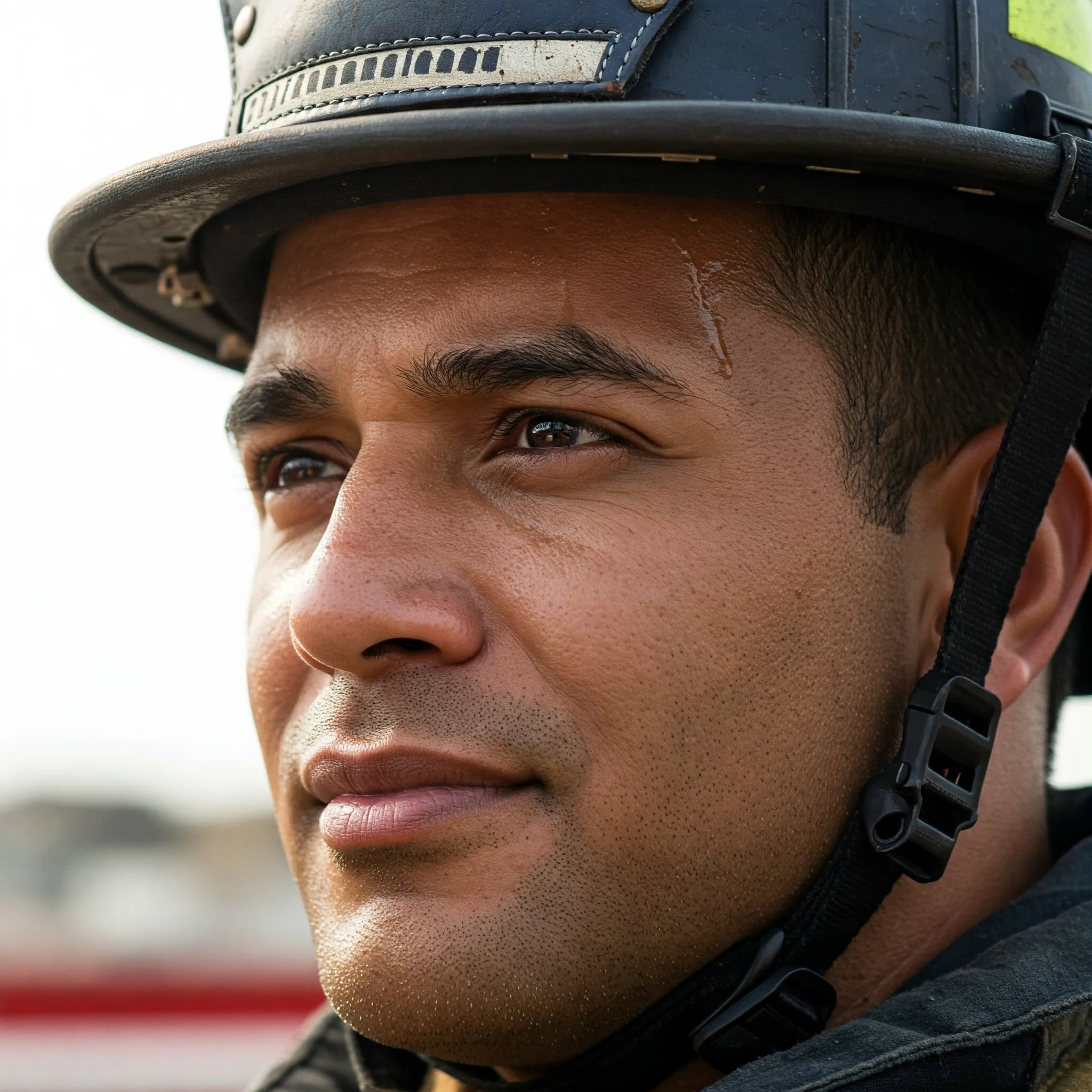
This guide is for roadside crews, firefighters, rescue teams, police officers, utility crews, outdoor users, event staff, and safety managers working in poor visibility. It is written for people who need practical evidence before choosing a wearable safety light, not for readers who only want a generic product description.
What This Guide Helps You Decide
People searching for safety light for fog dust smoke rain usually want a clear answer about safety value, placement, limitations, and purchase confidence. They may be comparing reflective PPE, flashlights, vehicle lights, hard-hat accessories, grant language, or outdoor safety gear. This article turns that intent into a field checklist.
Real-World Scenario
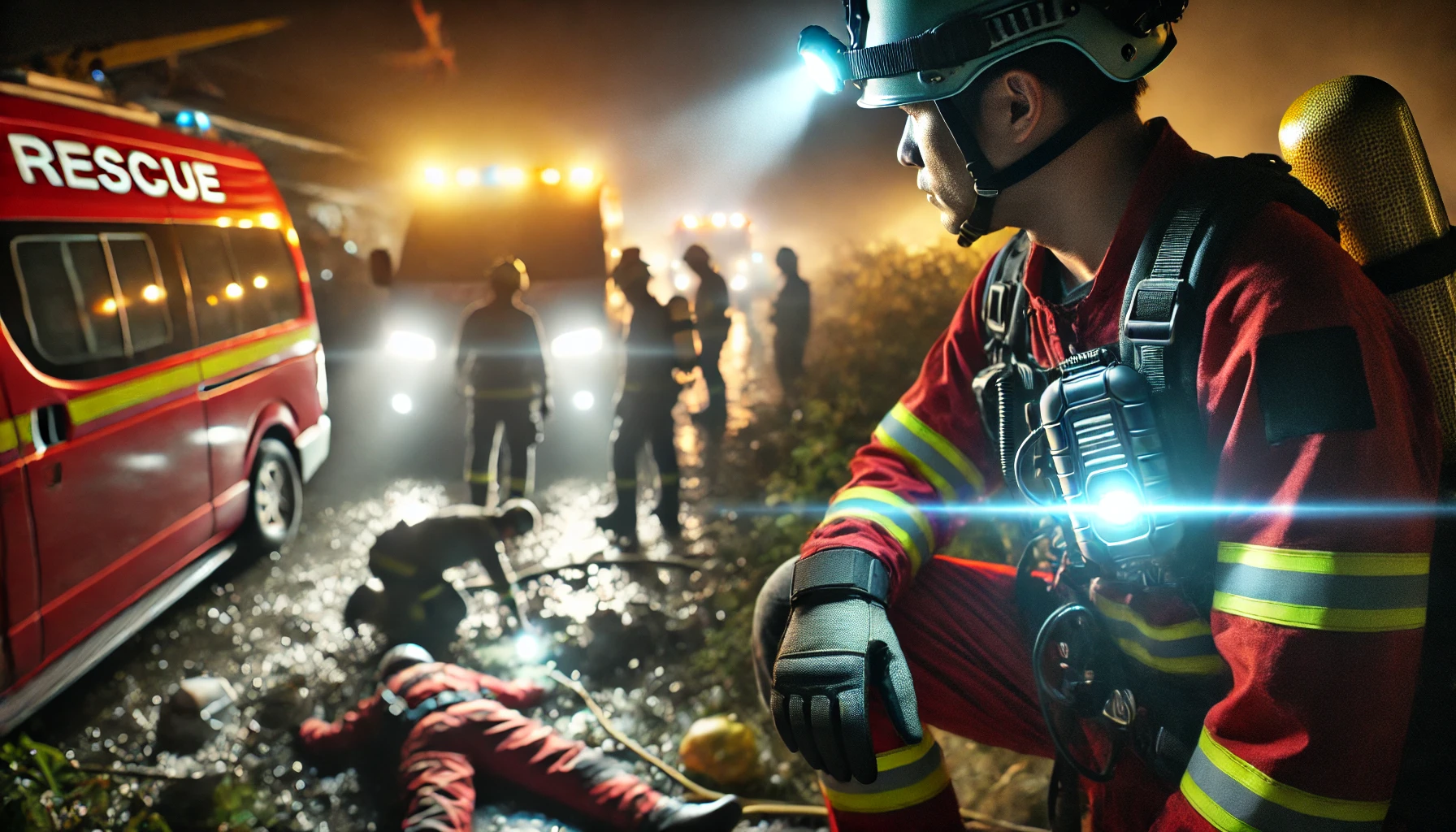
foggy road shoulders, dust near jobsites, smoke around exterior fire operations, rainy traffic control, storm response, night utility work, and outdoor returns after dark
Main User Pain Point
Near-zero visibility changes what a light needs to do. A bright beam can bounce back, create glare, or disappear in competing lights. The goal is recognition and placement discipline, not maximum intensity.
Where This Setup Works Best
The setup works best when the user needs to be noticed as a person, not just as equipment, a vehicle, or a distant point of light. In real work, the signal must survive motion, body posture, weather, clothing changes, tools, and attention limits.
Where This Setup Can Fail
Failure usually happens when the light is mounted too low, blocked by gear, aimed into someone’s eyes, set to a confusing flash pattern, or forgotten because the charging routine is unclear. A good field test should deliberately look for these failure points.
Decision Table
| Condition | Main risk | Placement advice |
|---|---|---|
| Fog | Backscatter and short recognition distance | Use body marker below eye line |
| Dust | Worker blends into brown or gray background | Use side-visible placement |
| Smoke | Scene lights create clutter | Use team-approved color and mode |
Field Test Checklist
- Define the exact user: roadside crews, firefighters, rescue teams, police officers, utility crews, outdoor users, event staff, and safety managers working in poor visibility.
- Recreate the real scenario: foggy road shoulders, dust near jobsites, smoke around exterior fire operations, rainy traffic control, storm response, night utility work, and outdoor returns after dark.
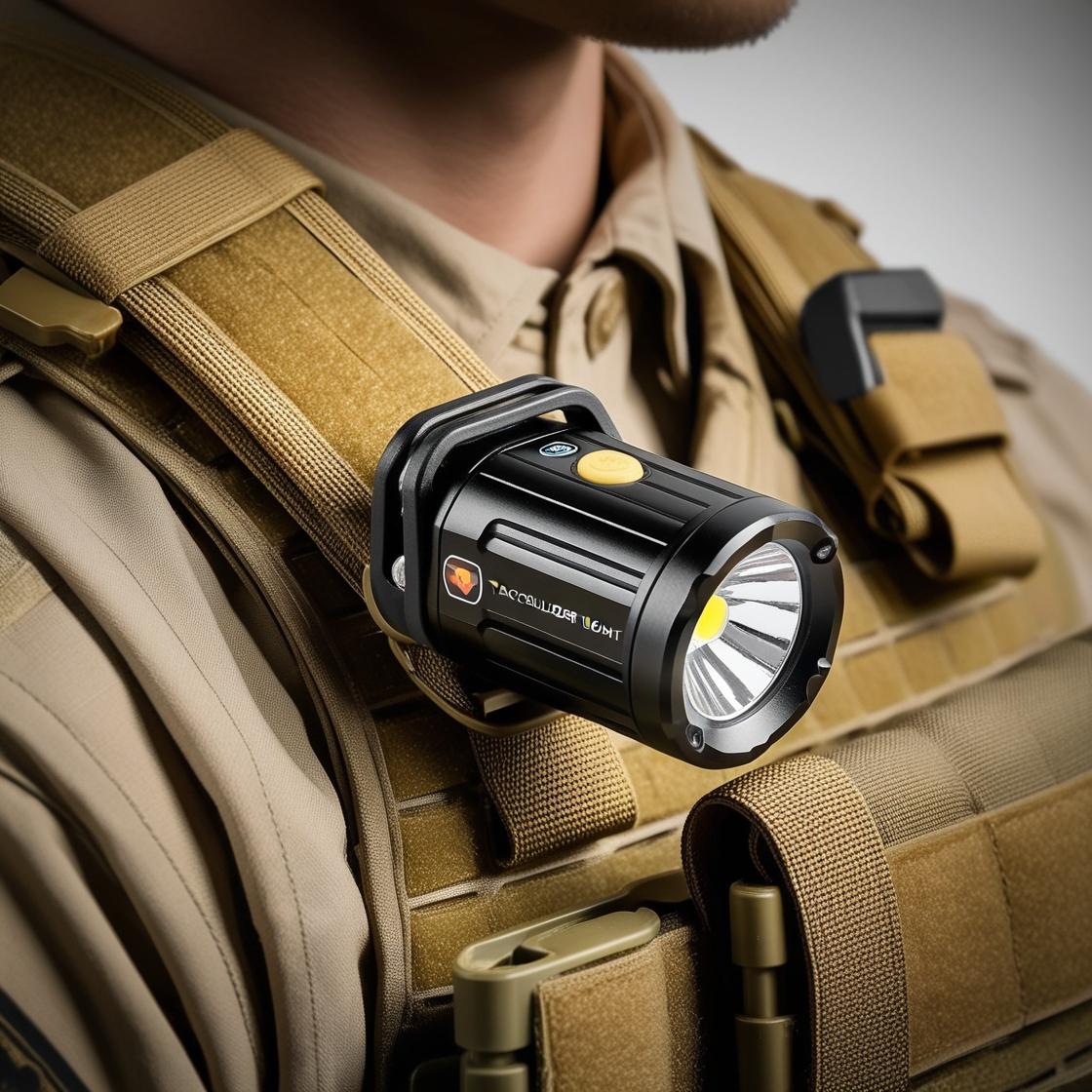
- Photograph the approved mounting position from front, rear, side, and diagonal angles.
- Test the light with real clothing, PPE, tools, gloves, bags, helmets, or straps.
- Use the lowest mode that creates reliable recognition without glare or confusion.
- Record charging, storage, cleaning, labeling, and replacement routines.
- Ask users whether the setup is comfortable enough for repeated use.
How Guardian ProX Fits the Evaluation
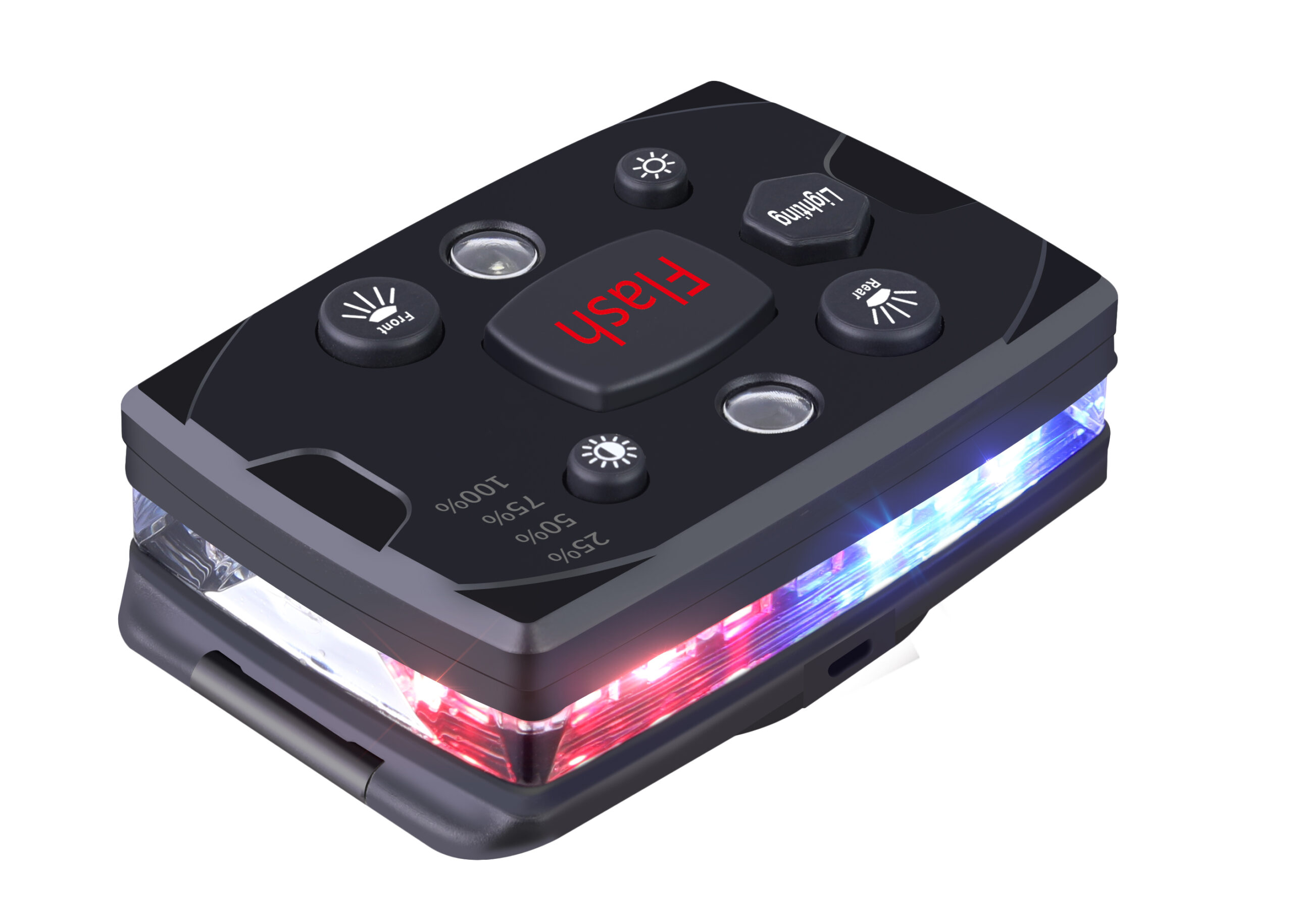
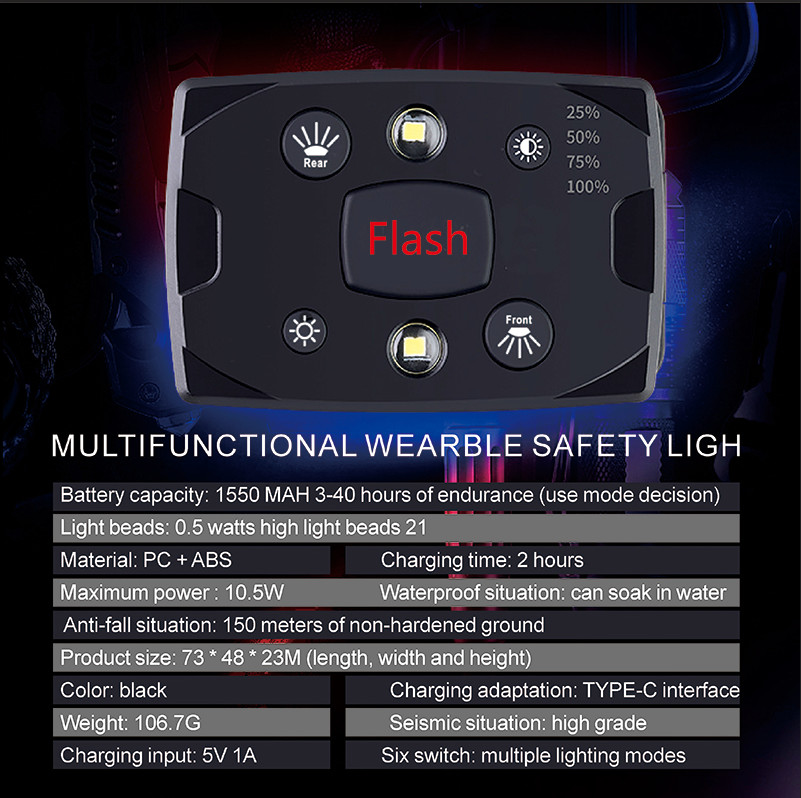
Guardian ProX wearable safety light can be used as a sample device when checking active visibility, mounting behavior, mode discipline, battery routine, and user acceptance. The point is not to approve a product from a catalog photo. The point is to test whether the device solves the actual searcher’s problem in a real field setup.
Internal Resources for Deeper Reading
- Wearable Safety Light Resource Center
- Rainy Roadside Waterproof Safety Light
- Avoiding Wearable Light Glare
- Firefighter Safety Light Exterior Operations
- Flash Patterns and Brightness Modes
- Guardian ProX Wearable Safety Light
Common Mistakes to Avoid
- Testing the light indoors only and assuming outdoor performance will match.
- Choosing the brightest mode even when it creates glare, confusion, or shorter runtime.
- Mounting the light where a vest, backpack, arm, helmet, hair, tool, or jacket blocks it.
- Ignoring side and rear visibility because the front view looks good.
- Buying in bulk before users confirm comfort and charging routine.
- Using a wearable light as a substitute for required PPE, policy, supervision, or traffic control.
User Intent and Practical Decision
People searching for safety light for fog dust smoke rain are usually not looking for a generic brochure. They need a decision they can defend: when the light is useful, where it should be placed, what risks remain, and how to test it before depending on it.
For this topic, the practical question is not whether a wearable light looks impressive on a table. The question is whether it helps another person recognize the user early enough in foggy road shoulders, dust near jobsites, smoke around exterior fire operations, rainy traffic control, storm response, night utility work, and outdoor returns after dark. That answer only appears when the test includes real movement, real gear, and real environmental limits.
Field Evidence to Collect
Useful evidence includes before-and-after photos, observer notes, short video, battery logs, mount notes, weather notes, user comments, and a pass/fail decision. This evidence is stronger than a single brightness claim.
For this topic, the practical question is not whether a wearable light looks impressive on a table. The question is whether it helps another person recognize the user early enough in foggy road shoulders, dust near jobsites, smoke around exterior fire operations, rainy traffic control, storm response, night utility work, and outdoor returns after dark. That answer only appears when the test includes real movement, real gear, and real environmental limits.
Procurement Notes
For teams and departments, the purchase should include spare units, charging cables, labels, user instructions, and a simple replacement plan. A light that cannot be charged, stored, or assigned reliably will not stay in service.
For this topic, the practical question is not whether a wearable light looks impressive on a table. The question is whether it helps another person recognize the user early enough in foggy road shoulders, dust near jobsites, smoke around exterior fire operations, rainy traffic control, storm response, night utility work, and outdoor returns after dark. That answer only appears when the test includes real movement, real gear, and real environmental limits.
Training Notes
Training should be short and role-based. Users need to know when to wear the light, which mode to use, where to mount it, how to avoid glare, and how to return it charged after the shift.
For this topic, the practical question is not whether a wearable light looks impressive on a table. The question is whether it helps another person recognize the user early enough in foggy road shoulders, dust near jobsites, smoke around exterior fire operations, rainy traffic control, storm response, night utility work, and outdoor returns after dark. That answer only appears when the test includes real movement, real gear, and real environmental limits.
Comparison With Ordinary Lighting
A flashlight, vehicle light, headlamp, bike light, or phone light may still be useful. The wearable safety light’s job is different: it marks the person, follows the body, and keeps hands free.
For this topic, the practical question is not whether a wearable light looks impressive on a table. The question is whether it helps another person recognize the user early enough in foggy road shoulders, dust near jobsites, smoke around exterior fire operations, rainy traffic control, storm response, night utility work, and outdoor returns after dark. That answer only appears when the test includes real movement, real gear, and real environmental limits.
FAQ
What is the short answer for Near-Zero Visibility Safety Light Guide: Fog, Dust, Smoke, Rain, and Night Work Placement?
Buyers should judge safety light for fog dust smoke rain by real visibility, mounting stability, user comfort, and repeatable field evidence, not only by brightness claims or product photos.
Can a wearable safety light replace required PPE or safety procedures?
No. It should supplement required PPE, traffic control, route planning, supervision, local rules, and professional judgment.
What should buyers test before ordering in bulk?
Test front, rear, side, and diagonal recognition; check the real mounting location; confirm charging routine; and ask users whether they will keep wearing it without reminders.
Why include Guardian ProX in the test?
Guardian ProX can be used as a sample wearable safety light for checking active visibility, mounting behavior, mode selection, battery routine, and user adoption before a larger order.
What is the biggest mistake to avoid?
The biggest mistake is approving a light after a desk demo. The test should happen with the actual user, clothing, tools, weather, movement, and lighting conditions.
Final Recommendation
Run a low-visibility placement drill with Guardian ProX before adopting a mode policy. Approve the setup only after the user can wear it comfortably, operate it under realistic stress, maintain visibility from multiple angles, and repeat the charging and storage routine without confusion.
Procurement Notes
For teams and departments, the purchase should include spare units, charging cables, labels, user instructions, and a simple replacement plan. A light that cannot be charged, stored, or assigned reliably will not stay in service.
For this topic, the practical question is not whether a wearable light looks impressive on a table. The question is whether it helps another person recognize the user early enough in foggy road shoulders, dust near jobsites, smoke around exterior fire operations, rainy traffic control, storm response, night utility work, and outdoor returns after dark. That answer only appears when the test includes real movement, real gear, and real environmental limits.
Training Notes
Training should be short and role-based. Users need to know when to wear the light, which mode to use, where to mount it, how to avoid glare, and how to return it charged after the shift.
For this topic, the practical question is not whether a wearable light looks impressive on a table. The question is whether it helps another person recognize the user early enough in foggy road shoulders, dust near jobsites, smoke around exterior fire operations, rainy traffic control, storm response, night utility work, and outdoor returns after dark. That answer only appears when the test includes real movement, real gear, and real environmental limits.
Comparison With Ordinary Lighting
A flashlight, vehicle light, headlamp, bike light, or phone light may still be useful. The wearable safety light’s job is different: it marks the person, follows the body, and keeps hands free.
For this topic, the practical question is not whether a wearable light looks impressive on a table. The question is whether it helps another person recognize the user early enough in foggy road shoulders, dust near jobsites, smoke around exterior fire operations, rainy traffic control, storm response, night utility work, and outdoor returns after dark. That answer only appears when the test includes real movement, real gear, and real environmental limits.
User Intent and Practical Decision
People searching for safety light for fog dust smoke rain are usually not looking for a generic brochure. They need a decision they can defend: when the light is useful, where it should be placed, what risks remain, and how to test it before depending on it.
For this topic, the practical question is not whether a wearable light looks impressive on a table. The question is whether it helps another person recognize the user early enough in foggy road shoulders, dust near jobsites, smoke around exterior fire operations, rainy traffic control, storm response, night utility work, and outdoor returns after dark. That answer only appears when the test includes real movement, real gear, and real environmental limits.
Field Evidence to Collect
Useful evidence includes before-and-after photos, observer notes, short video, battery logs, mount notes, weather notes, user comments, and a pass/fail decision. This evidence is stronger than a single brightness claim.
For this topic, the practical question is not whether a wearable light looks impressive on a table. The question is whether it helps another person recognize the user early enough in foggy road shoulders, dust near jobsites, smoke around exterior fire operations, rainy traffic control, storm response, night utility work, and outdoor returns after dark. That answer only appears when the test includes real movement, real gear, and real environmental limits.
Field Evidence to Collect
Useful evidence includes before-and-after photos, observer notes, short video, battery logs, mount notes, weather notes, user comments, and a pass/fail decision. This evidence is stronger than a single brightness claim.
For this topic, the practical question is not whether a wearable light looks impressive on a table. The question is whether it helps another person recognize the user early enough in foggy road shoulders, dust near jobsites, smoke around exterior fire operations, rainy traffic control, storm response, night utility work, and outdoor returns after dark. That answer only appears when the test includes real movement, real gear, and real environmental limits.
Procurement Notes
For teams and departments, the purchase should include spare units, charging cables, labels, user instructions, and a simple replacement plan. A light that cannot be charged, stored, or assigned reliably will not stay in service.
For this topic, the practical question is not whether a wearable light looks impressive on a table. The question is whether it helps another person recognize the user early enough in foggy road shoulders, dust near jobsites, smoke around exterior fire operations, rainy traffic control, storm response, night utility work, and outdoor returns after dark. That answer only appears when the test includes real movement, real gear, and real environmental limits.
Training Notes
Training should be short and role-based. Users need to know when to wear the light, which mode to use, where to mount it, how to avoid glare, and how to return it charged after the shift.
For this topic, the practical question is not whether a wearable light looks impressive on a table. The question is whether it helps another person recognize the user early enough in foggy road shoulders, dust near jobsites, smoke around exterior fire operations, rainy traffic control, storm response, night utility work, and outdoor returns after dark. That answer only appears when the test includes real movement, real gear, and real environmental limits.
Comparison With Ordinary Lighting
A flashlight, vehicle light, headlamp, bike light, or phone light may still be useful. The wearable safety light’s job is different: it marks the person, follows the body, and keeps hands free.
For this topic, the practical question is not whether a wearable light looks impressive on a table. The question is whether it helps another person recognize the user early enough in foggy road shoulders, dust near jobsites, smoke around exterior fire operations, rainy traffic control, storm response, night utility work, and outdoor returns after dark. That answer only appears when the test includes real movement, real gear, and real environmental limits.
New Wearable Safety Light Visibility Condition Guides
These guides explain how fog, dust, smoke, wet pavement glare, dawn or dusk lighting, blind spots, temporary traffic control, parking lots, loading docks, and visible-distance testing change wearable safety light decisions.
- Wearable Safety Light for Fog: Visibility Rules for Roadside, Yard, and Rescue Teams
- Wearable Safety Light for Dusty Worksites: Quarry, Construction, and Industrial Yard Visibility
- Wearable Safety Light for Smoke and Haze: Fire Support, Rescue, and Event Visibility
- Wearable Safety Light for Wet Pavement Glare: Rain, Headlights, and Hidden Workers
- Wearable Safety Light for Dawn and Dusk Shift Changes: Sun Glare, Shadows, and Traffic
- Wearable Safety Light for Backup Zones and Blind Spots Around Trucks, Forklifts, and Service Vehicles
- Wearable Safety Light for Temporary Traffic Control Setup and Tear-Down
- Wearable Safety Light for Parking Lot Pedestrian Safety: Staff, Guests, and After-Dark Movement
- Wearable Safety Light for Loading Dock Pedestrian Safety: Trucks, Forklifts, and Yard Crossings
- Wearable Safety Light Visible Distance Test: How Far Away Should Workers Be Recognized?