
Quick Answer
A visible distance test should measure useful recognition from the observer's viewpoint, with real clothing, mount position, background light, weather, movement, and the selected mode.
Definition
wearable safety light visible distance test: A wearable safety light visible distance test is a field method for checking how far away a worker can be recognized from realistic angles, backgrounds, lighting conditions, and movement patterns.
Key Takeaways
- A visible distance test should measure useful recognition from the observer's viewpoint, with real clothing, mount position, background light, weather, movement, and the selected mode.
- The useful test is whether the observer recognizes a person in the real condition, not whether the light looks bright in isolation.
- A wearable safety light should supplement PPE, traffic control, site rules, supervision, and training.
- Guardian ProX should be tested in the actual condition before a team makes a bulk purchase or writes a standard rule.
The Question
How far away should workers be recognized with a wearable safety light?
Direct Answer
The useful distance is the distance at which the observer can recognize a person early enough to react in that environment. Buyers should test recognition distance, not only maximum visible light distance from a product claim.
Why This Condition Creates Visibility Risk
Marketing distance claims can sound impressive but may not match the distance where a driver, operator, or supervisor can recognize a moving worker in context. That is why buyers should test the condition directly instead of relying on a general brightness claim.
Condition-Specific Decision Table
| Condition factor | Why it matters | How to test or manage it |
|---|---|---|
| Visible light distance | How far the light itself can be noticed. | Not enough for safety decisions by itself. |
| Recognition distance | How far away the observer identifies a person. | Use this as the practical metric. |
| Reaction distance | How much time the observer needs to act. | Connect distance to vehicle speed or task movement. |
| Angle test | Front, rear, side, and diagonal views differ. | Record each angle separately. |
| Background test | Headlights, rain, dust, cones, vehicles, or shadows change results. | Test the actual background. |
What to Check During the Field Test
| Check | What it means | Pass standard |
|---|---|---|
| Observer viewpoint | Who needs to see the worker: driver, forklift operator, supervisor, guest, or teammate. | Test from that exact height and approach direction. |
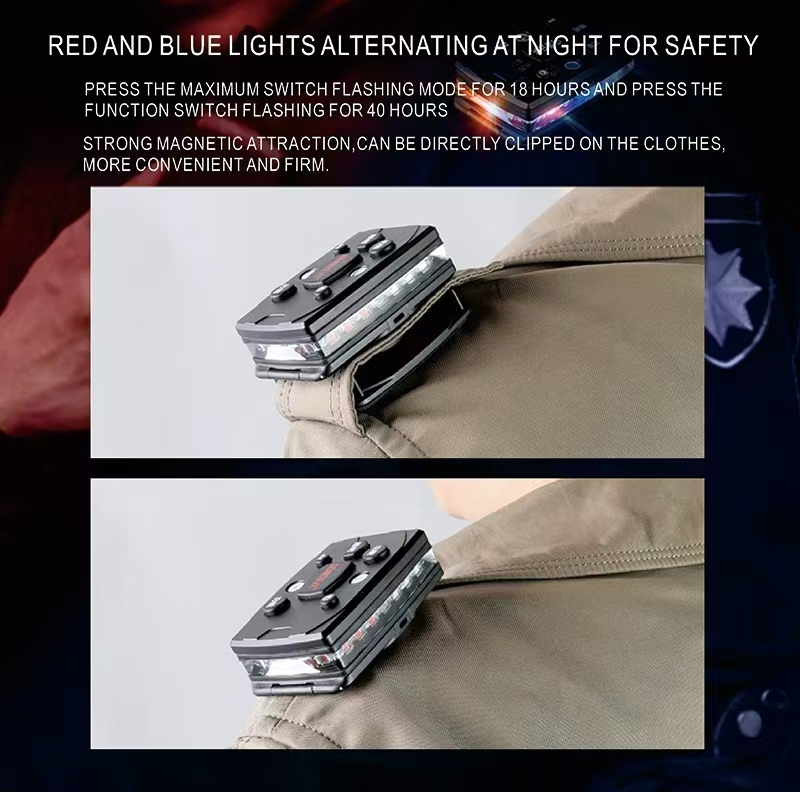
| Body placement | Where the light is mounted on shoulder, vest, helmet, belt, bag, or jacket. | Check whether the signal marks the person rather than a tool or vehicle. |
| Mode and color | Brightness, flash pattern, color, and glare level. | Use the lowest mode that creates reliable recognition. |
| Environmental condition | Fog, dust, haze, rain, glare, shadows, traffic, or blind spots. | Test in the condition that creates the visibility problem. |
| Operational rule | When the light turns on, who checks it, and where it returns after use. | A test only matters if the team can repeat it. |
Field Test Workflow
- Choose the exact condition that creates the visibility problem.
- Place one real user in the task, clothing, PPE, and mount position they normally use.
- Observe from the viewpoint of the person who must recognize the worker.
- Test front, rear, side, diagonal, moving, bending, and stopping positions.
- Compare the default mode with one lower mode and one higher mode.
- Record photo or video evidence and write a pass, retest, or reject decision.
For wearable safety light visible distance test, the first useful test is: Choose the observer who needs to notice the worker and measure recognition distance in the real environment.
Common Mistakes to Avoid
- Testing in a bright office instead of the actual condition.
- Judging only the light point instead of whether the observer recognizes a person.
- Using maximum brightness when glare or scatter makes recognition worse.
- Ignoring how jackets, vests, tools, helmets, or bags block the signal.
- Treating the wearable light as a replacement for required PPE, site controls, or supervision.
- Failing to write a repeatable mount, mode, charging, and inspection rule.
Internal Reading Path
Use these deeper guides to connect the condition-specific answer with technical testing, procurement, deployment, and support decisions.
- Visible Distance Claims Explained
- How Bright Should a Wearable Safety Light Be?
- Wearable Safety Light Photo and Video Test Guide
- Safety Light Field Test Scorecard
- Wearable Safety Light Trial Report Template
- Wearable Safety Light for Fog: Visibility Rules for Roadside, Yard, and Rescue Teams
- Wearable Safety Light for Dusty Worksites: Quarry, Construction, and Industrial Yard Visibility
- Wearable Safety Light for Smoke and Haze: Fire Support, Rescue, and Event Visibility
- Wearable Safety Light for Wet Pavement Glare: Rain, Headlights, and Hidden Workers
- Wearable Safety Light for Dawn and Dusk Shift Changes: Sun Glare, Shadows, and Traffic
- Wearable Safety Light for Backup Zones and Blind Spots Around Trucks, Forklifts, and Service Vehicles
Buyer Checklist
- Define the condition that makes the worker hard to see.
- Choose the observer viewpoint that matters most.
- Test the approved mount, mode, and color in that condition.
- Record photo or video evidence from the observer angle.
- Write the pass, retest, or reject decision.
- Connect the final rule to charging, storage, inspection, and training.
Recognition Beats Brightness
The goal is not just to see a light. The goal is to recognize that a person is present, moving, stopping, or working. In this condition, the practical problem is that Marketing distance claims can sound impressive but may not match the distance where a driver, operator, or supervisor can recognize a moving worker in context.
The desired result is The buyer wants a practical field-test method that separates useful recognition from headline brightness claims. That result should be proven through a field test, not assumed from a product photo.
Use Real Backgrounds
Headlights, wet ground, dust, fog, trailers, cones, shadows, and work lights can change visibility more than buyers expect. In this condition, the practical problem is that Marketing distance claims can sound impressive but may not match the distance where a driver, operator, or supervisor can recognize a moving worker in context.
The desired result is The buyer wants a practical field-test method that separates useful recognition from headline brightness claims. That result should be proven through a field test, not assumed from a product photo.
Write Down the Approved Setup
A successful test should produce a mount photo, mode rule, charging routine, and supervisor check. In this condition, the practical problem is that Marketing distance claims can sound impressive but may not match the distance where a driver, operator, or supervisor can recognize a moving worker in context.
The desired result is The buyer wants a practical field-test method that separates useful recognition from headline brightness claims. That result should be proven through a field test, not assumed from a product photo.
Keep Controls Layered
A wearable light is one layer. Barriers, signs, traffic plans, PPE, radios, lighting, and supervision still matter. In this condition, the practical problem is that Marketing distance claims can sound impressive but may not match the distance where a driver, operator, or supervisor can recognize a moving worker in context.
The desired result is The buyer wants a practical field-test method that separates useful recognition from headline brightness claims. That result should be proven through a field test, not assumed from a product photo.
Review After the First Week
Users often discover comfort, glare, charging, and mount problems only after repeated shifts. In this condition, the practical problem is that Marketing distance claims can sound impressive but may not match the distance where a driver, operator, or supervisor can recognize a moving worker in context.
The desired result is The buyer wants a practical field-test method that separates useful recognition from headline brightness claims. That result should be proven through a field test, not assumed from a product photo.
Use Evidence for Procurement
Photos, videos, and test notes make supplier comparison, approval, and reorders easier to defend. In this condition, the practical problem is that Marketing distance claims can sound impressive but may not match the distance where a driver, operator, or supervisor can recognize a moving worker in context.
The desired result is The buyer wants a practical field-test method that separates useful recognition from headline brightness claims. That result should be proven through a field test, not assumed from a product photo.
Recognition Beats Brightness
The goal is not just to see a light. The goal is to recognize that a person is present, moving, stopping, or working. In this condition, the practical problem is that Marketing distance claims can sound impressive but may not match the distance where a driver, operator, or supervisor can recognize a moving worker in context.
The desired result is The buyer wants a practical field-test method that separates useful recognition from headline brightness claims. That result should be proven through a field test, not assumed from a product photo.
Use Real Backgrounds
Headlights, wet ground, dust, fog, trailers, cones, shadows, and work lights can change visibility more than buyers expect. In this condition, the practical problem is that Marketing distance claims can sound impressive but may not match the distance where a driver, operator, or supervisor can recognize a moving worker in context.
The desired result is The buyer wants a practical field-test method that separates useful recognition from headline brightness claims. That result should be proven through a field test, not assumed from a product photo.
Write Down the Approved Setup
A successful test should produce a mount photo, mode rule, charging routine, and supervisor check. In this condition, the practical problem is that Marketing distance claims can sound impressive but may not match the distance where a driver, operator, or supervisor can recognize a moving worker in context.
The desired result is The buyer wants a practical field-test method that separates useful recognition from headline brightness claims. That result should be proven through a field test, not assumed from a product photo.
Keep Controls Layered
A wearable light is one layer. Barriers, signs, traffic plans, PPE, radios, lighting, and supervision still matter. In this condition, the practical problem is that Marketing distance claims can sound impressive but may not match the distance where a driver, operator, or supervisor can recognize a moving worker in context.
The desired result is The buyer wants a practical field-test method that separates useful recognition from headline brightness claims. That result should be proven through a field test, not assumed from a product photo.
Review After the First Week
Users often discover comfort, glare, charging, and mount problems only after repeated shifts. In this condition, the practical problem is that Marketing distance claims can sound impressive but may not match the distance where a driver, operator, or supervisor can recognize a moving worker in context.
The desired result is The buyer wants a practical field-test method that separates useful recognition from headline brightness claims. That result should be proven through a field test, not assumed from a product photo.
Use Evidence for Procurement
Photos, videos, and test notes make supplier comparison, approval, and reorders easier to defend. In this condition, the practical problem is that Marketing distance claims can sound impressive but may not match the distance where a driver, operator, or supervisor can recognize a moving worker in context.
The desired result is The buyer wants a practical field-test method that separates useful recognition from headline brightness claims. That result should be proven through a field test, not assumed from a product photo.
Recognition Beats Brightness
The goal is not just to see a light. The goal is to recognize that a person is present, moving, stopping, or working. In this condition, the practical problem is that Marketing distance claims can sound impressive but may not match the distance where a driver, operator, or supervisor can recognize a moving worker in context.
The desired result is The buyer wants a practical field-test method that separates useful recognition from headline brightness claims. That result should be proven through a field test, not assumed from a product photo.
Use Real Backgrounds
Headlights, wet ground, dust, fog, trailers, cones, shadows, and work lights can change visibility more than buyers expect. In this condition, the practical problem is that Marketing distance claims can sound impressive but may not match the distance where a driver, operator, or supervisor can recognize a moving worker in context.
The desired result is The buyer wants a practical field-test method that separates useful recognition from headline brightness claims. That result should be proven through a field test, not assumed from a product photo.
Write Down the Approved Setup
A successful test should produce a mount photo, mode rule, charging routine, and supervisor check. In this condition, the practical problem is that Marketing distance claims can sound impressive but may not match the distance where a driver, operator, or supervisor can recognize a moving worker in context.
The desired result is The buyer wants a practical field-test method that separates useful recognition from headline brightness claims. That result should be proven through a field test, not assumed from a product photo.
FAQ
How far away should workers be recognized with a wearable safety light?
The useful distance is the distance at which the observer can recognize a person early enough to react in that environment. Buyers should test recognition distance, not only maximum visible light distance from a product claim.
What should the team test first?
Choose the observer who needs to notice the worker and measure recognition distance in the real environment.
Can a wearable safety light solve the condition alone?
No. It can help mark the person, but it should be used with required PPE, traffic control, site lighting, supervision, training, and local procedures.
What evidence should buyers keep?
Keep photos or videos from the real observer angle, notes about mode and mount, user feedback, battery notes, weather or lighting conditions, and the final pass or retest decision.
How can Guardian ProX be used in this condition?
Guardian ProX can be used as a sample device to test active visibility, mount position, brightness, color, charging routine, and user acceptance in the actual condition before a larger order.
Recommended Next Step
If this condition appears in your work environment, test Guardian ProX wearable safety light with the actual user, clothing, observer viewpoint, weather or lighting condition, and charging routine before making a larger purchase.
New Wearable Safety Light Safety Program Document Guides
These guides help teams turn wearable safety light deployment into practical documents: toolbox talks, pre-shift checks, supervisor audits, job hazard reviews, contractor rules, PPE compatibility audits, incident questions, training sign-offs, shift scripts, and program roadmaps.
- Wearable Safety Light Toolbox Talk: 10-Minute Briefing for Night Work Crews
- Wearable Safety Light Pre-Shift Inspection Checklist for Crews and Supervisors
- Wearable Safety Light Supervisor Audit Checklist for Field Use, Charging, and User Adoption
- Wearable Safety Light Job Hazard Analysis Guide for Roadside, Yard, and Event Work
- Wearable Safety Light Contractor and Visitor Policy Guide for Shared Worksites
- Wearable Safety Light PPE Compatibility Audit: Vests, Helmets, Harnesses, Radios, and Body Cameras
- Wearable Safety Light Incident Investigation Questions for Visibility-Related Near Misses
- Wearable Safety Light Training Sign-Off Sheet Guide for Departments and Fleets
- Wearable Safety Light Shift Briefing Script for Roadside, Warehouse, Security, and Event Teams
- Wearable Safety Light Safety Program Roadmap: From Pilot Test to Daily Compliance