
Quick Answer
Before a bulk order, define user groups, light color policy, mounting positions, charging ownership, spare-unit ratio, accessory mix, labeling, deployment schedule, warranty process, and feedback method.
Definition
wearable safety light bulk order checklist: A wearable safety light bulk order checklist helps organizations choose quantities, colors, mounts, accessories, charging routines, spare units, and replacement plans before buying lights for a team.
Key Takeaways
- Before a bulk order, define user groups, light color policy, mounting positions, charging ownership, spare-unit ratio, accessory mix, labeling, deployment schedule, warranty process, and feedback method.
- The right buying process compares complete kits, real use scenarios, sample evidence, and support terms rather than unit price alone.
- Buyers should document assumptions before sample approval, mass production, shipment, and team deployment.
- Guardian ProX should be evaluated through field behavior, user acceptance, charging routine, and repeatability.

Who This Guide Is For
This guide is for police departments, roadside contractors, rescue teams, utility crews, event-safety managers, distributors, and fleet buyers ordering dozens or hundreds of wearable lights. It answers a practical buying question: how can the team choose a wearable safety light without relying on vague claims, incomplete quotes, or a sample that was never tested in real use?
Buyer Question This Guide Answers
The buyer is usually trying to solve this problem: Bulk mistakes multiply quickly. One wrong mount, weak battery routine, confusing mode, or poor packaging decision can affect every user in the rollout. The desired result is simple: The buyer wants an order plan that reduces deployment friction and makes the purchase easier to justify internally.
The context is a manager is preparing a team rollout after a sample test and needs to define quantity, accessories, spare units, training, and replacement process. This is why the article focuses on evidence, repeatability, and a decision process that can survive internal review.
Specification Checklist
| Decision area | What to verify | Buyer action |
|---|---|---|
| Team roles | Separate patrol, traffic, tow, rescue, utility, supervisor, and spare-unit needs. | Ask the supplier to show how this is handled for wearable safety light bulk order checklist. |
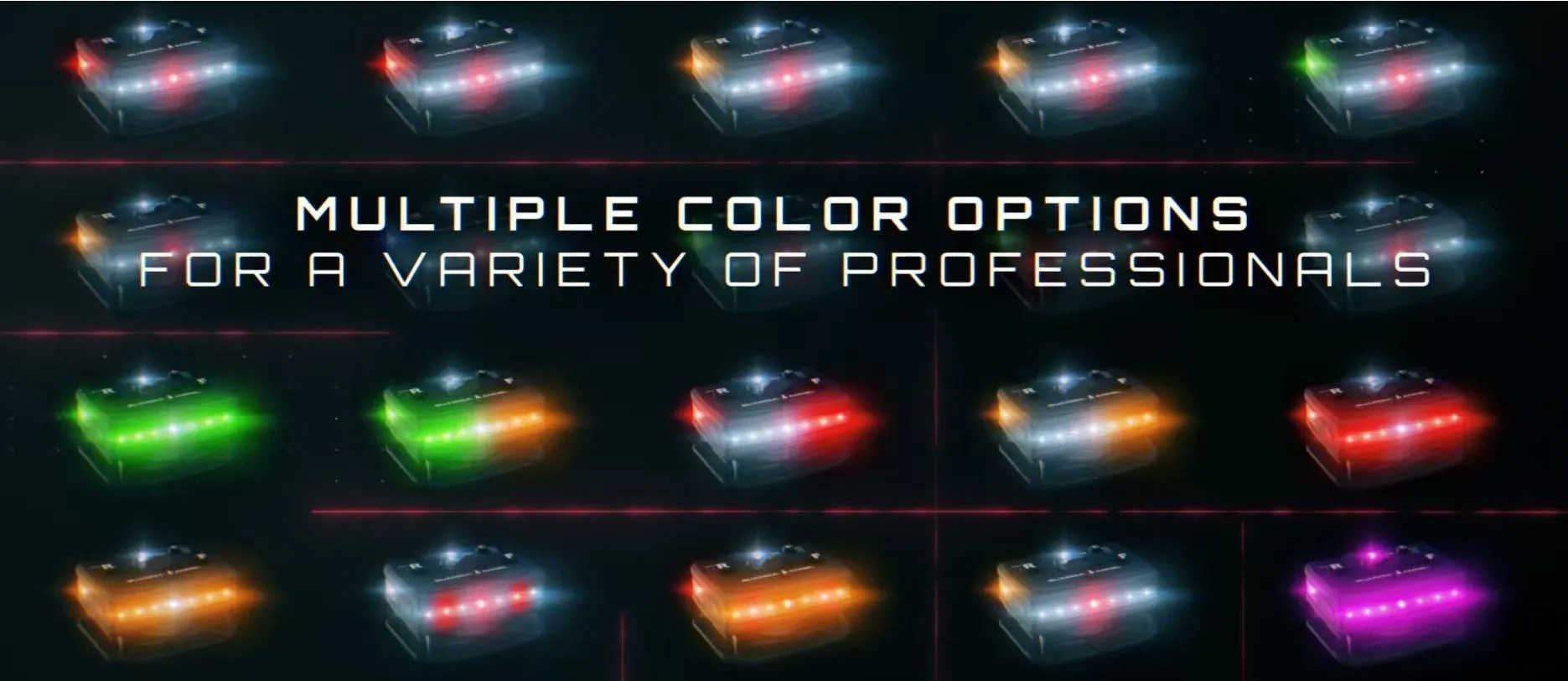
| Color policy | Confirm amber, white, red, blue, green, or mixed-mode rules before buying. | Ask the supplier to show how this is handled for wearable safety light bulk order checklist. |
| Mount compatibility | Match hard hats, vests, shoulder straps, rain gear, harnesses, bikes, vehicles, and bags. | Ask the supplier to show how this is handled for wearable safety light bulk order checklist. |
| Charging workflow | Assign charging station, cable control, inspection timing, and responsibility. | Ask the supplier to show how this is handled for wearable safety light bulk order checklist. |
| Spare and replacement ratio | Plan extra units for loss, damage, visitors, training, and warranty turnaround. | Ask the supplier to show how this is handled for wearable safety light bulk order checklist. |
| Deployment records | Label units or batches so problems can be traced. | Ask the supplier to show how this is handled for wearable safety light bulk order checklist. |
Practical Sample Test Plan
A sample test for Wearable Safety Light Bulk Order Checklist for Police, Roadside, Rescue, and Utility Teams should not be a quick desk demo. The buyer should test the light in a manager is preparing a team rollout after a sample test and needs to define quantity, accessories, spare units, training, and replacement process. That means the sample should be worn, mounted, charged, cleaned, moved, and handled by the same type of user who will depend on it after purchase.
- Define the user role, clothing, mount position, color mode, and expected shift length.
- Photograph the approved mounting position before the test starts.
- Observe the user from front, rear, side, and diagonal angles.
- Check controls with gloves, wet hands, or field stress if the use case requires it.
- Record battery behavior, charging time, comfort, and any accessory failure.
- Ask the user whether they would keep wearing the light without being reminded.
The test result should decide the quote, not the other way around. A cheap sample that users reject is expensive. A professional quote that includes the right mount, packaging, and support can be more economical over the full deployment period.
Decision Matrix
| Step | Question to answer | Pass standard |
|---|---|---|
| Step 1: Team roles | Separate patrol, traffic, tow, rescue, utility, supervisor, and spare-unit needs. | Pass only when the answer is specific enough to guide sampling, pricing, inspection, and deployment. |
| Step 2: Color policy | Confirm amber, white, red, blue, green, or mixed-mode rules before buying. | Pass only when the answer is specific enough to guide sampling, pricing, inspection, and deployment. |
| Step 3: Mount compatibility | Match hard hats, vests, shoulder straps, rain gear, harnesses, bikes, vehicles, and bags. | Pass only when the answer is specific enough to guide sampling, pricing, inspection, and deployment. |
| Step 4: Charging workflow | Assign charging station, cable control, inspection timing, and responsibility. | Pass only when the answer is specific enough to guide sampling, pricing, inspection, and deployment. |
| Step 5: Spare and replacement ratio | Plan extra units for loss, damage, visitors, training, and warranty turnaround. | Pass only when the answer is specific enough to guide sampling, pricing, inspection, and deployment. |
Evidence Buyers Should Request
| Evidence | Why it matters | How to use it |
|---|---|---|
| Pilot feedback | Use sample-test feedback before choosing the final accessory mix. | Keep this evidence in the project folder before approval. |
| User role matrix | Map each role to color, mount, runtime, and quantity. | Keep this evidence in the project folder before approval. |
| Storage plan | Decide where lights charge and how supervisors verify readiness. | Keep this evidence in the project folder before approval. |
| Replacement rule | Define what happens when a light fails, is lost, or needs a new mount. | Keep this evidence in the project folder before approval. |
How to Compare Supplier Answers
Use the same comparison format for every supplier. If one supplier quotes a complete kit and another quotes only the lamp body, the prices are not comparable. If one supplier includes retail packaging and another ships plain bulk units, the difference should be visible in the comparison sheet.
| Comparison item | Weak answer | Stronger answer |
|---|---|---|
| Specification | Bright rechargeable light | Defined color modes, runtime, mount, waterproof expectation, charging method, and accessory list |
| Testing | Factory says it is good | Sample test, mode test, charging check, waterproof sample check, and buyer field feedback |
| Packaging | Standard package | Confirmed box type, manual language, barcode, carton mark, and accessory layout |
| Lead time | Fast delivery | Sample time, artwork time if needed, production time, inspection time, and shipping time |
| Support | Warranty available | Clear defect reporting, replacement process, spare mounts, and response time |
This is where Guardian ProX wearable safety light can be used as a field sample. The buyer can check whether its mounting, controls, modes, charging, and housing match the intended use before a larger decision is made.
Common Mistakes to Avoid
- Ordering one kit for every user without checking role differences.
- Forgetting spare units and replacement mounts.
- Choosing color modes before checking department or site policy.
- Skipping training because the device seems simple.
- Not assigning responsibility for charging and inspection.
The safest buying process is not the process with the most paperwork. It is the process that prevents hidden assumptions. Every item above should be resolved before a purchase becomes difficult to change.
Internal Reading Path
Use these related guides to move from general research to supplier comparison, sample testing, deployment, and after-sales control.
- Wearable Safety Light Procurement Hub
- Government Buyer Checklist
- Roadside Construction Utility Safety Light Hub
- Law Enforcement Wearable Safety Light Hub
- Safety Grant Application Checklist for Wearable Lights
- Wearable Safety Light RFQ Guide: Specs, Testing, MOQ, Lead Time, and Supplier Questions
- Wearable Safety Light Factory Audit Checklist for B2B Buyers
- Custom Logo Wearable Safety Lights: OEM Branding, Packaging, MOQ, and Sample Approval Guide
- Guardian ProX Wearable Safety Light
Implementation Checklist
- Write down the user role and operating environment.
- Choose the mount and light mode before asking for final pricing.
- Request sample evidence and test the device in the field.
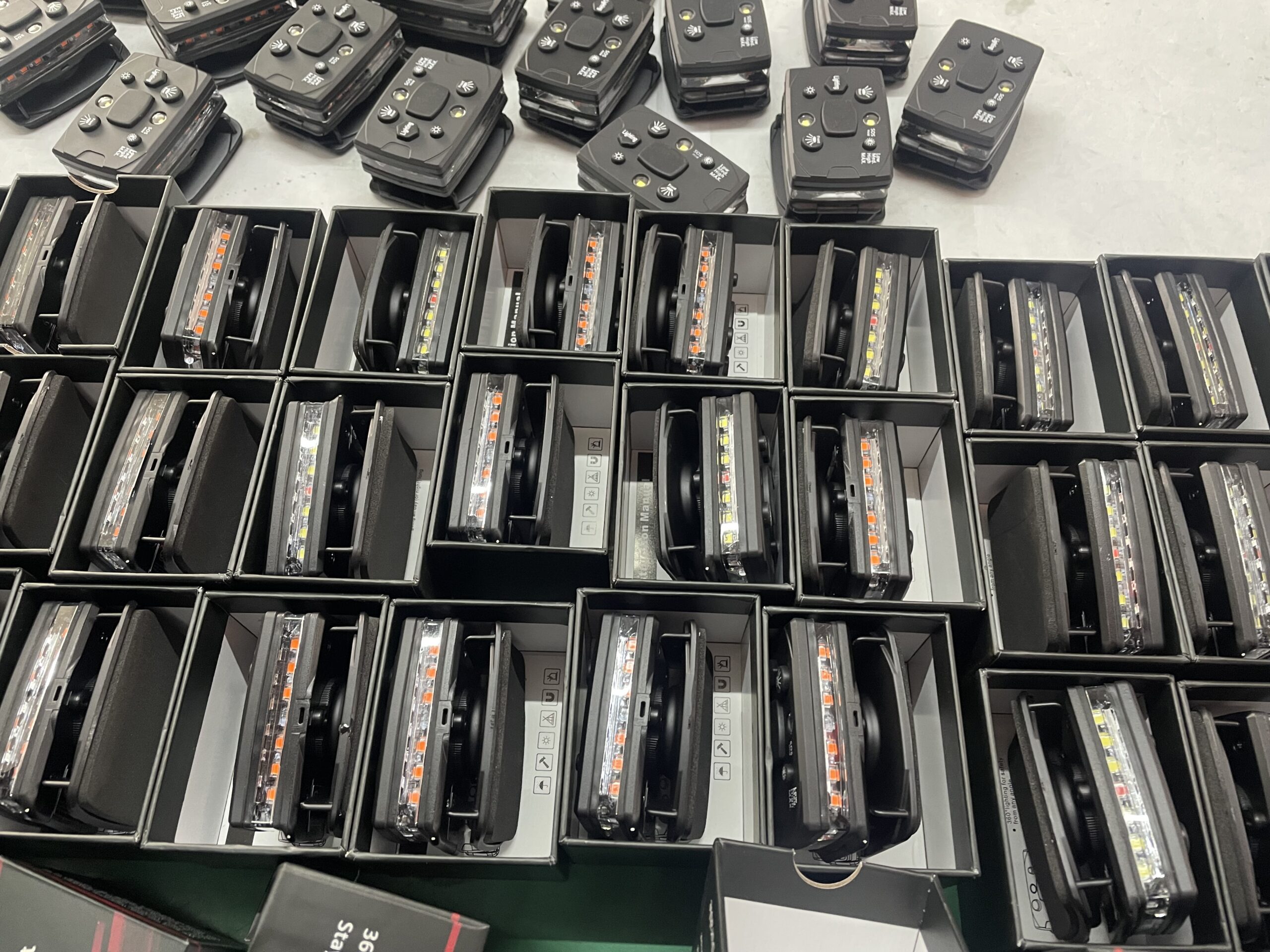
- Confirm packaging, labels, accessories, and documentation.
- Define inspection and replacement rules before shipment or rollout.
- Keep a record of user feedback after the first deployment.
Define ownership for Wearable Safety Light Bulk Order Checklist
A buying decision becomes operational only when someone owns sample testing, approval, charging, storage, and replacement. In this topic, the key user is police departments, roadside contractors, rescue teams, utility crews, event-safety managers, distributors, and fleet buyers ordering dozens or hundreds of wearable lights. Their real concern is that Bulk mistakes multiply quickly. One wrong mount, weak battery routine, confusing mode, or poor packaging decision can affect every user in the rollout.
For that reason, each decision should be tied to evidence: sample behavior, photo proof, user feedback, inspection records, or a written supplier answer. When evidence is missing, the buyer should slow down and ask one more question before committing.
Use real users for Wearable Safety Light Bulk Order Checklist
The people who will wear the light should test the light. Procurement and safety teams can guide the test, but user acceptance decides whether the device stays in service. In this topic, the key user is police departments, roadside contractors, rescue teams, utility crews, event-safety managers, distributors, and fleet buyers ordering dozens or hundreds of wearable lights. Their real concern is that Bulk mistakes multiply quickly. One wrong mount, weak battery routine, confusing mode, or poor packaging decision can affect every user in the rollout.
For that reason, each decision should be tied to evidence: sample behavior, photo proof, user feedback, inspection records, or a written supplier answer. When evidence is missing, the buyer should slow down and ask one more question before committing.
Separate must-have from nice-to-have for Wearable Safety Light Bulk Order Checklist
A useful decision sheet separates mandatory safety, compliance, and deployment needs from optional branding, packaging, and convenience features. In this topic, the key user is police departments, roadside contractors, rescue teams, utility crews, event-safety managers, distributors, and fleet buyers ordering dozens or hundreds of wearable lights. Their real concern is that Bulk mistakes multiply quickly. One wrong mount, weak battery routine, confusing mode, or poor packaging decision can affect every user in the rollout.
For that reason, each decision should be tied to evidence: sample behavior, photo proof, user feedback, inspection records, or a written supplier answer. When evidence is missing, the buyer should slow down and ask one more question before committing.
Record what changed for Wearable Safety Light Bulk Order Checklist
If mount, color, packaging, or accessory mix changes after sample approval, write it down. Small changes can affect user acceptance and supplier responsibility. In this topic, the key user is police departments, roadside contractors, rescue teams, utility crews, event-safety managers, distributors, and fleet buyers ordering dozens or hundreds of wearable lights. Their real concern is that Bulk mistakes multiply quickly. One wrong mount, weak battery routine, confusing mode, or poor packaging decision can affect every user in the rollout.
For that reason, each decision should be tied to evidence: sample behavior, photo proof, user feedback, inspection records, or a written supplier answer. When evidence is missing, the buyer should slow down and ask one more question before committing.
Review after first shipment for Wearable Safety Light Bulk Order Checklist
The first delivery should create a feedback loop. Receiving inspection, user comments, and defect records should improve the second order. In this topic, the key user is police departments, roadside contractors, rescue teams, utility crews, event-safety managers, distributors, and fleet buyers ordering dozens or hundreds of wearable lights. Their real concern is that Bulk mistakes multiply quickly. One wrong mount, weak battery routine, confusing mode, or poor packaging decision can affect every user in the rollout.
For that reason, each decision should be tied to evidence: sample behavior, photo proof, user feedback, inspection records, or a written supplier answer. When evidence is missing, the buyer should slow down and ask one more question before committing.
Keep the problem visible for Wearable Safety Light Bulk Order Checklist
The product is not the goal by itself. The goal is better recognition, easier deployment, fewer failures, and a smoother buying process. In this topic, the key user is police departments, roadside contractors, rescue teams, utility crews, event-safety managers, distributors, and fleet buyers ordering dozens or hundreds of wearable lights. Their real concern is that Bulk mistakes multiply quickly. One wrong mount, weak battery routine, confusing mode, or poor packaging decision can affect every user in the rollout.
For that reason, each decision should be tied to evidence: sample behavior, photo proof, user feedback, inspection records, or a written supplier answer. When evidence is missing, the buyer should slow down and ask one more question before committing.
FAQ
How many spare wearable safety lights should a team order?
The right spare ratio depends on team size, shift structure, damage risk, and replacement time. Many teams should plan spare units rather than buying only one per user.
Should every team member receive the same kit?
Not always. Different roles may need different mounts, colors, or accessories. A matrix prevents overbuying and under-equipping.
What should be tested before bulk purchase?
Test mounting, visibility angles, controls, charging routine, user comfort, and weather or impact concerns in the real work setting.
How should a department manage charging?
Assign charging ownership, location, inspection timing, and cable control so lights are ready before shifts.
Can Guardian ProX be used for a bulk-order pilot?
Yes. Guardian ProX can be used as a sample device for testing roles, mounts, modes, charging, and deployment workflow.
Recommended Next Step
If this topic matches your buying situation, prepare the user role, target quantity, expected environment, preferred mount, package requirement, and destination country. Then use Guardian ProX wearable safety light as a sample reference to test visibility, charging, durability, mounting, and user acceptance before a larger order.
New Wearable Safety Light Buyer Decision Tools
These practical tools help procurement teams, safety managers, distributors, and department buyers organize evidence, score suppliers, build budgets, and approve wearable safety light rollouts.
- Wearable Safety Light Procurement Decision Toolkit: Scorecards, Evidence, Budget, and Approval Steps
- Wearable Safety Light Trial Report Template for Safety Committees and Department Buyers
- Wearable Safety Light RFQ Scoring Matrix for Comparing Suppliers, Samples, and Support
- Wearable Safety Light Total Cost of Ownership Guide for Fleets and Departments
- Wearable Safety Light Rollout Budget Worksheet for Small Departments and Crews
- Wearable Safety Light Distributor Product Page Checklist for Resellers and Safety Catalogs
- Private Label Wearable Safety Light Kit Checklist for Resellers and OEM Buyers
- Wearable Safety Light Compliance Evidence Folder: Photos, Test Logs, Training Records, and Warranty Notes
- Wearable Safety Light Supplier Red Flags: Quote, Sample, Warranty, and Support Warning Signs
- Wearable Safety Light Purchase Approval Memo Template for Managers and Safety Teams