
Quick Answer
A wearable safety light procurement decision toolkit should combine a use-case brief, sample test scorecard, supplier comparison sheet, budget worksheet, evidence folder, approval memo, rollout gate, and replacement plan so the buyer can compare options without relying on vague product claims.
Definition
wearable safety light procurement decision toolkit: A wearable safety light procurement decision toolkit is a set of scorecards, evidence requirements, budget checks, rollout gates, and approval steps that helps buyers move from product interest to a defensible purchase decision.
Key Takeaways
- A wearable safety light procurement decision toolkit should combine a use-case brief, sample test scorecard, supplier comparison sheet, budget worksheet, evidence folder, approval memo, rollout gate, and replacement plan so the buyer can compare options without relying on vague product claims.
- The best decision tools turn field observations into comparable evidence instead of loose opinions.
- A complete purchase decision includes accessories, charging, training, storage, support, and replacement planning.
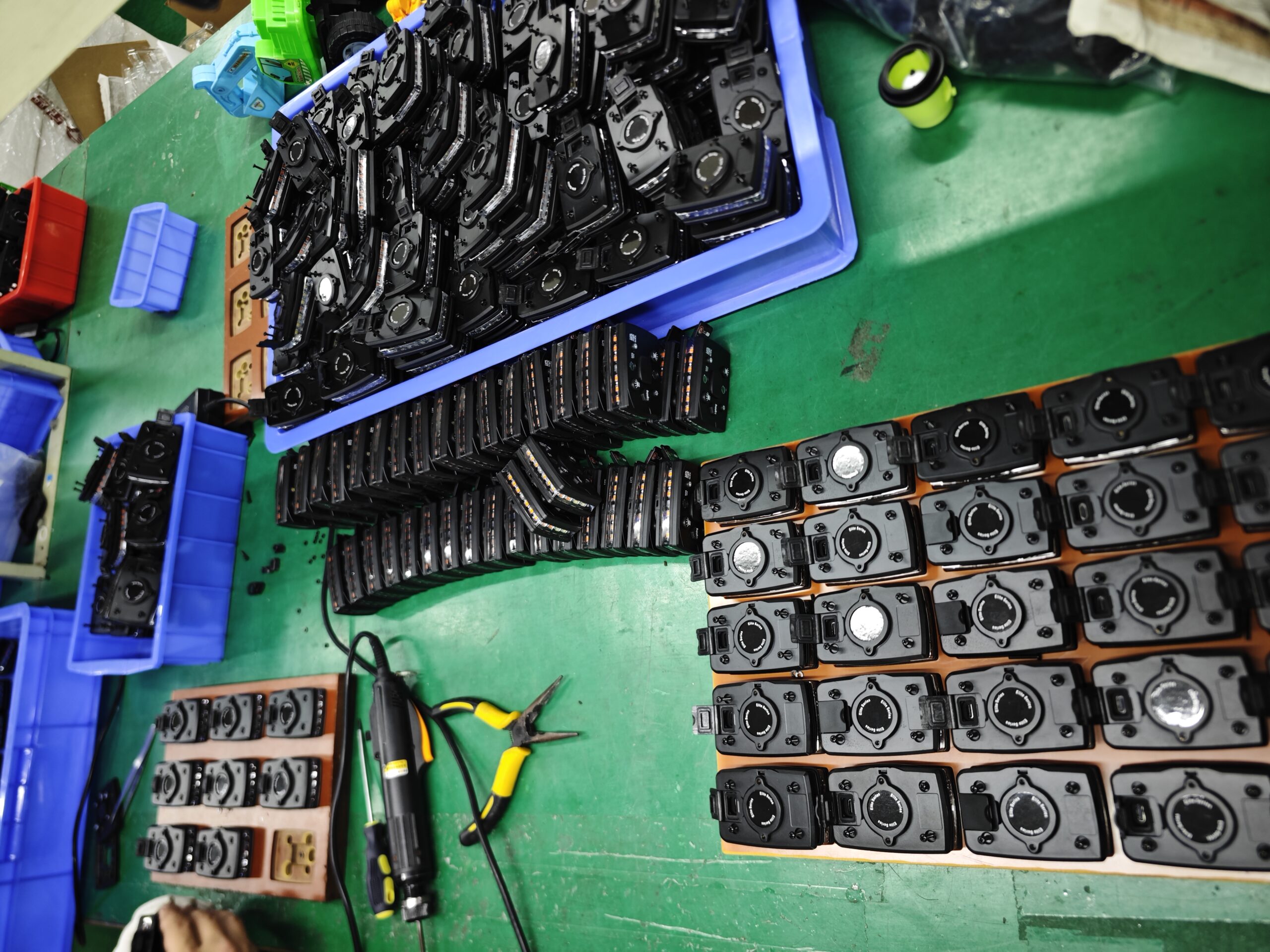
- Guardian ProX should be tested as a real sample before the buyer commits to volume or rollout.
Who This Guide Is For
This guide is for safety managers, procurement teams, police departments, public works teams, fleet leaders, distributors, and department buyers. It is written for teams that need a documented purchase recommendation and want a practical decision process, not a vague product discussion.
The Problem This Tool Solves
Wearable safety lights often look simple, but purchase decisions become messy when teams compare brightness, mounts, price, accessories, charging, warranty, user acceptance, and field evidence without one shared format. The desired result is straightforward: The buyer wants a clear decision path that makes the final choice easier to defend internally and easier to repeat for future orders.
This tool helps the buyer organize evidence before price pressure, internal opinions, or incomplete supplier claims take over the decision.
Inputs Needed Before You Start
| Input | What it means | How to use it |
|---|---|---|
| User role | Who wears or manages the light. | Write the role and shift context in one sentence. |
| Risk scenario | Where visibility or recognition is weak. | Use a real route, work zone, vehicle movement area, or field task. |
| Sample evidence | Photos, video, scorecard, user notes, battery comments, and mount feedback. | Do not approve from catalog claims alone. |
| Supplier details | Included kit, lead time, warranty, support contact, and replacement process. | Make every supplier answer in the same format. |
| Rollout owner | Person responsible for training, charging, storage, inspection, and replacement. | Name the owner before purchase. |

Practical Tool Template
| Tool item | What to record | Why it matters |
|---|---|---|
| Use-case brief | Defines who wears the light, where, why, and under what conditions. | Prevents the team from comparing products without a real scenario. |
| Sample scorecard | Scores visibility, mount, controls, comfort, runtime, and adoption. | Turns field opinions into comparable evidence. |
| Supplier matrix | Compares included kit, support, warranty, lead time, and spare parts. | Separates complete offers from low unit-price quotes. |
| Budget worksheet | Adds accessories, charging, labels, loss, replacement, and training. | Shows the real rollout cost instead of only lamp price. |
| Approval memo | Summarizes problem, evidence, risk, cost, and recommendation. | Gives managers a concise reason to approve or reject the purchase. |
Step-by-Step Workflow
- Define the user problem in plain language.
- Collect sample evidence from the real environment.
- Compare suppliers or options using the same scoring categories.
- Build the budget from complete kit cost, not only unit price.
- Write the approval or rejection reason while the evidence is fresh.
- Connect the decision to deployment: training, charging, storage, inspection, and replacement.
For wearable safety light procurement decision toolkit, the strongest decision is the one that a new manager can understand six months later. Good documentation keeps the team from repeating the same questions every time a reorder, warranty issue, or user complaint appears.

Suggested Scoring Weights
| Score area | What to include | Suggested weight |
|---|---|---|
| Field performance | Visibility from real angles, mount stability, controls, glare, and runtime. | 30% |
| User adoption | Comfort, ease of use, charging compliance, and willingness to keep wearing it. | 20% |
| Kit completeness | Mounts, chargers, labels, instructions, packaging, and spare accessories. | 15% |
| Supplier support | Warranty workflow, defect response, documentation, and replacement availability. | 15% |
| Delivered cost | Unit price plus shipping, accessories, replacement reserve, and rollout setup. | 20% |
Decision Outcomes
| Outcome | When to use it | Next action |
|---|---|---|
| Pass | Evidence supports field use, users accept the setup, and cost is clear. | Move to pilot expansion or purchase approval. |
| Conditional pass | The idea works, but mount, mode, charging, or accessory mix needs adjustment. | Fix the condition and retest the changed item. |
| Retest | Evidence is incomplete, users disagree, or the scenario was not realistic. | Repeat the field test before spending more. |
| Compare | Supplier answers or sample performance are not strong enough. | Use the same matrix with another supplier or sample. |
| Reject | The setup creates glare, confusion, poor adoption, or weak support. | Record the reason so the team does not repeat the same mistake. |

Evidence Folder Checklist
| Evidence | What it proves | How to use it |
|---|---|---|
| Approved setup photo | Shows mount, clothing, position, and mode. | Use it for training and future review. |
| Field-test note | Shows where and how the device was tested. | Prevents the decision from becoming a memory debate. |
| User feedback | Shows comfort, friction, control issues, and adoption risk. | Improves rollout before quantity increases. |
| Supplier answer | Shows what the quote includes and how support works. | Protects the buyer if a problem appears later. |
| Budget record | Shows unit cost, accessories, shipping, replacement reserve, and setup cost. | Makes approval easier to defend. |
Common Mistakes to Avoid
- Comparing only unit price while ignoring mounts, chargers, labels, training, and support.
- Approving a product without testing the actual user role and environment.
- Letting each supplier answer in a different format, which makes comparison unfair.
- Keeping photos, comments, and quote details scattered across messages instead of one folder.
- Forgetting to assign rollout ownership after the purchase is approved.
Internal Reading Path
Use these related guides to move from research to RFQ, sample trial, budget, supplier comparison, and deployment.
- Wearable Safety Light RFQ Guide
- Sample Evaluation Program
- Safety Committee Justification
- Wearable Safety Light Deployment SOP
- Wearable Safety Light Procurement Hub
- Wearable Safety Light Trial Report Template for Safety Committees and Department Buyers
- Wearable Safety Light RFQ Scoring Matrix for Comparing Suppliers, Samples, and Support
- Wearable Safety Light Total Cost of Ownership Guide for Fleets and Departments
- Wearable Safety Light Rollout Budget Worksheet for Small Departments and Crews
- Wearable Safety Light Distributor Product Page Checklist for Resellers and Safety Catalogs
- Private Label Wearable Safety Light Kit Checklist for Resellers and OEM Buyers
Implementation Checklist
- Write the user role, use scenario, and visibility problem.
- Collect photos, videos, user notes, and supervisor observations.
- Score each supplier or sample using the same categories.
- Build the budget from a complete kit and support plan.
- Record the approval, conditional approval, retest, or rejection reason.
- Connect the decision to training, charging, storage, maintenance, and replacement.
Keep the Tool Short Enough to Use
A decision tool fails when it becomes so complicated that nobody completes it. Use short fields, clear pass standards, and evidence that is easy to attach. In this guide, the main owner is safety managers, procurement teams, police departments, public works teams, fleet leaders, distributors, and department buyers. Their practical output is a documented purchase recommendation.
The goal is not paperwork for its own sake. The goal is a safer, clearer, easier-to-defend purchase that still works after the first week of real use.
Separate Facts From Preferences
User comfort, supplier trust, and price pressure are all important, but they should not be mixed together. Score each area separately before making the final recommendation. In this guide, the main owner is safety managers, procurement teams, police departments, public works teams, fleet leaders, distributors, and department buyers. Their practical output is a documented purchase recommendation.
The goal is not paperwork for its own sake. The goal is a safer, clearer, easier-to-defend purchase that still works after the first week of real use.
Make Missing Evidence Visible
If a supplier has no warranty process, no production sample, or no accessory list, leave that field blank instead of assuming the answer is acceptable. In this guide, the main owner is safety managers, procurement teams, police departments, public works teams, fleet leaders, distributors, and department buyers. Their practical output is a documented purchase recommendation.
The goal is not paperwork for its own sake. The goal is a safer, clearer, easier-to-defend purchase that still works after the first week of real use.
Protect the First Rollout
The first rollout teaches the team what the quote did not show. Keep budget and process flexibility for mounts, chargers, labels, training, and replacements. In this guide, the main owner is safety managers, procurement teams, police departments, public works teams, fleet leaders, distributors, and department buyers. Their practical output is a documented purchase recommendation.
The goal is not paperwork for its own sake. The goal is a safer, clearer, easier-to-defend purchase that still works after the first week of real use.
Use the Tool Again After Delivery
The same matrix can be used after the first shipment to compare promised performance with actual receiving inspection, user feedback, and support response. In this guide, the main owner is safety managers, procurement teams, police departments, public works teams, fleet leaders, distributors, and department buyers. Their practical output is a documented purchase recommendation.
The goal is not paperwork for its own sake. The goal is a safer, clearer, easier-to-defend purchase that still works after the first week of real use.
Connect the Decision to the Product Page
A clear decision tool also helps the seller answer better questions: use case, quantity, packaging, destination, accessory mix, and support expectations. In this guide, the main owner is safety managers, procurement teams, police departments, public works teams, fleet leaders, distributors, and department buyers. Their practical output is a documented purchase recommendation.
The goal is not paperwork for its own sake. The goal is a safer, clearer, easier-to-defend purchase that still works after the first week of real use.
Keep the Tool Short Enough to Use
A decision tool fails when it becomes so complicated that nobody completes it. Use short fields, clear pass standards, and evidence that is easy to attach. In this guide, the main owner is safety managers, procurement teams, police departments, public works teams, fleet leaders, distributors, and department buyers. Their practical output is a documented purchase recommendation.
The goal is not paperwork for its own sake. The goal is a safer, clearer, easier-to-defend purchase that still works after the first week of real use.
Separate Facts From Preferences
User comfort, supplier trust, and price pressure are all important, but they should not be mixed together. Score each area separately before making the final recommendation. In this guide, the main owner is safety managers, procurement teams, police departments, public works teams, fleet leaders, distributors, and department buyers. Their practical output is a documented purchase recommendation.
The goal is not paperwork for its own sake. The goal is a safer, clearer, easier-to-defend purchase that still works after the first week of real use.
Make Missing Evidence Visible
If a supplier has no warranty process, no production sample, or no accessory list, leave that field blank instead of assuming the answer is acceptable. In this guide, the main owner is safety managers, procurement teams, police departments, public works teams, fleet leaders, distributors, and department buyers. Their practical output is a documented purchase recommendation.
The goal is not paperwork for its own sake. The goal is a safer, clearer, easier-to-defend purchase that still works after the first week of real use.
Protect the First Rollout
The first rollout teaches the team what the quote did not show. Keep budget and process flexibility for mounts, chargers, labels, training, and replacements. In this guide, the main owner is safety managers, procurement teams, police departments, public works teams, fleet leaders, distributors, and department buyers. Their practical output is a documented purchase recommendation.
The goal is not paperwork for its own sake. The goal is a safer, clearer, easier-to-defend purchase that still works after the first week of real use.
Use the Tool Again After Delivery
The same matrix can be used after the first shipment to compare promised performance with actual receiving inspection, user feedback, and support response. In this guide, the main owner is safety managers, procurement teams, police departments, public works teams, fleet leaders, distributors, and department buyers. Their practical output is a documented purchase recommendation.
The goal is not paperwork for its own sake. The goal is a safer, clearer, easier-to-defend purchase that still works after the first week of real use.
Connect the Decision to the Product Page
A clear decision tool also helps the seller answer better questions: use case, quantity, packaging, destination, accessory mix, and support expectations. In this guide, the main owner is safety managers, procurement teams, police departments, public works teams, fleet leaders, distributors, and department buyers. Their practical output is a documented purchase recommendation.
The goal is not paperwork for its own sake. The goal is a safer, clearer, easier-to-defend purchase that still works after the first week of real use.
Keep the Tool Short Enough to Use
A decision tool fails when it becomes so complicated that nobody completes it. Use short fields, clear pass standards, and evidence that is easy to attach. In this guide, the main owner is safety managers, procurement teams, police departments, public works teams, fleet leaders, distributors, and department buyers. Their practical output is a documented purchase recommendation.
The goal is not paperwork for its own sake. The goal is a safer, clearer, easier-to-defend purchase that still works after the first week of real use.
Separate Facts From Preferences
User comfort, supplier trust, and price pressure are all important, but they should not be mixed together. Score each area separately before making the final recommendation. In this guide, the main owner is safety managers, procurement teams, police departments, public works teams, fleet leaders, distributors, and department buyers. Their practical output is a documented purchase recommendation.
The goal is not paperwork for its own sake. The goal is a safer, clearer, easier-to-defend purchase that still works after the first week of real use.
Make Missing Evidence Visible
If a supplier has no warranty process, no production sample, or no accessory list, leave that field blank instead of assuming the answer is acceptable. In this guide, the main owner is safety managers, procurement teams, police departments, public works teams, fleet leaders, distributors, and department buyers. Their practical output is a documented purchase recommendation.
The goal is not paperwork for its own sake. The goal is a safer, clearer, easier-to-defend purchase that still works after the first week of real use.
Protect the First Rollout
The first rollout teaches the team what the quote did not show. Keep budget and process flexibility for mounts, chargers, labels, training, and replacements. In this guide, the main owner is safety managers, procurement teams, police departments, public works teams, fleet leaders, distributors, and department buyers. Their practical output is a documented purchase recommendation.
The goal is not paperwork for its own sake. The goal is a safer, clearer, easier-to-defend purchase that still works after the first week of real use.
Use the Tool Again After Delivery
The same matrix can be used after the first shipment to compare promised performance with actual receiving inspection, user feedback, and support response. In this guide, the main owner is safety managers, procurement teams, police departments, public works teams, fleet leaders, distributors, and department buyers. Their practical output is a documented purchase recommendation.
The goal is not paperwork for its own sake. The goal is a safer, clearer, easier-to-defend purchase that still works after the first week of real use.
Connect the Decision to the Product Page
A clear decision tool also helps the seller answer better questions: use case, quantity, packaging, destination, accessory mix, and support expectations. In this guide, the main owner is safety managers, procurement teams, police departments, public works teams, fleet leaders, distributors, and department buyers. Their practical output is a documented purchase recommendation.
The goal is not paperwork for its own sake. The goal is a safer, clearer, easier-to-defend purchase that still works after the first week of real use.
Keep the Tool Short Enough to Use
A decision tool fails when it becomes so complicated that nobody completes it. Use short fields, clear pass standards, and evidence that is easy to attach. In this guide, the main owner is safety managers, procurement teams, police departments, public works teams, fleet leaders, distributors, and department buyers. Their practical output is a documented purchase recommendation.
The goal is not paperwork for its own sake. The goal is a safer, clearer, easier-to-defend purchase that still works after the first week of real use.
Separate Facts From Preferences
User comfort, supplier trust, and price pressure are all important, but they should not be mixed together. Score each area separately before making the final recommendation. In this guide, the main owner is safety managers, procurement teams, police departments, public works teams, fleet leaders, distributors, and department buyers. Their practical output is a documented purchase recommendation.
The goal is not paperwork for its own sake. The goal is a safer, clearer, easier-to-defend purchase that still works after the first week of real use.
Make Missing Evidence Visible
If a supplier has no warranty process, no production sample, or no accessory list, leave that field blank instead of assuming the answer is acceptable. In this guide, the main owner is safety managers, procurement teams, police departments, public works teams, fleet leaders, distributors, and department buyers. Their practical output is a documented purchase recommendation.
The goal is not paperwork for its own sake. The goal is a safer, clearer, easier-to-defend purchase that still works after the first week of real use.
Protect the First Rollout
The first rollout teaches the team what the quote did not show. Keep budget and process flexibility for mounts, chargers, labels, training, and replacements. In this guide, the main owner is safety managers, procurement teams, police departments, public works teams, fleet leaders, distributors, and department buyers. Their practical output is a documented purchase recommendation.
The goal is not paperwork for its own sake. The goal is a safer, clearer, easier-to-defend purchase that still works after the first week of real use.
Use the Tool Again After Delivery
The same matrix can be used after the first shipment to compare promised performance with actual receiving inspection, user feedback, and support response. In this guide, the main owner is safety managers, procurement teams, police departments, public works teams, fleet leaders, distributors, and department buyers. Their practical output is a documented purchase recommendation.
The goal is not paperwork for its own sake. The goal is a safer, clearer, easier-to-defend purchase that still works after the first week of real use.
FAQ
Who should use wearable safety light procurement decision toolkit: scorecards, evidence, budget, and approval steps?
It is useful for safety managers, procurement teams, police departments, public works teams, fleet leaders, distributors, and department buyers who need a practical way to compare wearable safety light choices and produce a documented purchase recommendation.
Does this replace field testing?
No. It organizes the decision, but the buyer should still test sample units with real users, clothing, route conditions, charging routines, and supervisor feedback.
What should the team do first?
Start by writing the user role, operating environment, required quantity, approved color or mode limits, and the field test that will prove whether the device solves the problem.
What evidence makes the decision stronger?
Use photos, videos, user feedback, battery records, mount notes, inspection results, supplier answers, and a written approval trail.
How should Guardian ProX be used here?
Guardian ProX can be used as the reference sample for testing visibility, mounting, charging, durability, and user acceptance before larger procurement.
Recommended Next Step
If this guide matches your buying situation, use Guardian ProX wearable safety light as a sample reference and collect the evidence required by the tool before approving a larger order. The decision should be based on field fit, user adoption, complete kit cost, and supplier support.
New Wearable Safety Light Sales and Support Asset Guides
These guides help buyers, distributors, resellers, and support teams turn sample requests, bulk quotes, demos, manuals, warranty claims, packing checks, FAQs, and reorders into repeatable processes.
- Wearable Safety Light Sample Request Guide: What Buyers Should Send Before Testing
- Wearable Safety Light Bulk Quote Form Guide: Quantity, Kit, Packaging, Lead Time, and Destination
- Wearable Safety Light Demo Kit Guide for Distributors, Departments, and Safety Managers
- Wearable Safety Light Product Comparison Sheet for Models, Kits, Price, and Support
- Wearable Safety Light User Manual Checklist for Training and After-Sales Support
- Wearable Safety Light Warranty Claim Guide: Photos, Symptoms, Batch, and Replacement Process
- Wearable Safety Light Troubleshooting Guide: Not Charging, Weak Light, Loose Mount, or Mode Problems
- Wearable Safety Light Packing List and Carton Mark Checklist for Bulk Orders
- Wearable Safety Light Sales FAQ Guide for Distributors, Resellers, and Department Buyers
- Wearable Safety Light Reorder Planning Guide: Usage Data, Lost Units, Spares, and New Teams
New Wearable Safety Light Answer Guides
These answer guides provide concise, AI-friendly explanations for common buyer questions about wearable safety light value, daylight use, quantity planning, color, brightness, placement, batteries, replacement limits, and kit contents.
- Wearable Safety Light Glossary: Active Visibility, Beacon, Strobe, Mount, Runtime, and IP Rating
- Are Wearable Safety Lights Worth It for Roadside, Security, and Fleet Teams?
- Do Wearable Safety Lights Work in Daylight or Only at Night?
- How Many Wearable Safety Lights Does a Team Need? Quantity Planning Formula
- What Color Wearable Safety Light Should You Choose? Amber, Red, Blue, White, or Green
- How Bright Should a Wearable Safety Light Be Without Creating Glare?
- Where Should You Wear a Wearable Safety Light? Shoulder, Vest, Helmet, Belt, or Bag
- Rechargeable vs Replaceable Battery Wearable Safety Lights: Which Is Better for Teams?
- Can Wearable Safety Lights Replace Reflective Vests, Flashlights, or Vehicle Lights?
- What Should Be Included in a Wearable Safety Light Kit Before Bulk Purchase?
New Wearable Safety Light Visibility Condition Guides
These guides explain how fog, dust, smoke, wet pavement glare, dawn or dusk lighting, blind spots, temporary traffic control, parking lots, loading docks, and visible-distance testing change wearable safety light decisions.
- Wearable Safety Light for Fog: Visibility Rules for Roadside, Yard, and Rescue Teams
- Wearable Safety Light for Dusty Worksites: Quarry, Construction, and Industrial Yard Visibility
- Wearable Safety Light for Smoke and Haze: Fire Support, Rescue, and Event Visibility
- Wearable Safety Light for Wet Pavement Glare: Rain, Headlights, and Hidden Workers
- Wearable Safety Light for Dawn and Dusk Shift Changes: Sun Glare, Shadows, and Traffic
- Wearable Safety Light for Backup Zones and Blind Spots Around Trucks, Forklifts, and Service Vehicles
- Wearable Safety Light for Temporary Traffic Control Setup and Tear-Down
- Wearable Safety Light for Parking Lot Pedestrian Safety: Staff, Guests, and After-Dark Movement
- Wearable Safety Light for Loading Dock Pedestrian Safety: Trucks, Forklifts, and Yard Crossings
- Wearable Safety Light Visible Distance Test: How Far Away Should Workers Be Recognized?
New Wearable Safety Light Safety Program Document Guides
These guides help teams turn wearable safety light deployment into practical documents: toolbox talks, pre-shift checks, supervisor audits, job hazard reviews, contractor rules, PPE compatibility audits, incident questions, training sign-offs, shift scripts, and program roadmaps.
- Wearable Safety Light Toolbox Talk: 10-Minute Briefing for Night Work Crews
- Wearable Safety Light Pre-Shift Inspection Checklist for Crews and Supervisors
- Wearable Safety Light Supervisor Audit Checklist for Field Use, Charging, and User Adoption
- Wearable Safety Light Job Hazard Analysis Guide for Roadside, Yard, and Event Work
- Wearable Safety Light Contractor and Visitor Policy Guide for Shared Worksites
- Wearable Safety Light PPE Compatibility Audit: Vests, Helmets, Harnesses, Radios, and Body Cameras
- Wearable Safety Light Incident Investigation Questions for Visibility-Related Near Misses
- Wearable Safety Light Training Sign-Off Sheet Guide for Departments and Fleets
- Wearable Safety Light Shift Briefing Script for Roadside, Warehouse, Security, and Event Teams
- Wearable Safety Light Safety Program Roadmap: From Pilot Test to Daily Compliance
New Wearable Safety Light Management Policy Guides
These guides help teams write practical rules for wearable safety light modes, night-shift use, procurement approval, insurance evidence, employee objections, department standards, supervisor coaching, pre-purchase risk assessment, return cleaning, and management policy systems.
- Wearable Safety Light Mode Policy: Steady, Flashing, Dim, and High-Visibility Rules
- Wearable Safety Light Night Shift Policy for Crews, Supervisors, and Shared Work Areas
- Wearable Safety Light Procurement Approval Questions for Safety Managers and Buyers
- Wearable Safety Light Insurance and Risk Evidence Guide for Incident Prevention Programs
- Wearable Safety Light Employee Objection Handling Guide: Comfort, Glare, Privacy, and Habit
- Wearable Safety Light Department Standard: How to Write One Rule for Mount, Mode, Charging, and Review
- Wearable Safety Light Supervisor Coaching Script for Correct Use Without Blame
- Wearable Safety Light Pre-Purchase Risk Assessment: Decide Where Active Visibility Is Needed
- Wearable Safety Light Return and Cleaning Policy for Shared Units, Visitors, and Multi-Shift Teams
- Wearable Safety Light Management Policy Hub: Rules, Evidence, Training, and Continuous Improvement
New Wearable Safety Light Technical Verification Guides
These guides help buyers verify wearable safety light temperature performance, compliance wording, brightness specifications, visible-distance evidence, sample acceptance, datasheets, batch traceability, packaging labels, charging cable standards, and technical approval records.
- Wearable Safety Light Temperature Testing Guide for Heat, Cold, Storage, and Field Use
- Wearable Safety Light ANSI and OSHA Compliance Guide: What Buyers Should and Should Not Claim
- Wearable Safety Light Lumens vs Candela Guide: What Visibility Buyers Should Ask Suppliers
- Wearable Safety Light Visible Distance Evidence Guide for Photos, Video, and Field Test Reports
- Wearable Safety Light Sample Acceptance Checklist Before Bulk Orders
- Wearable Safety Light Datasheet Checklist: Specs Buyers Should Request Before Approval
- Wearable Safety Light Batch Traceability Guide for Labels, QC Records, and Warranty Support
- Wearable Safety Light Packaging and Label Checklist for Bulk Buyers and Distributors
- Wearable Safety Light Charging Cable Standard: USB-C, Multi-Unit Storage, and Replacement Control
- Wearable Safety Light Technical Verification Hub: Specs, Tests, Evidence, and Supplier Questions
New Wearable Safety Light Buyer Conversion Guides
These guides help buyers and distributors move from interest to approval with ROI calculators, pilot reports, business cases, tender specifications, bid matrices, objection responses, case studies, sales kits, and quote comparison worksheets.
- Wearable Safety Light ROI Calculator Guide: Cost, Loss, Readiness, and Risk Reduction Evidence
- Wearable Safety Light Pilot Report Presentation Guide for Safety Committees and Buyers
- Wearable Safety Light Business Case Guide for Managers: Why Active Visibility Is Worth Funding
- Wearable Safety Light Tender Specification Guide for Public Agencies, Contractors, and Fleets
- Wearable Safety Light Bid Evaluation Matrix: Score Price, Specs, Samples, and Supplier Support
- Wearable Safety Light Buyer Objection Response Guide: Price, Adoption, Battery, and Proof
- Wearable Safety Light Case Study Template for Before-and-After Visibility Evidence
- Wearable Safety Light Sales Enablement Kit: Photos, Tests, FAQs, Spec Sheets, and Trial Tools
- Wearable Safety Light Quote Comparison Worksheet for Kits, Freight, MOQ, Lead Time, and Support
- Wearable Safety Light Buyer Conversion Hub: ROI, Pilot Reports, Tenders, Objections, and Case Studies