
Quick Answer
A charging cable standard should define cable type, power source, multi-unit storage, label method, spare cable count, failed-cable bin, inspection cadence, and replacement owner.
Definition
wearable safety light charging cable standard: A wearable safety light charging cable standard defines which cable type, charger location, replacement cable, storage method, and inspection routine keep rechargeable units ready across teams.
Key Takeaways
- A charging cable standard should define cable type, power source, multi-unit storage, label method, spare cable count, failed-cable bin, inspection cadence, and replacement owner.
- Technical verification should connect supplier claims with test methods, field relevance, and evidence the buyer can keep.
- A wearable safety light should supplement PPE and workplace controls; technical evidence should not be turned into unsupported compliance guarantees.
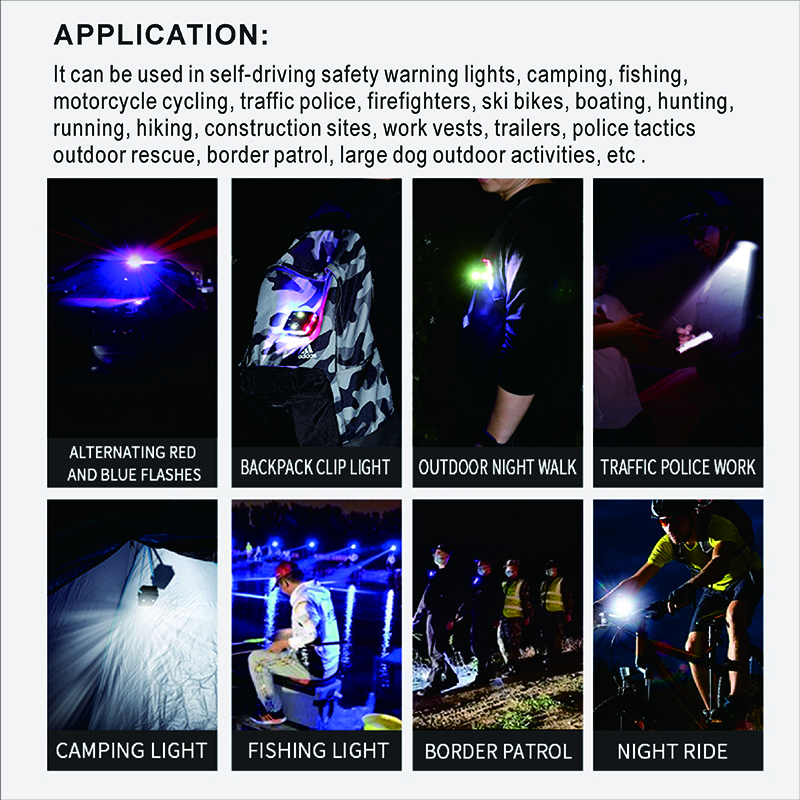
- Guardian ProX should be checked with real users, real routes, real gear, and a clear approval record before bulk deployment.
Who This Guide Is For
This guide is for fleet buyers, departments, warehouses, shared equipment programs, distributors, event operators, public works teams, and safety managers. It focuses on charging cable consistency, storage, replacement, and readiness, where the buyer needs more than a product description and wants evidence that supports approval, field use, and future support.
The Technical Buyer Problem
Rechargeable lights fail operationally when users lose cables, mix incompatible chargers, overload outlets, store units away from cables, or cannot identify bad cables quickly. The desired result is practical: The manager wants rechargeable lights to be easy to return, charge, inspect, and redeploy.
Verification Template Fields
| Field | What to ask | Why it matters |
|---|---|---|
| Claim | What the supplier says the light can do. | Write the claim in measurable language. |
| Test method | How the claim was checked. | Ask for distance, time, environment, sample size, and pass criteria. |
| Buyer evidence | What the buyer can save in the approval file. | Keep photos, videos, datasheets, logs, and sample notes. |
| Field relevance | Whether the test matches real clothing, gear, weather, and routes. | A lab claim is weak if it does not match use. |
| Failure response | What happens if the sample does not pass. | Clarify replacement, revision, or rejection before bulk order. |
| Record owner | Who keeps the evidence and updates it. | Avoid scattered files. |
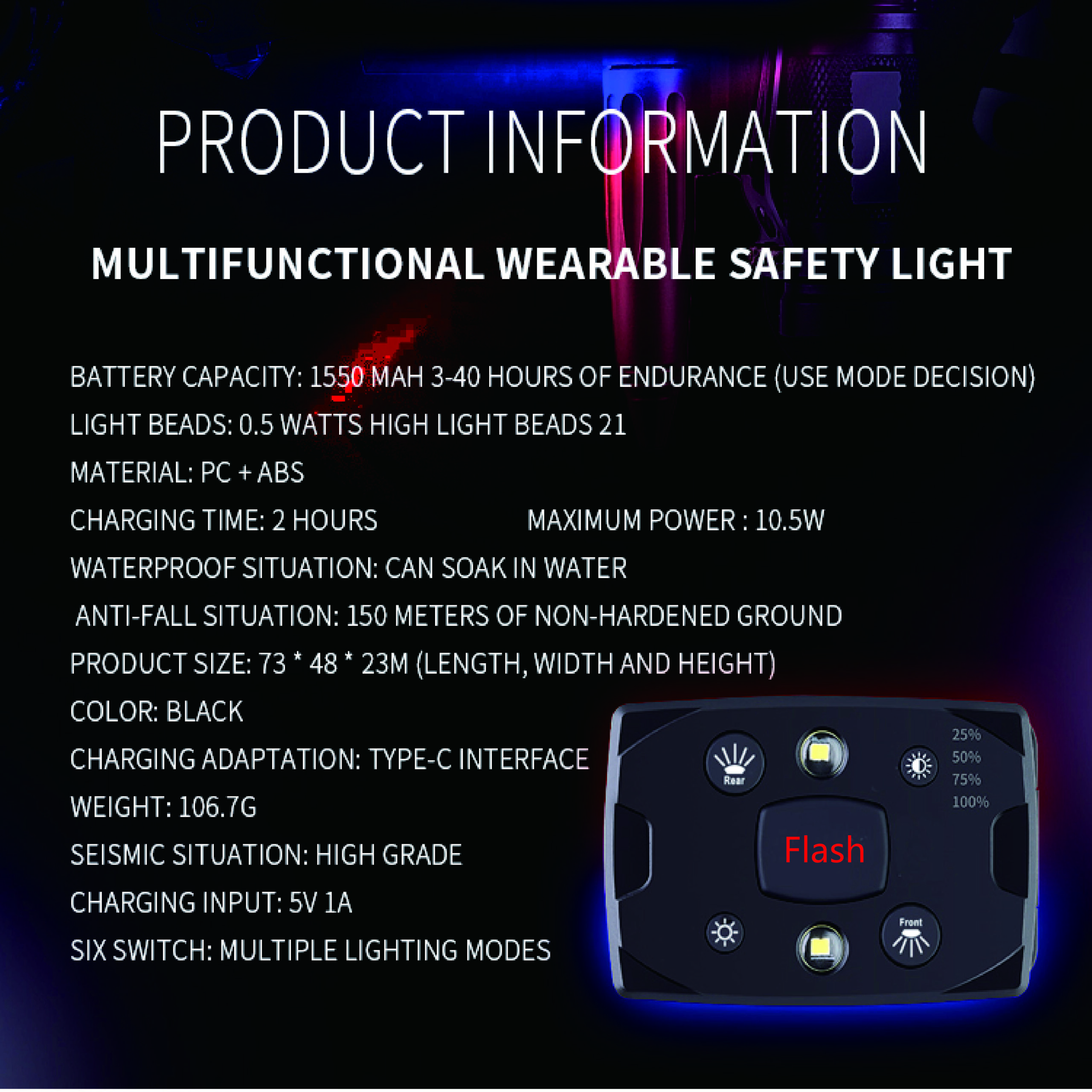
| Cable type | USB-C or other approved connector and power source. | Prevents mismatched charging. |
| Spare control | How many spare cables are kept and who replaces them. | Keeps units ready. |
Supplier Questions
| Question area | What to ask | Decision value |
|---|---|---|
| What exactly was tested? | Ask for sample version, mode, environment, and method. | Prevents vague claims. |
| How many samples were checked? | Ask whether one sample or multiple units were tested. | Shows confidence level. |
| What was the pass standard? | Ask what result counts as acceptable. | Makes approval objective. |
| What changed after testing? | Ask whether firmware, housing, packaging, or accessories changed. | Prevents stale evidence. |
| What evidence can the buyer keep? | Ask for files that can be saved with the PO. | Supports audits and warranty. |
Step-by-Step Verification Process
- Write the buyer requirement in plain language.
- Ask the supplier for the datasheet, test method, sample version, and supporting evidence.
- Test the sample with real clothing, mount position, route, weather, and work gear.
- Save photos, videos, notes, packaging images, labels, and QC records in one approval folder.
- Compare the evidence with the RFQ, purchase approval questions, and field use case.
- Decide whether to accept, revise, retest, reject, or escalate the claim.

Approval Decision Table
| Decision | When to use it | Next action |
|---|---|---|
| Accept | Evidence matches the requirement and field use. | Approve for next step. |
| Revise | Small mismatch can be corrected before bulk order. | Request updated sample or document. |
| Retest | Evidence is unclear or test condition was wrong. | Run a new controlled check. |
| Reject | The sample, claim, or documentation fails the requirement. | Do not scale the issue. |
| Escalate | Compliance, safety, or legal wording is uncertain. | Ask qualified reviewers before claiming. |
Common Mistakes to Avoid
- Accepting a marketing phrase when the buyer needs a measurable claim and test method.
- Saving photos without recording distance, angle, mode, weather, clothing, or camera context.
- Approving samples before checking accessories, labels, charging cables, packaging, and instructions.
- Assuming a supplier claim automatically satisfies workplace, legal, or compliance requirements.
- Separating QC, warranty, packaging, and batch records so no one can trace a problem later.
- Comparing products by one number while ignoring runtime, beam pattern, mount, mode, and field recognition.
Internal Reading Path
Use these related guides to connect this technical topic with RFQ preparation, sample acceptance, QC, visible-distance evidence, compliance records, and supplier follow-up.
- USB-C Charging for Fleet Buyers
- Crew Charging Station Guide
- Rechargeable vs Replaceable Battery Wearable Safety Lights
- Wearable Safety Light Return Cleaning Policy
- Wearable Safety Light Troubleshooting Guide
- Wearable Safety Light Technical Verification Hub: Specs, Tests, Evidence, and Supplier Questions
- Wearable Safety Light Temperature Testing Guide for Heat, Cold, Storage, and Field Use
- Wearable Safety Light ANSI and OSHA Compliance Guide: What Buyers Should and Should Not Claim
- Wearable Safety Light Lumens vs Candela Guide: What Visibility Buyers Should Ask Suppliers
- Wearable Safety Light Visible Distance Evidence Guide for Photos, Video, and Field Test Reports
- Wearable Safety Light Sample Acceptance Checklist Before Bulk Orders
Implementation Checklist
- Define the exact claim or requirement being verified.
- Ask for the test method, sample version, and pass standard.
- Run one field check using the real route, mount, clothing, and viewer position.
- Save evidence with clear file names and dates.
- Separate marketing language from measurable technical evidence.
- Record whether the result is accepted, revised, retested, rejected, or escalated.
- Link the evidence to the purchase order, batch, warranty, and future reorder record.

Turn Claims Into Testable Statements
A supplier claim becomes useful when the buyer can identify what was tested, how it was tested, what passed, and what evidence can be kept. This matters for charging cable consistency, storage, replacement, and readiness because Rechargeable lights fail operationally when users lose cables, mix incompatible chargers, overload outlets, store units away from cables, or cannot identify bad cables quickly.
The practical result should be: The manager wants rechargeable lights to be easy to return, charge, inspect, and redeploy. A wearable safety light verification process is strongest when it helps buyers make a clear accept, revise, retest, reject, or escalate decision.
Keep Field Use at the Center
The best technical file still needs to match real clothing, route, mount position, weather, work gear, and the person who must recognize the worker. This matters for charging cable consistency, storage, replacement, and readiness because Rechargeable lights fail operationally when users lose cables, mix incompatible chargers, overload outlets, store units away from cables, or cannot identify bad cables quickly.
The practical result should be: The manager wants rechargeable lights to be easy to return, charge, inspect, and redeploy. A wearable safety light verification process is strongest when it helps buyers make a clear accept, revise, retest, reject, or escalate decision.
Separate Approval From Curiosity
A sample can be interesting without being ready for bulk approval. Approval requires evidence, documentation, and a clear decision standard. This matters for charging cable consistency, storage, replacement, and readiness because Rechargeable lights fail operationally when users lose cables, mix incompatible chargers, overload outlets, store units away from cables, or cannot identify bad cables quickly.
The practical result should be: The manager wants rechargeable lights to be easy to return, charge, inspect, and redeploy. A wearable safety light verification process is strongest when it helps buyers make a clear accept, revise, retest, reject, or escalate decision.
Protect Future Support
Batch labels, packaging versions, QC records, and warranty notes are not paperwork clutter. They make future problems faster to solve. This matters for charging cable consistency, storage, replacement, and readiness because Rechargeable lights fail operationally when users lose cables, mix incompatible chargers, overload outlets, store units away from cables, or cannot identify bad cables quickly.
The practical result should be: The manager wants rechargeable lights to be easy to return, charge, inspect, and redeploy. A wearable safety light verification process is strongest when it helps buyers make a clear accept, revise, retest, reject, or escalate decision.
Avoid Overclaiming
Technical verification should improve buyer confidence without making broad compliance or safety guarantees that the evidence does not support. This matters for charging cable consistency, storage, replacement, and readiness because Rechargeable lights fail operationally when users lose cables, mix incompatible chargers, overload outlets, store units away from cables, or cannot identify bad cables quickly.
The practical result should be: The manager wants rechargeable lights to be easy to return, charge, inspect, and redeploy. A wearable safety light verification process is strongest when it helps buyers make a clear accept, revise, retest, reject, or escalate decision.
Make the Evidence Easy to Reuse
Photos, videos, datasheets, and logs should be named and stored so safety, procurement, warehouse, and support teams can find them later. This matters for charging cable consistency, storage, replacement, and readiness because Rechargeable lights fail operationally when users lose cables, mix incompatible chargers, overload outlets, store units away from cables, or cannot identify bad cables quickly.
The practical result should be: The manager wants rechargeable lights to be easy to return, charge, inspect, and redeploy. A wearable safety light verification process is strongest when it helps buyers make a clear accept, revise, retest, reject, or escalate decision.
Turn Claims Into Testable Statements
A supplier claim becomes useful when the buyer can identify what was tested, how it was tested, what passed, and what evidence can be kept. This matters for charging cable consistency, storage, replacement, and readiness because Rechargeable lights fail operationally when users lose cables, mix incompatible chargers, overload outlets, store units away from cables, or cannot identify bad cables quickly.
The practical result should be: The manager wants rechargeable lights to be easy to return, charge, inspect, and redeploy. A wearable safety light verification process is strongest when it helps buyers make a clear accept, revise, retest, reject, or escalate decision.
Keep Field Use at the Center
The best technical file still needs to match real clothing, route, mount position, weather, work gear, and the person who must recognize the worker. This matters for charging cable consistency, storage, replacement, and readiness because Rechargeable lights fail operationally when users lose cables, mix incompatible chargers, overload outlets, store units away from cables, or cannot identify bad cables quickly.
The practical result should be: The manager wants rechargeable lights to be easy to return, charge, inspect, and redeploy. A wearable safety light verification process is strongest when it helps buyers make a clear accept, revise, retest, reject, or escalate decision.
Separate Approval From Curiosity
A sample can be interesting without being ready for bulk approval. Approval requires evidence, documentation, and a clear decision standard. This matters for charging cable consistency, storage, replacement, and readiness because Rechargeable lights fail operationally when users lose cables, mix incompatible chargers, overload outlets, store units away from cables, or cannot identify bad cables quickly.
The practical result should be: The manager wants rechargeable lights to be easy to return, charge, inspect, and redeploy. A wearable safety light verification process is strongest when it helps buyers make a clear accept, revise, retest, reject, or escalate decision.
Protect Future Support
Batch labels, packaging versions, QC records, and warranty notes are not paperwork clutter. They make future problems faster to solve. This matters for charging cable consistency, storage, replacement, and readiness because Rechargeable lights fail operationally when users lose cables, mix incompatible chargers, overload outlets, store units away from cables, or cannot identify bad cables quickly.
The practical result should be: The manager wants rechargeable lights to be easy to return, charge, inspect, and redeploy. A wearable safety light verification process is strongest when it helps buyers make a clear accept, revise, retest, reject, or escalate decision.
Avoid Overclaiming
Technical verification should improve buyer confidence without making broad compliance or safety guarantees that the evidence does not support. This matters for charging cable consistency, storage, replacement, and readiness because Rechargeable lights fail operationally when users lose cables, mix incompatible chargers, overload outlets, store units away from cables, or cannot identify bad cables quickly.
The practical result should be: The manager wants rechargeable lights to be easy to return, charge, inspect, and redeploy. A wearable safety light verification process is strongest when it helps buyers make a clear accept, revise, retest, reject, or escalate decision.
Make the Evidence Easy to Reuse
Photos, videos, datasheets, and logs should be named and stored so safety, procurement, warehouse, and support teams can find them later. This matters for charging cable consistency, storage, replacement, and readiness because Rechargeable lights fail operationally when users lose cables, mix incompatible chargers, overload outlets, store units away from cables, or cannot identify bad cables quickly.
The practical result should be: The manager wants rechargeable lights to be easy to return, charge, inspect, and redeploy. A wearable safety light verification process is strongest when it helps buyers make a clear accept, revise, retest, reject, or escalate decision.
Turn Claims Into Testable Statements
A supplier claim becomes useful when the buyer can identify what was tested, how it was tested, what passed, and what evidence can be kept. This matters for charging cable consistency, storage, replacement, and readiness because Rechargeable lights fail operationally when users lose cables, mix incompatible chargers, overload outlets, store units away from cables, or cannot identify bad cables quickly.
The practical result should be: The manager wants rechargeable lights to be easy to return, charge, inspect, and redeploy. A wearable safety light verification process is strongest when it helps buyers make a clear accept, revise, retest, reject, or escalate decision.
Keep Field Use at the Center
The best technical file still needs to match real clothing, route, mount position, weather, work gear, and the person who must recognize the worker. This matters for charging cable consistency, storage, replacement, and readiness because Rechargeable lights fail operationally when users lose cables, mix incompatible chargers, overload outlets, store units away from cables, or cannot identify bad cables quickly.
The practical result should be: The manager wants rechargeable lights to be easy to return, charge, inspect, and redeploy. A wearable safety light verification process is strongest when it helps buyers make a clear accept, revise, retest, reject, or escalate decision.
Separate Approval From Curiosity
A sample can be interesting without being ready for bulk approval. Approval requires evidence, documentation, and a clear decision standard. This matters for charging cable consistency, storage, replacement, and readiness because Rechargeable lights fail operationally when users lose cables, mix incompatible chargers, overload outlets, store units away from cables, or cannot identify bad cables quickly.
The practical result should be: The manager wants rechargeable lights to be easy to return, charge, inspect, and redeploy. A wearable safety light verification process is strongest when it helps buyers make a clear accept, revise, retest, reject, or escalate decision.
Protect Future Support
Batch labels, packaging versions, QC records, and warranty notes are not paperwork clutter. They make future problems faster to solve. This matters for charging cable consistency, storage, replacement, and readiness because Rechargeable lights fail operationally when users lose cables, mix incompatible chargers, overload outlets, store units away from cables, or cannot identify bad cables quickly.
The practical result should be: The manager wants rechargeable lights to be easy to return, charge, inspect, and redeploy. A wearable safety light verification process is strongest when it helps buyers make a clear accept, revise, retest, reject, or escalate decision.
Avoid Overclaiming
Technical verification should improve buyer confidence without making broad compliance or safety guarantees that the evidence does not support. This matters for charging cable consistency, storage, replacement, and readiness because Rechargeable lights fail operationally when users lose cables, mix incompatible chargers, overload outlets, store units away from cables, or cannot identify bad cables quickly.
The practical result should be: The manager wants rechargeable lights to be easy to return, charge, inspect, and redeploy. A wearable safety light verification process is strongest when it helps buyers make a clear accept, revise, retest, reject, or escalate decision.
FAQ
What is wearable safety light charging cable standard: usb-c, multi-unit storage, and replacement control?
It is a technical buyer guide for checking charging cable consistency, storage, replacement, and readiness before a wearable safety light is approved, ordered, or scaled across a team.
Should buyers accept supplier claims without field evidence?
No. Ask for written specifications, test method notes, photos, videos, sample results, batch records, and field observations that match the actual use case.
What should the buyer do first?
Inventory the cable type and charging location before issuing units to users.
Does this guide replace legal, regulatory, or certification advice?
No. Treat it as a practical procurement checklist. Buyers should verify local rules, workplace requirements, and any formal compliance claims with qualified professionals or the relevant authority.
How can Guardian ProX be used in verification?
Guardian ProX can be used as the reference sample while buyers check brightness, runtime, mounting, charging, durability, labeling, packaging, and field evidence before a bulk order.
Recommended Next Step
If your team is reviewing technical evidence before a purchase, test Guardian ProX wearable safety light as a reference sample. Confirm the datasheet, field visibility, runtime, mount, charging, packaging, labels, and support records before approving a bulk order.