
Quick Answer
Crew Charging Station Guide: Keeping Wearable Safety Lights Ready Across Every Shift should be evaluated through real field movement, not only product specifications. The buyer should test visibility, mounting, comfort, controls, charging, and whether users keep the light in service after the first trial.
Definition
A wearable safety light charging station is a shared storage and charging system that keeps crew lights assigned, visible, charged, and ready before each shift.
Key Takeaways
- A wearable light program can fail quietly if nobody owns charging and storage.
- Labeling, shift handoff, spare cables, and supervisor checks are part of the safety system.
- Charging stations should be easy to inspect, not hidden in a drawer or mixed with unrelated equipment.
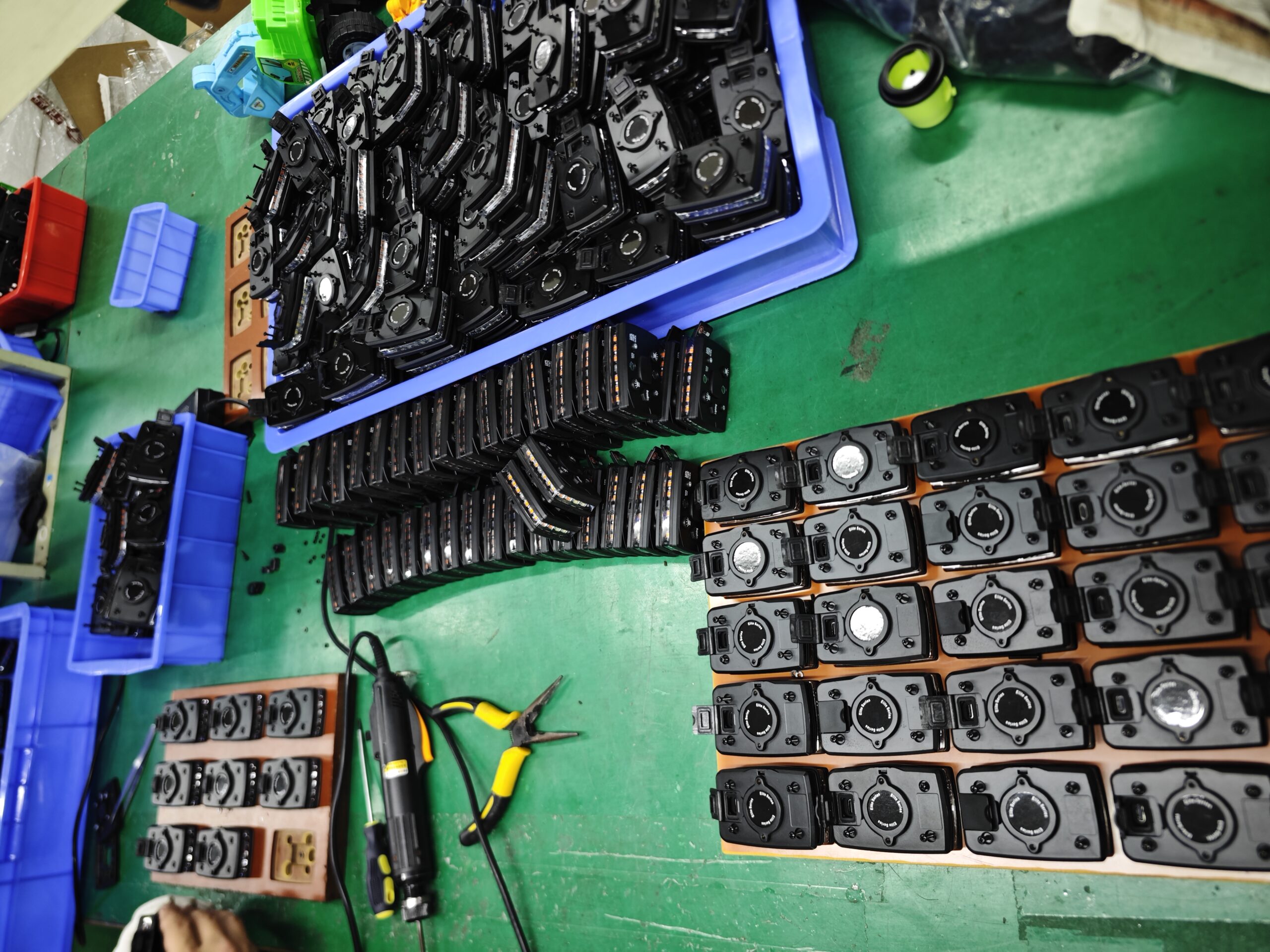
A wearable light program fails quietly when devices are present but not charged, labeled, or assigned. This is why the article focuses on crew lockers, service trucks, shift handoff, shared equipment rooms, supervisor inspection. The practical goal is to make the person easier to identify before risk increases, without replacing required PPE, policy, vehicle lighting, site controls, or professional judgment.
Who This Guide Is For
This guide is for supervisors, procurement teams, safety managers, department leaders, and users who need a practical way to evaluate wearable safety light charging station. It is especially useful when a team wants to compare wearable safety lights before a larger purchase or rollout.
Real Use Scenario
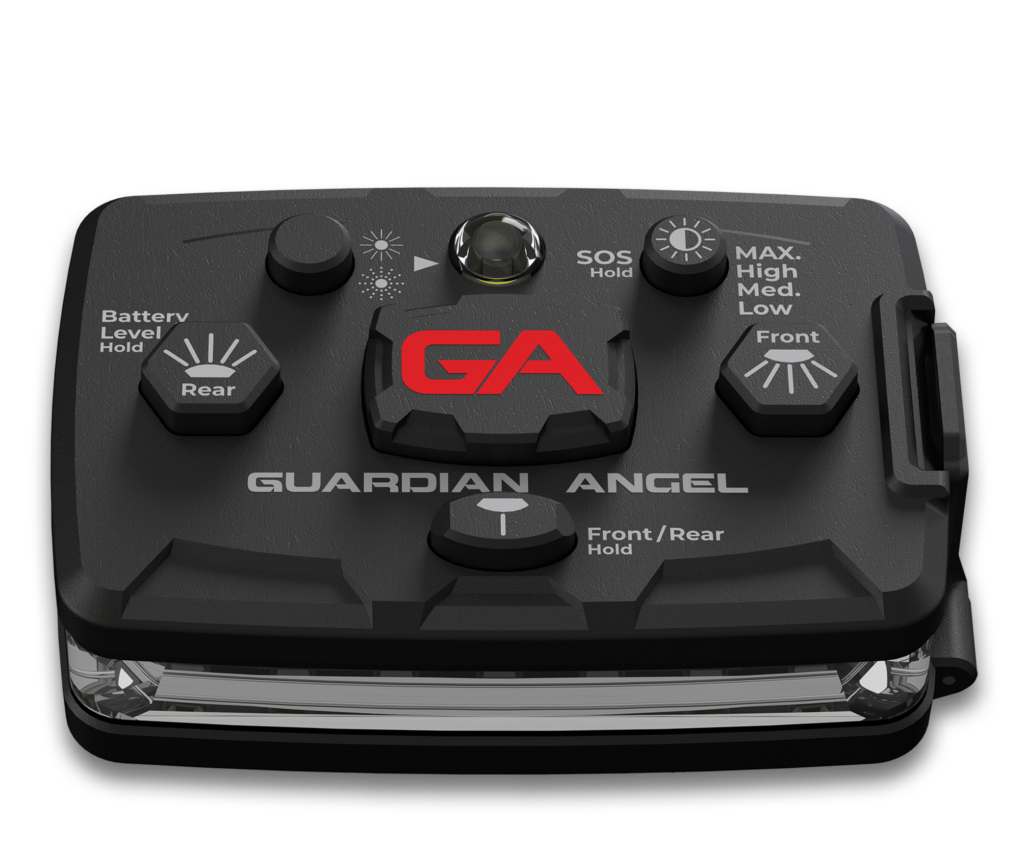
The relevant scenario includes crew lockers, service trucks, shift handoff, shared equipment rooms, supervisor inspection. In these conditions, visibility changes constantly. A person may turn sideways, bend, carry equipment, walk through glare, wear thick clothing, or stand near bright vehicle lights. A wearable light only adds value if it remains visible through that movement.
| Field moment | What can go wrong | What to test |
|---|---|---|
| Before the task | The device is mounted where clothing blocks it | Check lens exposure from multiple angles |
| During movement | The light rotates, catches, or becomes hidden | Walk, bend, turn, and carry real equipment |
| During close work | The beam creates glare or distracts the user | Test lower modes and alternate placement |
| After the shift | The battery is not charged for next use | Define ownership, storage, and charging routine |
Technical Details That Matter
The main technical concerns are charging stations, labeling, battery logs, replacement cables, shift ownership. These details matter because wearable safety lights live on clothing and gear, not on a lab bench. A strong device should stay attached, remain visible, operate simply, and survive the environment where it is used.
Brightness alone is not enough. A bright light that points inward or disappears under a jacket may be less useful than a balanced light with stable mounting and clear activation. The field test should reveal this before bulk purchase.
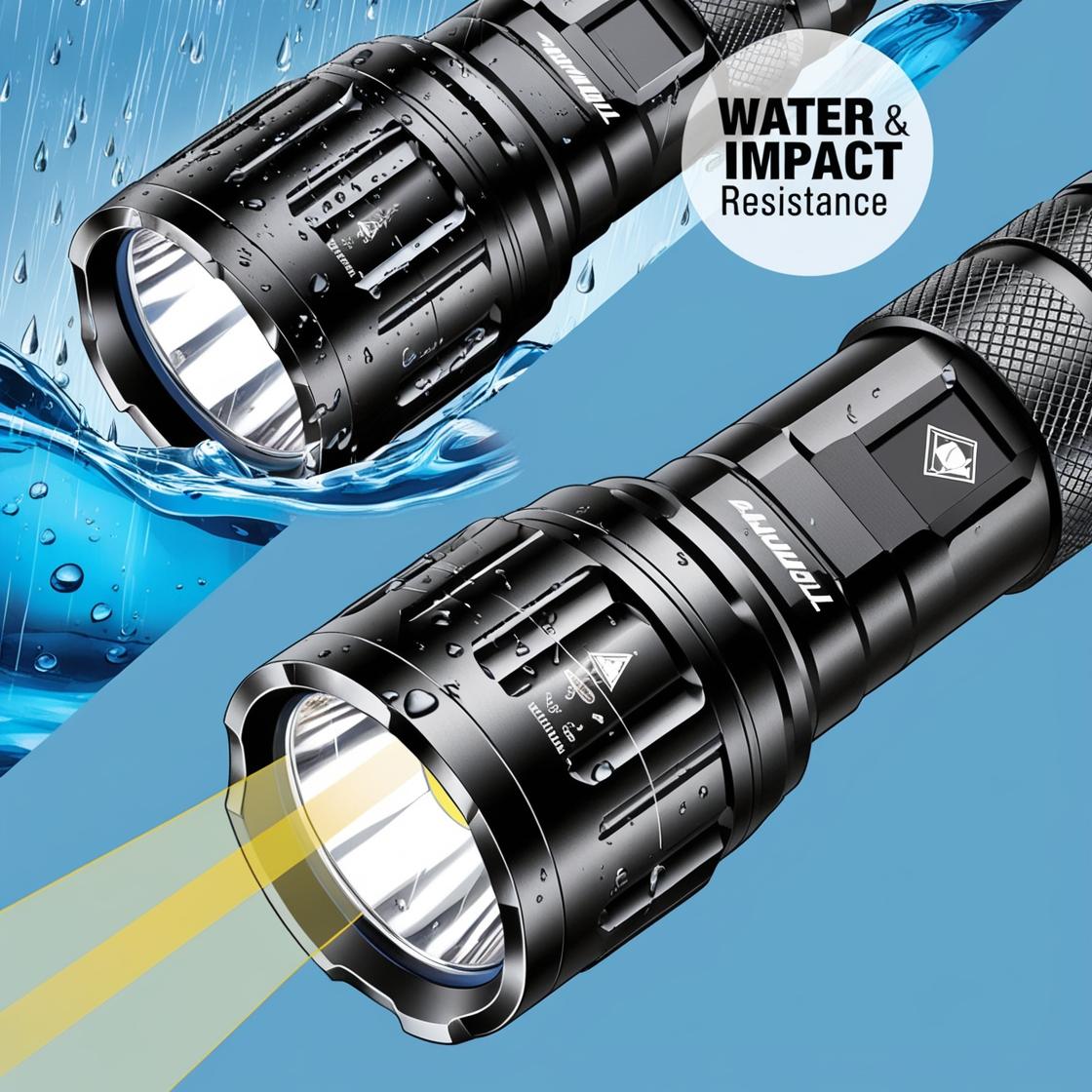
Field-Test Checklist
- Test from front, rear, side, and 45-degree angles.
- Use the same clothing, vest, jacket, belt, or uniform the user wears in the field.
- Check comfort after repeated movement, not only while standing still.
- Confirm switch operation with gloves, wet hands, or low-light pressure if relevant.
- Track whether users remember to charge the light after the trial.
- Ask supervisors whether the wearer became easier to identify.
Common Mistakes to Avoid
The first mistake is choosing by brightness only. The second is ignoring mount placement. The third is treating the light as a replacement for other safety measures. The fourth is failing to assign charging responsibility. The fifth is assuming one setup works for every role.
Deployment Plan
Start with a small sample trial. Use several users, several shifts, and several work conditions. Collect feedback on visibility, comfort, charging, mounting, and whether the light interfered with existing gear. If the results are consistent, create a short placement guide and charging routine before expanding.
| Deployment step | Question | Pass signal |
|---|---|---|
| Sample issue | Can users mount the light correctly? | Placement is repeatable |
| Observation | Can others identify the wearer faster? | Visibility improves from real angles |
| Feedback | Will users keep wearing it? | Comfort and controls are acceptable |
| Rollout | Can supervisors manage the system? | Charging and replacement are clear |
How Guardian ProX Fits This Use Case
Guardian ProX should be evaluated as an active personal visibility layer for this use case. Use the checklist above with your own gear, clothing, vehicles, shifts, and field conditions. If the light stays visible, stays charged, and does not interfere with normal work, it becomes a credible option for broader deployment.
Related Guides
- Roadside Worker Safety Light Checklist
- Construction Night Work Safety Lights
- Industrial PPE Active Visibility
- Work Zone Visibility Audit
- Rainy Roadside Waterproof Safety Light: How Crews Should Test Visibility in Wet Conditions
- DOT Wearable Light Sample Evaluation: How Road Crews Should Test Before Bulk Purchase
- High-Visibility Vest Plus LED Light: Why Active and Passive Visibility Work Better Together
- Roadside Near Miss Visibility Lessons: What Crews Can Learn Before an Incident Happens
- Guardian ProX wearable safety light
Field Conditions That Change the Result
Crew Charging Station Guide: Keeping Wearable Safety Lights Ready Across Every Shift should be tested in changing field conditions, because visibility rarely fails while the user is standing still in perfect light. The real test is movement, gear, glare, weather, comfort, and routine.
Start by observing the user from the direction of the risk. For police and security users, that may mean driver height, parking-lot distance, crowd movement, or the side of a patrol vehicle. For roadside and work crews, it may mean traffic-side angles, work-truck glare, wet pavement, equipment movement, or the path between a vehicle and a work zone.
The observer should not simply ask whether the light is bright. They should ask whether the person becomes easier to identify. If the device is hidden by clothing, blocked by equipment, pointed inward, or uncomfortable enough that users remove it, the buying team should correct placement or test a different mount.
Failure Modes to Watch
| Failure mode | What it looks like | How to correct it |
|---|---|---|
| Blocked lens | Jacket, vest, strap, bag, or gear covers the light | Move the light higher or outward and retest movement |
| Weak mount | The device rotates or falls during work | Use a more stable clip, strap, or approved mounting point |
| Glare | The light distracts the user or reflects off rain, glass, or metal | Change angle or mode |
| Dead battery | The device is present but not working | Assign charging ownership and inspect before shift |
Real-World Trial Method
A useful trial can be done in seven days. On day one, define the users and mount positions. On days two and three, observe normal movement. On days four and five, test difficult conditions such as rain, jackets, gloves, vehicle glare, or long walking shifts. On day six, collect feedback. On day seven, decide whether the product is ready, needs placement changes, or should be compared with another option.
This short trial creates better evidence than a single demo. It also gives users a voice before procurement expands the program. If users say the light helped without slowing them down, that is a strong signal. If they report snagging, glare, charging confusion, or discomfort, those issues should be solved before rollout.
Training Notes for Supervisors
Supervisors should keep training simple. Show one correct placement and one poor placement. Explain when to activate the light, which mode is preferred, and where to charge it. Remind users that the device is a supplemental visibility layer, not a replacement for policy, PPE, traffic control, patrol procedures, vehicle lights, or situational awareness.
Buyer Comparison Questions
- Can the supplier provide samples before a bulk order?
- Are there enough mount options for the actual role?
- Can users operate the device with gloves, wet hands, or under pressure?
- Does the light remain visible during natural movement?
- Can charging be managed across shifts or crews?
- Are replacement mounts, chargers, and support available?
Deployment Scorecard
| Score area | Pass signal | Concern signal |
|---|---|---|
| Visibility | The wearer is identifiable from realistic angles | The light is visible only from one perfect position |
| Comfort | Users keep it on during normal work | Users remove or adjust it repeatedly |
| Compatibility | It avoids cameras, radios, vests, belts, tools, or jackets | It interferes with existing gear |
| Routine | Charging and storage are clear | Devices are often dead or missing |
How to Use This Article With Guardian ProX
Use this article as a field-test checklist for Guardian ProX. Test the device in the exact role described by the article, document what happens, and compare the results with the team’s existing visibility method. If Guardian ProX improves recognition without adding friction, it becomes a practical candidate for deployment.
How to Decide If This Use Case Is Worth a Trial
A practical decision starts with the moment of risk. If the worker, officer, or security staff member is already easy to recognize from the direction where vehicles, pedestrians, or teammates approach, a wearable light may be optional. If the person becomes hard to identify when turning sideways, standing in glare, wearing rain gear, walking between vehicles, or working near equipment, a small active marker can solve a real visibility gap.
For this topic, the buying team should avoid judging only from a desk review. Put the light on the same clothing or gear used in the field, walk the normal route, and ask an observer to record when recognition improves and when the light disappears. That simple test gives a clearer answer than comparing brightness numbers alone.
The best result is not maximum brightness at all times. The best result is repeatable recognition with low distraction, stable mounting, simple charging, and enough comfort that users keep the device in service after the novelty wears off.
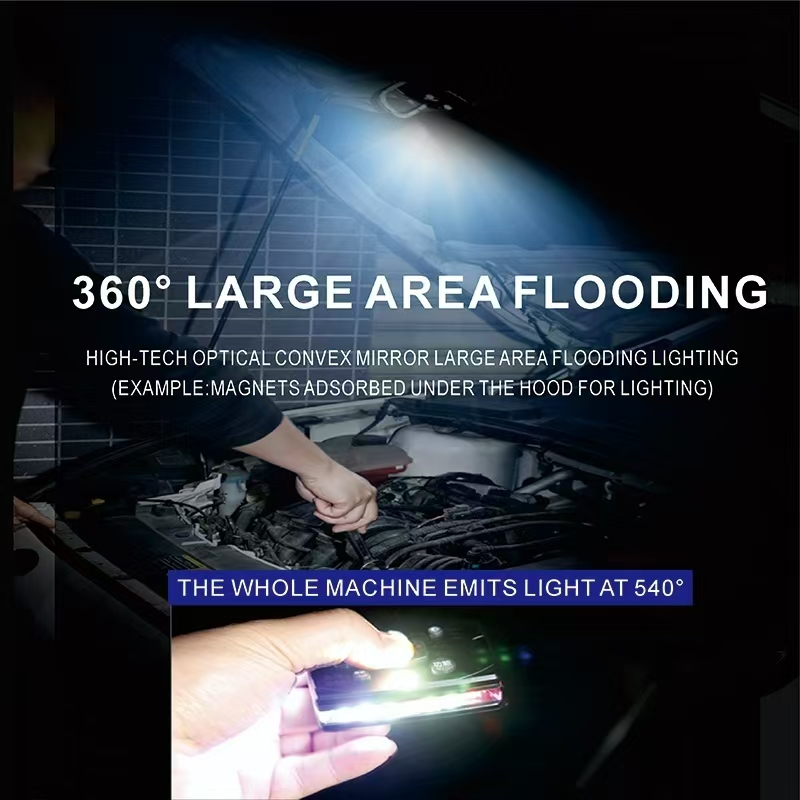
Additional Visual Evidence
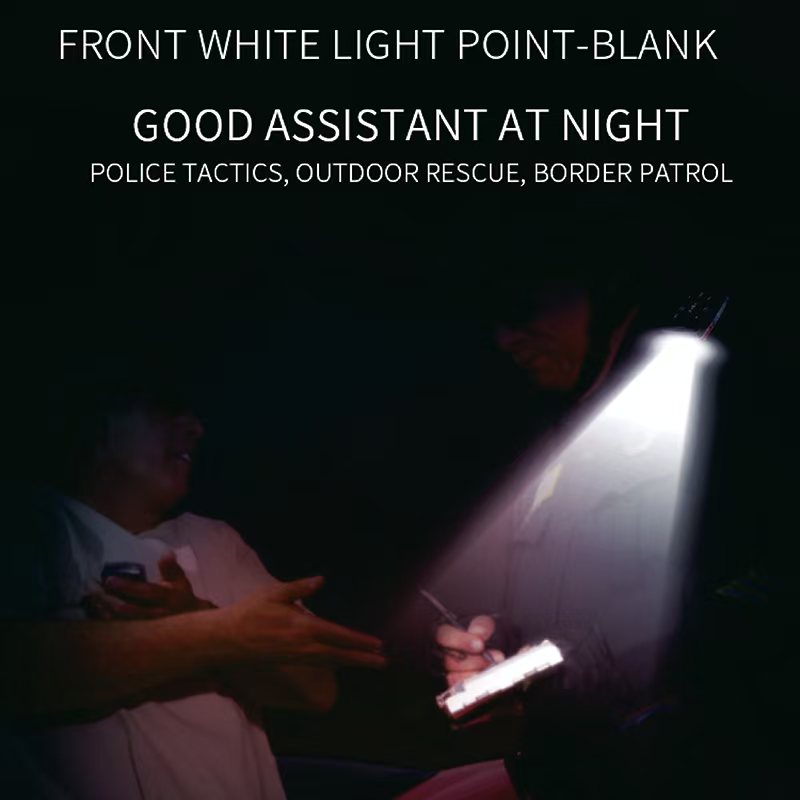
FAQ
Does this replace reflective clothing or official lighting?
No. It adds active personal visibility but does not replace required PPE, vehicle lighting, traffic control, department policy, or safe work procedures.
How many samples should be tested?
Use enough samples to cover different roles, clothing layers, and shifts. A single indoor demo is not enough.
What is the most important buying factor?
User adoption is the most important factor. If people keep wearing and charging the light, the device is more likely to create real value.
Final Buyer Takeaway
The right wearable safety light should be easy to wear, easy to charge, easy to see, and easy to manage. If the device solves a real visibility problem without adding friction, it deserves a place in the buyer’s shortlist.
Related Cluster Guide
For the full article path, buyer scorecard, and related use-case guides in this topic, open the Roadside Construction Utility Safety Light Hub.
Wearable Safety Light Resource Center
For the full topic map, field-test scorecards, procurement path, technical buyer guides, and Guardian Angel alternative comparisons, start with the Wearable Safety Light Resource Center.
New Wearable Safety Light Deployment and Support Guides
These guides help teams turn wearable safety lights into repeatable field practice: training, charging, asset tracking, maintenance, evidence, shift handoff, and replacement decisions.
- Wearable Safety Light Deployment SOP: Pilot, Approval, Training, and Rollout Checklist
- Wearable Safety Light Training SOP for Mounting, Modes, Charging, and Daily Inspection
- Wearable Safety Light Maintenance Guide: Cleaning, Storage, Charging, and Replacement Checks
- Wearable Safety Light Asset Tracking Guide for Fleets and Departments
- Wearable Safety Light User Adoption Guide: How to Keep Safety Gear in Daily Use
- Wearable Safety Light Near-Miss Review Template for Safer Visibility Rules
- Wearable Safety Light Photo and Video Test Guide for Buyer Evidence
- Wearable Safety Light Accessory Kit Planning Guide for Mounts, Chargers, Labels, and Spares
- Wearable Safety Light Multi-Shift Handoff SOP for Charging, Inspection, and Supervisor Checks
- Wearable Safety Light Replacement Cycle Guide: When to Repair, Replace, or Retire Units