
Quick Answer
A crew kit should start with active users, add shift overlap, shared or assigned units, spare percentage, mount types, charger count, storage location, label plan, and reorder threshold.
Definition
wearable safety light crew kit: A wearable safety light crew kit estimates the lights, chargers, mounts, labels, storage, and spares required for one crew or shift team.
Key Takeaways
- A crew kit should start with active users, add shift overlap, shared or assigned units, spare percentage, mount types, charger count, storage location, label plan, and reorder threshold.
- A deployment kit is different from a demo kit because it must support daily use, charging, inventory, spares, and reorders.
- The best kit is built from user count, shift pattern, work area, mount needs, shared-unit rules, and support records.
- Guardian ProX should be quoted with the accessories and workflow that make the light ready for real teams.

Who This Guide Is For
This guide is for crew supervisors, contractors, safety managers, distributors, public works teams, event operators, warehouses, and utilities. It focuses on crew-level quantity planning, where the buyer needs more than a product sample and must define a usable deployment package.
The Kit Planning Problem
Crew buyers often undercount because they calculate only the number of workers and forget shift overlap, spares, visitors, damaged mounts, shared chargers, and expansion. The desired result is practical: The supervisor wants a practical formula that keeps the crew ready without overbuying.
Kit Planning Fields
| Field | What to define | Why it matters |
|---|---|---|
| Core units | Number of wearable safety lights assigned to users or shared pools. | Base count for the quote. |
| Spare units | Extra lights for damage, loss, new users, visitors, or failed checks. | Prevents downtime. |
| Mounts | Clips, straps, magnetic options, vest placement, helmet placement, or role-specific mounts. | Makes the light usable in the real task. |
| Charging | Cable count, charging station, storage board, outlet plan, and failed-cable process. | Keeps lights ready. |
| Labels | Unit ID, site, shift, user group, batch, and return point. | Supports inventory and warranty. |
| Support record | Where onboarding, tickets, losses, spares, and reorders are tracked. | Turns a kit into an operating system. |
| Crew formula | Active users plus overlap plus spares. | Creates realistic quantity. |
| Shift overlap | Users who need lights at handoff or shared tasks. | Prevents shortages. |

Quantity Planning Rules
| Rule | What to count | Why it matters |
|---|---|---|
| Assigned users | People who keep the same light. | Best for daily users. |
| Shared pool | Lights issued from a station or supervisor. | Best for visitors or variable crews. |
| Shift overlap | Users who need lights during handoff or simultaneous tasks. | Prevents shortages. |
| Spare percentage | Extra units for loss, damage, cleaning, or expansion. | Keeps the kit resilient. |
| Support stock | Chargers, cables, mounts, labels, and storage pieces. | Prevents small-part failure. |
Step-by-Step Kit Planning Process
- Define the user group, shift pattern, and work area.
- Decide whether lights are assigned to users, shared from a station, stored in vehicles, or issued for temporary work.
- Add mounts, chargers, labels, storage, instructions, and spare units to the light count.
- Plan the return, charging, cleaning, failed-unit, and support ticket flow before rollout.
- Convert the complete kit into a quote request with freight, lead time, warranty, and support details.
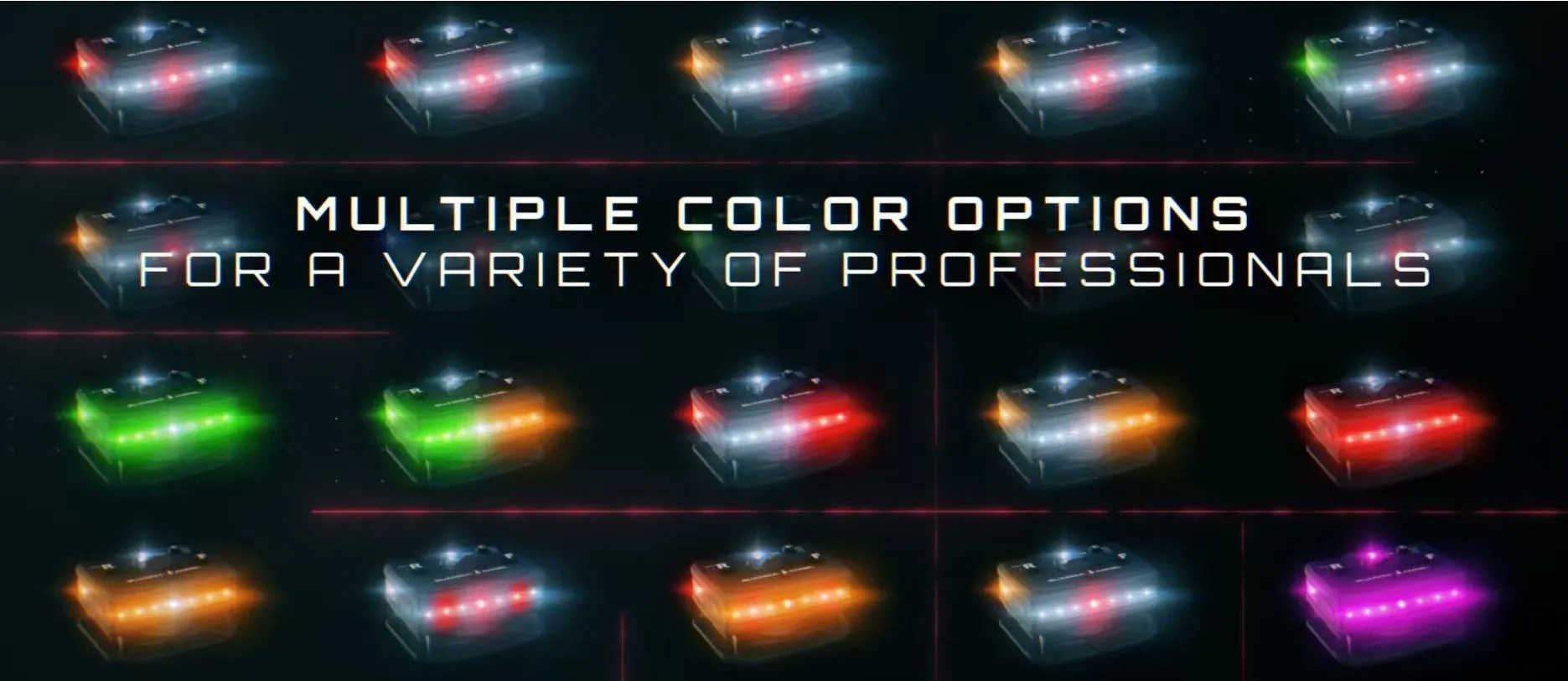
Quote Fields for This Kit
| Quote field | What to specify | Why it matters |
|---|---|---|
| Light model | Guardian ProX or approved equivalent. | Defines the core product. |
| Kit contents | Units, mounts, chargers, labels, storage, instructions, and spares. | Prevents quote gaps. |
| Packaging | Bulk, retail, department label, or distributor packaging. | Affects receiving and resale. |
| Commercial terms | MOQ, freight, lead time, warranty, payment, and support. | Shows real cost. |
| Follow-up | Training, support tickets, reorder trigger, and replacement plan. | Connects purchase to operations. |
Common Mistakes to Avoid
- Quoting only the light body without mounts, chargers, labels, storage, spare units, or support records.
- Using headcount as the only quantity rule while ignoring shift overlap, shared pools, visitors, and spares.
- Treating a demo kit as if it were a deployment kit for daily work.
- Forgetting charger placement, failed-unit bins, return flow, and cleaning when lights are shared.
- Choosing one mount for every user group without testing uniforms, PPE, jackets, radios, and task movement.
- Missing reorder timing because inventory, loss, damage, and expansion signals are not tracked.
Internal Reading Path
Use these related guides to connect this kit plan with procurement, inventory, chargers, spare parts, after-sales support, and reorders.
- Wearable Safety Light Rollout Budget Worksheet
- Wearable Safety Light Spare Parts Planning Guide
- Wearable Safety Light Charging Cable Standard
- Wearable Safety Light Quote Comparison Worksheet
- Wearable Safety Light Inventory Control Guide
- Wearable Safety Light Kit Planning Hub: Starter, Fleet, Crew, Visitor, Event, Yard, and Patrol Kits
- Wearable Safety Light Starter Kit Guide for Small Teams and First-Time Buyers
- Wearable Safety Light Fleet Kit Guide for Vehicles, Depots, Drivers, and Supervisors
- Wearable Safety Light Visitor Kit Guide for Contractors, Guests, Tours, and Temporary Staff
- Wearable Safety Light Event Staff Kit Guide for Parking, Security, Volunteers, and Crowd Flow
- Wearable Safety Light Warehouse Yard Kit Guide for Forklift Areas, Truck Courts, and Loading Docks
Implementation Checklist
- Count active users, shared users, supervisors, visitors, and shift overlap separately.
- Add spare units for loss, damage, cleaning, expansion, and failed checks.
- Choose mounts based on actual clothing, PPE, radios, vehicles, and task movement.
- Define chargers, cable control, storage, labels, and return points.
- Prepare quick-start instructions and a support contact.
- Record ticket, inventory, loss, and reorder triggers from the first deployment.
Start With the Operating Model
The right kit depends on whether lights are assigned, shared, vehicle-based, depot-based, visitor-issued, or event-issued. This matters for crew-level quantity planning because Crew buyers often undercount because they calculate only the number of workers and forget shift overlap, spares, visitors, damaged mounts, shared chargers, and expansion.
The practical result should be: The supervisor wants a practical formula that keeps the crew ready without overbuying. A strong kit plan turns Guardian ProX from a single device into a complete, quotable, supportable deployment package.
Plan Chargers Like Equipment
Charging is not an accessory afterthought. It determines whether lights are ready when the shift starts. This matters for crew-level quantity planning because Crew buyers often undercount because they calculate only the number of workers and forget shift overlap, spares, visitors, damaged mounts, shared chargers, and expansion.
The practical result should be: The supervisor wants a practical formula that keeps the crew ready without overbuying. A strong kit plan turns Guardian ProX from a single device into a complete, quotable, supportable deployment package.
Use Spares to Protect Readiness
A spare pool covers loss, damage, cleaning, new users, visitors, and unexpected expansion without emergency purchasing. This matters for crew-level quantity planning because Crew buyers often undercount because they calculate only the number of workers and forget shift overlap, spares, visitors, damaged mounts, shared chargers, and expansion.
The practical result should be: The supervisor wants a practical formula that keeps the crew ready without overbuying. A strong kit plan turns Guardian ProX from a single device into a complete, quotable, supportable deployment package.
Make Labels Do Real Work
Labels should support inventory, return flow, warranty, batch traceability, and supervisor checks. This matters for crew-level quantity planning because Crew buyers often undercount because they calculate only the number of workers and forget shift overlap, spares, visitors, damaged mounts, shared chargers, and expansion.
The practical result should be: The supervisor wants a practical formula that keeps the crew ready without overbuying. A strong kit plan turns Guardian ProX from a single device into a complete, quotable, supportable deployment package.
Turn the Kit Into a Quote
A clean kit definition makes the quote easier: quantity, mounts, chargers, labels, packaging, freight, lead time, warranty, and support. This matters for crew-level quantity planning because Crew buyers often undercount because they calculate only the number of workers and forget shift overlap, spares, visitors, damaged mounts, shared chargers, and expansion.
The practical result should be: The supervisor wants a practical formula that keeps the crew ready without overbuying. A strong kit plan turns Guardian ProX from a single device into a complete, quotable, supportable deployment package.
Connect the Kit to Reorders
The first kit should create records that make later expansion easier: usage, loss, damage, support tickets, and new user groups. This matters for crew-level quantity planning because Crew buyers often undercount because they calculate only the number of workers and forget shift overlap, spares, visitors, damaged mounts, shared chargers, and expansion.
The practical result should be: The supervisor wants a practical formula that keeps the crew ready without overbuying. A strong kit plan turns Guardian ProX from a single device into a complete, quotable, supportable deployment package.
Start With the Operating Model
The right kit depends on whether lights are assigned, shared, vehicle-based, depot-based, visitor-issued, or event-issued. This matters for crew-level quantity planning because Crew buyers often undercount because they calculate only the number of workers and forget shift overlap, spares, visitors, damaged mounts, shared chargers, and expansion.
The practical result should be: The supervisor wants a practical formula that keeps the crew ready without overbuying. A strong kit plan turns Guardian ProX from a single device into a complete, quotable, supportable deployment package.
Plan Chargers Like Equipment
Charging is not an accessory afterthought. It determines whether lights are ready when the shift starts. This matters for crew-level quantity planning because Crew buyers often undercount because they calculate only the number of workers and forget shift overlap, spares, visitors, damaged mounts, shared chargers, and expansion.
The practical result should be: The supervisor wants a practical formula that keeps the crew ready without overbuying. A strong kit plan turns Guardian ProX from a single device into a complete, quotable, supportable deployment package.
Use Spares to Protect Readiness
A spare pool covers loss, damage, cleaning, new users, visitors, and unexpected expansion without emergency purchasing. This matters for crew-level quantity planning because Crew buyers often undercount because they calculate only the number of workers and forget shift overlap, spares, visitors, damaged mounts, shared chargers, and expansion.
The practical result should be: The supervisor wants a practical formula that keeps the crew ready without overbuying. A strong kit plan turns Guardian ProX from a single device into a complete, quotable, supportable deployment package.
Make Labels Do Real Work
Labels should support inventory, return flow, warranty, batch traceability, and supervisor checks. This matters for crew-level quantity planning because Crew buyers often undercount because they calculate only the number of workers and forget shift overlap, spares, visitors, damaged mounts, shared chargers, and expansion.
The practical result should be: The supervisor wants a practical formula that keeps the crew ready without overbuying. A strong kit plan turns Guardian ProX from a single device into a complete, quotable, supportable deployment package.
Turn the Kit Into a Quote
A clean kit definition makes the quote easier: quantity, mounts, chargers, labels, packaging, freight, lead time, warranty, and support. This matters for crew-level quantity planning because Crew buyers often undercount because they calculate only the number of workers and forget shift overlap, spares, visitors, damaged mounts, shared chargers, and expansion.
The practical result should be: The supervisor wants a practical formula that keeps the crew ready without overbuying. A strong kit plan turns Guardian ProX from a single device into a complete, quotable, supportable deployment package.
Connect the Kit to Reorders
The first kit should create records that make later expansion easier: usage, loss, damage, support tickets, and new user groups. This matters for crew-level quantity planning because Crew buyers often undercount because they calculate only the number of workers and forget shift overlap, spares, visitors, damaged mounts, shared chargers, and expansion.
The practical result should be: The supervisor wants a practical formula that keeps the crew ready without overbuying. A strong kit plan turns Guardian ProX from a single device into a complete, quotable, supportable deployment package.
Start With the Operating Model
The right kit depends on whether lights are assigned, shared, vehicle-based, depot-based, visitor-issued, or event-issued. This matters for crew-level quantity planning because Crew buyers often undercount because they calculate only the number of workers and forget shift overlap, spares, visitors, damaged mounts, shared chargers, and expansion.
The practical result should be: The supervisor wants a practical formula that keeps the crew ready without overbuying. A strong kit plan turns Guardian ProX from a single device into a complete, quotable, supportable deployment package.
Plan Chargers Like Equipment
Charging is not an accessory afterthought. It determines whether lights are ready when the shift starts. This matters for crew-level quantity planning because Crew buyers often undercount because they calculate only the number of workers and forget shift overlap, spares, visitors, damaged mounts, shared chargers, and expansion.
The practical result should be: The supervisor wants a practical formula that keeps the crew ready without overbuying. A strong kit plan turns Guardian ProX from a single device into a complete, quotable, supportable deployment package.
Use Spares to Protect Readiness
A spare pool covers loss, damage, cleaning, new users, visitors, and unexpected expansion without emergency purchasing. This matters for crew-level quantity planning because Crew buyers often undercount because they calculate only the number of workers and forget shift overlap, spares, visitors, damaged mounts, shared chargers, and expansion.
The practical result should be: The supervisor wants a practical formula that keeps the crew ready without overbuying. A strong kit plan turns Guardian ProX from a single device into a complete, quotable, supportable deployment package.
Make Labels Do Real Work
Labels should support inventory, return flow, warranty, batch traceability, and supervisor checks. This matters for crew-level quantity planning because Crew buyers often undercount because they calculate only the number of workers and forget shift overlap, spares, visitors, damaged mounts, shared chargers, and expansion.
The practical result should be: The supervisor wants a practical formula that keeps the crew ready without overbuying. A strong kit plan turns Guardian ProX from a single device into a complete, quotable, supportable deployment package.
Turn the Kit Into a Quote
A clean kit definition makes the quote easier: quantity, mounts, chargers, labels, packaging, freight, lead time, warranty, and support. This matters for crew-level quantity planning because Crew buyers often undercount because they calculate only the number of workers and forget shift overlap, spares, visitors, damaged mounts, shared chargers, and expansion.
The practical result should be: The supervisor wants a practical formula that keeps the crew ready without overbuying. A strong kit plan turns Guardian ProX from a single device into a complete, quotable, supportable deployment package.
Connect the Kit to Reorders
The first kit should create records that make later expansion easier: usage, loss, damage, support tickets, and new user groups. This matters for crew-level quantity planning because Crew buyers often undercount because they calculate only the number of workers and forget shift overlap, spares, visitors, damaged mounts, shared chargers, and expansion.
The practical result should be: The supervisor wants a practical formula that keeps the crew ready without overbuying. A strong kit plan turns Guardian ProX from a single device into a complete, quotable, supportable deployment package.
Start With the Operating Model
The right kit depends on whether lights are assigned, shared, vehicle-based, depot-based, visitor-issued, or event-issued. This matters for crew-level quantity planning because Crew buyers often undercount because they calculate only the number of workers and forget shift overlap, spares, visitors, damaged mounts, shared chargers, and expansion.
The practical result should be: The supervisor wants a practical formula that keeps the crew ready without overbuying. A strong kit plan turns Guardian ProX from a single device into a complete, quotable, supportable deployment package.
Plan Chargers Like Equipment
Charging is not an accessory afterthought. It determines whether lights are ready when the shift starts. This matters for crew-level quantity planning because Crew buyers often undercount because they calculate only the number of workers and forget shift overlap, spares, visitors, damaged mounts, shared chargers, and expansion.
The practical result should be: The supervisor wants a practical formula that keeps the crew ready without overbuying. A strong kit plan turns Guardian ProX from a single device into a complete, quotable, supportable deployment package.
FAQ
What is wearable safety light crew kit guide: how many lights, chargers, mounts, and spares to buy?
It is a deployment-focused kit planning guide for deciding the right wearable safety light quantities, accessories, spares, charging setup, and quote details for crew-level quantity planning.
How is this different from a demo kit?
A demo kit helps people evaluate samples. A deployment kit helps a real team operate every day with enough lights, mounts, chargers, labels, spares, and support records.
What should the buyer do first?
Count users by shift and task, not only by headcount on the roster.
Should every kit include the same items?
No. The kit should match user count, shift pattern, work area, mount preference, charging routine, shared-unit policy, spare pool, and reorder timing.
How can Guardian ProX fit into the kit?
Guardian ProX can be the standard light body while the buyer adds the right mounts, chargers, labels, storage, spares, training, and support workflow for the use case.
Recommended Next Step
If your team is preparing a quote or deployment package, build the kit around Guardian ProX wearable safety light plus the mounts, chargers, labels, storage, spares, onboarding, and support process that match the real use case.