
Quick Answer
A reorder plan should review active users, current inventory, missing units, damaged units, accessory failures, charger needs, user feedback, new teams, seasonal demand, warranty history, and whether the kit or training should change before the next purchase.
Definition
wearable safety light reorder planning guide: A wearable safety light reorder planning guide helps teams decide when and how to reorder by reviewing active users, lost units, damaged accessories, replacement reserve, new teams, and lessons from the first rollout.
Key Takeaways
- A reorder plan should review active users, current inventory, missing units, damaged units, accessory failures, charger needs, user feedback, new teams, seasonal demand, warranty history, and whether the kit or training should change before the next purchase.
- A useful sales or support asset turns repeated questions into a reusable process.
- Buyers should organize kit details, evidence, quantity, timing, and support expectations before price or replacement discussions.
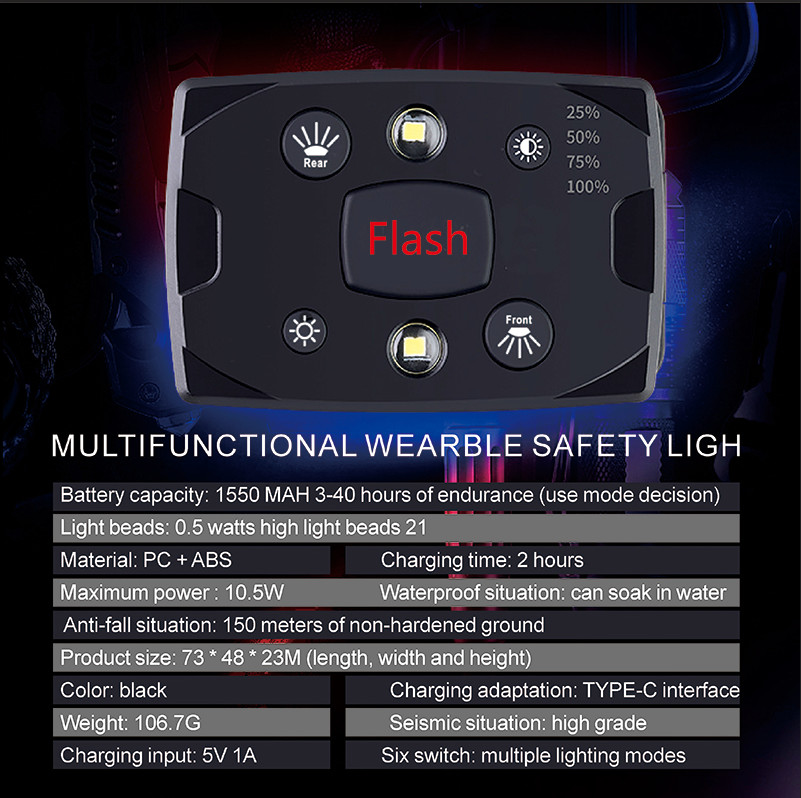
- Guardian ProX should be tested and documented as a real sample before larger orders, claims, or reorders are decided.
Who This Guide Is For
This guide is for fleet managers, distributors, department buyers, warehouse supervisors, safety teams, and procurement managers. It is written for teams planning a second order or replenishment order who need a reorder plan based on real usage data.
The Problem This Asset Solves
Reorders are often based on memory instead of data, so teams repeat the wrong accessory mix, forget lost units, underbuy chargers, or ignore user feedback from the first deployment. The desired result is practical: The buyer wants the second order to be smarter than the first order.
This topic sits between marketing, procurement, field testing, packaging, support, and reorder planning. It helps the buyer or seller move from a loose conversation to a clear next action.
Information Needed Before You Start
| Information | What it means | How to use it |
|---|---|---|
| Buyer or user | Who needs the asset and who will use the light. | Keeps the document tied to a real role. |
| Use scenario | Where the light will be tested, quoted, demonstrated, packed, supported, or reordered. | Prevents generic answers. |
| Kit details | Light body, mount, charger, label, manual, packaging, and optional spares. | Shows what is included. |
| Evidence | Photos, videos, test notes, quote lines, batch details, or support records. | Makes the request actionable. |
| Decision needed | Sample, quote, demo, support, replacement, shipment, FAQ, or reorder. | Moves the conversation to a clear next step. |

Practical Asset Template
| Field | What to include | Why it matters |
|---|---|---|
| Current inventory | Usable lights, damaged units, lost units, and units under support review. | Shows the true gap. |
| Accessory usage | Mount wear, missing chargers, labels, storage, and spare needs. | Improves the next kit mix. |
| User feedback | Comfort, mode, charging, and mount issues. | Turns adoption data into buying changes. |
| New demand | New shifts, teams, sites, seasonal work, or distributors. | Prevents under-ordering. |
| Supplier feedback | Warranty response, replacement speed, and quote accuracy. | Decides whether to reorder or compare again. |
Step-by-Step Workflow
- Define the exact buyer, user, or support situation.
- Write the missing information that causes delays today.
- Use the template fields below to organize the request or support case.
- Attach photos, sample notes, quote details, or batch information when needed.
- Send the same structured information to every supplier or internal reviewer.
- Record the decision, follow-up action, and owner.
For wearable safety light reorder planning guide, the point is to reduce friction. A useful sales or support asset should help the buyer move from uncertainty to action: sample, quote, demo, support, shipment check, FAQ answer, or reorder.
Quality Check Before Sending or Using This Asset
| Check | Pass standard | Warning sign |
|---|---|---|
| Complete | The asset includes role, scenario, product, kit, quantity, and next action. | Incomplete requests create delays. |
| Specific | Details are tied to a real field use or sales situation. | Vague requests produce vague answers. |
| Evidence-based | Photos, notes, batch records, and quote details are attached when needed. | Evidence reduces back-and-forth. |
| Comparable | Every supplier or model is asked the same question. | Fair comparison improves buyer confidence. |
| Reusable | The asset can be used again for a future quote, demo, claim, or reorder. | Reusable tools lower future workload. |
Evidence and Follow-Up Checklist
| Evidence | What to capture | How it helps |
|---|---|---|
| Photo evidence | Product, mount, label, carton, defect, or approved setup. | Shows the real condition. |
| Written context | User role, environment, quantity, route, batch, or order number. | Explains why the evidence matters. |
| Decision record | Approve, quote, retest, replace, reorder, or escalate. | Prevents loose conversations from disappearing. |
| Owner | Buyer, supervisor, reseller, support person, warehouse, or supplier contact. | Makes the next action accountable. |
| Timing | Sample date, quote deadline, claim date, shipment date, or reorder window. | Keeps the process moving. |

Common Mistakes to Avoid
- Sending a quote, claim, sample, or reorder request without the user role and scenario.
- Comparing a complete kit with a bare product price.
- Keeping photos, labels, batch details, or user feedback outside the project file.
- Waiting until a problem happens before defining support evidence.
- Repeating the same buyer questions manually instead of turning them into a reusable asset.
Internal Reading Path
Use these related guides to connect sales assets with RFQ, sample testing, procurement approval, packaging, warranty, and reorder planning.
- Wearable Safety Light Asset Tracking Guide
- Wearable Safety Light Total Cost of Ownership Guide
- Wearable Safety Light Replacement Cycle Guide
- Wearable Safety Light Bulk Quote Form Guide
- Wearable Safety Light Supplier Red Flags
- Wearable Safety Light Sample Request Guide: What Buyers Should Send Before Testing
- Wearable Safety Light Demo Kit Guide for Distributors, Departments, and Safety Managers
- Wearable Safety Light Product Comparison Sheet for Models, Kits, Price, and Support
- Wearable Safety Light User Manual Checklist for Training and After-Sales Support
- Wearable Safety Light Warranty Claim Guide: Photos, Symptoms, Batch, and Replacement Process
- Wearable Safety Light Troubleshooting Guide: Not Charging, Weak Light, Loose Mount, or Mode Problems
Implementation Checklist
- Write the buyer, user role, and use scenario.
- List the exact kit, accessory, packaging, or support details involved.
- Attach photos, videos, quote lines, labels, or batch records when needed.
- Define the next action: sample, quote, demo, troubleshoot, replace, ship, answer, or reorder.
- Assign the owner and deadline.
- Save the final asset for reuse in future sales or support conversations.
Keep the Asset Practical
The best sales or support asset is short enough to use during a real quote, demo, warranty case, or reorder conversation. This matters for teams planning a second order or replenishment order because their goal is a reorder plan based on real usage data.
The stronger habit is simple: write down the role, scenario, kit, evidence, and next action. That small structure can save many messages later.
Write for the Person Who Acts Next
A good form or checklist should help the next person do their job: quote, test, approve, ship, troubleshoot, or reorder. This matters for teams planning a second order or replenishment order because their goal is a reorder plan based on real usage data.
The stronger habit is simple: write down the role, scenario, kit, evidence, and next action. That small structure can save many messages later.
Avoid Hidden Assumptions
If a quote does not say whether the mount, charger, packaging, or support process is included, the buyer should treat that as missing information. This matters for teams planning a second order or replenishment order because their goal is a reorder plan based on real usage data.
The stronger habit is simple: write down the role, scenario, kit, evidence, and next action. That small structure can save many messages later.
Use the First Order to Improve the Second
Sample requests, demos, warranty records, and reorders all become stronger when the team records what happened during real use. This matters for teams planning a second order or replenishment order because their goal is a reorder plan based on real usage data.
The stronger habit is simple: write down the role, scenario, kit, evidence, and next action. That small structure can save many messages later.
Make Support Easier Before Problems Happen
Warranty and troubleshooting are faster when manuals, labels, batch records, and package details are organized before the first shipment. This matters for teams planning a second order or replenishment order because their goal is a reorder plan based on real usage data.
The stronger habit is simple: write down the role, scenario, kit, evidence, and next action. That small structure can save many messages later.
Turn Questions Into Reusable Answers
If buyers ask the same question repeatedly, the answer belongs in a checklist, FAQ, manual note, or product page section. This matters for teams planning a second order or replenishment order because their goal is a reorder plan based on real usage data.
The stronger habit is simple: write down the role, scenario, kit, evidence, and next action. That small structure can save many messages later.
Keep the Asset Practical
The best sales or support asset is short enough to use during a real quote, demo, warranty case, or reorder conversation. This matters for teams planning a second order or replenishment order because their goal is a reorder plan based on real usage data.
The stronger habit is simple: write down the role, scenario, kit, evidence, and next action. That small structure can save many messages later.
Write for the Person Who Acts Next
A good form or checklist should help the next person do their job: quote, test, approve, ship, troubleshoot, or reorder. This matters for teams planning a second order or replenishment order because their goal is a reorder plan based on real usage data.
The stronger habit is simple: write down the role, scenario, kit, evidence, and next action. That small structure can save many messages later.
Avoid Hidden Assumptions
If a quote does not say whether the mount, charger, packaging, or support process is included, the buyer should treat that as missing information. This matters for teams planning a second order or replenishment order because their goal is a reorder plan based on real usage data.
The stronger habit is simple: write down the role, scenario, kit, evidence, and next action. That small structure can save many messages later.
Use the First Order to Improve the Second
Sample requests, demos, warranty records, and reorders all become stronger when the team records what happened during real use. This matters for teams planning a second order or replenishment order because their goal is a reorder plan based on real usage data.
The stronger habit is simple: write down the role, scenario, kit, evidence, and next action. That small structure can save many messages later.
Make Support Easier Before Problems Happen
Warranty and troubleshooting are faster when manuals, labels, batch records, and package details are organized before the first shipment. This matters for teams planning a second order or replenishment order because their goal is a reorder plan based on real usage data.
The stronger habit is simple: write down the role, scenario, kit, evidence, and next action. That small structure can save many messages later.
Turn Questions Into Reusable Answers
If buyers ask the same question repeatedly, the answer belongs in a checklist, FAQ, manual note, or product page section. This matters for teams planning a second order or replenishment order because their goal is a reorder plan based on real usage data.
The stronger habit is simple: write down the role, scenario, kit, evidence, and next action. That small structure can save many messages later.
Keep the Asset Practical
The best sales or support asset is short enough to use during a real quote, demo, warranty case, or reorder conversation. This matters for teams planning a second order or replenishment order because their goal is a reorder plan based on real usage data.
The stronger habit is simple: write down the role, scenario, kit, evidence, and next action. That small structure can save many messages later.
Write for the Person Who Acts Next
A good form or checklist should help the next person do their job: quote, test, approve, ship, troubleshoot, or reorder. This matters for teams planning a second order or replenishment order because their goal is a reorder plan based on real usage data.
The stronger habit is simple: write down the role, scenario, kit, evidence, and next action. That small structure can save many messages later.
Avoid Hidden Assumptions
If a quote does not say whether the mount, charger, packaging, or support process is included, the buyer should treat that as missing information. This matters for teams planning a second order or replenishment order because their goal is a reorder plan based on real usage data.
The stronger habit is simple: write down the role, scenario, kit, evidence, and next action. That small structure can save many messages later.
FAQ
Who should use wearable safety light reorder planning guide: usage data, lost units, spares, and new teams?
It is useful for teams planning a second order or replenishment order who need a reorder plan based on real usage data before, during, or after a wearable safety light purchase.
Does this replace a real sample test?
No. It helps organize the conversation, but buyers should still test sample units in the real user role, clothing, route, charging routine, and work environment.
What should the buyer prepare first?
Start by counting usable units, units needing support, missing accessories, and new users before requesting a new quote.
What evidence should be attached?
Attach clear photos, user feedback, sample notes, quote details, packaging information, support contact, batch details, and any field-test records that explain the request.
How can Guardian ProX be used with this asset?
Guardian ProX can be used as a reference sample for checking visibility, mounting, charging, packaging, support workflow, and user acceptance before a larger order.
Recommended Next Step
If this guide matches your situation, use Guardian ProX wearable safety light as a reference sample and organize the information before sending a sample request, quote form, demo plan, warranty claim, packing check, FAQ answer, or reorder request.
New Wearable Safety Light Program Optimization Guides
These guides help teams improve wearable safety light programs after deployment: first-week review, 30-day adoption, annual review, KPI dashboard, user feedback, corrective action, loss prevention, seasonal gear review, multi-site standardization, and continuous optimization.
- Wearable Safety Light First-Week Rollout Review Checklist
- Wearable Safety Light 30-Day Adoption Review for Teams and Supervisors
- Wearable Safety Light Annual Program Review Guide for Departments and Fleets
- Wearable Safety Light KPI Dashboard: Usage, Readiness, Loss, Failures, and Near Misses
- Wearable Safety Light User Feedback Survey Guide for Field Teams
- Wearable Safety Light Corrective Action Log for Dead Batteries, Missing Mounts, and Wrong Modes
- Wearable Safety Light Lost Unit Prevention Guide for Shared Equipment Programs
- Wearable Safety Light Seasonal Gear Change Review: Jackets, Rainwear, Gloves, and Winter PPE
- Wearable Safety Light Multi-Site Standardization Guide for Fleets, Campuses, and Contractors
- Wearable Safety Light Program Optimization Roadmap: Improve After the First Deployment
New Wearable Safety Light After-Sales Operations Guides
These guides help distributors, safety teams, and fleet buyers manage after-sales support, customer success, onboarding, inventory, spare parts, training refresh, support tickets, knowledge base content, and reorder triggers.
- Wearable Safety Light After-Sales Support Guide for Distributors, Departments, and Fleet Buyers
- Wearable Safety Light Customer Success Plan: Onboarding, Adoption, Support, and Reorders
- Wearable Safety Light Onboarding Checklist for New Teams, New Sites, and New Supervisors
- Wearable Safety Light Inventory Control Guide for Shared Units, Spares, Chargers, and Labels
- Wearable Safety Light Spare Parts Planning Guide for Mounts, Chargers, Labels, and Replacement Units
- Wearable Safety Light Training Refresh Program for Seasonal Crews, Turnover, and New Work Conditions
- Wearable Safety Light Support Ticket Workflow: Track Failures, Claims, Lost Units, and User Questions
- Wearable Safety Light Knowledge Base Guide: FAQs, Troubleshooting, Policies, and Field Evidence
- Wearable Safety Light Reorder Trigger System: Usage, Loss, Damage, Expansion, and Budget Timing
- Wearable Safety Light After-Sales Operations Hub: Support, Inventory, Training, Tickets, and Reorders
New Wearable Safety Light Kit Planning Guides
These guides help buyers plan starter kits, fleet kits, crew kits, visitor kits, event staff kits, warehouse yard kits, roadside crew kits, security patrol kits, distributor sample kits, and complete kit planning hubs.
- Wearable Safety Light Starter Kit Guide for Small Teams and First-Time Buyers
- Wearable Safety Light Fleet Kit Guide for Vehicles, Depots, Drivers, and Supervisors
- Wearable Safety Light Crew Kit Guide: How Many Lights, Chargers, Mounts, and Spares to Buy
- Wearable Safety Light Visitor Kit Guide for Contractors, Guests, Tours, and Temporary Staff
- Wearable Safety Light Event Staff Kit Guide for Parking, Security, Volunteers, and Crowd Flow
- Wearable Safety Light Warehouse Yard Kit Guide for Forklift Areas, Truck Courts, and Loading Docks
- Wearable Safety Light Roadside Crew Kit Guide for Traffic Control, Utility Work, and Recovery Teams
- Wearable Safety Light Security Patrol Kit Guide for Parking Lots, Campuses, and Night Routes
- Wearable Safety Light Distributor Sample Kit Guide for Demos, Trials, Quotes, and Reseller Training
- Wearable Safety Light Kit Planning Hub: Starter, Fleet, Crew, Visitor, Event, Yard, and Patrol Kits