
Quick Answer
A training sign-off sheet should record trainee name, date, role, approved mount, default mode, charging return, inspection step, limitations, trainer, questions, and corrective follow-up if needed.
Definition
wearable safety light training sign off sheet: A wearable safety light training sign-off sheet records that users were shown the approved mount, mode, charging routine, inspection step, support process, and safety limitations before deployment.
Key Takeaways
- A training sign-off sheet should record trainee name, date, role, approved mount, default mode, charging return, inspection step, limitations, trainer, questions, and corrective follow-up if needed.
- The document should define owner, user group, use condition, mount, mode, evidence, and follow-up.
- A wearable safety light supports required PPE and procedures; it does not replace them.
- Guardian ProX should be tested with the document before the team scales the rule across users or sites.
Who This Guide Is For
This guide is for departments, fleets, safety managers, public works teams, security companies, distributors, and training coordinators. It is designed for new deployment, seasonal staff onboarding, volunteer briefing, contractor training, multi-site rollout, and refresher sessions, where a wearable safety light must become a repeatable practice rather than a one-time product handout.
The Safety Management Problem
Training can be delivered verbally but forgotten, leaving no record of who learned the mount, mode, charging, or support process. The desired outcome is practical: The team wants a simple sign-off sheet that supports accountability without creating unnecessary paperwork.
Document Template Fields
| Field | What to write | How to use it |
|---|---|---|
| Owner | Who owns the document and checks that it is used. | Name a supervisor or safety lead. |
| User group | Which workers, visitors, contractors, or teams the document covers. | Avoid vague all-staff language when the risk is role-specific. |
| Use condition | When the light is required, optional, or not appropriate. | Connect the rule to real tasks and visibility conditions. |
| Mount and mode | Where the light is worn and which default mode is used. | Photograph the approved setup. |
| Evidence | What record proves the document was used. | Keep the record in the project or safety folder. |
| Training items | Mount, mode, charging, cleaning, issue reporting, and limitations. | Confirms the core routine was covered. |
| User acknowledgement | Name, role, date, trainer, and questions. | Creates a traceable record. |
Execution Workflow
| Step | What happens | Pass standard |
|---|---|---|
| Prepare | Define user group, task, environment, and visibility risk. | The document does not become generic. |
| Demonstrate | Show the approved light, mount, mode, and charging location. | Users see the real setup. |
| Verify | Ask the user or supervisor to repeat the rule. | Confirms understanding. |
| Record | Capture signature, checklist, photo, issue note, or audit result. | Creates evidence. |
| Improve | Review issues, near misses, dead batteries, and user friction. | Updates the program before problems repeat. |
Step-by-Step Use Process
- Identify the user group and task covered by the document.
- Explain the visibility problem in plain language.
- Show the approved wearable safety light mount and default mode.
- Confirm the charging, storage, inspection, and issue-reporting rule.
- Record completion or corrective action.
- Review the document after the first week, after a near miss, or when the work condition changes.
For wearable safety light training sign off sheet, the first useful action is: Train users with the actual light and mount before asking them to sign.
Evidence to Keep
| Evidence | What it proves | How to use it |
|---|---|---|
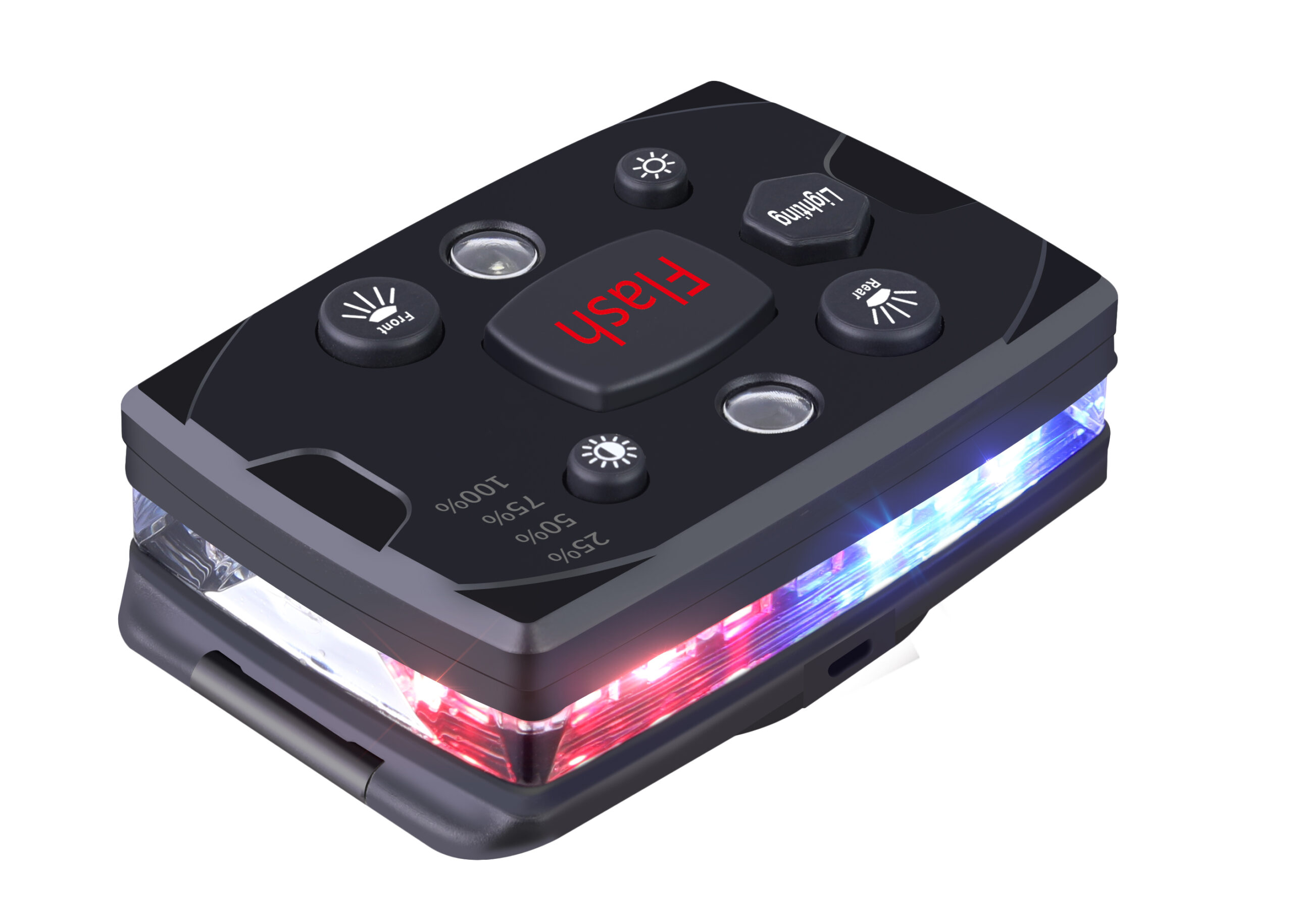
| Approved mount photo | Shows where the light should be worn. | Use it for training and audits. |
| Completed document | Shows the talk, check, audit, JHA, or sign-off was done. | Supports accountability. |
| Issue record | Shows dead battery, damage, wrong mode, missing mount, or user concern. | Turns problems into corrective action. |
| Supervisor note | Shows field observation and follow-up. | Prevents paper compliance only. |
| Review date | Shows when the rule should be revisited. | Keeps the program current. |
Common Mistakes to Avoid
- Writing a document that does not mention the actual task or visibility problem.
- Treating the light as a replacement for PPE, traffic control, supervision, or site rules.
- Failing to show the approved mount and mode with the user's real clothing or gear.
- Keeping no evidence that the talk, check, audit, training, or review happened.
- Ignoring user friction such as glare, snagging, discomfort, charging confusion, or hidden placement.
- Not updating the document after a near miss, new shift, new clothing, or changed work area.
Internal Reading Path
Use these related guides to connect this document with deployment, training, audits, near-miss review, procurement, and technical field testing.
- User Training Guide
- Wearable Safety Light Training SOP
- Wearable Safety Light User Manual Checklist
- Wearable Safety Light Compliance Evidence Folder
- Wearable Safety Light Shift Briefing Script
- Wearable Safety Light Toolbox Talk: 10-Minute Briefing for Night Work Crews
- Wearable Safety Light Pre-Shift Inspection Checklist for Crews and Supervisors
- Wearable Safety Light Supervisor Audit Checklist for Field Use, Charging, and User Adoption
- Wearable Safety Light Job Hazard Analysis Guide for Roadside, Yard, and Event Work
- Wearable Safety Light Contractor and Visitor Policy Guide for Shared Worksites
- Wearable Safety Light PPE Compatibility Audit: Vests, Helmets, Harnesses, Radios, and Body Cameras
Implementation Checklist
- Define the exact task and user group.
- Show the approved light, mount, default mode, and charging return point.
- Explain when the light is required and when it is only supplemental.
- Record completion, user questions, and any failed check.
- Assign one person to follow up on damage, missing units, dead batteries, or user friction.
- Review the document after first use, near misses, seasonal gear changes, or new work conditions.

Make the Document Field-Usable
A safety document should be short enough to use during real work and specific enough to change behavior. This matters in new deployment, seasonal staff onboarding, volunteer briefing, contractor training, multi-site rollout, and refresher sessions because Training can be delivered verbally but forgotten, leaving no record of who learned the mount, mode, charging, or support process.
The desired result is The team wants a simple sign-off sheet that supports accountability without creating unnecessary paperwork. A good document should make that result easier to repeat, not harder to manage.
Show the Approved Setup
Users learn faster when they see the actual light, mount, mode, charger, and storage point instead of only hearing a rule. This matters in new deployment, seasonal staff onboarding, volunteer briefing, contractor training, multi-site rollout, and refresher sessions because Training can be delivered verbally but forgotten, leaving no record of who learned the mount, mode, charging, or support process.
The desired result is The team wants a simple sign-off sheet that supports accountability without creating unnecessary paperwork. A good document should make that result easier to repeat, not harder to manage.
Separate Compliance From Effectiveness
A signed sheet is not enough if the light is hidden, dead, uncomfortable, or ignored during the real task. This matters in new deployment, seasonal staff onboarding, volunteer briefing, contractor training, multi-site rollout, and refresher sessions because Training can be delivered verbally but forgotten, leaving no record of who learned the mount, mode, charging, or support process.
The desired result is The team wants a simple sign-off sheet that supports accountability without creating unnecessary paperwork. A good document should make that result easier to repeat, not harder to manage.
Use Supervisor Observation
Supervisors should check what happens in the field, not only whether a document exists in a folder. This matters in new deployment, seasonal staff onboarding, volunteer briefing, contractor training, multi-site rollout, and refresher sessions because Training can be delivered verbally but forgotten, leaving no record of who learned the mount, mode, charging, or support process.
The desired result is The team wants a simple sign-off sheet that supports accountability without creating unnecessary paperwork. A good document should make that result easier to repeat, not harder to manage.
Turn Problems Into Updates
A missing charger, wrong mode, or blocked mount is not just a user mistake. It may reveal a weak process. This matters in new deployment, seasonal staff onboarding, volunteer briefing, contractor training, multi-site rollout, and refresher sessions because Training can be delivered verbally but forgotten, leaving no record of who learned the mount, mode, charging, or support process.
The desired result is The team wants a simple sign-off sheet that supports accountability without creating unnecessary paperwork. A good document should make that result easier to repeat, not harder to manage.
Connect Documents Together
Toolbox talks, sign-offs, inspections, audits, incident reviews, and program roadmaps should support the same approved rule. This matters in new deployment, seasonal staff onboarding, volunteer briefing, contractor training, multi-site rollout, and refresher sessions because Training can be delivered verbally but forgotten, leaving no record of who learned the mount, mode, charging, or support process.
The desired result is The team wants a simple sign-off sheet that supports accountability without creating unnecessary paperwork. A good document should make that result easier to repeat, not harder to manage.
Make the Document Field-Usable
A safety document should be short enough to use during real work and specific enough to change behavior. This matters in new deployment, seasonal staff onboarding, volunteer briefing, contractor training, multi-site rollout, and refresher sessions because Training can be delivered verbally but forgotten, leaving no record of who learned the mount, mode, charging, or support process.
The desired result is The team wants a simple sign-off sheet that supports accountability without creating unnecessary paperwork. A good document should make that result easier to repeat, not harder to manage.
Show the Approved Setup
Users learn faster when they see the actual light, mount, mode, charger, and storage point instead of only hearing a rule. This matters in new deployment, seasonal staff onboarding, volunteer briefing, contractor training, multi-site rollout, and refresher sessions because Training can be delivered verbally but forgotten, leaving no record of who learned the mount, mode, charging, or support process.
The desired result is The team wants a simple sign-off sheet that supports accountability without creating unnecessary paperwork. A good document should make that result easier to repeat, not harder to manage.
Separate Compliance From Effectiveness
A signed sheet is not enough if the light is hidden, dead, uncomfortable, or ignored during the real task. This matters in new deployment, seasonal staff onboarding, volunteer briefing, contractor training, multi-site rollout, and refresher sessions because Training can be delivered verbally but forgotten, leaving no record of who learned the mount, mode, charging, or support process.
The desired result is The team wants a simple sign-off sheet that supports accountability without creating unnecessary paperwork. A good document should make that result easier to repeat, not harder to manage.
Use Supervisor Observation
Supervisors should check what happens in the field, not only whether a document exists in a folder. This matters in new deployment, seasonal staff onboarding, volunteer briefing, contractor training, multi-site rollout, and refresher sessions because Training can be delivered verbally but forgotten, leaving no record of who learned the mount, mode, charging, or support process.
The desired result is The team wants a simple sign-off sheet that supports accountability without creating unnecessary paperwork. A good document should make that result easier to repeat, not harder to manage.
Turn Problems Into Updates
A missing charger, wrong mode, or blocked mount is not just a user mistake. It may reveal a weak process. This matters in new deployment, seasonal staff onboarding, volunteer briefing, contractor training, multi-site rollout, and refresher sessions because Training can be delivered verbally but forgotten, leaving no record of who learned the mount, mode, charging, or support process.
The desired result is The team wants a simple sign-off sheet that supports accountability without creating unnecessary paperwork. A good document should make that result easier to repeat, not harder to manage.
Connect Documents Together
Toolbox talks, sign-offs, inspections, audits, incident reviews, and program roadmaps should support the same approved rule. This matters in new deployment, seasonal staff onboarding, volunteer briefing, contractor training, multi-site rollout, and refresher sessions because Training can be delivered verbally but forgotten, leaving no record of who learned the mount, mode, charging, or support process.
The desired result is The team wants a simple sign-off sheet that supports accountability without creating unnecessary paperwork. A good document should make that result easier to repeat, not harder to manage.
Make the Document Field-Usable
A safety document should be short enough to use during real work and specific enough to change behavior. This matters in new deployment, seasonal staff onboarding, volunteer briefing, contractor training, multi-site rollout, and refresher sessions because Training can be delivered verbally but forgotten, leaving no record of who learned the mount, mode, charging, or support process.
The desired result is The team wants a simple sign-off sheet that supports accountability without creating unnecessary paperwork. A good document should make that result easier to repeat, not harder to manage.
FAQ
What is wearable safety light training sign-off sheet guide for departments and fleets?
It is a practical safety-program document that helps teams use wearable safety lights consistently by defining the training record that confirms users received the practical wearable light briefing.
Does this replace a formal safety program?
No. It is a practical support document. Teams should still follow local rules, required PPE, site procedures, supervision, traffic control, and professional safety requirements.
What should the supervisor do first?
Train users with the actual light and mount before asking them to sign.
What evidence should the team keep?
Keep the completed checklist, briefing note, sign-off, photos of approved placement, issue records, user feedback, and any corrective action notes.
How can Guardian ProX be used with this document?
Guardian ProX can be used as the sample device while the team tests the mount, mode, charging routine, user acceptance, and supervisor verification process.
Recommended Next Step
If this document matches your safety program, test Guardian ProX wearable safety light with one real user group first. Use the test to confirm the mount, mode, charging routine, supervisor evidence, and user acceptance before wider rollout.