
Quick Answer
Do not choose color by appearance alone. Check local rules, department policy, role meaning, viewer expectation, glare, battery use, and whether the color could be confused with emergency or operational signals.
Definition
what color wearable safety light should you choose: Wearable safety light color choice means selecting a light color or mode that improves recognition without conflicting with local rules, emergency signals, work-zone policies, or user comfort.
Key Takeaways
- Do not choose color by appearance alone. Check local rules, department policy, role meaning, viewer expectation, glare, battery use, and whether the color could be confused with emergency or operational signals.
- Use the direct answer as a starting point, then confirm it through the user's real task, clothing, route, and observer angle.
- A wearable safety light should support existing safety procedures, not replace required PPE, traffic control, or training.
- Guardian ProX should be tested as a sample before a buyer turns the answer into a bulk purchase or policy.
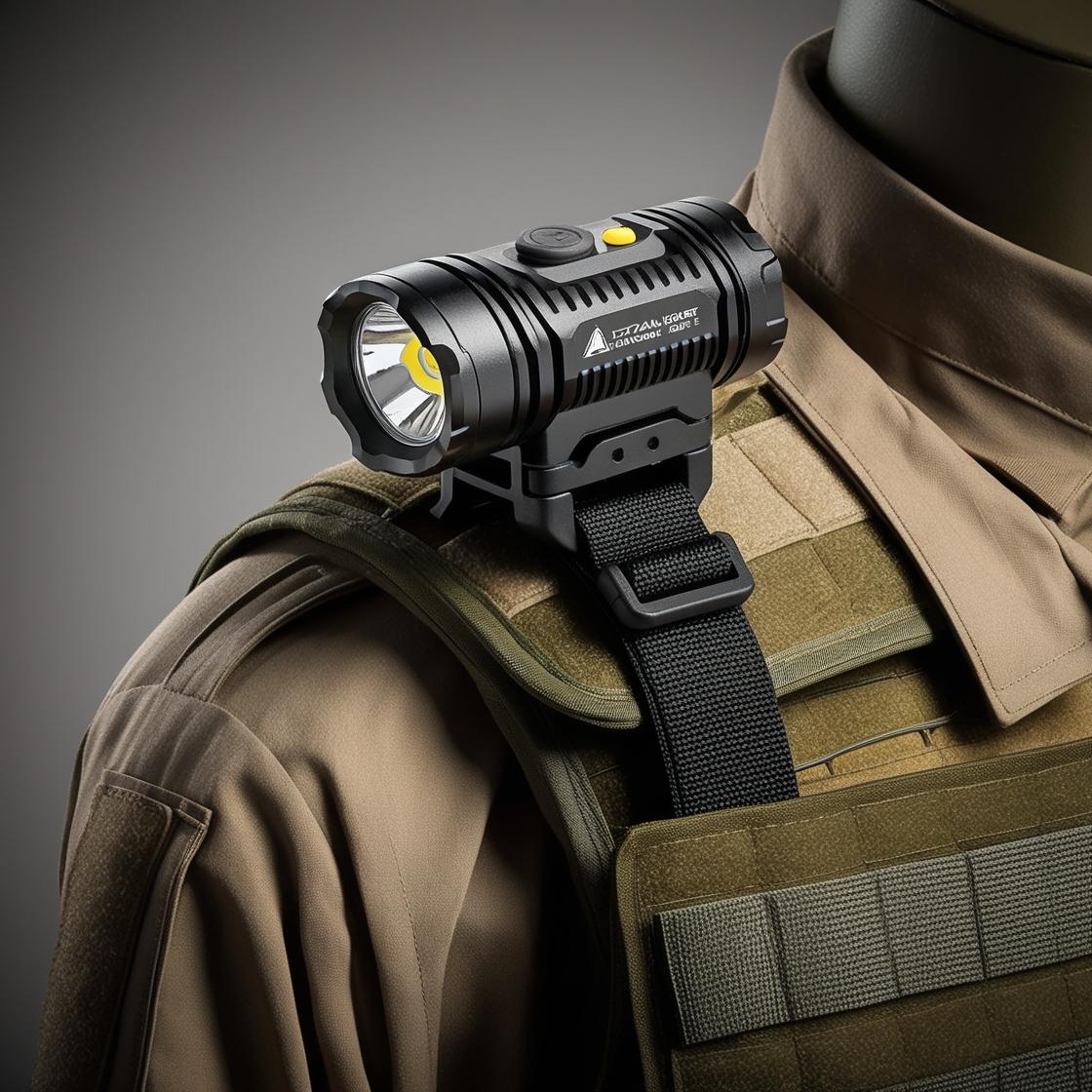
The Question
What color wearable safety light should you choose?
Direct Answer
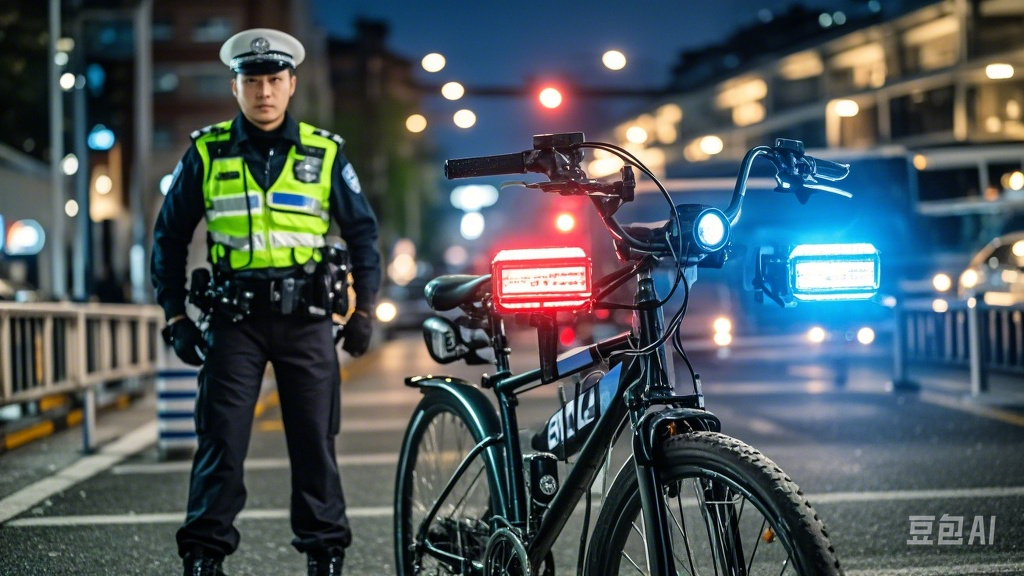
Choose the color that is allowed by local rules and clear for the user's role. Amber is often considered for general caution, white may support task awareness, red or blue can be restricted, and green may have role-specific meaning. Always check policy before deployment.
This answer should still be tested in the buyer’s real use case. The important question is not whether the product sounds useful in general. The important question is whether it helps police departments, roadside crews, rescue teams, security companies, public works teams, and distributors solve this problem: Color decisions can create confusion, legal risk, or user rejection if a team treats every flashing color as interchangeable.
Fast Decision Table
| Situation | What it means | Next step |
|---|---|---|
| Amber | Often used as a caution or work-zone signal. | Still confirm local rules and site policy. |
| Red | Can be associated with stop, rear marker, or emergency context. | Use carefully and check restrictions. |
| Blue | Often sensitive around law enforcement signals. | Do not assume it is allowed. |
| White | Can help task recognition but may create glare. | Use lower modes around close users. |
| Green | May carry role-specific meaning in some environments. | Confirm before deployment. |
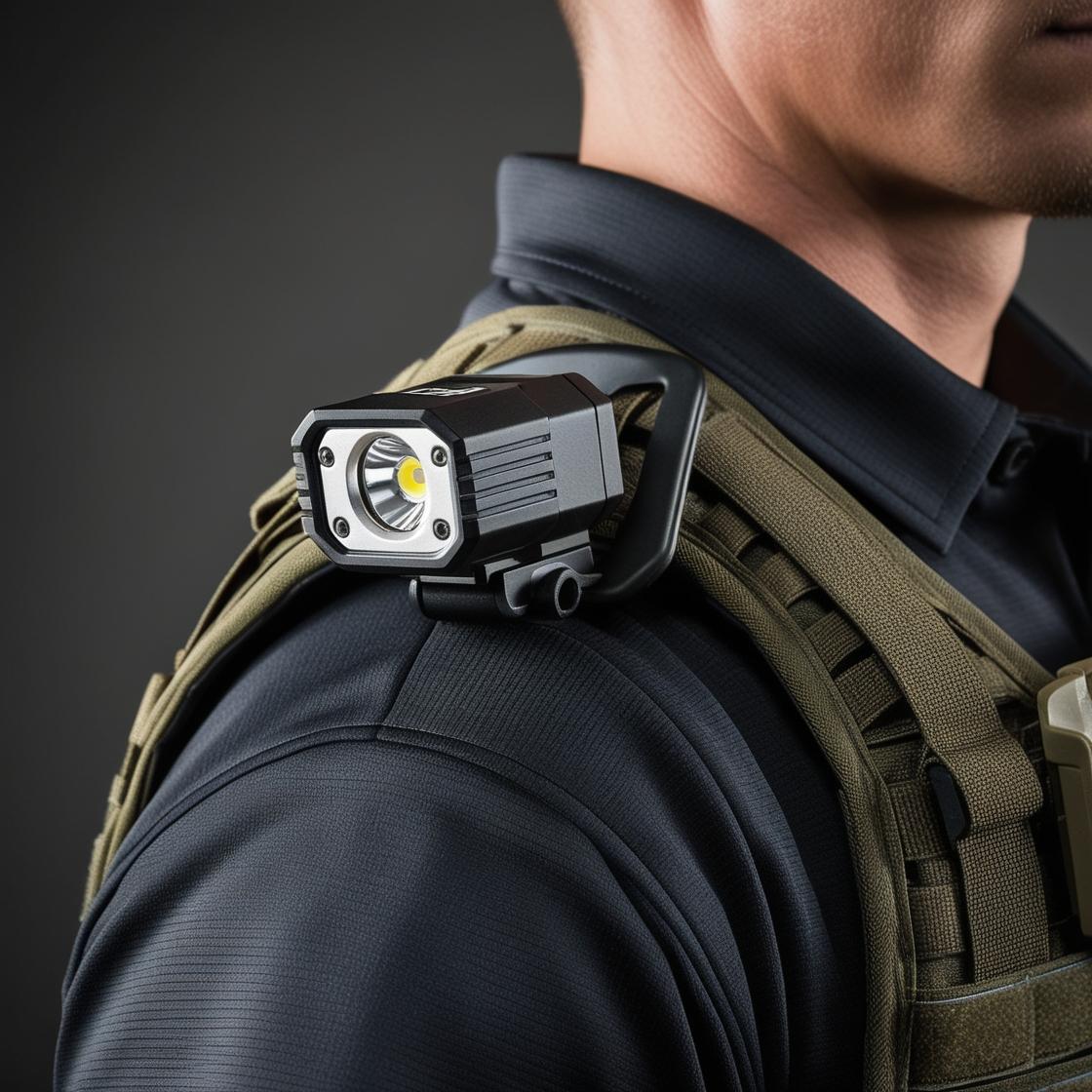
What to Check Before Applying This Answer
| Check | Why it matters | How to use it |
|---|---|---|
| User role | Who wears the light and what they are doing. | A police officer, tow operator, delivery rider, security guard, or yard worker may need different answers. |
| Observer viewpoint | Who needs to notice the user. | Test from driver, equipment operator, pedestrian, supervisor, or teammate viewpoint. |
| Environment | Lighting, weather, background, traffic, and equipment movement. | A bright office test does not answer a rainy work-zone question. |
| Mount and clothing | Where the device sits on the body or gear. | Check whether jackets, bags, straps, radios, or tools block it. |
| Routine | Charging, storage, inspection, and replacement. | A good answer fails if the team cannot keep units ready. |
How to Test This Answer in the Field
Use a short field test before turning this answer into policy or a bulk order. The test should be simple enough for a busy team to run, but specific enough to reveal whether the answer fits the actual environment.
- Choose one real user and one real task.
- Use the clothing, PPE, mount, bag, radio, or helmet the user actually wears.
- Observe from front, rear, side, and diagonal angles.
- Check the selected mode for glare, recognition, battery expectation, and user comfort.
- Record one photo or video that shows the approved setup.
- Decide whether to approve, retest, change the mount, change the mode, or compare another option.
For this topic, the first practical step is: Ask which colors or flash patterns are restricted for the user's location and role.

When This Answer Can Be Misleading
This answer can be misleading if the buyer ignores local rules, department policy, user clothing, weather, viewing angle, battery routine, or whether users will actually keep wearing the light. A wearable safety light is a practical tool, not a magic visibility guarantee.
Internal Reading Path
Use these deeper guides when the short answer opens a larger procurement, technical, deployment, or support question.
- Roadside Light Color Choices
- Police Wearable Light Color Policy
- Rescue Team Color Policy
- State Light Color Rules
- Flash Patterns and Brightness Modes
- Wearable Safety Light Glossary: Active Visibility, Beacon, Strobe, Mount, Runtime, and IP Rating
- Are Wearable Safety Lights Worth It for Roadside, Security, and Fleet Teams?
- Do Wearable Safety Lights Work in Daylight or Only at Night?
- How Many Wearable Safety Lights Does a Team Need? Quantity Planning Formula
- How Bright Should a Wearable Safety Light Be Without Creating Glare?
- Where Should You Wear a Wearable Safety Light? Shoulder, Vest, Helmet, Belt, or Bag
Buyer Checklist
- Write the user role and task.
- Choose the observer viewpoint that matters most.
- Test the mount, mode, brightness, color, or kit in the real environment.
- Check whether the answer changes under rain, glare, darkness, or shift pressure.
- Record the approved setup with a photo or video.
- Link the final decision to training, charging, inspection, and replacement.

Avoid the One-Size-Fits-All Answer
Wearable safety light decisions change with role, environment, clothing, observer angle, and charging discipline. For what color wearable safety light should you choose, this matters because the desired result is The buyer wants a practical color decision without accidentally copying emergency vehicle signals or creating glare.
The best answer is the one that survives real movement, bad lighting, shift pressure, and user feedback.
Use Search Answers as Starting Points
A direct answer helps the buyer move quickly, but the purchase should still be based on field evidence. For what color wearable safety light should you choose, this matters because the desired result is The buyer wants a practical color decision without accidentally copying emergency vehicle signals or creating glare.
The best answer is the one that survives real movement, bad lighting, shift pressure, and user feedback.
Connect the Answer to a Deeper Guide
If the short answer opens a bigger question, use the internal reading path instead of trying to solve every detail in one page. For what color wearable safety light should you choose, this matters because the desired result is The buyer wants a practical color decision without accidentally copying emergency vehicle signals or creating glare.
The best answer is the one that survives real movement, bad lighting, shift pressure, and user feedback.
Record the Approved Rule
After the team decides, write the rule for mount, mode, charging, storage, and replacement so users do not improvise. For what color wearable safety light should you choose, this matters because the desired result is The buyer wants a practical color decision without accidentally copying emergency vehicle signals or creating glare.
The best answer is the one that survives real movement, bad lighting, shift pressure, and user feedback.
FAQ
What color wearable safety light should you choose?
Choose the color that is allowed by local rules and clear for the user's role. Amber is often considered for general caution, white may support task awareness, red or blue can be restricted, and green may have role-specific meaning. Always check policy before deployment.
What should a buyer test first?
Ask which colors or flash patterns are restricted for the user's location and role.
Can one answer fit every team?
No. The right answer depends on user role, work environment, legal or policy limits, clothing, mount position, charging routine, and whether users will keep wearing the light.
Does a wearable safety light replace PPE or procedures?
No. It should support required PPE, traffic control, site lighting, training, supervision, radios, and local rules.
How can Guardian ProX be used for this decision?
Guardian ProX can be used as a sample device to test visibility, mounting, charging, mode choice, comfort, and user acceptance before a larger order.
Recommended Next Step
If this answer matches your team’s question, test Guardian ProX wearable safety light in the real use case before buying in quantity. The decision should be based on visibility, comfort, mount fit, charging routine, support plan, and user acceptance.