
Quick Answer
Common placements include shoulder, chest, vest, helmet, belt, backpack, or hard hat, but the best placement is the one that remains visible during the actual task from the observer's viewpoint.
Definition
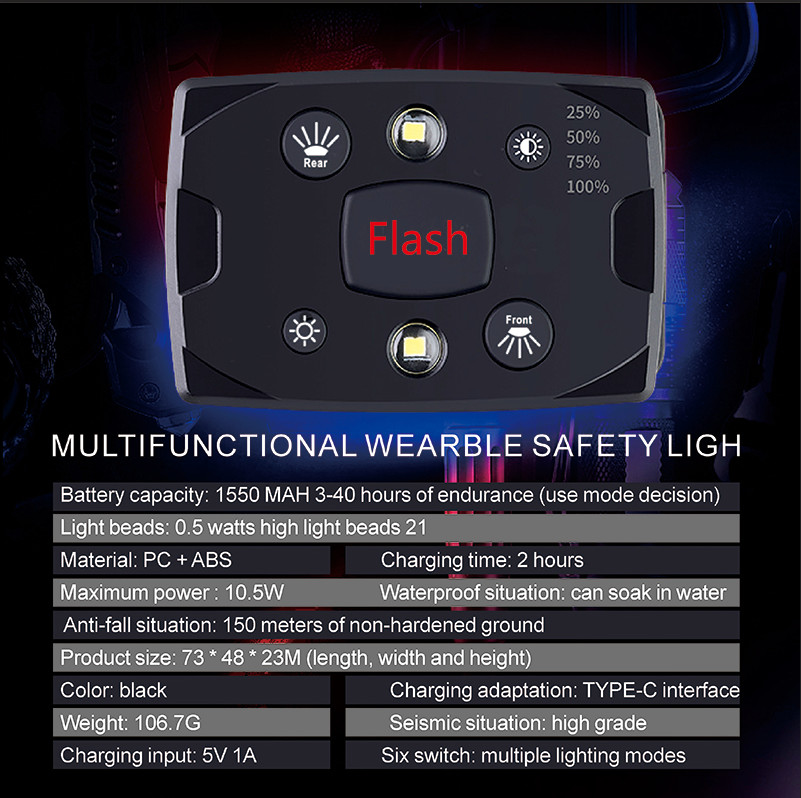
where should you wear a wearable safety light: Wearable safety light placement is the selected body or gear location where the light remains visible, secure, comfortable, and compatible with the user's task, clothing, PPE, and movement.
Key Takeaways
- Common placements include shoulder, chest, vest, helmet, belt, backpack, or hard hat, but the best placement is the one that remains visible during the actual task from the observer's viewpoint.
- Use the direct answer as a starting point, then confirm it through the user's real task, clothing, route, and observer angle.
- A wearable safety light should support existing safety procedures, not replace required PPE, traffic control, or training.
- Guardian ProX should be tested as a sample before a buyer turns the answer into a bulk purchase or policy.
The Question
Where should you wear a wearable safety light?
Direct Answer
Wear the light where it remains visible from the angles that matter, does not get blocked by clothing or tools, stays secure during movement, and does not interfere with PPE, radio, body camera, backpack, helmet, or work tasks.
This answer should still be tested in the buyer’s real use case. The important question is not whether the product sounds useful in general. The important question is whether it helps safety managers, police teams, roadside crews, event staff, delivery teams, outdoor users, and distributors solve this problem: A good light can fail if it is hidden by a vest, jacket, backpack strap, arm movement, helmet angle, or tool belt.
Fast Decision Table
| Situation | What it means | Next step |
|---|---|---|
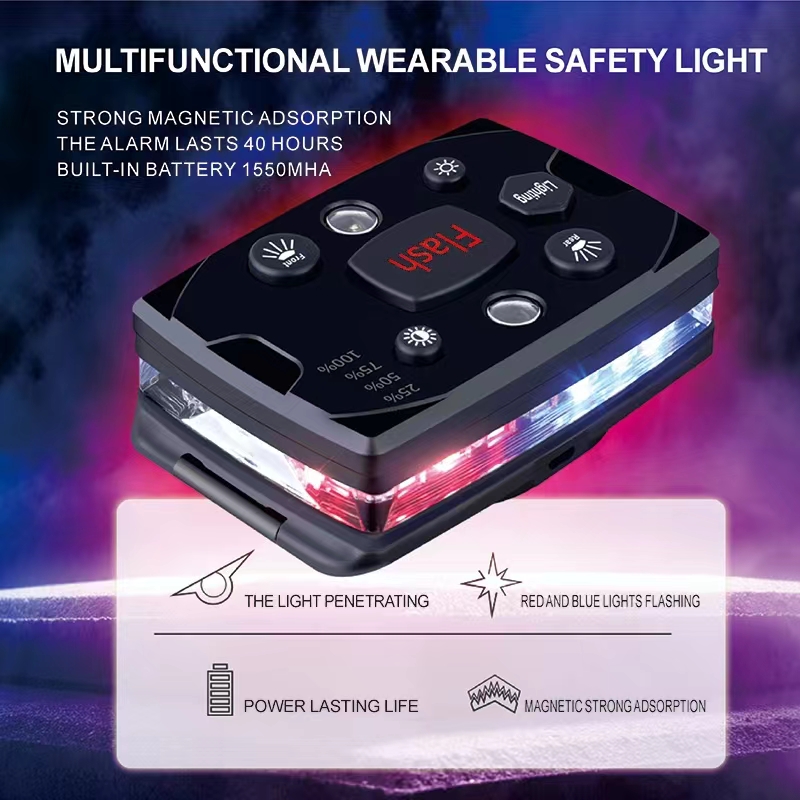
| Shoulder | Often strong for body recognition. | Check radio, body camera, and jacket conflicts. |
| Vest or chest | Easy to standardize for teams. | Avoid pockets, straps, and arm blockage. |
| Helmet or hard hat | Useful when upper-body visibility matters. | Check glare and stability. |
| Belt | May be convenient for some roles. | Can be blocked by vehicles, tools, or posture. |
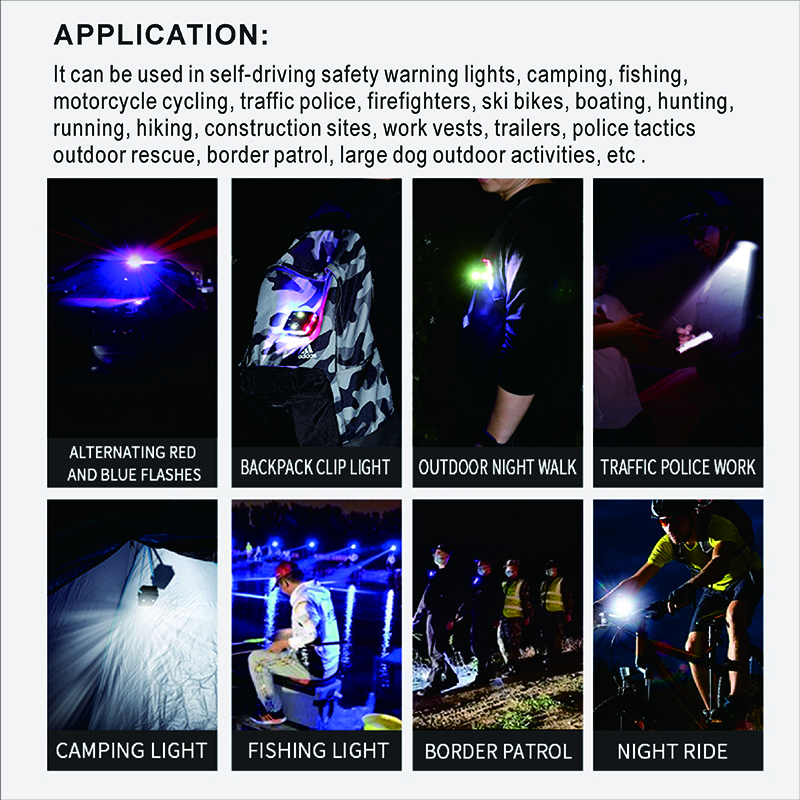
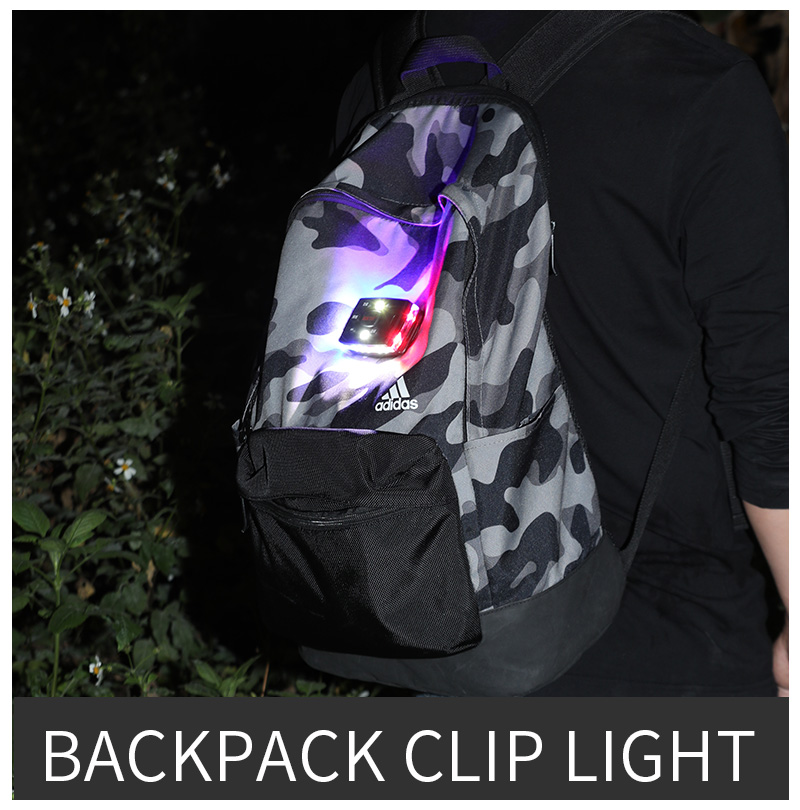
| Bag or backpack | Useful for riders or delivery users. | Make sure it marks the person, not just the bag. |
What to Check Before Applying This Answer
| Check | Why it matters | How to use it |
|---|---|---|
| User role | Who wears the light and what they are doing. | A police officer, tow operator, delivery rider, security guard, or yard worker may need different answers. |
| Observer viewpoint | Who needs to notice the user. | Test from driver, equipment operator, pedestrian, supervisor, or teammate viewpoint. |
| Environment | Lighting, weather, background, traffic, and equipment movement. | A bright office test does not answer a rainy work-zone question. |
| Mount and clothing | Where the device sits on the body or gear. | Check whether jackets, bags, straps, radios, or tools block it. |
| Routine | Charging, storage, inspection, and replacement. | A good answer fails if the team cannot keep units ready. |
How to Test This Answer in the Field
Use a short field test before turning this answer into policy or a bulk order. The test should be simple enough for a busy team to run, but specific enough to reveal whether the answer fits the actual environment.
- Choose one real user and one real task.
- Use the clothing, PPE, mount, bag, radio, or helmet the user actually wears.
- Observe from front, rear, side, and diagonal angles.
- Check the selected mode for glare, recognition, battery expectation, and user comfort.
- Record one photo or video that shows the approved setup.
- Decide whether to approve, retest, change the mount, change the mode, or compare another option.
For this topic, the first practical step is: Photograph the user in full gear and check front, rear, side, and diagonal visibility while moving.
When This Answer Can Be Misleading
This answer can be misleading if the buyer ignores local rules, department policy, user clothing, weather, viewing angle, battery routine, or whether users will actually keep wearing the light. A wearable safety light is a practical tool, not a magic visibility guarantee.
Internal Reading Path
Use these deeper guides when the short answer opens a larger procurement, technical, deployment, or support question.
- Wearable Safety Light Mount Selection Guide
- Magnetic Mount vs Clip Mount
- Hard Hat Wearable Safety Light Mounting Guide
- Prevent Safety Vest Light Obstruction
- Wearable Safety Light Training SOP
- Wearable Safety Light Glossary: Active Visibility, Beacon, Strobe, Mount, Runtime, and IP Rating
- Are Wearable Safety Lights Worth It for Roadside, Security, and Fleet Teams?
- Do Wearable Safety Lights Work in Daylight or Only at Night?
- How Many Wearable Safety Lights Does a Team Need? Quantity Planning Formula
- What Color Wearable Safety Light Should You Choose? Amber, Red, Blue, White, or Green
- How Bright Should a Wearable Safety Light Be Without Creating Glare?
Buyer Checklist
- Write the user role and task.
- Choose the observer viewpoint that matters most.
- Test the mount, mode, brightness, color, or kit in the real environment.
- Check whether the answer changes under rain, glare, darkness, or shift pressure.
- Record the approved setup with a photo or video.
- Link the final decision to training, charging, inspection, and replacement.
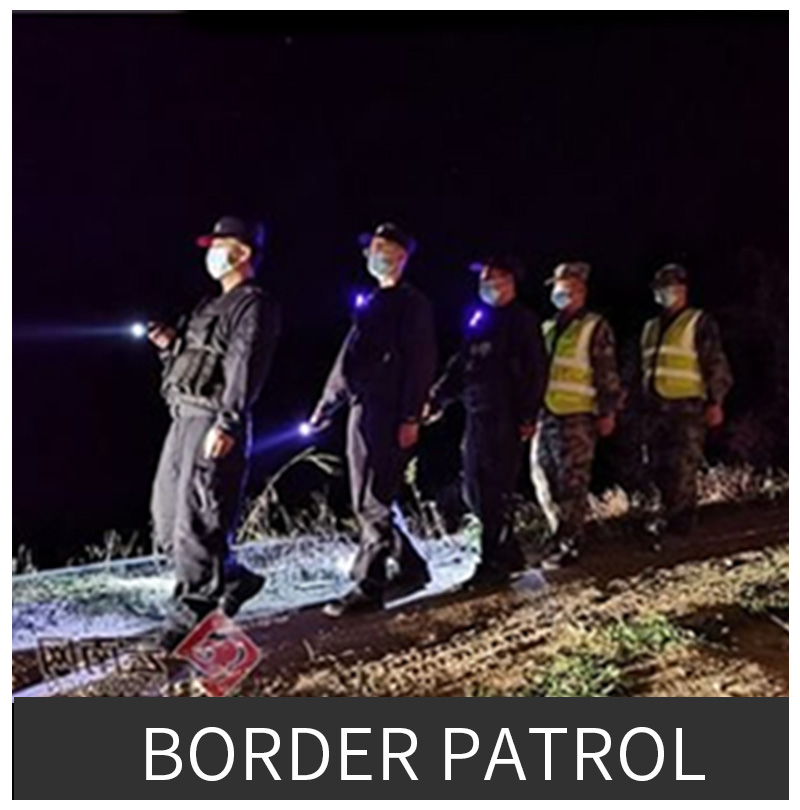
Avoid the One-Size-Fits-All Answer
Wearable safety light decisions change with role, environment, clothing, observer angle, and charging discipline. For where should you wear a wearable safety light, this matters because the desired result is The buyer wants a simple placement rule that works in real movement, not just a product photo.
The best answer is the one that survives real movement, bad lighting, shift pressure, and user feedback.
Use Search Answers as Starting Points
A direct answer helps the buyer move quickly, but the purchase should still be based on field evidence. For where should you wear a wearable safety light, this matters because the desired result is The buyer wants a simple placement rule that works in real movement, not just a product photo.
The best answer is the one that survives real movement, bad lighting, shift pressure, and user feedback.
Connect the Answer to a Deeper Guide
If the short answer opens a bigger question, use the internal reading path instead of trying to solve every detail in one page. For where should you wear a wearable safety light, this matters because the desired result is The buyer wants a simple placement rule that works in real movement, not just a product photo.
The best answer is the one that survives real movement, bad lighting, shift pressure, and user feedback.
Record the Approved Rule
After the team decides, write the rule for mount, mode, charging, storage, and replacement so users do not improvise. For where should you wear a wearable safety light, this matters because the desired result is The buyer wants a simple placement rule that works in real movement, not just a product photo.
The best answer is the one that survives real movement, bad lighting, shift pressure, and user feedback.
FAQ
Where should you wear a wearable safety light?
Wear the light where it remains visible from the angles that matter, does not get blocked by clothing or tools, stays secure during movement, and does not interfere with PPE, radio, body camera, backpack, helmet, or work tasks.
What should a buyer test first?
Photograph the user in full gear and check front, rear, side, and diagonal visibility while moving.
Can one answer fit every team?
No. The right answer depends on user role, work environment, legal or policy limits, clothing, mount position, charging routine, and whether users will keep wearing the light.
Does a wearable safety light replace PPE or procedures?
No. It should support required PPE, traffic control, site lighting, training, supervision, radios, and local rules.
How can Guardian ProX be used for this decision?
Guardian ProX can be used as a sample device to test visibility, mounting, charging, mode choice, comfort, and user acceptance before a larger order.
Recommended Next Step
If this answer matches your team’s question, test Guardian ProX wearable safety light in the real use case before buying in quantity. The decision should be based on visibility, comfort, mount fit, charging routine, support plan, and user acceptance.