
Quick Answer
开启安全新时代:OBO 欧博可穿戴安全灯 should help buyers understand OBO as a wearable safety light manufacturer and compare whether Guardian ProX can solve real visibility, mounting, battery, waterproof, and bulk-order needs.
Definition
开启安全新时代:OBO 欧博可穿戴安全灯 is a company and product-positioning page for OBO wearable safety lights. It explains how buyers can evaluate a factory-direct wearable safety light supplier for law enforcement, rescue, roadside, outdoor, and B2B procurement use cases.
Key Takeaways
- Use sample testing to confirm visibility, mounting stability, control simplicity, and battery routine.
- Compare factory-direct value against premium wearable safety light brands without relying only on price.
- Check whether the same product can support police, EMS, roadside, outdoor, and branded procurement programs.
- Move from company information to field evaluation through the OBO resource center and Guardian ProX product page.
Related Buyer Path
- Wearable Safety Light Resource Center
- Wearable Safety Light Technical Buyer Hub
- Wearable Safety Light Procurement Hub
- Guardian Angel Alternative Comparison Hub
- Guardian ProX Wearable Safety Light product page
FAQ
How should a buyer verify OBO before bulk ordering?
Request samples, compare visibility in the real use case, check packaging and branding details, confirm lead time, and evaluate communication speed before a larger purchase.
Is Guardian ProX only for one industry?
No. Guardian ProX can be evaluated for law enforcement, rescue, roadside, outdoor, industrial, and private-label safety visibility programs.
What matters more than brightness?
Recognition angle, mounting position, glare control, user comfort, battery routine, waterproof durability, and repeatable charging behavior all matter alongside brightness.
Where should readers go next?
Start with the OBO wearable safety light resource center, then compare the technical buyer hub, procurement hub, Guardian Angel alternative hub, and Guardian ProX product page.
Table of Contents
What real problem does OBO wearable safety light solve?
OBO wearable safety light solves the problem of being difficult to see when a person is moving, working, or responding in a low-light environment. The buyer is usually not looking for decoration; they are looking for a light that can stay attached, show a clear warning signal, work in rain or dust, and remain comfortable enough for repeated daily use.
For traffic control, rescue support, outdoor patrol, night work, and personal safety, the first field question is always the same: will the user be noticed early enough? The second question is whether the light stays in the right position when the user walks, bends, enters a vehicle, carries tools, or changes tasks. That is why magnetic mounting, waterproof construction, runtime by mode, and simple charging are more important than broad claims about brightness.
Before a buyer chooses a batch, the best check is a small field trial. Use the light in the intended position for one complete task, record which lighting mode is used, confirm whether the battery covers the task, and inspect the mount after movement. If the light passes that simple test, it becomes much easier to discuss OEM packaging, wholesale quantity, color options, and repeat-order planning.
Recommended sample: start with the Guardian ProX wearable safety light and compare it against your actual user group, not only against a catalog photo.
Why should buyers choose OBO wearable safety lights?
Buyers should choose OBO wearable safety lights when they need active personal visibility, magnetic hands-free mounting, waterproof protection, rechargeable operation, and flexible supply from a China-based manufacturer. The product is designed for law enforcement, rescue, traffic control, outdoor safety, and bulk procurement teams that need a practical Guardian Angel-style safety light with OEM and wholesale support.
在面对复杂的户外环境、交通指挥、应急救援或其他需要高可见性场景时,可穿戴安全灯已成为不可或缺的装备。我们,中山欧博电子,作为中国唯一专业生产可穿戴安全灯的厂家,自豪地为您提供国产替代的最佳选择。
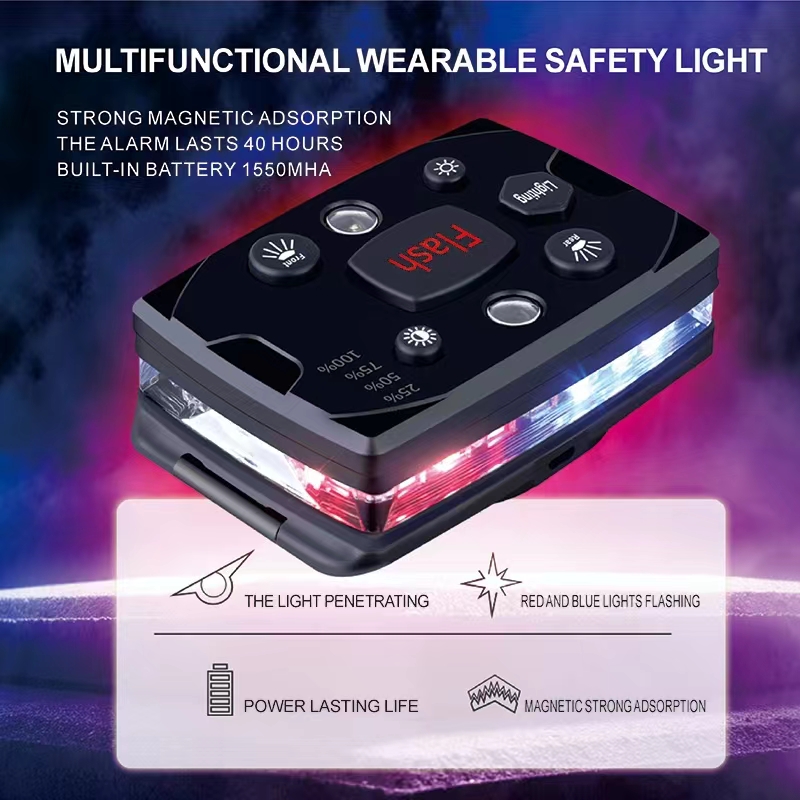
为什么选择可穿戴安全灯?
高亮度可见性:
OBO欧博电子的安全灯采用顶级LED技术,即使在夜晚或恶劣天气条件下,其光线可见距离可超过8公里。这种高亮度设计确保您的安全与效率。坚固耐用的设计:
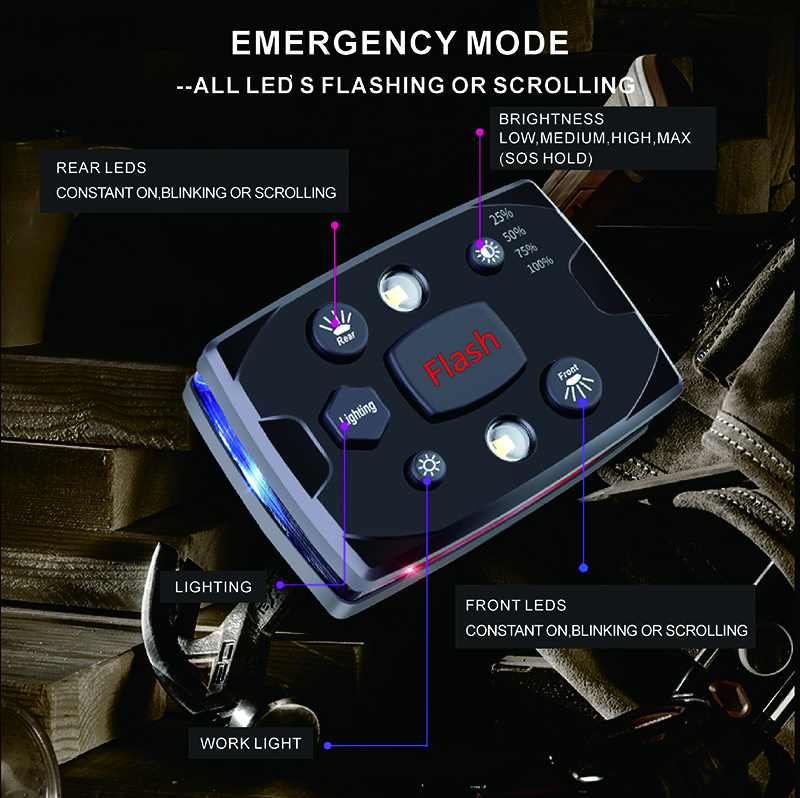
产品具备卓越的防水、防震性能,无惧极端环境。无论是雨天还是崎岖地形,我们的安全灯都能稳定工作。便携与多功能:
我们的安全灯轻便、佩戴舒适,可轻松固定在肩膀、腰间或头盔上,满足多种使用需求。
中国制造,国产优选
Guardian Angel(GA)品牌的安全灯在全球享有盛名,但价格昂贵、货期长,而我们提供具有相同品质的国产替代品。作为中国本土工厂,我们不仅保证高质量,更能提供更灵活的供货和售后支持。
| 对比项 | Guardian Angel | OBO Bright |
|---|---|---|
| 产品性能 | 高亮、防水 | 高亮、防水 |
| 价格 | 较高 | 更实惠 |
| 供货时间 | 国际物流较慢 | 国内物流快速 |
应用场景与实际案例
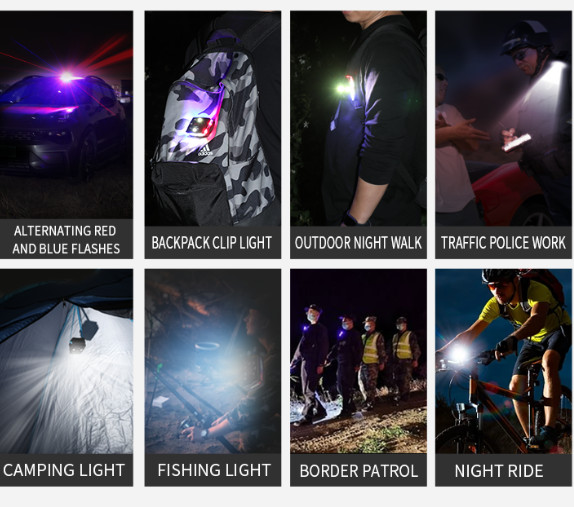
交通管理:
夜间交通指挥员使用OBO安全灯后显著提高了交通管理效率,并降低了意外事故发生率。户外救援:
在突发自然灾害如地震或台风中,救援人员佩戴我们的安全灯,成功让受灾者在远距离看到光源,大大提高了救援效率。
为什么选择欧博电子?
- 厂家直供:省去中间商,价格优势明显。
- 多样化服务:支持定制化需求,为不同用户群体提供最适合的产品。
- 信赖保障:与国内外多家政府和企业客户建立长期合作,品质有口皆碑。
高质量与高性价比的完美结合,OBO Bright是您的最佳选择!
如何联系我们?
想了解更多信息或采购,请访问我们的官网:obotop.com,或发送邮件至[email protected]。我们期待与您合作,共创安全未来!
?????????????????????
OBO ?????????????????????????????????????????????????????????????????????????????????????????????????????????????????
?????????????????????????????????????????????????????????????????????????????????????????????????
OBO ???????????
| ?? | ???? | ???? |
|---|---|---|
| ???? | ???????????? | ?????????????? |
| ???? | ????????????????? | ????????????? |
| ????? | ?????????????????? | ?????????????? |
| ???? | ??????????????? | ??????????????? |
| ???? | ????????? | ????????????? |
?????????????
???????????????????????????????????????????????
???????????????????????????????????????????
???????????????????????????????????????????
?????????????????????????????????????????????
???????????????
- ??????????????????
- ???????????????????????
- ??????????????????????
- ??????????????????
- ?????????????????
- ??????????????????? OEM ???
FAQ???????????
????????????????
?????????????????????????????????????????
?????????
???????????????????????????????????????????
????????????
??????????????????????????????????????????
OBO ???????? OEM ??
??????????????????????????? OBO ?????????????????
Recommended next step: Compare the OBO Guardian ProX wearable safety light for IP68 waterproofing, magnetic mounting, Type-C charging, multi-mode warning patterns, and OEM/wholesale safety-light projects.
Related resources: purchase guides, product tutorials, and the OBO safety light blog.
?????????????????????
OBO ?????????????????????????????????????????????????????????????????????????????????????????????????????????????????
?????????????????????????????????????????????????????????????????????????????????????????????????
OBO ???????????
| ?? | ???? | ???? |
|---|---|---|
| ???? | ???????????? | ?????????????? |
| ???? | ????????????????? | ????????????? |
| ????? | ?????????????????? | ?????????????? |
| ???? | ??????????????? | ??????????????? |
| ???? | ????????? | ????????????? |
?????????????
???????????????????????????????????????????????
???????????????????????????????????????????
???????????????????????????????????????????
?????????????????????????????????????????????
???????????????
- ??????????????????
- ???????????????????????
- ??????????????????????
- ??????????????????
- ?????????????????
- ??????????????????? OEM ???
FAQ???????????
????????????????
?????????????????????????????????????????
?????????
???????????????????????????????????????????
????????????
??????????????????????????????????????????
OBO ???????? OEM ??
??????????????????????????? OBO ?????????????????
Recommended next step: Compare the OBO Guardian ProX wearable safety light for IP68 waterproofing, magnetic mounting, Type-C charging, multi-mode warning patterns, and OEM/wholesale safety-light projects.
Related resources: purchase guides, product tutorials, and the OBO safety light blog.
Field Use Evidence: Wearable Safety Light Core Cluster
Topic cluster: Wearable Safety Light Core Cluster. Buyer readiness: L2 Comparing. This guide should be evaluated as a scenario-based safety-light resource, not only as a product description. The main buying question is whether field workers and safety buyers can stay visible, identifiable, and operational in low-light work / outdoor movement without adding unnecessary weight or workflow friction.
Application Scenario Matrix
| Dimension | Recommended Coverage | Why It Matters |
|---|---|---|
| User type | field workers and safety buyers | The article must match the reader’s real task, not a generic lighting use case. |
| Environment | low-light work / outdoor movement | Reader intent is usually tied to where the light is used and what can go wrong. |
| Risk | poor personal visibility risk | Risk-based explanations are more useful than feature-only product descriptions. |
| Mounting method | Magnetic, clip, shoulder, vest, bag, vehicle, or equipment mounting | Mounting decides whether the light works during movement and hands-free tasks. |
| Performance goal | Visibility, runtime, waterproofing, signal clarity, and repeatable daily use | B2B buyers need field reliability, not only brightness claims. |
Risk and Failure Table
| Failure Mode | Likely Cause | How Buyers Should Check |
|---|---|---|
| Poor visibility | Weak LED output, narrow viewing angle, or wrong mounting position | Check real use position, flash modes, and visibility from front/side/back angles. |
| Mounting failure | Weak magnet, poor clip design, or unsuitable clothing/equipment surface | Test the light on uniforms, vests, bags, tools, vehicles, and active movement. |
| Short runtime | Small battery or high-power mode used continuously | Compare runtime by mode, not only the maximum advertised runtime. |
| Water ingress | Low waterproof rating or poor charging-port protection | Confirm IP rating, port design, and post-rain inspection routine. |
| Confusing signal | Too many modes or unclear color policy | Match flash mode and color use with local safety rules or department policy. |
Decision Layer: When This Product Type Is a Good Fit
Wearable Safety Light is a good fit when the user needs active visibility, hands-free operation, and flexible mounting. It is less suitable when the job only needs area illumination, vehicle-mounted warning lights, or certified navigation lighting required by a specific regulation. A strong article should explain these trade-offs clearly because B2B buyers trust content that names limitations.
Quantification & EEAT Checklist
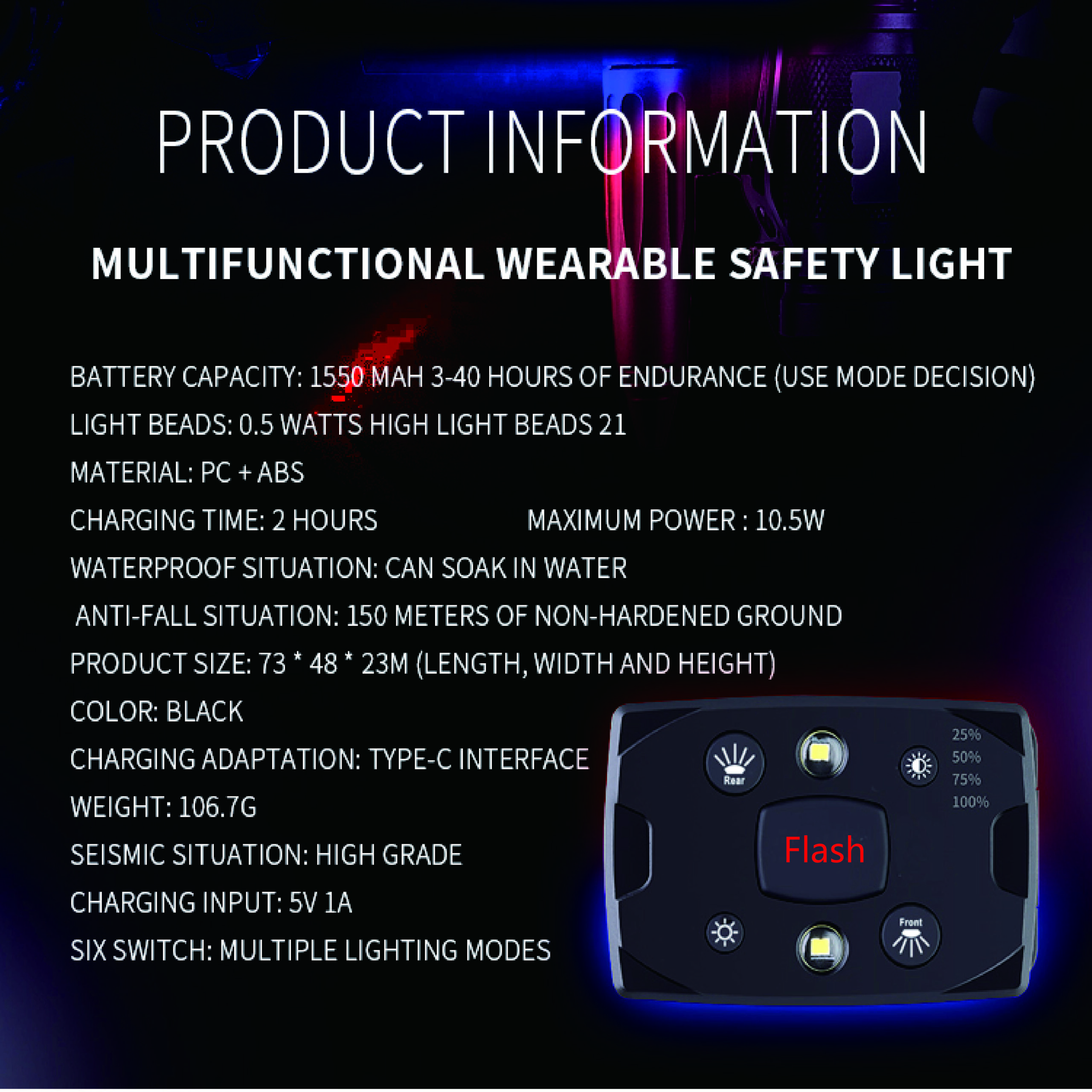
- Include measurable specs where available: IP68 waterproofing, 3-40h runtime range, 106.7g weight, 1550mAh battery capacity, Type-C charging, 1.5h charge time, and 21 LED beads.
- Explain inspection routines: check battery level, mounting stability, lens cleanliness, charging port condition, and mode selection before field use.
- Use practical acceptance criteria: light stays mounted during movement, signal is visible from the required direction, and runtime covers the expected shift or activity.
- Avoid unsupported absolute claims. If a visibility distance or regulation is mentioned, connect it to a verified source or describe it as dependent on environment and configuration.
Entity Coverage
Important entities to include naturally: wearable safety light, magnetic mount, shoulder light, warning light, strobe mode, IP68, Type-C charging, battery runtime, personal visibility, traffic control, rescue team, police patrol, roadside work, outdoor safety, waterproof LED light, and Guardian Angel alternative.
Visual Evidence Suggestions
- Show the light mounted on a uniform, vest, backpack, vehicle, or tool surface.
- Add a close-up of magnetic mounting and charging-port protection.
- Use a comparison image or diagram for front/side/back visibility.
- For application articles, add a real scenario image rather than a generic stock photo.
Buyer Questions
What should buyers check before choosing this safety light?
They should check visibility angle, mounting stability, waterproof rating, runtime by mode, weight, charging method, and whether the light fits the actual field scenario.
Is a wearable safety light a replacement for a flashlight?
No. A flashlight illuminates an area, while a wearable safety light makes the person visible. Many professional users need both.
When is a magnetic safety light better than a clip-only light?
Magnetic mounting is better when users need fast attachment to uniforms, metal surfaces, vehicles, bags, or equipment without tools.
How should this article convert readers?
For learning-stage readers, link to related guides. For selecting or RFQ-ready buyers, link to product specifications and invite sample testing, OEM discussion, or procurement review.
Recommended CTA: Review the Guardian ProX wearable safety light for IP68 waterproofing, magnetic mounting, Type-C charging, multi-mode visibility, and OEM/wholesale safety-light projects.
Related internal links: purchase guides, product tutorials, and the OBO safety light blog.
How should buyers judge this safety light in real field use?
Buyers should judge this product by the task, the environment, and the failure risk: who needs to be seen, where they work, how the light is mounted, how long it must run, and whether rain, glare, traffic, snow, water, or movement can reduce visibility. For field workers, outdoor users, safety teams, and distributors, the practical question is not simply whether the light is bright. The better question is whether it remains visible and secure during low-light work, personal warning, hands-free mounting, and safety-light procurement.
What field conditions should this article answer?
This topic belongs to the Wearable Safety Light Core cluster, so the content should answer real operating conditions before describing product features. A useful article should explain the user type, mounting position, weather exposure, battery expectation, visibility direction, and the cost of failure. That structure helps readers compare products without relying on broad claims.
| Field question | What the article should explain | Buyer value |
|---|---|---|
| Who uses it? | field workers, outdoor users, safety teams, and distributors | Matches the content to the reader’s real job. |
| Where is it used? | low-light work, personal warning, hands-free mounting, and safety-light procurement | Connects the product to the actual environment. |
| What can fail? | Weak mounting, short runtime, water ingress, unclear flash mode, poor side visibility | Turns the article into a decision guide, not a feature list. |
| What must be checked? | IP68 protection, 3-40h runtime range, 106.7g weight, 1550mAh battery, Type-C charging, and 21 LED beads | Gives the buyer measurable comparison points. |
Which product limits should be stated clearly?
A trustworthy article should name the limits of a wearable light instead of making it sound suitable for every job. A wearable safety light is useful for personal visibility and hands-free signaling. It is not a replacement for certified vehicle warning systems, area work lights, navigation lights required by a specific rule, or a handheld inspection flashlight. When the limitation is clear, the recommendation becomes more credible.
What evidence should support the recommendation?
The recommendation should be supported by measurable specifications, field checks, and relevant authority references. For this topic, readers benefit from practical checks such as mounting stability during movement, visibility from front and side angles, charging-port inspection after rain, and runtime by lighting mode. For external context, see OSHA and NHTSA safety visibility guidance.
How can readers compare options before requesting a quote?
Readers should compare wearable safety lights by scenario fit, not by price alone. A low-cost light may be acceptable for casual use, but professional users often need stable mounting, waterproof protection, rechargeable power, clear signal modes, and repeatable supply. For RFQ-ready buyers, the next step is to confirm sample testing, packaging, color options, and OEM requirements.
Practical validation checklist
- Mount the light on the actual uniform, vest, backpack, vehicle surface, or tool bag.
- Check visibility from the front, side, and rear under the expected lighting condition.
- Run the selected mode long enough to confirm battery performance for the intended shift or activity.
- Inspect the charging port, lens, buttons, magnet, and clip after rain, dust, or repeated movement.
- Confirm whether the signal color and flash mode match local policy or buyer requirements.
What should the final buying decision include?
The final decision should include the product, the mounting method, the runtime expectation, the use environment, the inspection routine, and the sourcing plan. Buyers who need a professional wearable safety light can review the Guardian ProX wearable safety light, then compare related purchase guides, product tutorials, and the OBO safety light blog.
Frequently asked questions
Is a wearable safety light enough by itself?
It is enough for personal visibility in many low-light tasks, but it should be combined with task-specific lighting, reflective gear, or vehicle warning systems when the environment requires more coverage.
What is the most important feature for professional users?
Mounting reliability is often just as important as brightness. If the light moves, falls, or points in the wrong direction, the visibility benefit drops quickly.
How should buyers test a sample?
Test it in the real mounting position, real weather exposure, real movement pattern, and real runtime requirement instead of judging only from a product photo.
Why does a scenario-first article rank better for serious buyers?
A scenario-first article is more useful because it answers the buyer’s operational problem before presenting the product. For field workers, outdoor users, safety teams, and distributors, the problem usually starts with uncertainty: whether the light can be seen early enough, whether it stays attached, whether it survives the environment, and whether the supplier can support repeat orders. A page that answers those questions has more practical value than a page that repeats the same feature list.
For this reason, the article should keep adding concrete examples: when the light is mounted on a shoulder, when it is attached to a metal surface, when it is used in rain, when it is used during a long shift, and when a distributor needs consistent packaging or OEM branding. These details create a stronger buying path from learning to comparison to sample request.
What extra checks help international buyers make a safer decision?
International buyers should check whether the product can be explained, tested, packed, and reordered consistently. For outdoor users and safety buyers, a wearable safety light is not only a small accessory; it is a field-use product that must remain visible during low-light movement, hands-free visibility, weather exposure, and personal warning needs. Before purchasing in bulk, buyers should confirm the sample, packaging, charging cable, user instructions, color options, and replacement plan.
A practical review should include at least three checks. First, mount the light on the real uniform, vest, backpack, vehicle surface, or equipment position. Second, test the selected flash or steady mode in the actual low-light environment. Third, confirm whether the battery runtime covers the expected shift, patrol, trip, or emergency task. These checks are simple, but they prevent many purchasing mistakes.
The article should also make the buying path clear. Learning-stage readers can continue with related guides. Comparison-stage readers should review mounting, waterproofing, runtime, and signal modes. RFQ-ready buyers should ask for sample testing, OEM packaging, color requirements, and batch delivery details. This makes the page more useful for both Google visitors and real procurement conversations.
What should international buyers confirm before placing a bulk order?
International buyers should confirm the sample, the mounting method, the runtime expectation, the waterproof requirement, and the packaging plan before placing a bulk order. For OBO wearable safety lights, the most useful review is a practical field test: attach the light to a uniform, vest, backpack, vehicle surface, or tool bag, then check visibility from several angles in low light.
Buyers should also confirm charging accessories, user instructions, color options, carton labeling, OEM branding, and repeat-order lead time. These details are important because a safety light is not only a product photo on a website. It is a field-use item that must work consistently for patrol teams, rescue crews, roadside workers, outdoor users, and distributors who need stable quality across multiple batches.
Before final approval, compare the Guardian ProX wearable safety light with the actual job requirement: IP68 waterproofing for wet environments, magnetic mounting for quick attachment, Type-C charging for daily use, multi-mode warning output for visibility, and a lightweight body for long wearing time. This final checklist helps the article serve both learning-stage visitors and RFQ-ready procurement buyers.