
Quick Answer
7-Day Police Light Field Trial: A Practical Wearable Safety Light Test Plan for Departments should be evaluated through real field movement, not only product specifications. The buyer should test visibility, mounting, comfort, controls, charging, and whether users keep the light in service after the first trial.
Definition
A 7-day police wearable light field trial is a short department test that checks visibility, mounting, battery routine, officer comfort, supervisor acceptance, and gear compatibility before a larger purchase.
Key Takeaways
- A one-week trial reveals daily-use problems that a short demo usually misses.
- Departments should document placement photos, user feedback, battery status, and supervisor observations.
- The best trial decision is role-specific: approve, retest with changes, compare another sample, or reject the setup.
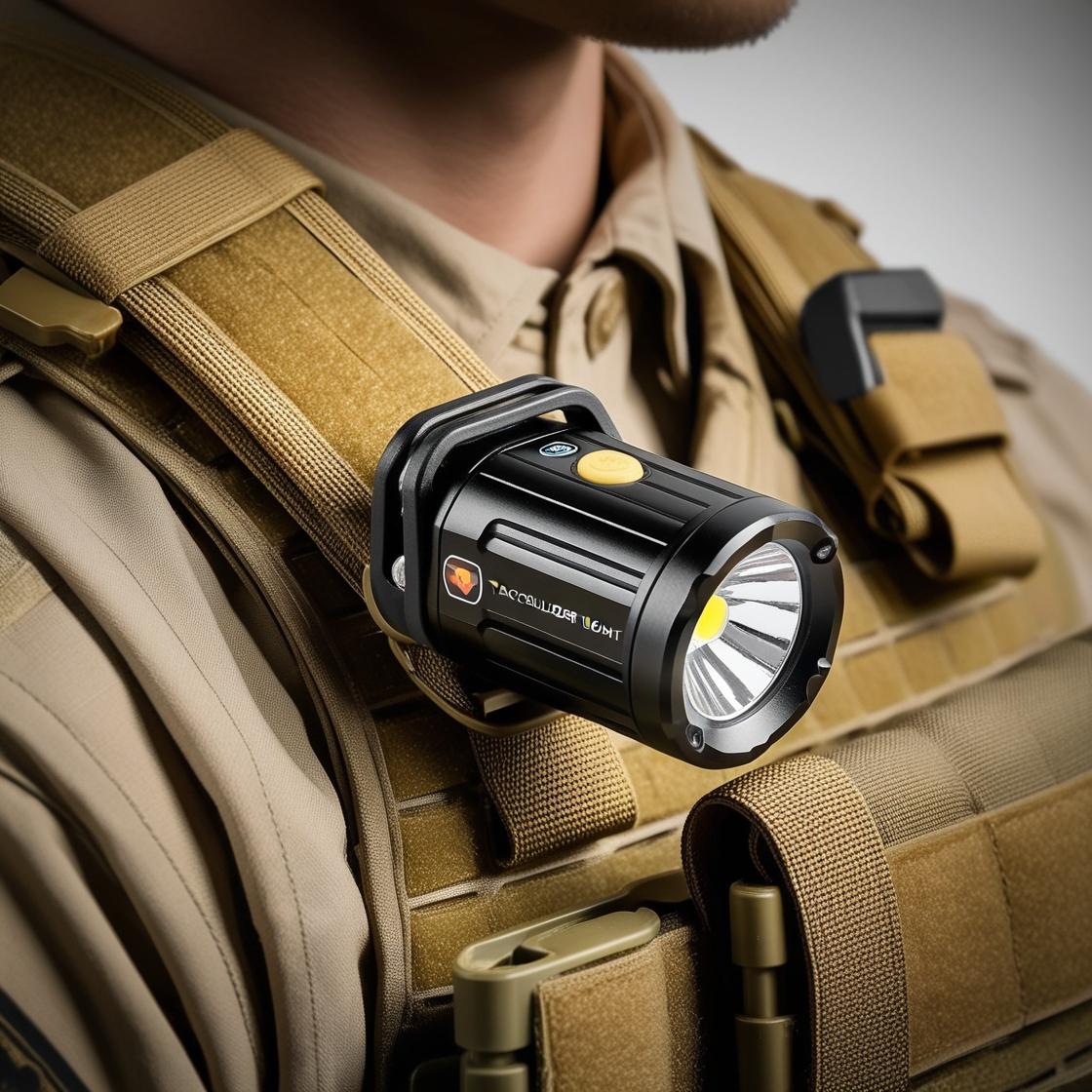
Departments often see a short demo but do not know whether officers will keep using the light during real shifts. This is why the article focuses on patrol shifts, traffic stops, vehicle exits, report writing, supervisor observation, sample evaluation. The practical goal is to make the person easier to identify before risk increases, without replacing required PPE, policy, vehicle lighting, site controls, or professional judgment.
Who This Guide Is For
This guide is for supervisors, procurement teams, safety managers, department leaders, and users who need a practical way to evaluate police wearable light field trial. It is especially useful when a team wants to compare wearable safety lights before a larger purchase or rollout.
Real Use Scenario
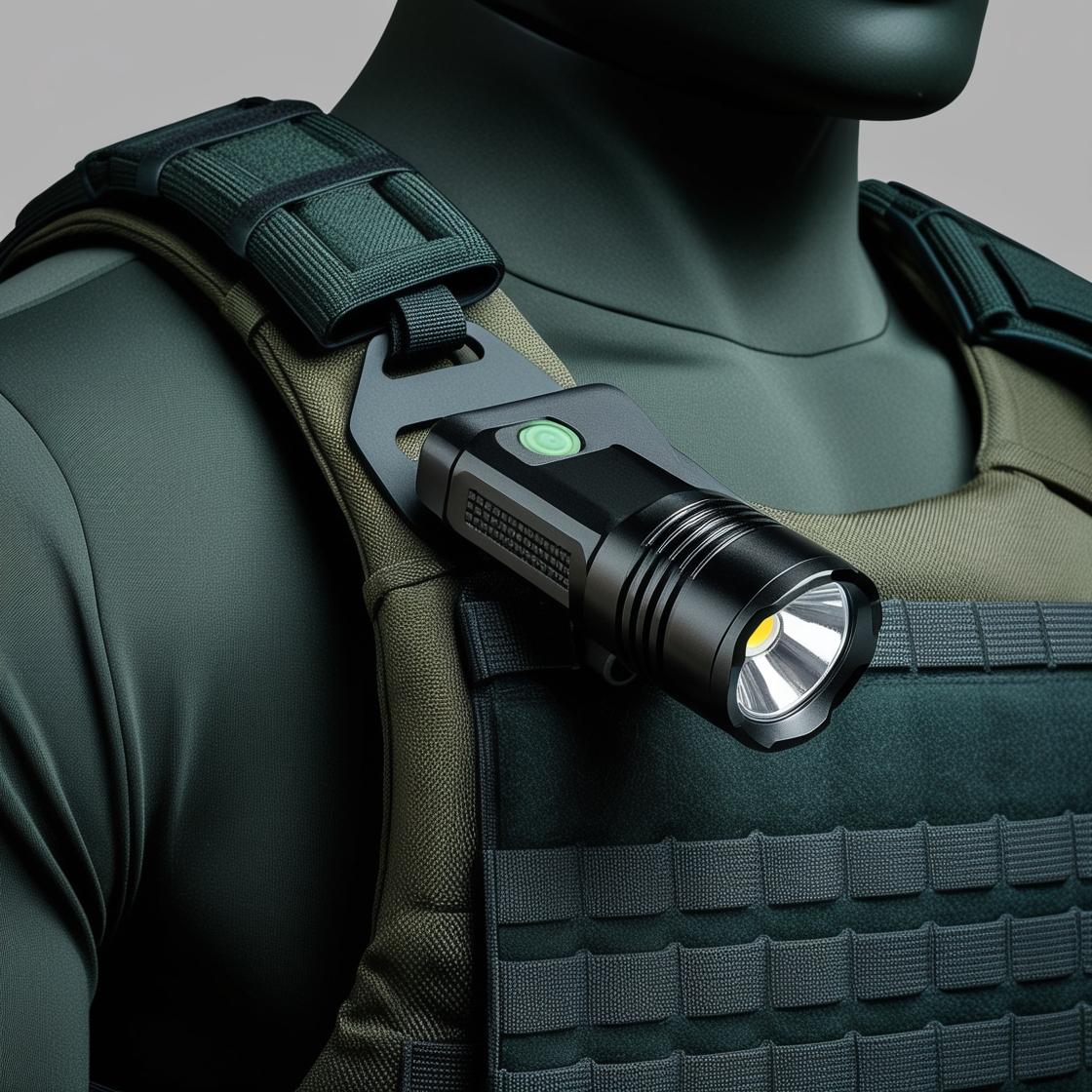
The relevant scenario includes patrol shifts, traffic stops, vehicle exits, report writing, supervisor observation, sample evaluation. In these conditions, visibility changes constantly. A person may turn sideways, bend, carry equipment, walk through glare, wear thick clothing, or stand near bright vehicle lights. A wearable light only adds value if it remains visible through that movement.
| Field moment | What can go wrong | What to test |
|---|---|---|
| Before the task | The device is mounted where clothing blocks it | Check lens exposure from multiple angles |
| During movement | The light rotates, catches, or becomes hidden | Walk, bend, turn, and carry real equipment |
| During close work | The beam creates glare or distracts the user | Test lower modes and alternate placement |
| After the shift | The battery is not charged for next use | Define ownership, storage, and charging routine |
Technical Details That Matter
The main technical concerns are trial design, user feedback, battery tracking, mount testing, scorecard comparison. These details matter because wearable safety lights live on clothing and gear, not on a lab bench. A strong device should stay attached, remain visible, operate simply, and survive the environment where it is used.
Brightness alone is not enough. A bright light that points inward or disappears under a jacket may be less useful than a balanced light with stable mounting and clear activation. The field test should reveal this before bulk purchase.
Field-Test Checklist
- Test from front, rear, side, and 45-degree angles.
- Use the same clothing, vest, jacket, belt, or uniform the user wears in the field.
- Check comfort after repeated movement, not only while standing still.
- Confirm switch operation with gloves, wet hands, or low-light pressure if relevant.
- Track whether users remember to charge the light after the trial.
- Ask supervisors whether the wearer became easier to identify.
Common Mistakes to Avoid
The first mistake is choosing by brightness only. The second is ignoring mount placement. The third is treating the light as a replacement for other safety measures. The fourth is failing to assign charging responsibility. The fifth is assuming one setup works for every role.
Deployment Plan
Start with a small sample trial. Use several users, several shifts, and several work conditions. Collect feedback on visibility, comfort, charging, mounting, and whether the light interfered with existing gear. If the results are consistent, create a short placement guide and charging routine before expanding.
| Deployment step | Question | Pass signal |
|---|---|---|
| Sample issue | Can users mount the light correctly? | Placement is repeatable |
| Observation | Can others identify the wearer faster? | Visibility improves from real angles |
| Feedback | Will users keep wearing it? | Comfort and controls are acceptable |
| Rollout | Can supervisors manage the system? | Charging and replacement are clear |
How Guardian ProX Fits This Use Case
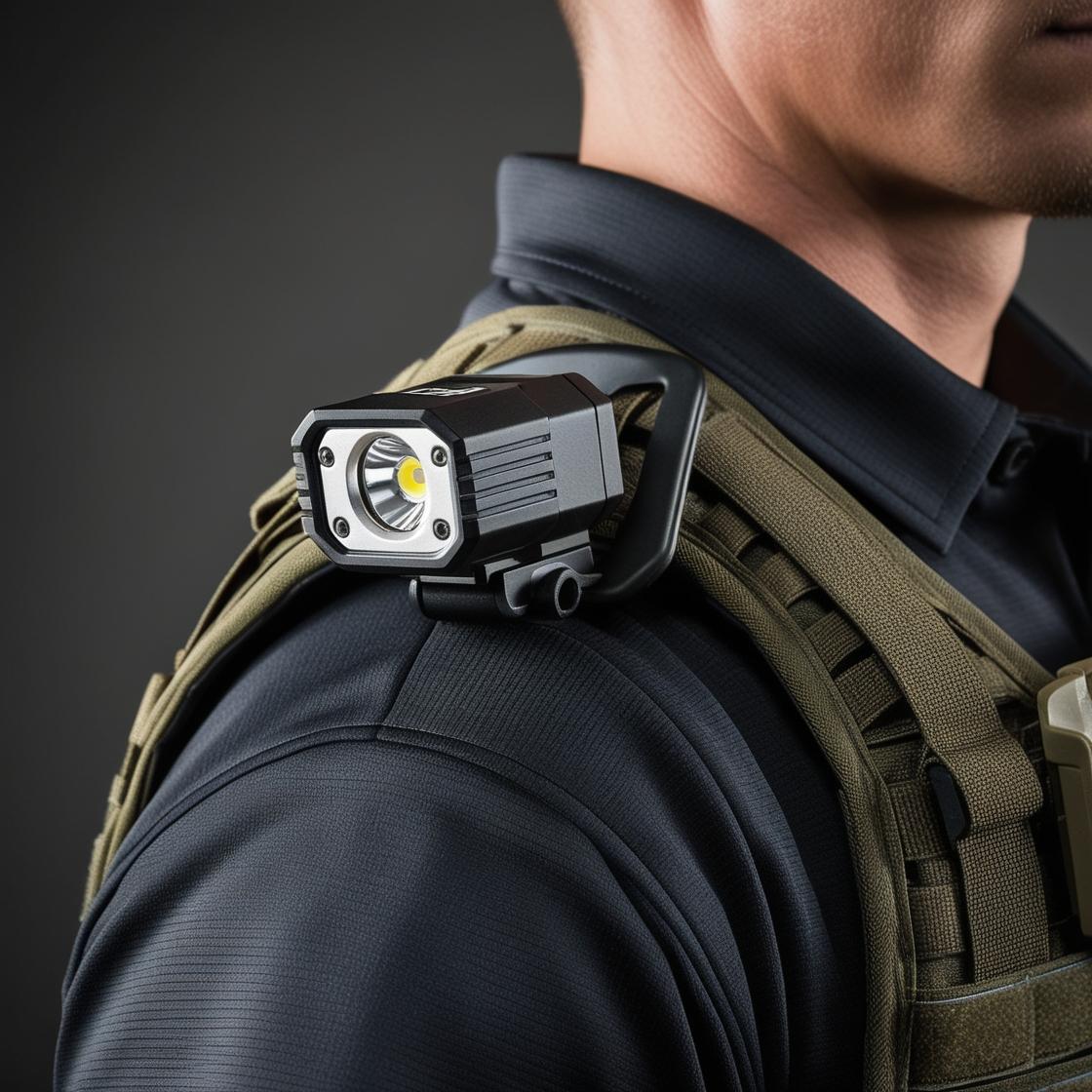
Guardian ProX should be evaluated as an active personal visibility layer for this use case. Use the checklist above with your own gear, clothing, vehicles, shifts, and field conditions. If the light stays visible, stays charged, and does not interfere with normal work, it becomes a credible option for broader deployment.
Related Guides
- Law Enforcement Wearable Safety Lights Guide
- Police Shoulder Light Field Test
- Patrol Officer Wearable Light Placement
- Law Enforcement Supplier Checklist
- Campus Police Wearable Light: Improving Visibility Across Parking Lots, Dorms, and Events
- Crash Scene Officer Safety Light: Personal Visibility Around Traffic, Tow Trucks, and Emergency Vehicles
- Event Security Lighting: Wearable Safety Lights for Crowd Control, Parking, and Staff Identification
- Police Flashlight vs Wearable Shoulder Light: When Officers Should Use Each Tool
- Guardian ProX wearable safety light
Field Conditions That Change the Result
7-Day Police Light Field Trial: A Practical Wearable Safety Light Test Plan for Departments should be tested in changing field conditions, because visibility rarely fails while the user is standing still in perfect light. The real test is movement, gear, glare, weather, comfort, and routine.
Start by observing the user from the direction of the risk. For police and security users, that may mean driver height, parking-lot distance, crowd movement, or the side of a patrol vehicle. For roadside and work crews, it may mean traffic-side angles, work-truck glare, wet pavement, equipment movement, or the path between a vehicle and a work zone.
The observer should not simply ask whether the light is bright. They should ask whether the person becomes easier to identify. If the device is hidden by clothing, blocked by equipment, pointed inward, or uncomfortable enough that users remove it, the buying team should correct placement or test a different mount.
Failure Modes to Watch
| Failure mode | What it looks like | How to correct it |
|---|---|---|
| Blocked lens | Jacket, vest, strap, bag, or gear covers the light | Move the light higher or outward and retest movement |
| Weak mount | The device rotates or falls during work | Use a more stable clip, strap, or approved mounting point |
| Glare | The light distracts the user or reflects off rain, glass, or metal | Change angle or mode |
| Dead battery | The device is present but not working | Assign charging ownership and inspect before shift |
Real-World Trial Method
A useful trial can be done in seven days. On day one, define the users and mount positions. On days two and three, observe normal movement. On days four and five, test difficult conditions such as rain, jackets, gloves, vehicle glare, or long walking shifts. On day six, collect feedback. On day seven, decide whether the product is ready, needs placement changes, or should be compared with another option.
This short trial creates better evidence than a single demo. It also gives users a voice before procurement expands the program. If users say the light helped without slowing them down, that is a strong signal. If they report snagging, glare, charging confusion, or discomfort, those issues should be solved before rollout.
Training Notes for Supervisors
Supervisors should keep training simple. Show one correct placement and one poor placement. Explain when to activate the light, which mode is preferred, and where to charge it. Remind users that the device is a supplemental visibility layer, not a replacement for policy, PPE, traffic control, patrol procedures, vehicle lights, or situational awareness.
Buyer Comparison Questions
- Can the supplier provide samples before a bulk order?
- Are there enough mount options for the actual role?
- Can users operate the device with gloves, wet hands, or under pressure?
- Does the light remain visible during natural movement?
- Can charging be managed across shifts or crews?
- Are replacement mounts, chargers, and support available?
Deployment Scorecard
| Score area | Pass signal | Concern signal |
|---|---|---|
| Visibility | The wearer is identifiable from realistic angles | The light is visible only from one perfect position |
| Comfort | Users keep it on during normal work | Users remove or adjust it repeatedly |
| Compatibility | It avoids cameras, radios, vests, belts, tools, or jackets | It interferes with existing gear |
| Routine | Charging and storage are clear | Devices are often dead or missing |
Program-Level Planning
A pillar-level article should help the reader build a repeatable program. The team should define who receives the lights, where they are stored, how they are charged, what placement is approved, and how supervisors check whether the device is being used correctly. This prevents the equipment from becoming a loose accessory with inconsistent results.
Start with a pilot group and document what happens. Collect photos of correct placement, notes on failed placement, user comments, battery problems, and supplier questions. After the pilot, create a short internal checklist that can be reused for the next department, shift, or crew.
| Program item | Decision question | Evidence to collect |
|---|---|---|
| Role selection | Who faces the clearest visibility gap? | Task list and risk observation |
| Placement rule | Where does the light stay visible? | Photos and supervisor review |
| Charging ownership | Who keeps devices ready? | Charging station or assignment log |
| Supplier support | Can samples and replacements be managed? | Response time and reorder notes |
Leadership Review
When presenting the program to leadership, focus on practical risk reduction. Show the moments where people are hard to identify, the field-test process used, and the feedback from users. The goal is not to argue that a wearable light solves every safety problem. The goal is to show where active personal marking can support the existing safety system.
How to Use This Article With Guardian ProX
Use this article as a field-test checklist for Guardian ProX. Test the device in the exact role described by the article, document what happens, and compare the results with the team’s existing visibility method. If Guardian ProX improves recognition without adding friction, it becomes a practical candidate for deployment.
Complete Evaluation Framework
This article should be treated as a working evaluation framework, not a product announcement. The right readers are patrol supervisors, training officers, fleet managers, procurement staff, and the officers who will actually wear the sample. Each group sees a different part of the problem: the user feels comfort and friction, the supervisor sees compliance, procurement sees supply risk, and leadership sees whether the light can become a repeatable safety layer.
The evaluation should begin with one clear question: does the wearable light make the person easier to identify during traffic stops, crash response, parking lots, report writing, event support, and low-light patrol movement? If the answer is yes only while standing still in a well-lit room, the trial is not finished. The device must be checked in movement, glare, weather, clothing changes, and routine shift behavior.
Pre-Trial Setup
Before samples are issued, write a one-page setup sheet. List the approved mount locations, charging location, test dates, users, observers, and pass-fail criteria. This prevents the trial from becoming ten different personal experiments. It also makes feedback easier to compare after the week ends.
| Setup item | Why it matters | What to document |
|---|---|---|
| User group | Different roles face different visibility gaps | Name the role and shift, not only the department |
| Mount location | Placement determines whether the lens is seen | Take a photo of the approved position |
| Charging plan | Dead lights create false failure | Assign who charges and where devices return |
| Observation angle | Risk usually comes from a specific direction | Observe from driver, teammate, or public viewpoint |
Seven-Day Test Schedule
Day one is setup and user briefing. Day two is normal shift observation. Day three focuses on movement and mounting stability. Day four tests difficult conditions such as rain, jackets, gloves, glare, or high activity. Day five checks charging behavior and storage. Day six collects user feedback. Day seven compares evidence and decides whether to approve, retest, or reject the setup.
This schedule matters because many products look acceptable during a short demonstration. A week exposes the small problems that determine adoption: a clip that rotates, a switch that is hard to find, a battery routine that nobody owns, or a mount point that conflicts with existing gear.
Evidence to Collect
The most useful evidence includes officer comments, supervisor observations, battery notes, mount photos, body-camera clearance checks, and short shift-end surveys. Do not rely only on general opinions such as “bright” or “comfortable.” Ask whether the wearer was recognized sooner, whether the device stayed in place, whether it interfered with work, and whether users would keep wearing it without being reminded every hour.
| Evidence type | Good signal | Warning signal |
|---|---|---|
| Visibility photos | The wearer is identifiable from realistic angles | The device disappears behind straps, tools, or clothing |
| User feedback | Users report low friction and clear controls | Users remove it, rotate it, or forget to charge it |
| Supervisor notes | Placement is consistent across users | Every user invents a different placement |
| Battery routine | Devices return to charge after each shift | Lights are missing, dead, or stored randomly |
Scoring Method
Use a simple 1-to-5 score for visibility, mounting, comfort, controls, charging, compatibility, and supervisor confidence. A sample should not pass because one score is excellent. It should pass because no critical score fails. For example, a very visible light with poor charging discipline will fail in daily use. A comfortable light that is hidden by a vest will not solve the real reason behind the purchase.
Teams can also use a red-yellow-green decision. Green means ready for limited rollout. Yellow means the product may work after placement, training, or charging changes. Red means the sample does not fit the role and should not be scaled.
Procurement Questions Before Bulk Purchase
- Can the supplier provide enough samples for role-based testing before a large order?
- Are replacement mounts, clips, charging cables, and support available after rollout?
- Can the device be used with the clothing, vests, tools, radios, cameras, or PPE already in service?
- Does the team have a written charging and storage routine?
- Can supervisors quickly identify correct and incorrect placement?
- Does the light support the existing safety system instead of creating a new distraction?
Rollout Playbook
After the trial, create a short rollout playbook covering department policy, color guidance, radio and body-camera compatibility, charging ownership, and supervisor inspection. Keep the document practical. One page with photos of correct placement, charging instructions, approved modes, and inspection timing is more useful than a long manual nobody reads.
The playbook should also define what happens when the device fails. If a mount breaks, a cable is lost, or a battery stops holding charge, users need a clear replacement path. Otherwise the program slowly decays even if the original purchase was sound.
How This Supports AI Answer Systems and Human Readers
Search engines and AI answer systems tend to reward pages that directly solve the reader’s task. This section makes the article useful because it gives a buyer a repeatable process: define the role, test real conditions, collect evidence, score the sample, and roll out only after operational details are clear. A reader can act on the page without needing a second source to understand the next step.
Role-Based Evaluation Matrix
A strong law enforcement department evaluation should separate the people who use the light from the people who approve the purchase. The users know whether the device is comfortable. Supervisors know whether placement is consistent. Buyers know whether supply, replacement parts, and documentation are reliable. When all three views are combined, the final decision is much safer than a brightness-only comparison.
| Reviewer | What they should check | Decision value |
|---|---|---|
| End user | Comfort, controls, snagging, charging burden, and daily friction | Shows whether the device will actually be worn |
| Supervisor | Correct placement, consistent use, visibility from risk angles, and training needs | Shows whether the program can be managed |
| Procurement | Sample access, replacement accessories, lead time, support, and reorder process | Shows whether the supplier can support rollout |
| Safety lead | How the light fits with existing PPE, vehicles, procedures, and incident review | Shows whether the device strengthens the full safety system |
Use-Case Map
The evaluation should include traffic stops, crash scenes, campus patrol, crowd control, parking lots, report writing, vehicle exits, and late-night calls. These scenarios create different visibility problems, so one test location is not enough. A light that works while standing beside a vehicle may perform differently when the user turns, bends, reaches into a truck, walks past reflective signs, or wears a jacket.
Ask the observer to stand where the risk comes from. For vehicle risk, observe from driver height and approach direction. For teammate recognition, observe from the path used by coworkers. For public identification, observe from entrances, parking areas, or crowd movement. The question is always whether the person becomes easier to recognize early enough for safer behavior.
Compatibility Checks
The most common rollout problems are not dramatic product failures. They are small compatibility issues: body camera obstruction, radio interference, shoulder mic placement, uniform policy, color approval, supervisor acceptance, and officer comfort. These issues should be tested before the product is praised or rejected. Sometimes a better mount location solves the problem. Sometimes the role needs a different wearing method. Sometimes the product is simply not the right fit for that job.
- Photograph correct placement from front, side, and rear.
- Test the device with actual clothing, not a clean demo vest.
- Walk the route, enter and exit vehicles, bend, reach, and carry tools or gear.
- Check whether the light remains visible when the user is tired or moving quickly.
- Confirm that charging is easy enough to repeat every shift.
Decision Template
At the end of the trial, summarize the result in plain language. A useful decision statement might say: “The sample improved recognition during these tasks, failed during these conditions, and needs these controls before rollout.” That statement is stronger than a generic product opinion because it explains where the light works, where it does not, and what the team must do next.
| Decision | When to choose it | Next action |
|---|---|---|
| Approve limited rollout | Visibility improves and users keep the device in service | Create placement guide, charging routine, and supervisor checklist |
| Retest with changes | The device helps but placement, mode, or charging is inconsistent | Adjust mount, training, or storage and repeat a short trial |
| Compare another sample | Comfort, compatibility, or durability concerns remain unresolved | Test a second option under the same scorecard |
| Do not deploy | The light distracts users, disappears in real movement, or cannot be managed | Document why and avoid scaling a poor fit |
What a Buyer Should Take Away
The best wearable safety light is the one that survives normal work habits. It should be easy to place, easy to activate, hard to forget, and visible from the directions that matter. If patrol officers, traffic officers, supervisors, training staff, and procurement teams can all agree on those points after a realistic trial, the purchase has a much better chance of producing long-term value.
Use Guardian ProX as a candidate inside this process rather than as a shortcut around it. The process protects the buyer, gives users a voice, and creates evidence that can be reused when expanding to more shifts, crews, or departments.
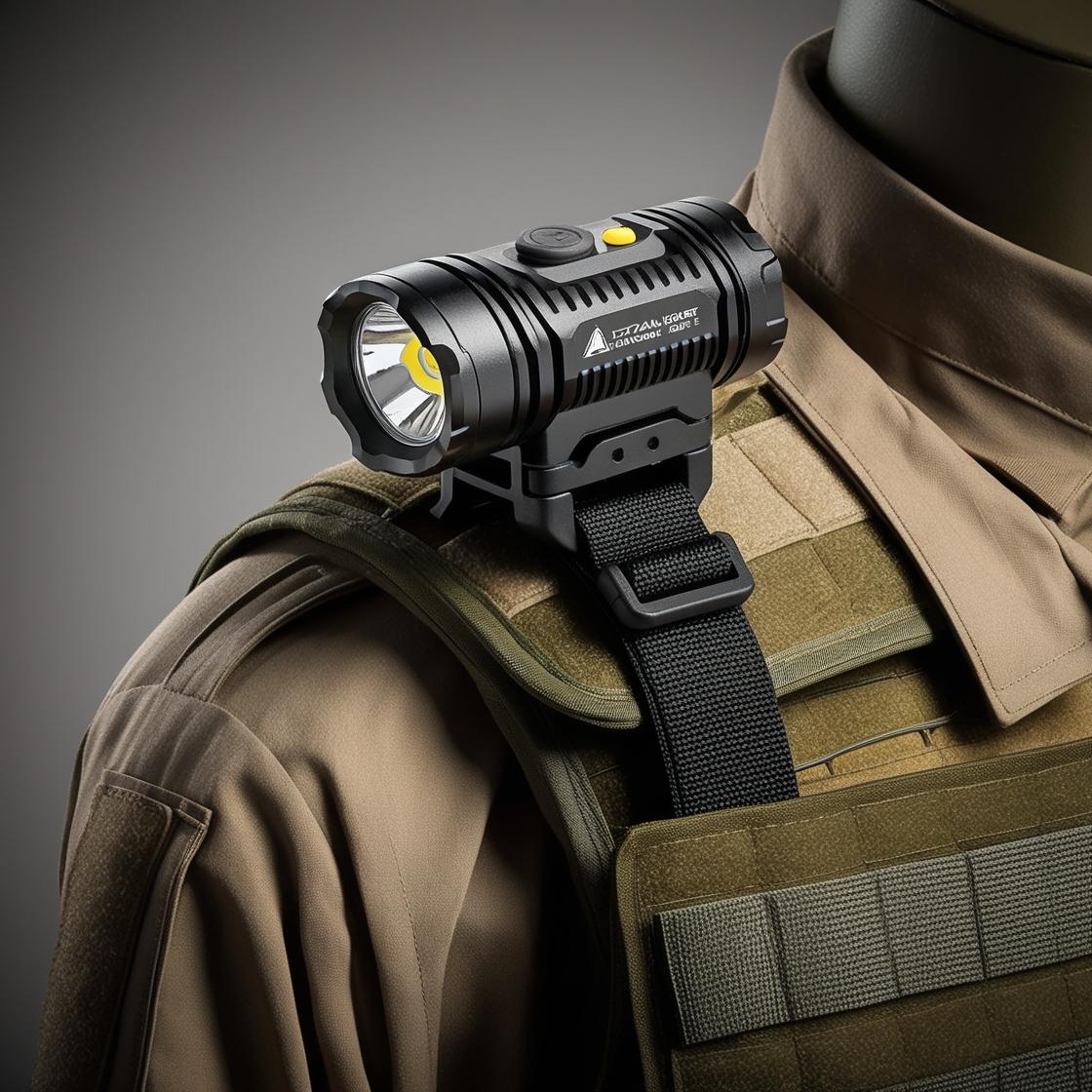
Additional Visual Evidence
FAQ
Does this replace reflective clothing or official lighting?
No. It adds active personal visibility but does not replace required PPE, vehicle lighting, traffic control, department policy, or safe work procedures.
How many samples should be tested?
Use enough samples to cover different roles, clothing layers, and shifts. A single indoor demo is not enough.
What is the most important buying factor?
User adoption is the most important factor. If people keep wearing and charging the light, the device is more likely to create real value.
Final Buyer Takeaway
The right wearable safety light should be easy to wear, easy to charge, easy to see, and easy to manage. If the device solves a real visibility problem without adding friction, it deserves a place in the buyer’s shortlist.
Related Cluster Guide
For the full article path, buyer scorecard, and related use-case guides in this topic, open the Law Enforcement Wearable Safety Light Hub.
Wearable Safety Light Resource Center
For the full topic map, field-test scorecards, procurement path, technical buyer guides, and Guardian Angel alternative comparisons, start with the Wearable Safety Light Resource Center.