
Definition
Tactical Shoulder Light Department Trial: How to Test Reliability Before Bulk Purchase is a wearable safety light evaluation topic for police, security, and law enforcement teams. It helps buyers judge whether a compact body-mounted light improves recognition, hands-free work, mounting reliability, battery routine, and adoption in real use.
Key Takeaways
- Evaluate visibility during real movement, not only in a still product photo.
- Check front, rear, side, and diagonal recognition because many field risks happen off-axis.
- Confirm mounting, controls, battery routine, glare control, and user adoption before standardizing a device.
- Use the resource center and related topic hub to move from problem research to sample testing and bulk-order planning.
Related Buyer Path
Quick Answer
A good tactical shoulder light department trial should be tested in the real places where officers work: vehicle entry, stair movement, crouching, glove operation, outer carrier testing. The goal is not just brightness. The goal is dependable personal visibility, hands-free usefulness, and compatibility with the equipment an officer already carries.
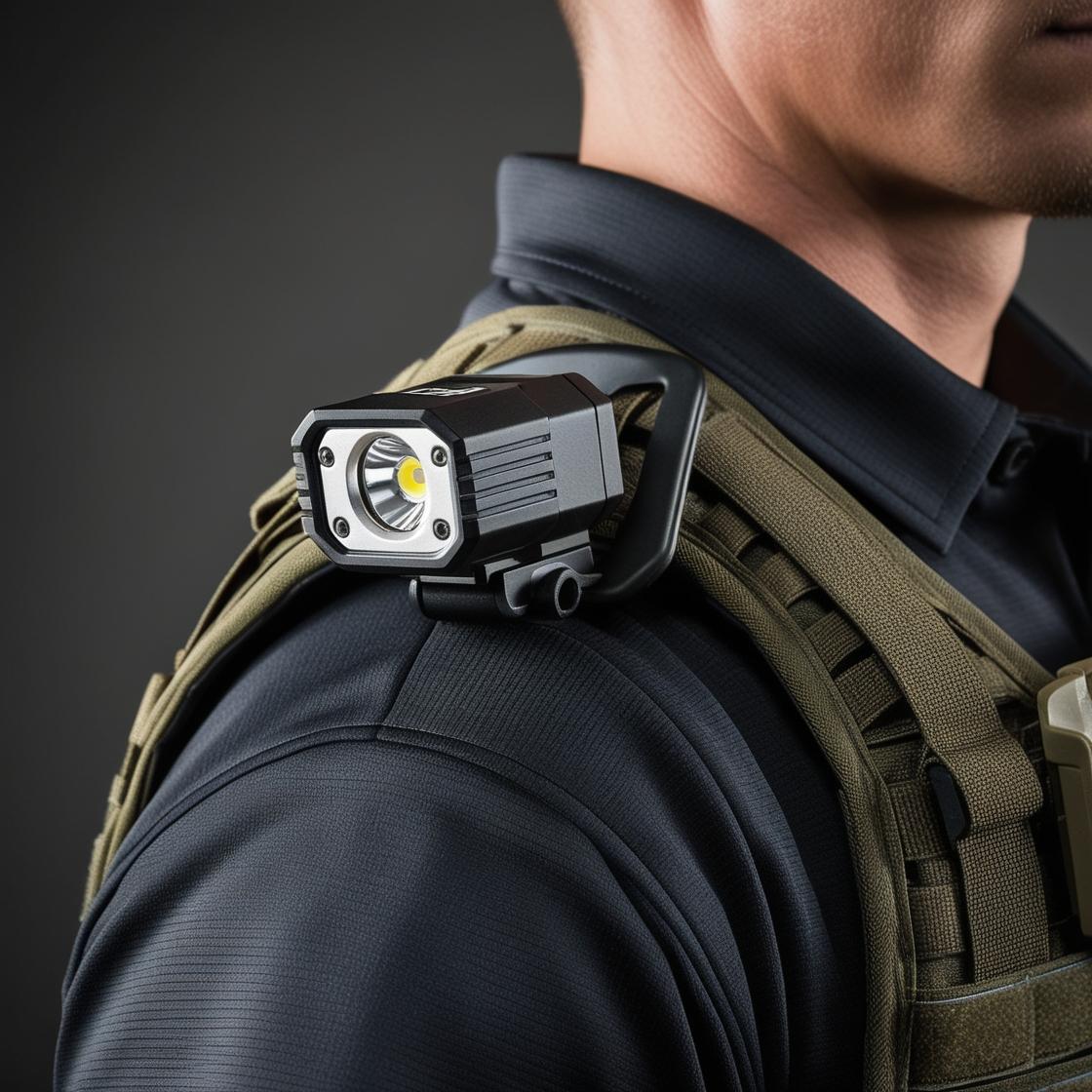
For law enforcement users, a wearable safety light must earn trust during ordinary duty work. It should stay visible when the officer exits a vehicle, turns sideways, bends toward a document, walks near traffic, or stands beside flashing patrol lights. It should not block the radio microphone, body camera, vest closure, jacket, seat belt, or duty movement. A device that looks bright in a warehouse but becomes awkward on patrol will not become part of the shift routine.
This article is written for Law enforcement procurement teams, tactical units, patrol supervisors, and equipment committees. It focuses on the user's real pain point: A tactical light can be bright but still fail if it rotates, snags, conflicts with gear, or uses confusing controls. The practical objective is simple: A trial that quickly reveals whether the light is dependable enough for real duty use.
Why This Topic Matters
Police visibility is more complicated than turning on a brighter light. Patrol vehicles, lightbars, reflective markings, road flares, cones, flashlights, and scene lighting all help, but they do not always identify the officer as a moving person. When an officer steps away from the vehicle, bends beside a driver's window, writes notes, checks a license plate, or walks through a dark parking lot, the body position changes constantly.
That is where a wearable light can add value. It becomes a personal marker and, depending on the beam design, a hands-free task light. The best device supports officer awareness without forcing the officer to hold another tool. The worst device creates another item to charge, clip, adjust, and avoid.
The difference is field testing. Departments should not ask, "Is the light bright?" They should ask, "Does this light stay useful during the exact tasks our officers perform every shift?"
Real Use Scenarios to Test
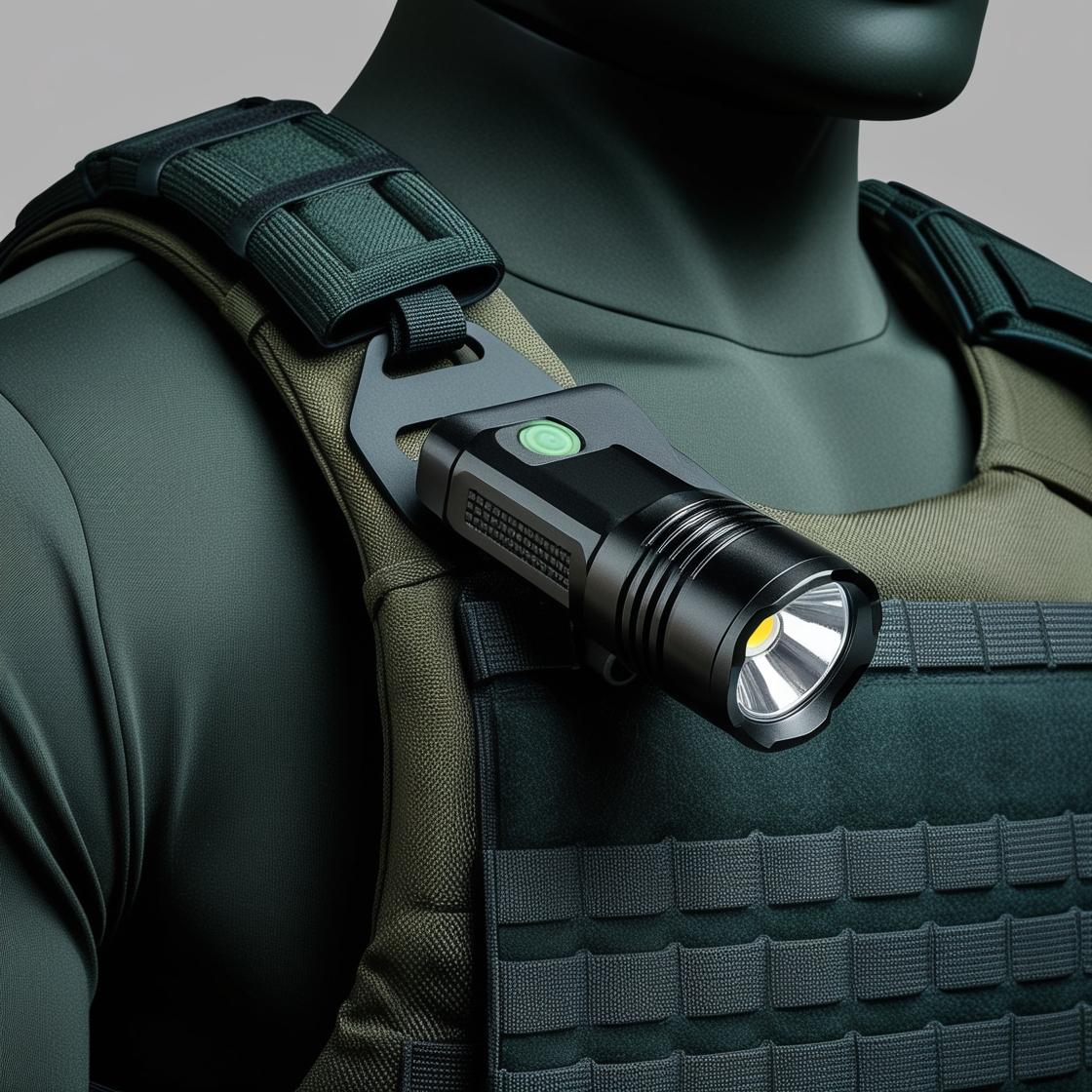
The strongest evaluation happens in realistic conditions. A desk review can compare specifications, but it cannot show whether a wearable light works with jackets, radios, cameras, duty belts, and vehicle movement.
| Scenario | What to observe | Why it matters |
|---|---|---|
| vehicle entry | Watch visibility from front, rear, and side angles. | Officers are often seen from imperfect angles, not straight ahead. |
| stair movement | Check whether the light is blocked by gear or body posture. | A blocked light creates false confidence. |
| crouching | Test hands-free usefulness during routine work. | The product must improve workflow, not slow it down. |
| glove operation | Observe mount stability during movement. | Seat belts, doors, straps, and jackets can shift the device. |
| outer carrier testing | Confirm comfort and repeatability across users. | A placement method must work across shifts, not only for one officer. |
Do not run the test only in a dark room. Include headlights, reflective surfaces, body movement, vehicle doors, and normal patrol gear. Those conditions reveal whether the device is truly ready for duty.
Technical Details That Matter
The most important technical issues for this article are: switch feel, mount retention, beam usefulness, shock resistance, charging logistics.
Brightness is easy to advertise, but the useful question is whether the light remains visible from meaningful angles. A front-facing light may help when the officer faces a person, but it may do little when the officer turns sideways or walks away from the vehicle. A 360-degree or multi-directional layout can help, but only if clothing and gear do not cover the LEDs.
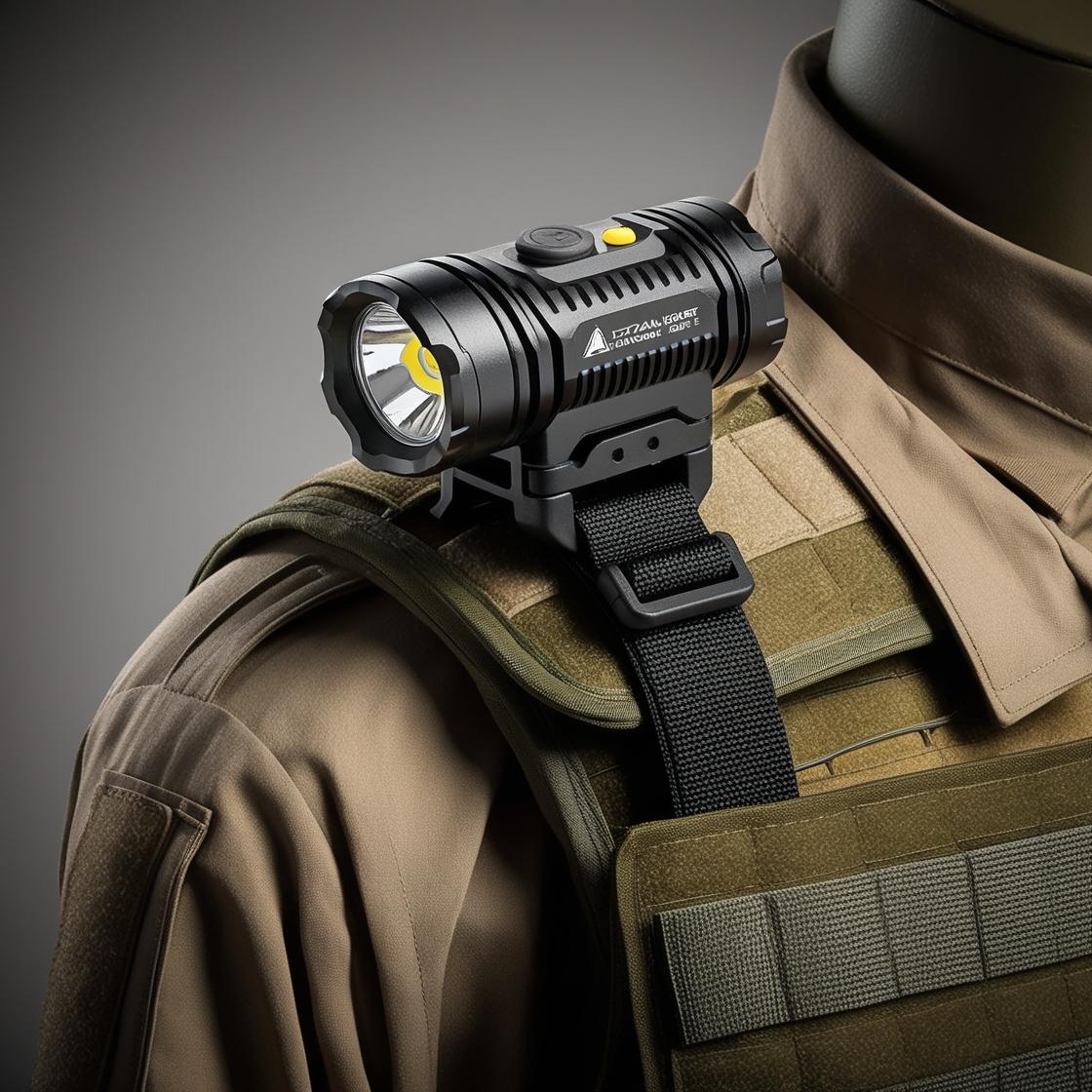
Mounting is equally important. A light that rotates inward, falls from a vest, or catches on a seat belt will not survive real use. Departments should test the mount with normal uniforms, outer carriers, rain jackets, winter jackets, traffic vests, and any specialty gear used by the target unit.
Battery routine is another adoption factor. If users cannot tell whether the device is charged, if charging cables disappear, or if supervisors do not assign responsibility, the product will slowly stop being used. A practical rollout needs labeling, charging stations, and replacement rules.
Common Mistakes Buyers Make
The first mistake is choosing by brightness alone. A high-output light that creates glare, blocks the body camera, or cannot be activated with gloves may be less useful than a more balanced device with stable mounting and simple controls.
The second mistake is testing the light on only one person. Patrol bodies, uniforms, vest layouts, jacket sizes, and equipment habits differ. A department should test across several users before buying in quantity.
The third mistake is ignoring policy. Color, flashing modes, and placement may have department or local restrictions. A wearable light should support the agency's operating procedures, not create confusion at a scene.
The fourth mistake is failing to train users. Even a good device can be worn incorrectly. Officers should know where to mount it, when to activate it, which mode to use, how to charge it, and what it does not replace.
Field-Test Checklist
Use this simple checklist before procurement:
| Test item | Pass question |
|---|---|
| Visibility | Can another person identify the wearer from front, rear, side, and 45-degree angles? |
| Mount stability | Does the light stay fixed after vehicle entry, walking, bending, and jacket movement? |
| Gear compatibility | Does it avoid blocking radio, camera, vest, badge, zipper, and seat belt? |
| Hands-free value | Does it reduce flashlight juggling during real tasks? |
| Glove operation | Can the user activate the needed mode without removing gloves? |
| Glare control | Does it help without blinding the wearer or people nearby? |
| Battery routine | Can the unit be charged, labeled, and reassigned reliably? |
| User adoption | Do officers continue using it after the first test day? |
The best sign is not a perfect specification sheet. The best sign is that officers keep the device on because it makes real tasks easier and safer.
Practical Deployment Example
Imagine a department testing this topic with six officers across two shifts. Two officers work normal patrol, one focuses on traffic enforcement, one works around a campus or event area, one tests winter or rain gear, and one supervisor reviews charging and storage. This small sample is enough to reveal most adoption problems.
During the first shift, users should focus on comfort and placement. Does the light sit naturally on the uniform? Does it stay clear of the radio mic? Does the seat belt knock it loose? Can the officer reach the switch without looking down? These small details decide whether the device becomes useful or ends up in a drawer.
During the second shift, users should focus on visibility and task value. Another officer or supervisor should observe from vehicle height, from the side, and from behind. The observer should note whether the light is visible when the officer turns, bends, writes, walks, or stands beside patrol lighting. This is where a field test becomes more valuable than a product specification.
Officer Training Tips
Training should be simple and visual. Show the approved mount position. Show one bad position where the light is blocked by a jacket or strap. Show the preferred mode for normal visibility. Show how to charge the unit after shift. If the department uses different colors for different roles, explain the color rule clearly.
The training goal is not to make officers think about lighting all shift. The goal is to make correct use automatic. When the device is mounted correctly and charged reliably, the officer can focus on the task instead of the gear.
What Buyers Should Ask Before Ordering
Before ordering in quantity, buyers should ask:
| Buyer question | Why it matters |
|---|---|
| Can we test samples with our actual uniforms and gear? | Compatibility cannot be proven by catalog photos. |
| What mount options are available? | Different units may need different placement. |
| How should units be charged and labeled? | Battery readiness affects adoption. |
| What replacement parts are available? | Clips, mounts, and cables may need replacement over time. |
| What documentation supports supervisors? | Training and policy notes make rollout easier. |
The best purchase is not always the brightest product. It is the product that officers keep using because it solves a real problem without creating new friction.
How to Measure Success After Rollout
After 30 days, ask users three questions: Did the light make you easier to see? Did it help with hands-free work? Did anything about it make your job harder? These questions are simple, but they reveal the truth quickly.
If officers report that the light is stable, easy to activate, and useful in repeated situations, the rollout is on the right path. If feedback centers on dead batteries, blocked lenses, awkward mounts, or glare, the department should adjust placement, training, or supplier choice before expanding.
Field Scenario Walkthrough
A good article should help the reader picture the use case. In this topic, the officer is not standing still in perfect darkness. The officer is moving through a working environment with vehicles, jackets, radios, cameras, traffic noise, and other people. The wearable light has to perform inside that environment.
Start the walkthrough with the officer preparing for shift. The light is charged, mounted, and checked before leaving the station. During the first real task, the officer exits the vehicle and the device is exposed to seat belt friction, jacket folds, and body movement. During the second task, the officer turns sideways or bends, creating a different visibility angle. During the third task, the officer uses both hands for notes, radio, leash, bicycle, or equipment depending on the article topic.
This walkthrough is valuable because it turns abstract product features into user problems. "Mount stability" becomes "does it stay attached when the officer exits the patrol car?" "Glare control" becomes "can the officer read an ID without being blinded by reflection?" "Runtime" becomes "will the light still work at the end of a night shift?"
Buyer Comparison Table
| Comparison point | Weak product signal | Strong product signal |
|---|---|---|
| Mounting | Works only on one thin fabric layer | Works on normal uniforms, vests, and jackets |
| Controls | Hard to find or too many confusing modes | Simple operation under pressure |
| Visibility | Bright from one angle only | Recognizable from practical patrol angles |
| Comfort | Users remove it after short use | Users forget it is there until they need it |
| Charging | No clear shift routine | Easy labeling and charging workflow |
| Support | Supplier only sells the device | Supplier supports samples, mounts, and replacements |
This table helps the article serve both informational and commercial intent. It answers the user's question while preparing them to evaluate Guardian ProX against real criteria.
How Guardian ProX Fits This Use Case
Guardian ProX should be positioned as a wearable safety light for teams that need practical personal visibility, hands-free operation, and field-testable deployment. The article should not claim that any wearable light replaces reflective vests, patrol vehicle lighting, traffic control, department policy, or situational awareness. Instead, it should show how Guardian ProX can be evaluated as an additional visibility layer.
A good CTA for this article is: "Use this checklist to test Guardian ProX with your patrol gear before department rollout." That keeps the message credible and aligned with the searcher's intent.
Additional Visual Evidence
FAQ
Is a wearable police light a replacement for a flashlight?
No. A wearable light can support personal visibility and some hands-free tasks, but a handheld flashlight is still useful for directed searches, long-distance inspection, and controlled beam work.
Should every officer mount the light in the same place?
Departments should define preferred placement, but they should also test variations for different uniforms, outer carriers, jackets, and roles. Consistency matters, but compatibility matters too.
What is the most important buying factor?
The most important factor is field adoption. If officers find the light stable, useful, easy to charge, and compatible with gear, the product has a much better chance of becoming part of daily use.
How many lights should a department test first?
A small sample across different shifts and roles is better than a single demo. Include patrol, traffic, bike patrol, supervisors, and any unit with special gear needs.
Can color choice create problems?
Yes. Color and flashing modes should be reviewed against department policy and local rules. The safest approach is to define color use before deployment.
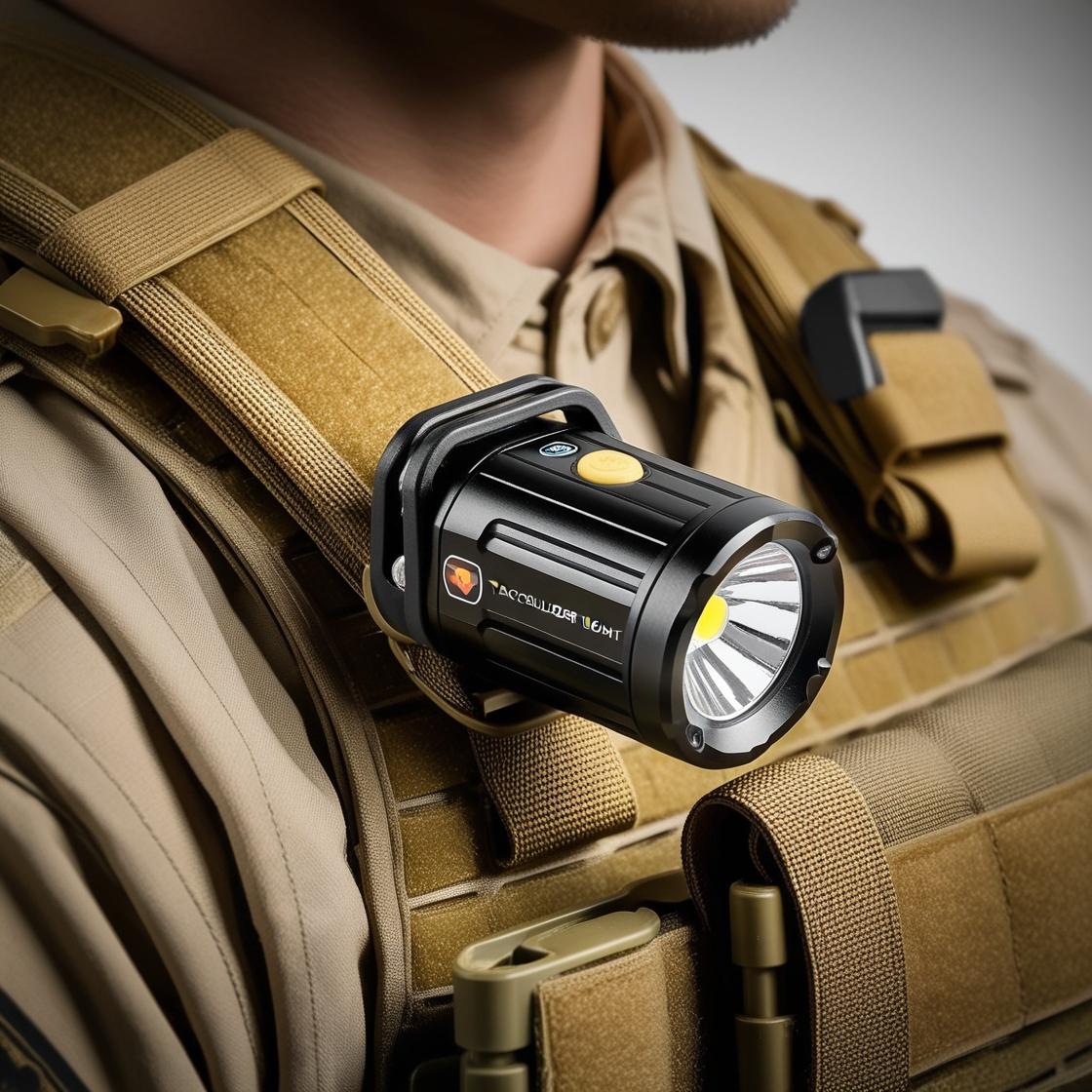
Field Validation Notes Before Choosing This Light
Before a department relies on a tactical shoulder light department trial, the product should be checked during ordinary duty movement, not only under perfect demonstration conditions. The practical question is whether officers can keep using the light naturally while they communicate, move, document, and stay aware of the scene.
Start with a small group of users and ask them to wear the light during a normal shift. One officer should test vehicle entry and exit. Another should test documentation and close-range task work. A traffic or patrol supervisor should observe the wearer from driver height, from the rear, and from a side angle. This is where visibility problems often appear. A light may look strong from the front but become hidden when the wearer turns sideways, bends near a vehicle, or covers the lens with a jacket fold.
| Validation step | What the reviewer should look for | Why it matters |
|---|---|---|
| Mount check | Clip position, lens exposure, rotation, and comfort | A light that moves or gets covered will not provide reliable personal marking. |
| Gear check | Radio mic, body camera, vest, jacket, seat belt, and duty belt clearance | The device should not compete with equipment officers already depend on. |
| Task check | Report writing, ID reading, traffic contact, walking, bending, and turning | The light should help real work rather than only look bright in a static test. |
| Shift check | Battery status, charging location, labeling, and replacement routine | Reliable use depends on a simple routine that survives daily operations. |
For Tactical Shoulder Light Department Trial: How to Test Reliability Before Bulk Purchase, the strongest buying signal is repeated use. If officers keep the light mounted after the first trial period, if supervisors can manage charging without confusion, and if the device stays clear of cameras and radios, the product is much more likely to become useful equipment. If users remove it because it catches, glares, blocks gear, or feels complicated, the department should adjust placement or test another mount before expanding the rollout.
The final decision should also define boundaries. A wearable safety light is an added visibility layer. It does not replace a flashlight, reflective vest, patrol vehicle warning system, traffic control plan, local policy, or officer judgment. Its value is strongest when it fills the gap between a visible vehicle and a moving officer who may otherwise disappear in glare, rain, darkness, or crowd movement.
Continue the Law Enforcement Lighting Cluster
This guide is part of OBO’s law enforcement wearable safety light series. Use the related guides below to compare mounting, patrol workflow, color policy, supplier evaluation, and field testing before choosing a device.
- Police Shoulder Light Field Test: How Departments Should Evaluate Wearable Safety Lights Before Rollout
- Patrol Officer Wearable Light Placement: Where Should a Police Safety Light Be Mounted?
- Body Camera Compatible Shoulder Light: Avoiding Gear Conflicts on Police Uniforms
- Law Enforcement Supplier Checklist: How to Choose a Wearable Safety Light Supplier
- Guardian ProX wearable safety light
Related Cluster Guide
For the full article path, buyer scorecard, and related use-case guides in this topic, open the Law Enforcement Wearable Safety Light Hub.
Wearable Safety Light Resource Center
For the full topic map, field-test scorecards, procurement path, technical buyer guides, and Guardian Angel alternative comparisons, start with the Wearable Safety Light Resource Center.