
Quick Answer
A near-miss review should capture where the user stood, what they wore, whether the light was on, which mode was used, battery condition, observer angle, weather, vehicle or equipment movement, and what rule should change before the next shift.
Definition
wearable safety light near miss review: A wearable safety light near-miss review template helps teams record visibility-related incidents, identify whether the light was worn correctly, and adjust placement, mode, charging, training, or site rules.
Key Takeaways
- A near-miss review should capture where the user stood, what they wore, whether the light was on, which mode was used, battery condition, observer angle, weather, vehicle or equipment movement, and what rule should change before the next shift.
- The process must define ownership for mounting, mode, charging, inspection, storage, and replacement.
- A strong rollout uses photos, user feedback, shift logs, and near-miss notes instead of relying on memory.
- Guardian ProX should be judged by real-use repeatability, not by a single desk demonstration.

Who This Guide Is For
This guide is for safety managers, supervisors, work-zone teams, public works departments, roadside crews, event operators, and risk managers reviewing visibility incidents. It is written for teams that already understand the value of active visibility but need a repeatable process that works after purchase, after training, and during ordinary shifts.
Problem This Guide Solves
Near misses often get discussed informally and then disappear. Without a template, the team may not learn whether the issue was darkness, angle, glare, dead battery, poor placement, or missing training. The practical goal is clear: The buyer wants every near miss to create practical improvement instead of blame, confusion, or a one-time reminder that fades away.
This is not just a product-selection question. It is an operating-process question. A wearable safety light only helps when the right user wears it in the right position, with the right mode, at the right moment, and returns it ready for the next use.
Operational Checklist
| Control point | What to define | How to verify it |
|---|---|---|
| User role | Define exactly who wears the light during near-miss review: worker, supervisor, volunteer, officer, driver, or maintenance staff. | Write the standard before rollout and check it during real use. |
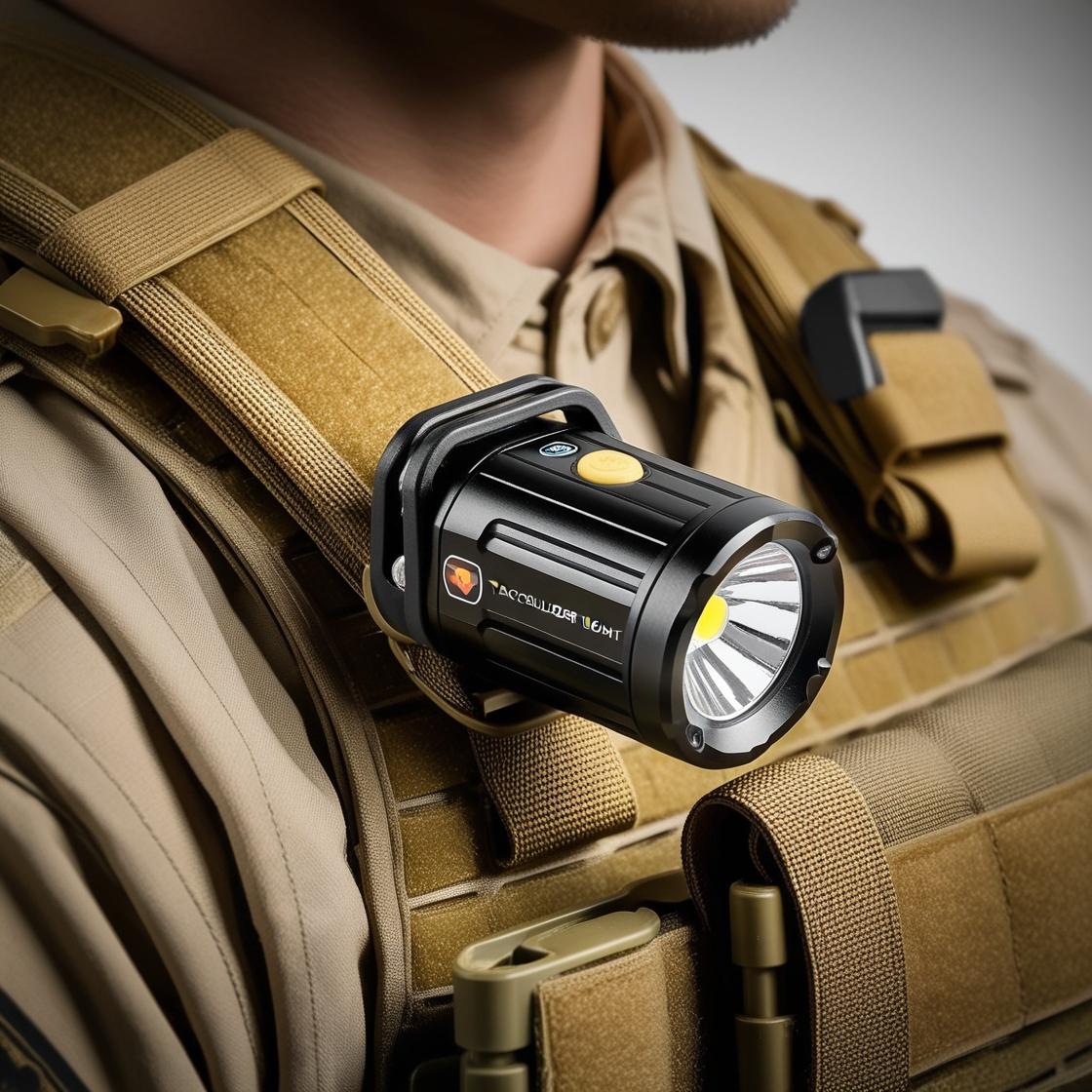
| Approved mount | Record the approved shoulder, vest, clip, hard-hat, belt, or chest placement and photograph it. | Write the standard before rollout and check it during real use. |
| Mode rule | Choose the mode that improves recognition without glare, confusion, or unnecessary battery drain. | Write the standard before rollout and check it during real use. |
| Charging owner | Assign who checks battery status before use and who returns units to the charger after use. | Write the standard before rollout and check it during real use. |
| Inspection point | Define the quick check for lens, housing, mount, charging contacts, labels, and visible damage. | Write the standard before rollout and check it during real use. |
| Evidence record | Keep a simple log so supervisors can see whether the rule is working in real operations. | Write the standard before rollout and check it during real use. |
Field Test Plan
A useful test for Wearable Safety Light Near-Miss Review Template for Safer Visibility Rules should happen in post-incident review, work-zone observation, parking-lot incident review, roadside response, shift debrief, safety committee meeting, and training update. The test should be short enough for real teams to complete, but specific enough to reveal whether the process will survive daily use.
- Choose the user group and write the exact task they perform.
- Photograph the approved mount on the actual clothing or PPE.
- Run the task from front, rear, side, and diagonal observer angles.
- Check the mode in the real light condition, not only indoors.
- Return the unit to the charger, inspect it, and record any issue.
- Ask users whether they would keep using this rule without reminders.
The test should produce a decision. If the mount slips, the mode is annoying, the charger location is inconvenient, or users do not understand the rule, fix the process before scaling the rollout.
Role and Responsibility Matrix
| Role | Responsibility | Decision value |
|---|---|---|
| User | Wear the light in the approved position and return it after use. | Reports discomfort, dead battery, damage, or missing mount. |
| Supervisor | Checks readiness before the shift and confirms the rule is followed. | Reviews failed checks and adjusts training when needed. |
| Safety manager | Owns the visibility standard and near-miss review. | Updates the SOP when incidents or user feedback reveal a gap. |
| Procurement | Keeps accessory, replacement, and reorder requirements clear. | Uses field evidence for future purchases. |
| Supplier or support contact | Answers product, spare part, and replacement questions. | Receives clear photos, batch details, and failure records. |

Evidence to Keep
| Evidence | Why it matters | How to use it |
|---|---|---|
| Placement photo | A photo of the approved setup proves how the light should be worn during near-miss review. | Keep this proof in the deployment file so the decision is not based on memory. |
| Shift checklist | A signed or digital checklist shows that charging and inspection are not left to memory. | Keep this proof in the deployment file so the decision is not based on memory. |
| User feedback | Short comments from the people wearing the device reveal friction before rollout expands. | Keep this proof in the deployment file so the decision is not based on memory. |
| Incident note | Near misses, dead batteries, missing mounts, and returned units should be recorded and reviewed. | Keep this proof in the deployment file so the decision is not based on memory. |
Common Failure Modes and Fixes
| Failure mode | Likely cause | Practical fix |
|---|---|---|
| Light is not worn | User forgot, disliked the mount, or did not understand the rule. | Fix training, comfort, and supervisor check before blaming the user. |
| Light is hidden | Jacket, vest, radio, arm movement, or tool blocks the signal. | Retest the approved mount with actual clothing and task movement. |
| Battery is low | Charging return was unclear or no one owned readiness. | Assign charger slots, labels, and pre-shift battery checks. |
| Mode is wrong | User chose a distracting, weak, or confusing mode. | Define one default mode for the scenario and train exceptions separately. |
| Accessory is missing | Mount, clip, cable, label, or storage location was not managed. | Treat accessories as part of deployment, not as optional extras. |
| Evidence is missing | The team discussed problems but did not record them. | Use photos, logs, and short notes so the next purchase improves. |
Common Mistakes to Avoid
- Writing a near-miss review rule that sounds good in a meeting but does not fit the actual shift.
- Letting every user choose a different mount and mode without a standard.
- Assuming a charged light today will still be ready for tomorrow's shift.
- Ignoring replacement mounts, labels, charging cables, and storage location.
- Collecting no evidence, which makes later safety review and purchasing approval weaker.
The purpose of the process is not paperwork for its own sake. The purpose is to keep the light visible, charged, accepted, and ready when the user enters a low-light or high-risk environment.
Internal Reading Path
Use these related guides to connect deployment, procurement, user training, field evidence, and long-term support.
- Safety Light Field Test Scorecard
- Work Zone Visibility Audit
- Near-Zero Visibility Safety Light Guide
- Traffic Control Wearable Safety Light Guide
- Road Construction Inspector Safety Light
- Wearable Safety Light Deployment SOP: Pilot, Approval, Training, and Rollout Checklist
- Wearable Safety Light Training SOP for Mounting, Modes, Charging, and Daily Inspection
- Wearable Safety Light Maintenance Guide: Cleaning, Storage, Charging, and Replacement Checks
- Wearable Safety Light Asset Tracking Guide for Fleets and Departments
- Wearable Safety Light User Adoption Guide: How to Keep Safety Gear in Daily Use
- Wearable Safety Light Photo and Video Test Guide for Buyer Evidence
Implementation Checklist
- Write the approved user role, mount, mode, and use timing.
- Assign charging, storage, inspection, and replacement ownership.
- Keep a photo of the approved setup for training and review.
- Test the process during real shift conditions before expanding.
- Collect user feedback during the first week of use.
- Use near-miss and maintenance records to update the process.
Make the Rule Visible
Put the approved mount photo, mode rule, and charging return step where users actually collect the equipment. A policy hidden in a PDF will not change a rushed shift. For wearable safety light near miss review, the process should be tested with safety managers, supervisors, work-zone teams, public works departments, roadside crews, event operators, and risk managers reviewing visibility incidents because their risk is tied to post-incident review, work-zone observation, parking-lot incident review, roadside response, shift debrief, safety committee meeting, and training update.
Strong execution is usually boring in the best way: the unit is where it should be, charged when needed, worn the same way, checked quickly, and replaced before it creates false confidence.
Keep the Standard Small
A good SOP is short enough to remember. If the process needs ten explanations before every shift, users will simplify it on their own. For wearable safety light near miss review, the process should be tested with safety managers, supervisors, work-zone teams, public works departments, roadside crews, event operators, and risk managers reviewing visibility incidents because their risk is tied to post-incident review, work-zone observation, parking-lot incident review, roadside response, shift debrief, safety committee meeting, and training update.
Strong execution is usually boring in the best way: the unit is where it should be, charged when needed, worn the same way, checked quickly, and replaced before it creates false confidence.
Review the First Week Closely
Most adoption problems appear in the first week: discomfort, forgotten charging, wrong mount, glare complaints, and missing accessories. For wearable safety light near miss review, the process should be tested with safety managers, supervisors, work-zone teams, public works departments, roadside crews, event operators, and risk managers reviewing visibility incidents because their risk is tied to post-incident review, work-zone observation, parking-lot incident review, roadside response, shift debrief, safety committee meeting, and training update.
Strong execution is usually boring in the best way: the unit is where it should be, charged when needed, worn the same way, checked quickly, and replaced before it creates false confidence.
Separate Product Failure From Process Failure
A dead light may be a battery problem, but it may also be a charging ownership problem. A missing unit may be a storage problem, not a product problem. For wearable safety light near miss review, the process should be tested with safety managers, supervisors, work-zone teams, public works departments, roadside crews, event operators, and risk managers reviewing visibility incidents because their risk is tied to post-incident review, work-zone observation, parking-lot incident review, roadside response, shift debrief, safety committee meeting, and training update.
Strong execution is usually boring in the best way: the unit is where it should be, charged when needed, worn the same way, checked quickly, and replaced before it creates false confidence.
Use Photos Instead of Debate
When people disagree about visibility, take repeatable photos and videos from the same observer positions. Evidence calms the meeting down. For wearable safety light near miss review, the process should be tested with safety managers, supervisors, work-zone teams, public works departments, roadside crews, event operators, and risk managers reviewing visibility incidents because their risk is tied to post-incident review, work-zone observation, parking-lot incident review, roadside response, shift debrief, safety committee meeting, and training update.
Strong execution is usually boring in the best way: the unit is where it should be, charged when needed, worn the same way, checked quickly, and replaced before it creates false confidence.
Plan the Second Order Early
The second order should reflect field learning: different accessory mix, better labels, more chargers, spare mounts, or updated instructions. For wearable safety light near miss review, the process should be tested with safety managers, supervisors, work-zone teams, public works departments, roadside crews, event operators, and risk managers reviewing visibility incidents because their risk is tied to post-incident review, work-zone observation, parking-lot incident review, roadside response, shift debrief, safety committee meeting, and training update.
Strong execution is usually boring in the best way: the unit is where it should be, charged when needed, worn the same way, checked quickly, and replaced before it creates false confidence.
Make the Rule Visible
Put the approved mount photo, mode rule, and charging return step where users actually collect the equipment. A policy hidden in a PDF will not change a rushed shift. For wearable safety light near miss review, the process should be tested with safety managers, supervisors, work-zone teams, public works departments, roadside crews, event operators, and risk managers reviewing visibility incidents because their risk is tied to post-incident review, work-zone observation, parking-lot incident review, roadside response, shift debrief, safety committee meeting, and training update.
Strong execution is usually boring in the best way: the unit is where it should be, charged when needed, worn the same way, checked quickly, and replaced before it creates false confidence.
FAQ
What problem does a wearable safety light near-miss review template solve?
It turns wearable safety light use into a repeatable process for safety teams, instead of depending on individual habits during near-miss review.
Does a wearable safety light replace PPE or safety rules?
No. It should support required PPE, visibility planning, training, supervision, traffic control, and site-specific procedures.
What should supervisors check first?
They should check the approved mount, selected mode, battery status, user comfort, charging return process, and whether the setup remains visible during real movement.
How often should the process be reviewed?
Review it after the pilot, after the first full deployment, after near misses, and whenever users change clothing, vehicles, shifts, or operating conditions.
How can Guardian ProX be used in this process?
Guardian ProX can be used as the sample device for testing mount placement, mode rules, charging routine, user acceptance, and repeatable field evidence.
Recommended Next Step
If this guide matches your team, choose one pilot group and test Guardian ProX wearable safety light with the exact clothing, mount, shift, charging location, and supervisor check that will be used after rollout. The test should produce a written rule, not just a product opinion.
New Wearable Safety Light Safety Program Document Guides
These guides help teams turn wearable safety light deployment into practical documents: toolbox talks, pre-shift checks, supervisor audits, job hazard reviews, contractor rules, PPE compatibility audits, incident questions, training sign-offs, shift scripts, and program roadmaps.
- Wearable Safety Light Toolbox Talk: 10-Minute Briefing for Night Work Crews
- Wearable Safety Light Pre-Shift Inspection Checklist for Crews and Supervisors
- Wearable Safety Light Supervisor Audit Checklist for Field Use, Charging, and User Adoption
- Wearable Safety Light Job Hazard Analysis Guide for Roadside, Yard, and Event Work
- Wearable Safety Light Contractor and Visitor Policy Guide for Shared Worksites
- Wearable Safety Light PPE Compatibility Audit: Vests, Helmets, Harnesses, Radios, and Body Cameras
- Wearable Safety Light Incident Investigation Questions for Visibility-Related Near Misses
- Wearable Safety Light Training Sign-Off Sheet Guide for Departments and Fleets
- Wearable Safety Light Shift Briefing Script for Roadside, Warehouse, Security, and Event Teams
- Wearable Safety Light Safety Program Roadmap: From Pilot Test to Daily Compliance