
Quick Answer
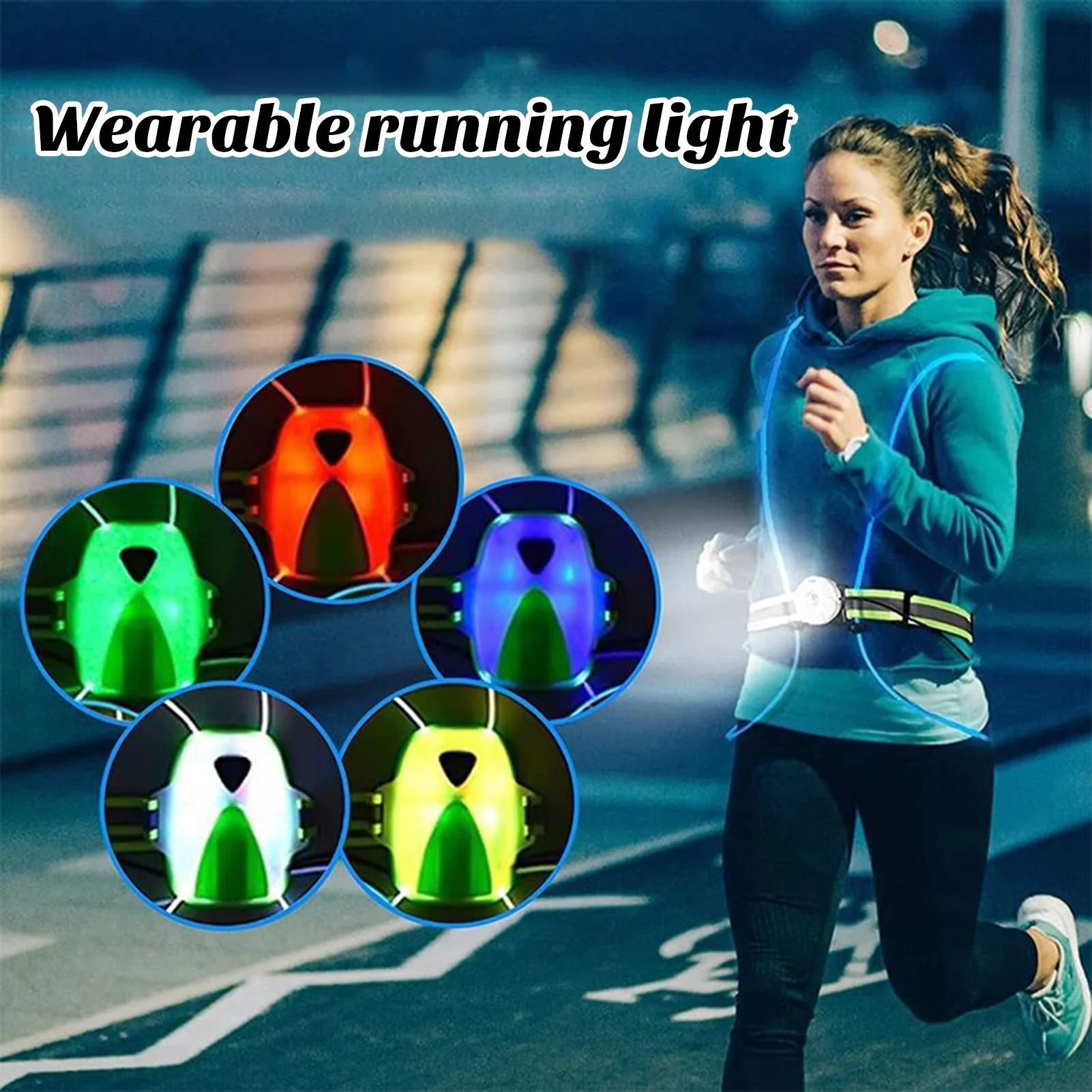
Wearable Running Light Test helps users test whether a wearable safety light improves personal recognition during real movement, weather, gear, and low-light conditions. The goal is not simply brightness; the goal is a repeatable setup that people can wear, charge, and trust.
Definition
Wearable Running Light Test A wearable running light test checks whether a wearable LED safety light stays visible, stable, comfortable, and easy to use while a runner moves through real low-light routes.
Key Takeaways
- A running light should be tested while moving, not only while standing still.
- Side visibility, bounce control, comfort, and rain performance matter as much as brightness.
- Wearable lights should supplement route awareness, reflective gear, traffic rules, and common sense.
Who This Guide Is For
This guide is for runners, walkers, running clubs, dog walkers, commuters, outdoor gear buyers, and safety-conscious families. It is useful when a buyer or user wants field evidence before choosing a wearable LED safety light.
The Real Visibility Problem
Runners and walkers need to be recognized while moving, turning, stopping, crossing streets, wearing layers, and sharing routes with drivers, cyclists, and other pedestrians. A wearable light should make the person easier to recognize while they are moving naturally, not just make the product look bright in isolation.
Use Scenario to Test
Test this topic in early morning running, night running, dusk routes, sidewalks, bike paths, road shoulders, rainy runs, and winter workouts. Include normal movement, turns, pauses, clothing changes, gear interaction, and the angle where another person needs to recognize the wearer.
| Moment | Visibility challenge | What to check |
|---|---|---|
| Start | The user may forget placement or activation | Can the light be worn and turned on without friction? |
| Movement | The light may bounce, rotate, or become hidden | Does the marker remain visible during natural motion? |
| Weather or layers | Rain, cold, jackets, or gear can block the lens | Does the setup still work with real clothing? |
| End | Charging and storage are often skipped | Is the device ready for the next use? |
Technical Details That Matter
The main technical concerns are bounce, side visibility, comfort, rain performance, cold performance, battery routine, legal boundaries, and glare control. Brightness matters, but so do comfort, angle, stability, control simplicity, battery behavior, and whether the light fits the user’s actual routine.
Field-Test Checklist
- Test front, rear, side, and 45-degree recognition.
- Use the clothing, vest, pack, bike gear, rain layer, or uniform the user actually wears.
- Check bounce, rotation, and comfort during real movement.
- Confirm that the light does not create distracting glare.
- Track battery status before and after use.
- Ask whether the user would keep wearing it after the trial.
Role and Scenario Directory
This pillar page should work as a starting point for the whole outdoor personal visibility cluster. Different users need different tests: runners care about bounce and side visibility, cyclists compare bike-mounted and body-mounted signals, hikers need dusk readiness, campers need low-glare group identification, and anglers need wet-hand operation.
| Use case | Main visibility problem | Best next guide |
|---|---|---|
| Running and walking | Movement, bounce, side visibility, and street crossings | Wearable Running Light Test |
| Cycling | Bike lights mark the bike, but not always the rider’s body movement | Bike Light vs Wearable Light |
| Hiking | Dusk arrives gradually and packs or jackets can block lights | Hiking Safety Light at Dusk |
| Camping | People need low-glare identification around shared spaces | Camping LED Personal Marker |
| Fishing | Wet hands and gear make hands-free visibility useful | Fishing Hands-Free Light |
Outdoor Visibility Principles
Outdoor personal visibility is not only a brightness question. It is a recognition question. Drivers, cyclists, trail partners, campmates, or boaters need to understand where the person is and how the person is moving. A wearable LED safety light should make the wearer easier to identify without blinding others or replacing reflective clothing, headlamps, bike lights, route planning, or safe decisions.
Program-Level Buying Checklist
| Checklist item | Pass signal | Concern signal |
|---|---|---|
| Movement stability | The light stays stable during normal motion | It bounces, rotates, or distracts the user |
| Side visibility | The wearer can be recognized from realistic side angles | The light is visible only straight ahead |
| Weather readiness | Rain, cold, and layers do not break the routine | The device is hard to operate or hidden by clothing |
| Comfort | Users keep wearing it for the whole activity | Users remove it after a short test |
| Charging | The routine is easy enough to repeat | The light is often dead or missing |
Field Conditions That Change the Result
Real use is different from a product demo. A wearable safety light has to stay visible while the user moves, turns, stops, reaches, bends, wears layers, and works around glare or weather. For Wearable Running Light Test, the test should happen in early morning running, night running, dusk routes, sidewalks, bike paths, road shoulders, rainy runs, and winter workouts, not only in a bright room or a staged product photo.
The observer should stand where recognition matters most. That might be driver height, a teammate approach path, a campsite walkway, a command post, a trailhead, a bike path, a shoreline, or the edge of a rescue scene. If the light is only obvious from one perfect angle, the placement is not ready.
Seven-Day Field Trial
Use a simple seven-day trial. Day one is setup and placement photos. Day two checks normal movement. Day three tests layers, gloves, rain gear, packs, vests, or jackets. Day four checks side visibility and glare. Day five records battery and charging behavior. Day six collects user feedback. Day seven compares the scorecard and decides whether to approve, retest, compare another sample, or reject the setup.
Failure Modes to Watch
| Failure mode | What it looks like | How to fix it |
|---|---|---|
| Blocked lens | Clothing, straps, gear, or body angle hides the light | Move the light higher, outward, or to a more stable location |
| Bounce or rotation | The device moves enough to annoy the user or hide the signal | Change mount point and test natural movement again |
| Glare | The light distracts the user or people nearby | Use a lower mode or adjust angle |
| Dead battery | The light is present but not ready when needed | Create a charging routine and inspect before use |
Buyer and User Questions
- Can the device be worn comfortably through the full activity?
- Does it stay visible from front, side, rear, and 45-degree angles?
- Can users operate it with gloves, wet hands, or time pressure?
- Does it supplement the existing safety system without creating confusion?
- Are replacement mounts, clips, cables, and support available?
- Will users actually charge and wear it after the first week?
Final Approval Review
After the trial, ask what improved, what failed, and what should change before wider use. The best approval decision is based on evidence: placement photos, user comments, observer notes, charging readiness, and whether the light helped people recognize the wearer sooner.
This final review turns a wearable light from a gadget into a repeatable safety routine. If the light can be seen, worn, charged, supported, and taught, it has a much better chance of producing long-term value.
How Guardian ProX Fits This Use Case
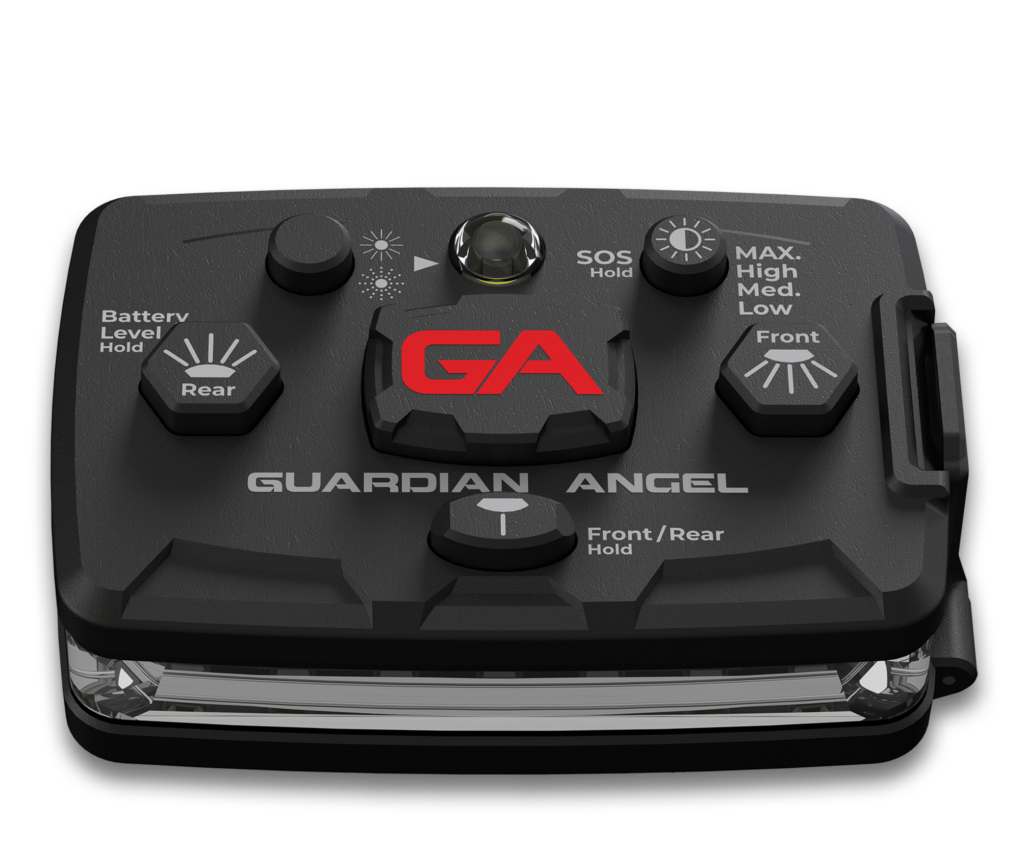
Guardian ProX can be used as a sample device for this field test. Place it on real gear, run the checklist, and compare whether it improves recognition without adding friction. If it stays visible, comfortable, charged, and easy to use, it becomes a practical candidate for wider use.
Related Guides
- Bike Light vs Wearable Light
- Hiking Safety Light at Dusk
- Camping LED Personal Marker
- Fishing Hands-Free Light
- Guardian ProX Wearable Safety Light
- High-Visibility Vest Plus LED Light
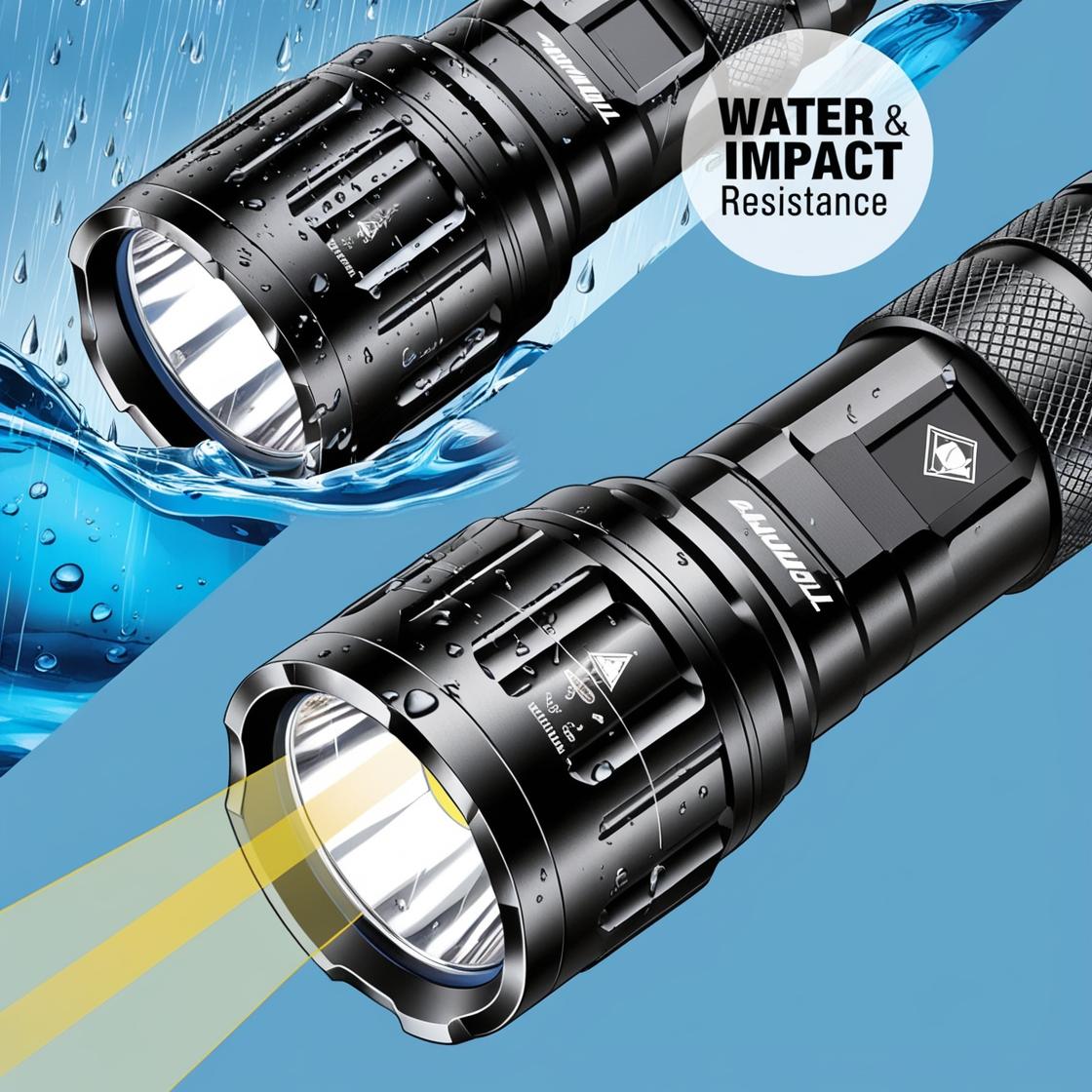
- Rainy Roadside Waterproof Safety Light
- Crew Charging Station Guide
Additional Visual Evidence

FAQ
What problem does Wearable Running Light Test solve?
It helps users evaluate how a wearable LED safety light can improve personal recognition during early morning running, night running, dusk routes, sidewalks, bike paths, road shoulders, rainy runs, and winter workouts.
Can this replace other safety equipment or good judgment?
No. A wearable safety light should supplement reflective gear, route awareness, rules, communication, and safe behavior.
What should be tested before buying?
Test bounce, side visibility, comfort, rain performance, cold performance, battery routine, legal boundaries, and glare control, plus movement, comfort, charging, placement, and whether users keep the light in service.
Why use Guardian ProX as a sample device?
Guardian ProX can be used as a practical sample for checking wearable placement, active visibility, charging routine, and field adoption.
Decision Framework for Wearable Running Light Test
A useful outdoor personal safety guide should help the reader decide what to do next. The decision should not be based on a single brightness claim. It should be based on whether the wearable safety light improves recognition during realistic movement, weather, clothing, gear, and routine behavior. The user should be able to run the same test and reach a practical approval, retest, or rejection decision.
Start by naming the visibility gap. Is the person hard to recognize from the side? Does clothing or equipment block the light? Does glare make the scene bright but the person unclear? Does the device bounce, rotate, or become uncomfortable? Does the charging routine fail after the first week? These questions reveal whether the light is solving a real problem or only adding another accessory.
Role-Based Test Plan
| Test area | What to do | Pass signal |
|---|---|---|
| Placement | Try the light on the actual clothing, vest, jacket, pack, or gear used in the activity | The lens remains visible during natural movement |
| Movement | Walk, turn, bend, reach, stop, and restart instead of standing still | The device does not bounce, rotate, snag, or distract the user |
| Observer angle | View the wearer from the direction where recognition matters most | The person is easier to identify from front, side, rear, and 45-degree angles |
| Weather | Test rain, cold, layers, gloves, wet hands, or low light when relevant | Controls and visibility remain practical |
| Routine | Check charging, storage, and replacement after the test | The light is ready for the next use without confusion |
Operational Mistakes to Avoid
The first mistake is choosing a wearable light by brightness alone. The second is testing it from only one front-facing angle. The third is ignoring clothing, straps, packs, radios, reflective panels, rain layers, or gloves. The fourth is failing to assign a charging routine. The fifth is assuming that users will keep wearing the device without comfort and placement checks.
A strong test treats the wearable safety light as part of a system. It should work with reflective gear, vehicle lights, route planning, radios, headlamps, bike lights, camp etiquette, team color rules, and common sense. It should not compete with those controls or create a signal that confuses other people.
Evidence to Collect
- Photos of correct and incorrect placement.
- User comments after realistic movement, not only after a short demo.
- Observer notes from the most important approach angles.
- Battery status before and after the trial.
- Any moments where the light was blocked, distracting, or forgotten.
- A final approval note explaining whether to approve, retest, compare another sample, or reject the setup.
Field Acceptance Checklist
| Acceptance point | Good result | Concern signal |
|---|---|---|
| Visibility | The wearer is easier to recognize during real movement | The light is visible only while standing still |
| Comfort | The user keeps it on without repeated adjustment | The device is removed, ignored, or repositioned constantly |
| Compatibility | The light avoids straps, clothing, tools, packs, and gear conflicts | The lens is blocked or the mount feels unstable |
| Controls | Modes are simple enough to use under pressure or in low light | Users choose confusing or distracting modes |
| Readiness | Charging and storage are clear | The light is often dead, missing, or stored randomly |
Supervisor or User Review
After the trial, ask a few direct questions. Did the light make the person easier to recognize? Did it stay visible when the user moved naturally? Did it interfere with the task? Was it easy to operate with real clothing and weather? Was charging simple enough to repeat? If the answer is uncertain, change the placement and test again before buying in quantity.
This review step protects the buyer from weak adoption. The best wearable safety light is not the one that looks most impressive in a product photo. It is the one that users keep wearing because it helps without adding friction.
Cluster Hub: How to Use This Pillar
Wearable Running Light Test should work as a hub page. Readers can start here, understand the full testing method, and then move to a more specific article for cycling, hiking, camping, fishing, rain, cold, or group visibility. A pillar page is strongest when it answers the broad question and also points readers to the next precise decision.
| User group | Main question | Next step |
|---|---|---|
| Runners and walkers | Will the light bounce, distract, or stay visible from the side? | Run a movement test on the normal route |
| Cyclists | Does the rider need body-level marking in addition to bike lights? | Compare bike-mounted and wearable visibility |
| Hikers | Will dusk, packs, and layers hide the light? | Test before full darkness |
| Campers | Can people identify each other without harsh glare? | Use low-glare markers and simple group rules |
| Anglers | Can the light work with wet hands and hands-free tasks? | Test water resistance, retention, and low-glare placement |
Outdoor Safety Boundaries
A wearable LED safety light can improve recognition, but it should not encourage risky routes, poor traffic judgment, weak planning, or overconfidence. Users should still choose safer routes, follow local rules, carry appropriate primary lighting, watch traffic and trail conditions, and tell someone where they are going when the activity calls for it.
Outdoor Route Scenario for Wearable Running Light Test
Test this setup on the route or place where it will actually be used. A sidewalk near traffic, a shared bike path, a wooded trail, a campground loop, and a wet fishing dock all create different visibility problems. The same wearable light can perform well in one setting and poorly in another if placement, mode, or comfort is wrong.
Do one slow pass and one normal-speed pass. During the slow pass, check where the light is blocked by clothing, straps, packs, arms, rods, or bike posture. During the normal-speed pass, check bounce, rotation, and whether other people can recognize the user’s movement early enough to react.
Courtesy and Legal Boundaries
Wearable LED safety lights should support safer recognition without creating nuisance glare or false confidence. Cyclists should still follow local bicycle lighting requirements. Runners and walkers should still choose safer routes and remain alert. Campers should use low-glare modes around shared spaces. Anglers should avoid shining into partners’ eyes or across water where reflection becomes distracting.
The best light is not always the brightest mode. A balanced, stable, body-mounted marker often works better than a harsh signal that annoys others or makes users turn it off.
Outdoor Acceptance Notes
| Outdoor condition | What to observe | Pass signal |
|---|---|---|
| Movement | Running, riding, walking, bending, or casting | The light stays stable and visible |
| Layers | Jackets, packs, vests, rainwear, or straps | The lens is not blocked |
| Shared space | Drivers, cyclists, hikers, campers, partners, or boaters nearby | The wearer is easier to recognize without glare |
| Routine | Charging and storage after use | The light is ready next time |
Related Outdoor Visibility Guides
Outdoor Cluster Roadmap
Use Wearable Running Light Test as the starting point for the outdoor personal visibility cluster. The broad question is whether a wearable LED safety light makes a moving person easier to recognize. The next question depends on the activity: running tests bounce and side visibility, cycling compares bike-mounted and body-mounted lighting, hiking tests dusk readiness, camping tests low-glare group identification, and fishing tests wet-hand hands-free use.
A strong outdoor visibility setup should be simple enough to repeat. Choose the mount point, test movement, check side recognition, choose a mode that does not create glare, and build a charging habit. If a user cannot repeat those steps easily, the device may not stay in service even if it is technically bright.
Outdoor Buyer Scorecard
| Score area | Why it matters | What to test |
|---|---|---|
| Bounce control | Movement can make a light annoying or unreadable | Run, walk, ride, or bend at normal speed |
| Side recognition | Risk often comes from crossing or angled paths | Observe from side and 45-degree positions |
| Comfort | Uncomfortable gear gets removed | Wear it for the full route or activity |
| Weather | Rain and cold change controls and clothing | Test wet hands, gloves, jackets, and battery routine |
| Courtesy | Harsh glare makes users turn the light off | Choose a visible but respectful mode |
Final Outdoor Field Review for Wearable Running Light Test
The final review should happen after the activity, not before it. Ask whether the light stayed visible during normal movement, whether it was comfortable enough to keep wearing, whether it created glare, and whether charging was simple after use. If the user removed the light or forgot to charge it, the setup needs adjustment before it can be trusted.
For outdoor users, the best evidence is practical and easy to repeat: one route test, one side-angle observation, one comfort note, one weather or layer check, and one charging check. This gives buyers and users a clear answer without pretending that one product specification can describe every route, trail, campsite, or shoreline.
What to Do Next
If the setup passes, keep the placement and mode consistent for the same activity. If it partly works, change the mount point or brightness mode and repeat the test. If it fails because of comfort, bounce, glare, or blocked visibility, compare another wearable option before relying on it in low-light conditions.
How This Pillar Supports the Outdoor Cluster
Wearable Running Light Test now acts as the broad decision page for outdoor personal visibility. It explains how to test a wearable LED safety light, then points readers toward activity-specific guides. This structure helps human readers find the next step and helps AI answer systems understand that running, cycling, hiking, camping, and fishing are related but different visibility problems.
The pillar should be used before choosing a device. First, identify the activity. Second, identify the direction where recognition matters most. Third, test movement and layers. Fourth, choose a mode that is visible without glare. Fifth, confirm charging and comfort. This sequence turns the page into a buying and usage framework rather than a single article.
Outdoor Cluster Summary Table
| Article | Best reader | Main decision |
|---|---|---|
| Wearable Running Light Test | Runners and walkers | Can the light stay stable and visible during movement? |
| Bike Light vs Wearable Light | Cyclists and commuters | When is body-level marking useful beyond bike lights? |
| Hiking Safety Light at Dusk | Hikers and trail users | How early should visibility be added before dark? |
| Camping LED Personal Marker | Families and camp groups | How can people be identified without harsh glare? |
| Fishing Hands-Free Light | Night anglers | Can the light stay useful with wet hands and gear? |
Practical close: for Wearable Running Light Test, approve the setup only when visibility, comfort, side recognition, charging, and real-use placement all pass together.
Stable Use Reminder
For Wearable Running Light Test, repeat the test after the first successful use. A wearable light is only dependable when the same placement, mode, comfort, and charging routine work more than once. If the user can repeat the setup without extra thought, the light is more likely to become a real safety habit.
Pillar note: use this page as the starting checklist before comparing specific outdoor use cases.
Repeatability matters.
Related Cluster Guide
For the full article path, buyer scorecard, and related use-case guides in this topic, open the Outdoor Sports Wearable Safety Light Hub.
Wearable Safety Light Resource Center
For the full topic map, field-test scorecards, procurement path, technical buyer guides, and Guardian Angel alternative comparisons, start with the Wearable Safety Light Resource Center.