
Quick Answer
An after-sales operations hub should connect support ownership, onboarding, customer success milestones, inventory control, spare parts, training refresh, support tickets, knowledge base updates, warranty evidence, and reorder triggers.
Definition
wearable safety light after sales operations hub: A wearable safety light after-sales operations hub is a central guide for managing support, onboarding, customer success, inventory, spares, training refresh, tickets, knowledge base content, and reorder triggers after purchase.
Key Takeaways
- An after-sales operations hub should connect support ownership, onboarding, customer success milestones, inventory control, spare parts, training refresh, support tickets, knowledge base updates, warranty evidence, and reorder triggers.
- After-sales content should help users solve real questions after delivery, not only describe the product again.
- A support system should connect onboarding, inventory, tickets, training refresh, warranty, and reorder timing.
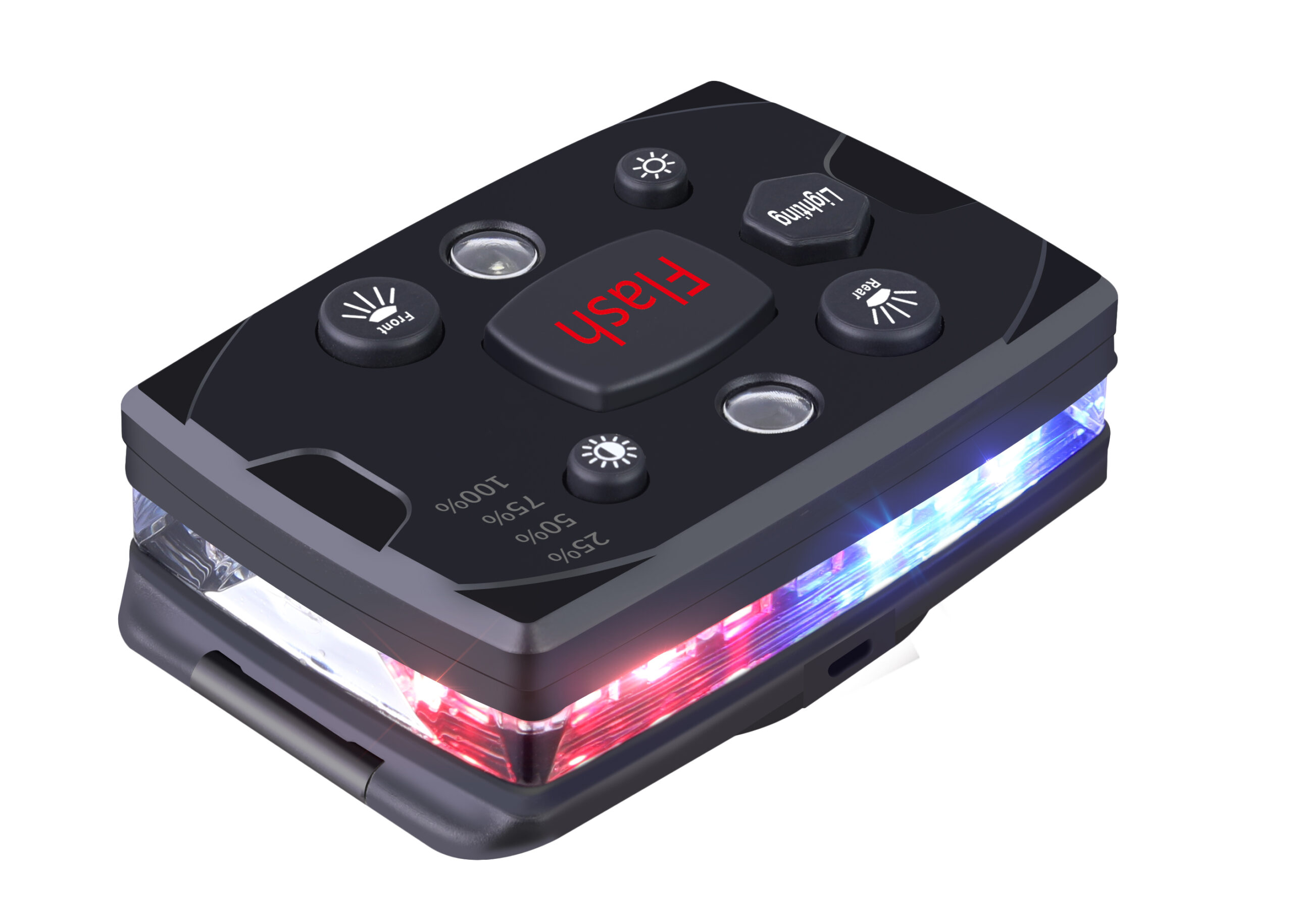
- Guardian ProX should be supported with clear records so buyers can keep units ready and make future orders with confidence.
Who This Guide Is For
This guide is for distributors, resellers, safety managers, fleet buyers, customer success teams, warehouse owners, department leaders, and public agency purchasers. It focuses on the complete post-purchase system that keeps users supported and products ready, where the sale is already complete or nearly complete, and the buyer needs a stable process that keeps the program working.
The After-Sales Problem
A wearable safety light program can lose value after purchase if support, inventory, training, tickets, and reorders are handled as separate one-off tasks. The desired result is practical: The organization wants a connected after-sales system that keeps customers confident, users trained, units ready, and reorders evidence-based.
After-Sales Operations Fields
| Field | What to define | Why it matters |
|---|---|---|
| Owner | Who maintains the process after purchase. | A named person prevents support drift. |
| User group | Which team, site, distributor account, or customer group is covered. | Different accounts may need different support depth. |
| Support trigger | The event that starts follow-up. | Examples include delivery, onboarding, dead unit, lost unit, new crew, or reorder window. |
| Record | What evidence or support note is saved. | Keeps support reusable. |
| Action | Training, replacement, spare issue, ticket, FAQ update, or reorder. | Turns support into progress. |
| Review cadence | When the support process is checked again. | Prevents silent problems. |
| Operations map | Support, inventory, training, tickets, knowledge base, and reorder triggers. | Shows the full system. |
| Account health | Adoption, readiness, support volume, spare status, and reorder timing. | Guides customer success. |
Account Health Indicators
| Indicator | What to check | Why it matters |
|---|---|---|
| Ready units | How many lights are charged, labeled, clean, and available. | Shows operational readiness. |
| Open issues | Tickets, failed units, claims, missing accessories, or unanswered questions. | Shows support load. |
| User adoption | Whether users still follow mount, mode, and charging rules. | Shows program health. |
| Spare pool | Replacement lights, mounts, chargers, labels, and cables. | Shows resilience. |
| Reorder timing | Budget window, expansion date, and minimum stock threshold. | Shows sales opportunity. |
Step-by-Step Support Process
- Confirm the delivered kit, labels, chargers, user group, and support owner.
- Run onboarding with the actual light, mount, charger, and user clothing.
- Log early questions and issues instead of treating them as one-off conversations.
- Update the knowledge base, training refresh, inventory, or spare plan when patterns repeat.
- Review usage, loss, damage, and expansion signals before the reorder window arrives.

Customer Success Timeline
| Stage | Action | Outcome |
|---|---|---|
| Delivery | Confirm kit, labels, chargers, and user list. | Prevents setup confusion. |
| Onboarding | Train mount, mode, charging, return, and support contact. | Starts correct habits. |
| First week | Collect questions, failed checks, and user friction. | Fixes early problems. |
| 30 days | Review adoption, inventory, tickets, and spare needs. | Turns use into evidence. |
| Ongoing | Update knowledge base, reorder triggers, and training refresh. | Keeps the system alive. |
Common Mistakes to Avoid
- Treating after-sales support as a warranty-only function instead of a customer success system.
- Letting support questions live in chats, emails, and memory without a shared ticket or knowledge base.
- Counting lights as available when chargers, mounts, labels, or cleaning steps are missing.
- Waiting for customers to complain before offering onboarding, refresh training, and reorder planning.
- Solving the same issue repeatedly without updating training, inventory rules, or the knowledge base.
- Missing the reorder window because usage, loss, damage, spares, and budget timing were not tracked.
Internal Reading Path
Use these related guides to connect this after-sales topic with onboarding, troubleshooting, warranty, inventory, adoption, knowledge base content, and reorders.
- Wearable Safety Light After-Sales Support Guide for Distributors, Departments, and Fleet Buyers
- Wearable Safety Light Customer Success Plan: Onboarding, Adoption, Support, and Reorders
- Wearable Safety Light Inventory Control Guide for Shared Units, Spares, Chargers, and Labels
- Wearable Safety Light Support Ticket Workflow: Track Failures, Claims, Lost Units, and User Questions
- Wearable Safety Light Knowledge Base Guide: FAQs, Troubleshooting, Policies, and Field Evidence
- Wearable Safety Light Reorder Trigger System: Usage, Loss, Damage, Expansion, and Budget Timing
- Wearable Safety Light Onboarding Checklist for New Teams, New Sites, and New Supervisors
- Wearable Safety Light Spare Parts Planning Guide for Mounts, Chargers, Labels, and Replacement Units
- Wearable Safety Light Training Refresh Program for Seasonal Crews, Turnover, and New Work Conditions
- Guardian ProX Wearable Safety Light

Implementation Checklist
- Name the after-sales owner and escalation contact.
- Create a shared support log or ticket workflow.
- Track units, chargers, labels, mounts, spares, and failed units separately.
- Use first-week and 30-day reviews to catch adoption problems early.
- Convert repeated questions into knowledge base answers.
- Trigger training refresh when support patterns repeat.
- Plan reorders from usage, loss, damage, expansion, and budget timing.

Support Should Create Momentum
Good support does more than close a complaint. It helps the buyer keep units ready, users confident, and supervisors clear about what to do next. This matters for the complete post-purchase system that keeps users supported and products ready because A wearable safety light program can lose value after purchase if support, inventory, training, tickets, and reorders are handled as separate one-off tasks.
The practical result should be: The organization wants a connected after-sales system that keeps customers confident, users trained, units ready, and reorders evidence-based. A strong after-sales workflow turns small support details into better adoption, cleaner records, and more confident reorders.
Use Issues as Product Intelligence
Dead batteries, missing mounts, lost units, and repeated user questions show where onboarding, inventory, or documentation needs improvement. This matters for the complete post-purchase system that keeps users supported and products ready because A wearable safety light program can lose value after purchase if support, inventory, training, tickets, and reorders are handled as separate one-off tasks.
The practical result should be: The organization wants a connected after-sales system that keeps customers confident, users trained, units ready, and reorders evidence-based. A strong after-sales workflow turns small support details into better adoption, cleaner records, and more confident reorders.
Make Reorders Evidence-Based
Reorders become easier when the account owner can show usage, loss, damage, spare pool, expansion needs, and support records. This matters for the complete post-purchase system that keeps users supported and products ready because A wearable safety light program can lose value after purchase if support, inventory, training, tickets, and reorders are handled as separate one-off tasks.
The practical result should be: The organization wants a connected after-sales system that keeps customers confident, users trained, units ready, and reorders evidence-based. A strong after-sales workflow turns small support details into better adoption, cleaner records, and more confident reorders.
Keep Answers Reusable
Every repeated question should become a knowledge base note, training refresh point, or checklist update so the team does not solve it from scratch again. This matters for the complete post-purchase system that keeps users supported and products ready because A wearable safety light program can lose value after purchase if support, inventory, training, tickets, and reorders are handled as separate one-off tasks.
The practical result should be: The organization wants a connected after-sales system that keeps customers confident, users trained, units ready, and reorders evidence-based. A strong after-sales workflow turns small support details into better adoption, cleaner records, and more confident reorders.
Protect the Customer Relationship
After-sales content reassures buyers that Guardian ProX is supported by a process, not just shipped as a box of devices. This matters for the complete post-purchase system that keeps users supported and products ready because A wearable safety light program can lose value after purchase if support, inventory, training, tickets, and reorders are handled as separate one-off tasks.
The practical result should be: The organization wants a connected after-sales system that keeps customers confident, users trained, units ready, and reorders evidence-based. A strong after-sales workflow turns small support details into better adoption, cleaner records, and more confident reorders.
Tie Operations Back to Safety
Inventory, tickets, training refresh, and reorders matter because users need a ready light at the moment visibility risk appears. This matters for the complete post-purchase system that keeps users supported and products ready because A wearable safety light program can lose value after purchase if support, inventory, training, tickets, and reorders are handled as separate one-off tasks.
The practical result should be: The organization wants a connected after-sales system that keeps customers confident, users trained, units ready, and reorders evidence-based. A strong after-sales workflow turns small support details into better adoption, cleaner records, and more confident reorders.
Support Should Create Momentum
Good support does more than close a complaint. It helps the buyer keep units ready, users confident, and supervisors clear about what to do next. This matters for the complete post-purchase system that keeps users supported and products ready because A wearable safety light program can lose value after purchase if support, inventory, training, tickets, and reorders are handled as separate one-off tasks.
The practical result should be: The organization wants a connected after-sales system that keeps customers confident, users trained, units ready, and reorders evidence-based. A strong after-sales workflow turns small support details into better adoption, cleaner records, and more confident reorders.
Use Issues as Product Intelligence
Dead batteries, missing mounts, lost units, and repeated user questions show where onboarding, inventory, or documentation needs improvement. This matters for the complete post-purchase system that keeps users supported and products ready because A wearable safety light program can lose value after purchase if support, inventory, training, tickets, and reorders are handled as separate one-off tasks.
The practical result should be: The organization wants a connected after-sales system that keeps customers confident, users trained, units ready, and reorders evidence-based. A strong after-sales workflow turns small support details into better adoption, cleaner records, and more confident reorders.
Make Reorders Evidence-Based
Reorders become easier when the account owner can show usage, loss, damage, spare pool, expansion needs, and support records. This matters for the complete post-purchase system that keeps users supported and products ready because A wearable safety light program can lose value after purchase if support, inventory, training, tickets, and reorders are handled as separate one-off tasks.
The practical result should be: The organization wants a connected after-sales system that keeps customers confident, users trained, units ready, and reorders evidence-based. A strong after-sales workflow turns small support details into better adoption, cleaner records, and more confident reorders.
Keep Answers Reusable
Every repeated question should become a knowledge base note, training refresh point, or checklist update so the team does not solve it from scratch again. This matters for the complete post-purchase system that keeps users supported and products ready because A wearable safety light program can lose value after purchase if support, inventory, training, tickets, and reorders are handled as separate one-off tasks.
The practical result should be: The organization wants a connected after-sales system that keeps customers confident, users trained, units ready, and reorders evidence-based. A strong after-sales workflow turns small support details into better adoption, cleaner records, and more confident reorders.
Protect the Customer Relationship
After-sales content reassures buyers that Guardian ProX is supported by a process, not just shipped as a box of devices. This matters for the complete post-purchase system that keeps users supported and products ready because A wearable safety light program can lose value after purchase if support, inventory, training, tickets, and reorders are handled as separate one-off tasks.
The practical result should be: The organization wants a connected after-sales system that keeps customers confident, users trained, units ready, and reorders evidence-based. A strong after-sales workflow turns small support details into better adoption, cleaner records, and more confident reorders.
Tie Operations Back to Safety
Inventory, tickets, training refresh, and reorders matter because users need a ready light at the moment visibility risk appears. This matters for the complete post-purchase system that keeps users supported and products ready because A wearable safety light program can lose value after purchase if support, inventory, training, tickets, and reorders are handled as separate one-off tasks.
The practical result should be: The organization wants a connected after-sales system that keeps customers confident, users trained, units ready, and reorders evidence-based. A strong after-sales workflow turns small support details into better adoption, cleaner records, and more confident reorders.
Support Should Create Momentum
Good support does more than close a complaint. It helps the buyer keep units ready, users confident, and supervisors clear about what to do next. This matters for the complete post-purchase system that keeps users supported and products ready because A wearable safety light program can lose value after purchase if support, inventory, training, tickets, and reorders are handled as separate one-off tasks.
The practical result should be: The organization wants a connected after-sales system that keeps customers confident, users trained, units ready, and reorders evidence-based. A strong after-sales workflow turns small support details into better adoption, cleaner records, and more confident reorders.
Use Issues as Product Intelligence
Dead batteries, missing mounts, lost units, and repeated user questions show where onboarding, inventory, or documentation needs improvement. This matters for the complete post-purchase system that keeps users supported and products ready because A wearable safety light program can lose value after purchase if support, inventory, training, tickets, and reorders are handled as separate one-off tasks.
The practical result should be: The organization wants a connected after-sales system that keeps customers confident, users trained, units ready, and reorders evidence-based. A strong after-sales workflow turns small support details into better adoption, cleaner records, and more confident reorders.
Make Reorders Evidence-Based
Reorders become easier when the account owner can show usage, loss, damage, spare pool, expansion needs, and support records. This matters for the complete post-purchase system that keeps users supported and products ready because A wearable safety light program can lose value after purchase if support, inventory, training, tickets, and reorders are handled as separate one-off tasks.
The practical result should be: The organization wants a connected after-sales system that keeps customers confident, users trained, units ready, and reorders evidence-based. A strong after-sales workflow turns small support details into better adoption, cleaner records, and more confident reorders.
Keep Answers Reusable
Every repeated question should become a knowledge base note, training refresh point, or checklist update so the team does not solve it from scratch again. This matters for the complete post-purchase system that keeps users supported and products ready because A wearable safety light program can lose value after purchase if support, inventory, training, tickets, and reorders are handled as separate one-off tasks.
The practical result should be: The organization wants a connected after-sales system that keeps customers confident, users trained, units ready, and reorders evidence-based. A strong after-sales workflow turns small support details into better adoption, cleaner records, and more confident reorders.
Protect the Customer Relationship
After-sales content reassures buyers that Guardian ProX is supported by a process, not just shipped as a box of devices. This matters for the complete post-purchase system that keeps users supported and products ready because A wearable safety light program can lose value after purchase if support, inventory, training, tickets, and reorders are handled as separate one-off tasks.
The practical result should be: The organization wants a connected after-sales system that keeps customers confident, users trained, units ready, and reorders evidence-based. A strong after-sales workflow turns small support details into better adoption, cleaner records, and more confident reorders.
Tie Operations Back to Safety
Inventory, tickets, training refresh, and reorders matter because users need a ready light at the moment visibility risk appears. This matters for the complete post-purchase system that keeps users supported and products ready because A wearable safety light program can lose value after purchase if support, inventory, training, tickets, and reorders are handled as separate one-off tasks.
The practical result should be: The organization wants a connected after-sales system that keeps customers confident, users trained, units ready, and reorders evidence-based. A strong after-sales workflow turns small support details into better adoption, cleaner records, and more confident reorders.
Support Should Create Momentum
Good support does more than close a complaint. It helps the buyer keep units ready, users confident, and supervisors clear about what to do next. This matters for the complete post-purchase system that keeps users supported and products ready because A wearable safety light program can lose value after purchase if support, inventory, training, tickets, and reorders are handled as separate one-off tasks.
The practical result should be: The organization wants a connected after-sales system that keeps customers confident, users trained, units ready, and reorders evidence-based. A strong after-sales workflow turns small support details into better adoption, cleaner records, and more confident reorders.
Use Issues as Product Intelligence
Dead batteries, missing mounts, lost units, and repeated user questions show where onboarding, inventory, or documentation needs improvement. This matters for the complete post-purchase system that keeps users supported and products ready because A wearable safety light program can lose value after purchase if support, inventory, training, tickets, and reorders are handled as separate one-off tasks.
The practical result should be: The organization wants a connected after-sales system that keeps customers confident, users trained, units ready, and reorders evidence-based. A strong after-sales workflow turns small support details into better adoption, cleaner records, and more confident reorders.
Make Reorders Evidence-Based
Reorders become easier when the account owner can show usage, loss, damage, spare pool, expansion needs, and support records. This matters for the complete post-purchase system that keeps users supported and products ready because A wearable safety light program can lose value after purchase if support, inventory, training, tickets, and reorders are handled as separate one-off tasks.
The practical result should be: The organization wants a connected after-sales system that keeps customers confident, users trained, units ready, and reorders evidence-based. A strong after-sales workflow turns small support details into better adoption, cleaner records, and more confident reorders.
Keep Answers Reusable
Every repeated question should become a knowledge base note, training refresh point, or checklist update so the team does not solve it from scratch again. This matters for the complete post-purchase system that keeps users supported and products ready because A wearable safety light program can lose value after purchase if support, inventory, training, tickets, and reorders are handled as separate one-off tasks.
The practical result should be: The organization wants a connected after-sales system that keeps customers confident, users trained, units ready, and reorders evidence-based. A strong after-sales workflow turns small support details into better adoption, cleaner records, and more confident reorders.
Protect the Customer Relationship
After-sales content reassures buyers that Guardian ProX is supported by a process, not just shipped as a box of devices. This matters for the complete post-purchase system that keeps users supported and products ready because A wearable safety light program can lose value after purchase if support, inventory, training, tickets, and reorders are handled as separate one-off tasks.
The practical result should be: The organization wants a connected after-sales system that keeps customers confident, users trained, units ready, and reorders evidence-based. A strong after-sales workflow turns small support details into better adoption, cleaner records, and more confident reorders.
Tie Operations Back to Safety
Inventory, tickets, training refresh, and reorders matter because users need a ready light at the moment visibility risk appears. This matters for the complete post-purchase system that keeps users supported and products ready because A wearable safety light program can lose value after purchase if support, inventory, training, tickets, and reorders are handled as separate one-off tasks.
The practical result should be: The organization wants a connected after-sales system that keeps customers confident, users trained, units ready, and reorders evidence-based. A strong after-sales workflow turns small support details into better adoption, cleaner records, and more confident reorders.
Support Should Create Momentum
Good support does more than close a complaint. It helps the buyer keep units ready, users confident, and supervisors clear about what to do next. This matters for the complete post-purchase system that keeps users supported and products ready because A wearable safety light program can lose value after purchase if support, inventory, training, tickets, and reorders are handled as separate one-off tasks.
The practical result should be: The organization wants a connected after-sales system that keeps customers confident, users trained, units ready, and reorders evidence-based. A strong after-sales workflow turns small support details into better adoption, cleaner records, and more confident reorders.
Use Issues as Product Intelligence
Dead batteries, missing mounts, lost units, and repeated user questions show where onboarding, inventory, or documentation needs improvement. This matters for the complete post-purchase system that keeps users supported and products ready because A wearable safety light program can lose value after purchase if support, inventory, training, tickets, and reorders are handled as separate one-off tasks.
The practical result should be: The organization wants a connected after-sales system that keeps customers confident, users trained, units ready, and reorders evidence-based. A strong after-sales workflow turns small support details into better adoption, cleaner records, and more confident reorders.
Make Reorders Evidence-Based
Reorders become easier when the account owner can show usage, loss, damage, spare pool, expansion needs, and support records. This matters for the complete post-purchase system that keeps users supported and products ready because A wearable safety light program can lose value after purchase if support, inventory, training, tickets, and reorders are handled as separate one-off tasks.
The practical result should be: The organization wants a connected after-sales system that keeps customers confident, users trained, units ready, and reorders evidence-based. A strong after-sales workflow turns small support details into better adoption, cleaner records, and more confident reorders.
FAQ
What is wearable safety light after-sales operations hub: support, inventory, training, tickets, and reorders?
It is an after-sales operations guide for keeping wearable safety light users supported after purchase, especially around the complete post-purchase system that keeps users supported and products ready.
Who should own after-sales follow-up?
A distributor support lead, safety manager, fleet supervisor, warehouse owner, or customer success contact should own follow-up. If no owner is named, support records and reorders usually become scattered.
What should the team do first?
Map every post-purchase touchpoint from delivery to onboarding, support, review, reorder, and expansion.
How does after-sales support affect SEO and sales?
It creates helpful content for post-purchase questions while also showing buyers that the product has a real support system beyond the sale.
How can Guardian ProX be included?
Guardian ProX can be used as the reference device for onboarding, inventory, support tickets, spare planning, training refresh, and reorder triggers.
Recommended Next Step
If your team already uses or distributes wearable safety lights, build one after-sales workflow around Guardian ProX wearable safety light: onboarding, inventory, support tickets, knowledge base, training refresh, warranty evidence, and reorder triggers.
New Wearable Safety Light Kit Planning Guides
These guides help buyers plan starter kits, fleet kits, crew kits, visitor kits, event staff kits, warehouse yard kits, roadside crew kits, security patrol kits, distributor sample kits, and complete kit planning hubs.
- Wearable Safety Light Starter Kit Guide for Small Teams and First-Time Buyers
- Wearable Safety Light Fleet Kit Guide for Vehicles, Depots, Drivers, and Supervisors
- Wearable Safety Light Crew Kit Guide: How Many Lights, Chargers, Mounts, and Spares to Buy
- Wearable Safety Light Visitor Kit Guide for Contractors, Guests, Tours, and Temporary Staff
- Wearable Safety Light Event Staff Kit Guide for Parking, Security, Volunteers, and Crowd Flow
- Wearable Safety Light Warehouse Yard Kit Guide for Forklift Areas, Truck Courts, and Loading Docks
- Wearable Safety Light Roadside Crew Kit Guide for Traffic Control, Utility Work, and Recovery Teams
- Wearable Safety Light Security Patrol Kit Guide for Parking Lots, Campuses, and Night Routes
- Wearable Safety Light Distributor Sample Kit Guide for Demos, Trials, Quotes, and Reseller Training
- Wearable Safety Light Kit Planning Hub: Starter, Fleet, Crew, Visitor, Event, Yard, and Patrol Kits
New Wearable Safety Light Channel Operations Guides
These guides help importers, distributors, dealers, resellers, and private-label buyers manage export support, channel onboarding, market launch kits, MOQ negotiation, lead-time buffers, barcode labels, and regional distributor packs.
- Wearable Safety Light Export Support Guide for Distributors, Importers, and Bulk Buyers
- Wearable Safety Light Dealer Program Guide: Samples, Pricing, Territory, Training, and Support
- Wearable Safety Light Channel Onboarding Checklist for Resellers and Regional Distributors
- Wearable Safety Light Private Label Launch Plan: Branding, Packaging, QC, and First Order Control
- Wearable Safety Light Barcode and Label System Guide for Retail, Warehouse, and Warranty Tracking
- Wearable Safety Light Market Launch Kit for New Countries, Regions, and Distributor Accounts
- Wearable Safety Light MOQ Negotiation Guide: Samples, Trial Orders, Packaging, and Reorder Volume
- Wearable Safety Light Lead Time Buffer Guide for Seasonal Demand, Public Tenders, and Bulk Reorders
- Wearable Safety Light Regional Distributor Pack: Product Assets, Trial Tools, Quote Sheets, and Support SOPs
- Wearable Safety Light Channel Operations Hub: Export, Dealers, Private Label, MOQ, Lead Time, and Launch Kits
New Wearable Safety Light Buyer Education Guides
These guides answer common wearable safety light mistakes, myths, buyer questions, supervisor questions, user questions, procurement mistakes, comparison questions, training questions, and safety committee questions.
- Wearable Safety Light Common Mistakes: What Buyers, Supervisors, and Users Should Avoid
- Wearable Safety Light Myths: What Active Visibility Can and Cannot Do
- Wearable Safety Light Buyer Questions: What to Ask Before Samples, Quotes, and Bulk Orders
- Wearable Safety Light Supervisor Questions for Daily Use, Charging, Training, and Audits
- Wearable Safety Light User Questions: Mounting, Modes, Charging, Comfort, and Real Work Habits
- Wearable Safety Light Procurement Mistakes: How to Avoid Bad Quotes, Missing Accessories, and Weak Evidence
- Wearable Safety Light Comparison Questions: How to Compare Products Without Brand Bias
- Wearable Safety Light Training Questions for New Users, Refreshers, and Multi-Shift Teams
- Wearable Safety Light Safety Committee Questions for Approval, Evidence, and Program Review
- Wearable Safety Light Buyer Education Hub: Mistakes, Myths, Questions, Comparisons, and Training Answers
New Procurement and Private Label Risk Guides
These new buyer guides cover troubleshooting, RFQ questions, procurement buying decisions, brand comparison, market trends, OEM cost-quality trade-offs, supplier scoring, wholesale projects, custom logo approval, and MOQ mistakes for wearable safety light buyers.
- Wearable Safety Light Quality Control Cost Trade-Offs for Private Label Brands
- Questions to Ask Before Sending a Wearable Safety Light RFQ: A Buyer Checklist That Saves Time Later
- Wearable Safety Light Buying Guide for Procurement Teams, Distributors, and Private Label Brands
- Wearable Safety Light Brand Comparison: How to Plan Samples and Bulk Orders Without Getting Distracted by Branding
- Wearable Safety Light Market Trends Buyers Should Watch: Active Visibility, Team Kits, USB-C, and Private Label Demand
- Wearable Safety Light OEM Manufacturer Cost and Quality Trade-Offs for Private Label Brands
- Wearable Safety Light Supplier Comparison for Private Label Brands: What to Score Before You Order
- Wholesale Wearable Safety Light Project Guide: Samples, Kits, Pricing, Packaging, and Repeat Orders
- How to Choose a Reliable Custom Logo Wearable Safety Light for Private Label Brands
- Common Wearable Safety Light MOQ Mistakes: How Buyers Lose Money Before the First Bulk Order
New Procurement and Private Label Risk Guides
These new buyer guides cover certification, battery and charging, lighting performance, housing durability, waterproof decisions, outdoor use, emergency projects, inspection work, security patrol sourcing, and promotional-order trade-offs for wearable safety light buyers.
- Wearable Safety Light Certification Supplier Comparison for Private Label Brands
- Wearable Safety Light Battery and Charging Project Guide for Private Label Buyers
- How to Choose Reliable Wearable Safety Light Brightness, Lumens, and Visibility Specs
- Common Wearable Safety Light Housing and Durability Mistakes in Private Label Sourcing
- Waterproof Wearable Safety Light Cost and Quality Trade-Offs for Private Label Brands
- Outdoor Wearable Safety Light Supplier Comparison for Private Label Brands
- Emergency Wearable Safety Light Project Guide: Preparedness Kits, Charging, Storage, and Bulk Orders
- How to Choose a Reliable Inspection Wearable Safety Light for Maintenance and Field Teams
- Common Security Patrol Wearable Safety Light Sourcing Mistakes for Private Label and Department Buyers
- Promotional Wearable Safety Light Cost and Quality Trade-Offs for Corporate and Private Label Orders
New Procurement and Private Label Risk Guides
These new buyer guides cover retail and ecommerce sourcing, import projects, comparison logic, use-case selection, troubleshooting procurement, RFQ supplier comparison, buying-guide navigation, brand comparison, market trend mistakes, and OEM planning for promotional agencies.
- Wearable Safety Light Retail and Ecommerce Sourcing: Supplier Comparison for Private Label Brands
- Import Wearable Safety Light Project Guide: Supplier Documents, Samples, Packaging, Freight, and Inspection
- How to Choose a Reliable Wearable Safety Light Comparison Method for Private Label Buyers
- Common Mistakes When Sourcing the Best Wearable Safety Light for Private Label Buyers
- Wearable Safety Light Troubleshooting Cost Trade-Offs for Private Label and Distributor Buyers
- Wearable Safety Light RFQ Supplier Comparison for Private Label Brands
- Wearable Safety Light Sourcing Hub for Private Label Brands: Retail, Import, RFQ, Comparison, and Reorders
- How to Choose a Reliable Wearable Safety Light Brand Comparison for Private Label Buyers
- Common Wearable Safety Light Market Trend Mistakes Private Label Buyers Should Avoid
- Questions Promotional Agencies Should Ask Before Ordering OEM Wearable Safety Lights
New Procurement and Private Label Risk Guides
These new buyer guides cover promotional-agency supplier checks, wholesale sample planning, custom logo approval, MOQ control, quality control, certification, battery and charging, brightness claims, housing durability, and waterproof sourcing for branded wearable safety light projects.
- Wearable Safety Light Supplier Checklist for Promotional Agencies: What to Verify Before a Branded Order
- Wholesale Wearable Safety Light Samples and Bulk Order Plan for Promotional Agencies
- Custom Logo Wearable Safety Light Checklist for Promotional Agencies
- Wearable Safety Light MOQ Guide for Promotional Agencies: Product, Logo, Packaging, and Delivery Risk
- Wearable Safety Light Quality Control Questions Promotional Agencies Should Ask Before Ordering
- Wearable Safety Light Certification Checks Promotional Agencies Should Verify Before Branded Campaigns
- Wearable Safety Light Battery and Charging Plan for Promotional Agency Bulk Orders
- Wearable Safety Light Brightness and Lumens Checklist for Promotional Agencies
- Wearable Safety Light Housing and Durability Specification Guide for Promotional Agencies
- Waterproof Wearable Safety Light Questions Promotional Agencies Should Ask Before Ordering
New Procurement and Private Label Risk Guides
These new buyer guides cover outdoor, emergency, inspection, security patrol, retail, import, comparison, use-case selection, RFQ checks, and a promotional-agency sourcing hub for branded wearable safety light projects.
- Outdoor Wearable Safety Light Checks Promotional Agencies Should Verify Before Branded Orders
- Emergency Wearable Safety Light Samples and Bulk Order Plan for Promotional Agencies
- Inspection Wearable Safety Light Checklist for Promotional Agencies and Branded Safety Programs
- Security Patrol Wearable Safety Light Specification Guide for Promotional Agencies
- Wearable Safety Light Retail Sourcing Checks Promotional Agencies Should Verify Before Resale
- Import Wearable Safety Light Samples and Bulk Order Plan for Promotional Agencies
- Wearable Safety Light Comparison Checklist for Promotional Agencies
- Best Wearable Safety Light Specification Guide for Promotional Agencies by Use Case
- Wearable Safety Light RFQ Checks Promotional Agencies Should Verify Before Ordering
- Wearable Safety Light Promotional Agency Sourcing Hub: Outdoor, Emergency, Inspection, Patrol, Retail, Import, and RFQ Planning
New Procurement and Private Label Risk Guides
These new buyer guides cover troubleshooting for promotional agencies plus tender-project OEM, supplier, wholesale, logo, MOQ, quality-control, certification, and brand-comparison sourcing decisions for wearable safety light buyers.
- Wearable Safety Light Troubleshooting Questions Promotional Agencies Should Ask Before Ordering
- Wearable Safety Light Brand Comparison Checklist for Promotional Agencies
- Wearable Safety Light Market Trend Specification Guide for Promotional Agencies
- Wearable Safety Light OEM Manufacturer Supplier Comparison for Tender Projects
- Custom Wearable Safety Light Supplier Projects for Tender Buyers: Samples, Proof, Documents, and Delivery
- How to Choose a Reliable Wholesale Wearable Safety Light Supplier for Tender Projects
- Common Custom Logo Wearable Safety Light Mistakes in Tender Projects
- Wearable Safety Light MOQ Cost and Quality Trade-Offs for Tender Projects
- Wearable Safety Light Quality Control Supplier Comparison for Tender Projects
- Custom Wearable Safety Light Certification Projects for Tender Buyers
New Procurement and Private Label Risk Guides
These new buyer guides cover tender-project battery, brightness, housing, waterproof, outdoor, emergency, inspection, security patrol, promotional, and retail sourcing decisions for wearable safety light buyers.
- How to Choose a Reliable Wearable Safety Light Battery Plan for Tender Projects
- Common Wearable Safety Light Brightness and Lumens Mistakes in Tender Projects
- Wearable Safety Light Housing Cost and Quality Trade-Offs for Tender Projects
- Waterproof Wearable Safety Light Supplier Comparison for Tender Projects
- Custom Outdoor Wearable Safety Light Projects for Tender Buyers
- How to Choose a Reliable Emergency Wearable Safety Light for Tender Projects
- Common Inspection Wearable Safety Light Sourcing Mistakes in Tender Projects
- Security Patrol Wearable Safety Light Cost and Quality Trade-Offs for Tender Projects
- Promotional Wearable Safety Light Supplier Comparison for Tender Projects
- Custom Wearable Safety Light Retail Sourcing Projects for Tender Buyers
New Procurement and Private Label Risk Guides
These new buyer guides cover tender-project import, comparison, use-case selection, troubleshooting, RFQ, sourcing hub, brand comparison, market trends, and small-batch OEM and supplier planning for wearable safety light buyers.
- How to Choose a Reliable Import Wearable Safety Light Plan for Tender Projects
- Common Wearable Safety Light Comparison Mistakes in Tender Projects
- Wearable Safety Light Cost and Quality Trade-Offs by Use Case for Tender Projects
- Wearable Safety Light Troubleshooting Supplier Comparison for Tender Projects
- Custom Wearable Safety Light RFQ Projects for Tender Buyers: Samples, Specs, Packaging, and Support
- Wearable Safety Light Tender Sourcing Hub: Import, Comparison, Use Case, RFQ, Supplier Risk, and Support
- Common Wearable Safety Light Brand Comparison Mistakes in Tender Projects
- Wearable Safety Light Market Trend Cost and Quality Trade-Offs for Tender Projects
- What Buyers Should Verify in a Wearable Safety Light OEM Manufacturer for Small Batch Orders
- How to Plan Wearable Safety Light Samples and Bulk Orders With a Small Batch Supplier
New Procurement and Private Label Risk Guides
These new buyer guides cover small-batch wholesale, custom logo, MOQ, quality control, certification, battery, brightness, housing, waterproof, and outdoor sample-to-bulk planning for wearable safety light buyers.
- Wholesale Wearable Safety Light Checklist for Small Batch Orders
- Custom Logo Wearable Safety Light Specification Guide for Small Batch Orders
- Questions to Ask Before Ordering Wearable Safety Light MOQ for Small Batch Orders
- What Buyers Should Verify in Wearable Safety Light Quality Control for Small Batch Orders
- Wearable Safety Light Certification Planning for Small Batch Orders: Samples, Labels, Battery Notes, and Documents
- Wearable Safety Light Battery Checklist for Small Batch Orders
- Wearable Safety Light Brightness and Lumens Specification Guide for Small Batch Orders
- Questions to Ask Before Ordering Wearable Safety Light Housing for Small Batch Orders
- What Buyers Should Verify in Waterproof Wearable Safety Light Small Batch Orders
- How to Plan Outdoor Wearable Safety Light Samples and Bulk Orders for Small Batch Buyers
New Procurement and Private Label Risk Guides
These new buyer guides cover small-batch emergency, inspection, security patrol, promotional, retail, import, comparison, use-case selection, troubleshooting, and RFQ sample-to-bulk planning for wearable safety light buyers.
- Emergency Wearable Safety Light Checklist for Small Batch Orders
- Inspection Wearable Safety Light Specification Guide for Small Batch Orders
- Questions to Ask Before Ordering Security Patrol Wearable Safety Lights in Small Batches
- What Buyers Should Verify in Promotional Wearable Safety Light Small Batch Orders
- How to Plan Wearable Safety Light Retail Sourcing Samples and Bulk Orders for Small Batch Buyers
- Import Wearable Safety Light Checklist for Small Batch Orders
- Wearable Safety Light Comparison Specification Guide for Small Batch Orders
- Questions to Ask Before Ordering the Best Wearable Safety Light for Small Batch Orders
- What Buyers Should Verify in Wearable Safety Light Troubleshooting for Small Batch Orders
- How to Plan Wearable Safety Light RFQ Samples and Bulk Orders for Small Batch Buyers
New Procurement and Private Label Risk Guides
These new buyer guides cover small-batch emergency, inspection, security patrol, promotional, retail, import, comparison, use-case selection, troubleshooting, and RFQ sample-to-bulk planning for wearable safety light buyers.
- Wearable Safety Light Small Batch Sourcing Hub: Buying Guide, Brand Comparison, Trends, Samples, MOQ, and RFQ
- Wearable Safety Light Brand Comparison Specification Guide for Small Batch Orders
- Questions to Ask Before Ordering Wearable Safety Lights Based on Market Trends for Small Batch Orders
- Best Practices for Custom Wearable Safety Light OEM Manufacturer Projects for Repeat Wholesale Orders
- How to Choose a Reliable Wearable Safety Light Supplier for Repeat Wholesale Orders
- Common Mistakes When Sourcing Wholesale Wearable Safety Lights for Repeat Orders
- Cost and Quality Trade-Offs in Custom Logo Wearable Safety Lights for Repeat Wholesale Orders
- Wearable Safety Light MOQ Supplier Comparison for Repeat Wholesale Orders
- Best Practices for Wearable Safety Light Quality Control in Repeat Wholesale Orders
- How to Choose Reliable Wearable Safety Light Certification Support for Repeat Wholesale Orders
New Procurement and Private Label Risk Guides
These new buyer guides cover small-batch emergency, inspection, security patrol, promotional, retail, import, comparison, use-case selection, troubleshooting, and RFQ sample-to-bulk planning for wearable safety light buyers.
- Common Mistakes When Sourcing Wearable Safety Light Batteries for Repeat Wholesale Orders
- Cost and Quality Trade-Offs in Wearable Safety Light Brightness for Repeat Wholesale Orders
- Wearable Safety Light Housing Durability Supplier Comparison for Repeat Wholesale Orders
- Best Practices for Waterproof Wearable Safety Light Projects for Repeat Wholesale Orders
- How to Choose a Reliable Outdoor Wearable Safety Light for Repeat Wholesale Orders
- Common Mistakes When Sourcing Emergency Wearable Safety Lights for Repeat Wholesale Orders
- Cost and Quality Trade-Offs in Inspection Wearable Safety Lights for Repeat Wholesale Orders
- Security Patrol Wearable Safety Light Supplier Comparison for Repeat Wholesale Orders
- Best Practices for Custom Promotional Wearable Safety Light Projects for Repeat Wholesale Orders
- How to Choose Reliable Wearable Safety Light Retail Sourcing for Repeat Wholesale Orders
New Procurement and Private Label Risk Guides
These new buyer guides cover small-batch emergency, inspection, security patrol, promotional, retail, import, comparison, use-case selection, troubleshooting, and RFQ sample-to-bulk planning for wearable safety light buyers.
- How to Reorder Wearable Safety Lights for Corporate Safety Campaigns Without Losing Consistency
- Wearable Safety Light Ecommerce Replenishment: Use Sales, Returns, and Lead Time to Plan Repeat Orders
- Importing Wearable Safety Lights Again? A Repeat-Order Document and Customs Checklist
- Clip, Magnetic, Strap, or Shoulder Mount? Wearable Safety Light Mounting Comparison for Buyers
- Best Wearable Safety Light by Job Role: A Supplier Comparison Framework for Bulk Buyers
- Wearable Safety Light Troubleshooting for Bulk Programs: Charging, Mounting, Runtime, and User Complaints
- Wearable Safety Light Repeat-Order RFQ Template: What Buyers Must Reconfirm
- Wearable Safety Light Repeat Wholesale Buying Guide: From Reorder Signal to Delivery Audit
- Wearable Safety Light Brand Comparison for Bulk Buyers: Compare Evidence, Not Marketing Claims
- Wearable Safety Light Market Trends: What Bulk Buyers Should Watch Before the Next Order
New Procurement and Private Label Risk Guides
These new buyer guides cover small-batch emergency, inspection, security patrol, promotional, retail, import, comparison, use-case selection, troubleshooting, and RFQ sample-to-bulk planning for wearable safety light buyers.
- Wearable Safety Lights for School Bus Drivers: Pre-Trip, Roadside, and Student Loading Visibility
- Rail Worker Wearable Safety Lights: Yard Movement, Trackside Recognition, and Shift Control
- Sanitation Worker Wearable Safety Lights for Early-Morning Collection Routes
- Delivery Courier Wearable Safety Lights: Visibility for Doorsteps, Roadsides, and Apartment Routes
- Parking Attendant Wearable Safety Lights: Vehicle Approach, Payment, and Pedestrian Visibility
- Snow Removal Crew Wearable Safety Lights: Low-Contrast Visibility Around Plows and Loaders
- Road Surveyor Wearable Safety Lights: Visibility Without Disrupting Instruments or Traffic
- Traffic Marshal Wearable Safety Lights: Positioning, Color, and Communication in Vehicle Zones
- Telecom Field Technician Wearable Safety Lights for Roadside Cabinets, Poles, and Night Repairs
- Power Line Crew Wearable Safety Lights: Ground-Crew Recognition and Electrical-Site Boundaries
New Procurement and Private Label Risk Guides
These new buyer guides cover small-batch emergency, inspection, security patrol, promotional, retail, import, comparison, use-case selection, troubleshooting, and RFQ sample-to-bulk planning for wearable safety light buyers.
- Warehouse Picker Wearable Safety Lights: Aisle, Cross-Traffic, and Order-Picking Visibility
- Forklift Spotter Wearable Safety Lights: Recognition Without Confusing Hand Signals
- Landscaping Crew Wearable Safety Lights for Road Edges, Parking Lots, and Early Starts
- Hotel Security Wearable Safety Lights: Parking Patrol, Guest Assistance, and Emergency Recognition
- Festival Staff Wearable Safety Lights: Crowd Recognition, Vehicle Routes, and Team Color Planning
- Construction Flagger Wearable Safety Lights: Visibility That Supports Clear Traffic Control
- Fuel Station Attendant Wearable Safety Lights: Forecourt Visibility and Hazard Review
- Property Maintenance Technician Wearable Safety Lights for Car Parks, Plant Rooms, and Callouts
- Mobile Mechanic Wearable Safety Lights: Roadside Repairs, Fleet Yards, and Hands-Free Recognition
- Airport Baggage Handler Wearable Safety Lights: Ramp Recognition Around Ground Equipment
New Procurement and Private Label Risk Guides
These new buyer guides cover small-batch emergency, inspection, security patrol, promotional, retail, import, comparison, use-case selection, troubleshooting, and RFQ sample-to-bulk planning for wearable safety light buyers.
- Toll Booth Attendant Wearable Safety Lights: Lane Crossing and Vehicle Approach Visibility
- Rental Car Lot Worker Wearable Safety Lights for Vehicle Returns, Inspections, and Night Shifts
- Night Cleaning Crew Wearable Safety Lights for Car Parks, Campuses, and Public Facilities
- Farm Worker Wearable Safety Lights Around Machinery, Yards, and Early-Morning Tasks
- School Custodian Wearable Safety Lights for Evening Grounds, Car Parks, and Emergency Callouts
- Stadium Operations Staff Wearable Safety Lights for Crowd Egress, Service Roads, and Breakdown
- Train Station Platform Staff Wearable Safety Lights: Passenger Recognition and Operational Boundaries
- Bus Depot Worker Wearable Safety Lights for Reversing Bays, Refueling Lanes, and Night Checks
- Water Utility Crew Wearable Safety Lights for Roadside Valves, Plants, and Emergency Repairs
- Bridge Inspector Wearable Safety Lights: Roadside Recognition, Access Work, and Equipment Fit
New Procurement and Private Label Risk Guides
These new buyer guides cover small-batch emergency, inspection, security patrol, promotional, retail, import, comparison, use-case selection, troubleshooting, and RFQ sample-to-bulk planning for wearable safety light buyers.
- Golf Course Maintenance Wearable Safety Lights for Early-Morning Mowing and Cart Routes
- Pest Control Technician Wearable Safety Lights for Night Routes and Property Callouts
- Pool Maintenance Technician Wearable Safety Lights for Decks, Plant Areas, and Early Callouts
- Sewer Worker Wearable Safety Lights: Surface-Crew Recognition and Confined-Space Boundaries
- Storm Drain Inspection Wearable Safety Lights for Roadside Crews and Emergency Response
- Theme Park Staff Wearable Safety Lights for Guest Assistance, Vehicle Routes, and Closing Shifts
- Ski Resort Staff Wearable Safety Lights for Parking, Lift Areas, and Night Operations
- Roadside Assistance Wearable Safety Lights for Breakdown Recovery and Driver Recognition
- Loading Dock Checker Wearable Safety Lights for Trailer Bays, Yard Traffic, and Seal Checks
- University Maintenance Wearable Safety Lights for Campus Roads, Events, and After-Hours Callouts
New Procurement and Private Label Risk Guides
These new buyer guides cover small-batch emergency, inspection, security patrol, promotional, retail, import, comparison, use-case selection, troubleshooting, and RFQ sample-to-bulk planning for wearable safety light buyers.
- Cemetery Worker Wearable Safety Lights for Grounds, Vehicle Routes, and Winter Callouts
- Cinema Staff Wearable Safety Lights for Evacuation, Parking Assistance, and Closing Shifts
- Marina Staff Wearable Safety Lights for Docks, Fuel Areas, and Night Arrivals
- Camp Counselor Wearable Safety Lights for Evening Activities, Road Crossings, and Group Recognition
- Lifeguard Wearable Safety Lights for Beach Patrol, Pool Closures, and Night Emergencies
- Night Market Staff Wearable Safety Lights for Vendor Support, Deliveries, and Crowd Routes
- Delivery Depot Worker Wearable Safety Lights for Van Lanes, Sorting Yards, and Early Dispatch
- Building Engineer Wearable Safety Lights for Plant Callouts, Loading Areas, and Power Events
- Rail Maintenance Worker Wearable Safety Lights for Depots, Trackside Staging, and Night Work
- Veterinary Emergency Staff Wearable Safety Lights for Large-Animal Callouts and Roadside Response
New Procurement and Private Label Risk Guides
These new buyer guides cover small-batch emergency, inspection, security patrol, promotional, retail, import, comparison, use-case selection, troubleshooting, and RFQ sample-to-bulk planning for wearable safety light buyers.
- Animal Shelter Staff Wearable Safety Lights for Night Walks, Vehicle Areas, and Emergencies
- Museum Security Wearable Safety Lights for Evacuation, Loading Docks, and Closing Patrols
- Concert Crew Wearable Safety Lights for Load-In, Crowd Egress, and Overnight Breakdown
- Ferry Terminal Staff Wearable Safety Lights for Vehicle Lanes, Gangways, and Night Boarding
- Harbor Patrol Wearable Safety Lights for Shore-Side Checks, Docks, and Multi-Agency Incidents
- Forest Ranger Wearable Safety Lights for Roadside Stops, Trailheads, and Night Coordination
- Park Ranger Wearable Safety Lights for Visitor Assistance, Road Crossings, and Evening Patrols
- Emergency Shelter Staff Wearable Safety Lights for Power Loss, Arrivals, and Role Recognition
- Disaster Relief Volunteer Wearable Safety Lights for Distribution Sites and Night Logistics
- Campus Shuttle Driver Wearable Safety Lights for Pre-Trip Checks, Stops, and Roadside Incidents
New Procurement and Private Label Risk Guides
These new buyer guides cover small-batch emergency, inspection, security patrol, promotional, retail, import, comparison, use-case selection, troubleshooting, and RFQ sample-to-bulk planning for wearable safety light buyers.
- Wearable Safety Light Viewing Angle Test: How Buyers Check Side and Rear Recognition
- Wearable Safety Light Visibility Distance Test: Build a Repeatable Field Protocol
- Wearable Safety Light Clip Retention Test: Garment Grip, Rotation, and Snag Risk
- Wearable Safety Light Cold-Weather Battery Test for Winter Procurement
- Wearable Safety Light Salt-Fog and Corrosion Review for Coastal Buyers
- Wearable Safety Light Charging-Cycle Test: What Repeat Buyers Should Record
- Wearable Safety Light Packaging Drop Test for Ecommerce and Wholesale Shipments
- Wearable Safety Light Button-Cycle Test: Controls, Mode Changes, and Long-Term Use
- Wearable Safety Light Glove-Operation Test for Winter and Industrial Teams
- Wearable Safety Light Standby Drain Test for Emergency Kits and Stored Inventory
New Procurement and Private Label Risk Guides
These new buyer guides cover small-batch emergency, inspection, security patrol, promotional, retail, import, comparison, use-case selection, troubleshooting, and RFQ sample-to-bulk planning for wearable safety light buyers.
- Wearable Safety Light Color Consistency Test for Samples and Production Batches
- Wearable Safety Light Water-Ingress Inspection After Rain and Water-Resistance Testing
- Wearable Safety Light Carton Vibration Test for Export and Ecommerce Shipments
- Wearable Safety Light Sample Approval Record: Freeze the Evidence Before Mass Production
- Wearable Safety Light Lens Scratch Test: Appearance, Output, and Cleaning Durability
- Wearable Safety Light Mode-Memory Test: Startup Behavior and User Error Risk
- Wearable Safety Light Charging-Port Durability Test for Fleet and Team Use
- Wearable Safety Light Charging-Cable Compatibility Test for Bulk Programs
- Wearable Safety Light Thermal Test: Charging Heat, Operating Modes, and Buyer Acceptance
- Wearable Safety Light Batch-Consistency Sampling Plan for Repeat Wholesale Orders
New Procurement and Private Label Risk Guides
These new buyer guides cover small-batch emergency, inspection, security patrol, promotional, retail, import, comparison, use-case selection, troubleshooting, and RFQ sample-to-bulk planning for wearable safety light buyers.
- Wearable Safety Light Switch-Force Test: Prevent Accidental Activation and Hard Presses
- Wearable Safety Light Connector Insertion Test: Fit, Wear, Alignment, and Charging Stability
- Wearable Safety Light Logo Adhesion Test for Custom and Promotional Orders
- Wearable Safety Light Print Durability Test for Markings, Instructions, and Branding
- Wearable Safety Light Label Adhesion Test for Products, Retail Packs, and Cartons
- Wearable Safety Light Carton Compression Test for Stacking, Storage, and Export Shipping
- Wearable Safety Light Runtime Claim Verification: Mode, Battery State, and Useful Output
- Wearable Safety Light Charging Indicator Accuracy Test for Shared Team Equipment
- Wearable Safety Light Low-Battery Warning Test: Give Users Time to Act
- Wearable Safety Light Accessory Fit Consistency Test Across Samples and Repeat Orders
New Procurement and Private Label Risk Guides
These new buyer guides cover small-batch emergency, inspection, security patrol, promotional, retail, import, comparison, use-case selection, troubleshooting, and RFQ sample-to-bulk planning for wearable safety light buyers.
- Wearable Safety Light Mount Interchangeability Test Across Units and Repeat Orders
- Wearable Safety Light Charging-Cable Bend Test for Shared Fleet Equipment
- Wearable Safety Light Lanyard Pull Test: Retention, Breakaway, and Snag-Risk Decisions
- Wearable Safety Light Packaging Seal Test for Retail, Storage, and Export Orders
- Wearable Safety Light Barcode Scan Test for Retail Packs and Master Cartons
- Wearable Safety Light Magnet Retention Test: Holding Force, Rotation, and Use Boundaries
- Wearable Safety Light UV Aging Test for Outdoor Housing, Lens, and Printed Marks
- Wearable Safety Light Humidity Storage Test for Warehouses and Coastal Supply Chains
- Wearable Safety Light Cleaning-Chemical Compatibility Test for Shared Team Use
- Wearable Safety Light Storage-Temperature Test for Inventory, Vehicles, and Emergency Kits
New Procurement and Private Label Risk Guides
These new buyer guides cover small-batch emergency, inspection, security patrol, promotional, retail, import, comparison, use-case selection, troubleshooting, and RFQ sample-to-bulk planning for wearable safety light buyers.
- Wearable Safety Light Vibration Resistance Test for Vehicles, Tools, and Daily Carry
- Wearable Safety Light Drop Resistance Test: Product Function, Housing, and Mount Damage
- Wearable Safety Light Dust-Ingress Test for Construction, Warehouses, and Outdoor Work
- Wearable Safety Light Shipping Label Verification for Export and Warehouse Receiving
- Wearable Safety Light Carton Quantity Verification: Prevent Shortages and Mixed Packs
- Wearable Safety Light Gross-Weight Verification for Cartons, Freight, and Receiving
- Wearable Safety Light Accessory Count Inspection for Complete Kits and Bulk Orders
- Wearable Safety Light User Manual Accuracy Review Before Mass Production
- Wearable Safety Light Translation Verification for Manuals, Labels, and Retail Packs
- Wearable Safety Light Warranty Traceability: Connect Complaints to Batches and Corrective Action
New Procurement and Private Label Risk Guides
These new buyer guides cover small-batch emergency, inspection, security patrol, promotional, retail, import, comparison, use-case selection, troubleshooting, and RFQ sample-to-bulk planning for wearable safety light buyers.
New Procurement and Private Label Risk Guides
These new buyer guides cover small-batch emergency, inspection, security patrol, promotional, retail, import, comparison, use-case selection, troubleshooting, and RFQ sample-to-bulk planning for wearable safety light buyers.