
Quick Answer
Use wearable safety lights for backlit workers when headlights, work lights, low sun, or shadows reduce human recognition; test from the viewer position and adjust mode to avoid adding glare.
Definition
wearable safety light backlit workers: A wearable safety light for backlit workers helps people remain recognizable when headlights, work lights, low sun, reflective surfaces, or shadows turn them into silhouettes.
Key Takeaways
- Use wearable safety lights for backlit workers when headlights, work lights, low sun, or shadows reduce human recognition; test from the viewer position and adjust mode to avoid adding glare.
- The right question is where the worker becomes hard to recognize, not only what job title they have.
- A wearable safety light supports existing controls; it should not replace route design, PPE, communication, or supervision.
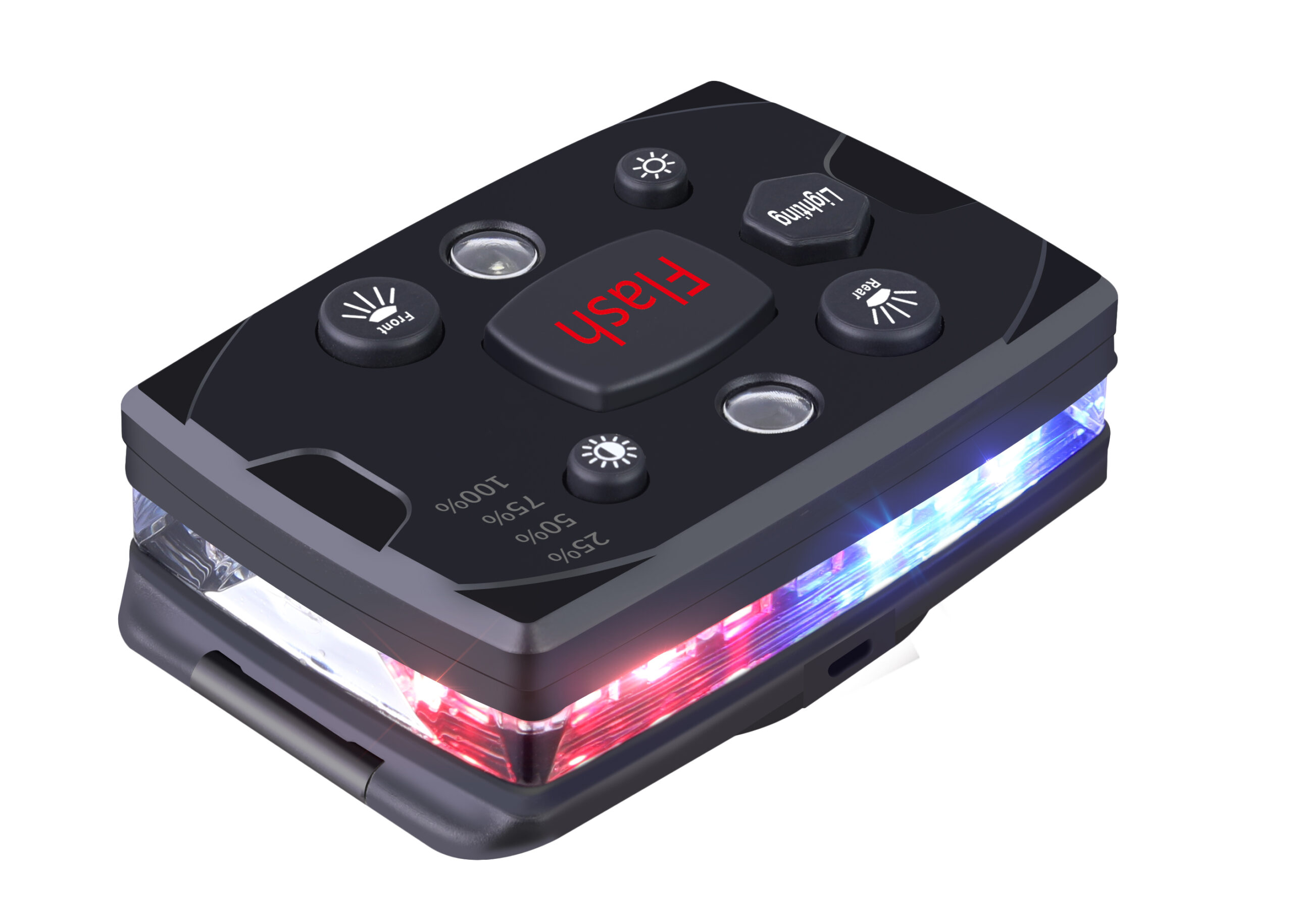
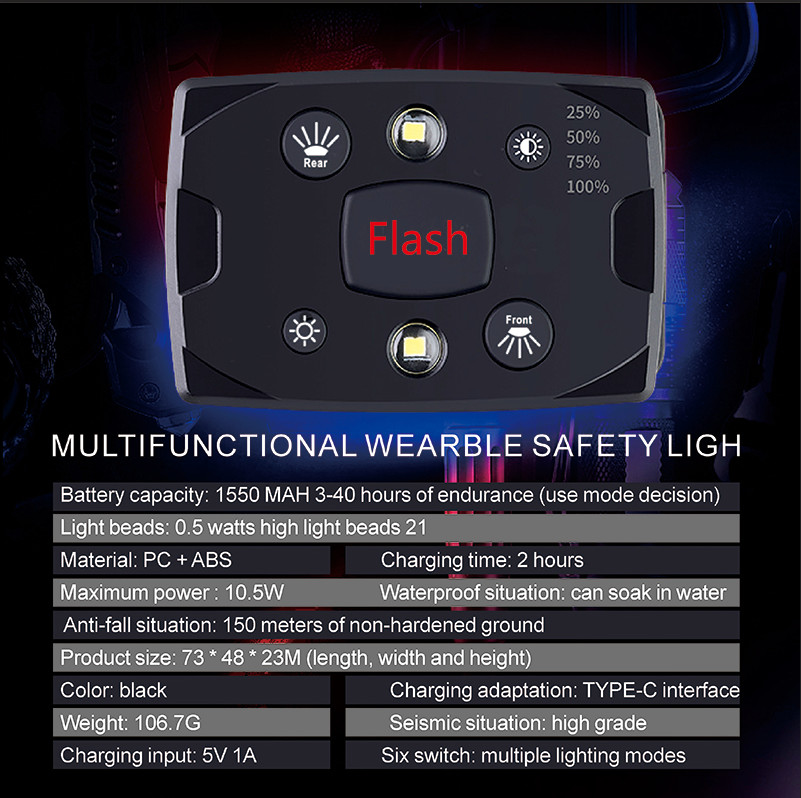
- Guardian ProX should be tested from the viewer position with real clothing, route conditions, and mode settings.
Who This Guide Is For
This guide is for road crews, warehouses, parking teams, event operators, public works departments, rescue support teams, and safety managers. It focuses on headlights, work lights, shadows, silhouettes, and backlit worker recognition, where recognition can fail because the environment hides people or delays the moment they are noticed.
The Environment Risk Problem
Backlighting can make a worker appear as a dark shape with poor depth and motion cues, especially around headlights, work lights, wet surfaces, or low sun. The desired result is practical: The supervisor wants the person to be recognized earlier without adding glare to an already difficult visual scene.
Environment Risk Assessment Fields
| Field | What to check | Why it matters |
|---|---|---|
| Recognition point | Where the person must be noticed before exposure increases. | Defines the pass/fail moment. |
| Viewer | Driver, cart operator, forklift operator, coworker, guest, or supervisor. | Visibility depends on who must see. |
| Background | Dark clothing, shadows, headlights, signs, machinery, crowds, or work lights. | Background can hide people. |
| Movement | Walking, turning, backing, crossing, loading, guiding, or standing still. | Movement changes recognition. |
| Control mix | PPE, route rule, lighting, cones, radios, mirrors, and active marker. | The light is one part of the system. |
| Evidence | Photos, video, supervisor notes, user feedback, and corrective actions. | Keeps the decision auditable. |
| Backlight source | Headlights, work lights, low sun, wet surfaces, or reflective signs. | Defines the visual problem. |
| Silhouette test | Can the viewer tell it is a person early enough? | Defines pass/fail. |
Field Test Steps
| Test step | What to do | Why it matters |
|---|---|---|
| Viewer position | Stand where the driver, operator, guest, or coworker will be. | Tests recognition from the right viewpoint. |
| Real clothing | Use the actual vest, jacket, uniform, rain gear, radio, or PPE. | Prevents false approval. |
| Motion check | Walk, turn, cross, load, bend, or guide as the task requires. | Shows real visibility. |
| Mode check | Compare steady, flashing, dim, and high modes. | Avoids glare or signal confusion. |
| Evidence capture | Take photos, video, notes, and user feedback. | Supports policy and procurement. |
Step-by-Step Assessment Process
- Identify the exact point where recognition is delayed.
- Stand in the viewer position: driver, operator, coworker, guest, or supervisor.
- Test the worker with real clothing, gear, movement, and background conditions.
- Compare mount positions and modes without creating glare or signal confusion.
- Document the result with photos, video, user feedback, and a clear action.
Common Mistakes to Avoid
- Testing the light from a convenient standing position instead of the real viewer position.
- Approving a mount before checking side visibility, turning, bending, jackets, radios, or PPE.
- Using the brightest mode when a lower mode would improve recognition without glare.
- Assuming a job title defines the risk when the real issue is the environment.
- Ignoring low-speed vehicles because they feel less dangerous than highway traffic.
- Keeping no photos or route notes that explain why the light was required.
Internal Reading Path
Use these related guides to connect this environmental risk with hazard analysis, technical evidence, mode policy, buyer education, and field deployment.
- Wearable Safety Light for Dawn and Dusk Shift Changes
- Wearable Safety Light for Wet Pavement Glare
- How Bright Should A Wearable Safety Light Be
- Wearable Safety Light Visible Distance Evidence Guide
- Wearable Safety Light Myths
- Wearable Safety Light Environment Risk Hub: Blind Corners, Walkways, Mixed Traffic, Noise, and Low Contrast
- Wearable Safety Light for Blind Corners: How to Make Workers Recognizable Before Turning Points
- Wearable Safety Light for Narrow Walkways, Service Corridors, and Shared Pedestrian Routes
- Wearable Safety Light for Mixed Traffic Areas: People, Carts, Forklifts, Trucks, and Guests
- Wearable Safety Light for Low-Speed Vehicle Areas: Golf Carts, UTVs, Yard Trucks, and Service Carts
- Wearable Safety Light for Temporary Parking Areas: Events, Construction, Overflow Lots, and Shuttle Stops
Implementation Checklist
- Map the route, corner, vehicle path, walkway, or temporary work area.
- Name who must recognize the worker first.
- Test from that viewer position in the real lighting condition.
- Check mount visibility from front, side, rear, and movement angles.
- Select the lowest useful mode that avoids glare.
- Record the pass/fail evidence and update training or policy.
Start With Recognition, Not Brightness
The goal is not simply to add light. The goal is to help the viewer recognize a person early enough to act. This matters for headlights, work lights, shadows, silhouettes, and backlit worker recognition because Backlighting can make a worker appear as a dark shape with poor depth and motion cues, especially around headlights, work lights, wet surfaces, or low sun.
The practical result should be: The supervisor wants the person to be recognized earlier without adding glare to an already difficult visual scene. Guardian ProX should be tested as one part of a recognition system that also includes route design, lighting, training, and supervision.
Map the Environment Before the Product
Corners, walkways, mixed traffic, backlighting, noise, and low contrast can matter more than the job title. This matters for headlights, work lights, shadows, silhouettes, and backlit worker recognition because Backlighting can make a worker appear as a dark shape with poor depth and motion cues, especially around headlights, work lights, wet surfaces, or low sun.
The practical result should be: The supervisor wants the person to be recognized earlier without adding glare to an already difficult visual scene. Guardian ProX should be tested as one part of a recognition system that also includes route design, lighting, training, and supervision.
Use the Real Viewer Position
The driver, cart operator, forklift operator, or guest sees the scene from a different height and angle than a supervisor standing nearby. This matters for headlights, work lights, shadows, silhouettes, and backlit worker recognition because Backlighting can make a worker appear as a dark shape with poor depth and motion cues, especially around headlights, work lights, wet surfaces, or low sun.
The practical result should be: The supervisor wants the person to be recognized earlier without adding glare to an already difficult visual scene. Guardian ProX should be tested as one part of a recognition system that also includes route design, lighting, training, and supervision.
Avoid Creating a New Visual Problem
A light can help recognition, but the wrong mode can create glare, distraction, or confusion with vehicle or signal lighting. This matters for headlights, work lights, shadows, silhouettes, and backlit worker recognition because Backlighting can make a worker appear as a dark shape with poor depth and motion cues, especially around headlights, work lights, wet surfaces, or low sun.
The practical result should be: The supervisor wants the person to be recognized earlier without adding glare to an already difficult visual scene. Guardian ProX should be tested as one part of a recognition system that also includes route design, lighting, training, and supervision.
Turn Findings Into Rules
A field test should produce a mount rule, mode rule, training note, route change, or decision that the light is not the right control for that point. This matters for headlights, work lights, shadows, silhouettes, and backlit worker recognition because Backlighting can make a worker appear as a dark shape with poor depth and motion cues, especially around headlights, work lights, wet surfaces, or low sun.
The practical result should be: The supervisor wants the person to be recognized earlier without adding glare to an already difficult visual scene. Guardian ProX should be tested as one part of a recognition system that also includes route design, lighting, training, and supervision.
Keep Evidence for Future Buyers
Photos and route notes help procurement, safety committees, and supervisors understand why the device is being used. This matters for headlights, work lights, shadows, silhouettes, and backlit worker recognition because Backlighting can make a worker appear as a dark shape with poor depth and motion cues, especially around headlights, work lights, wet surfaces, or low sun.
The practical result should be: The supervisor wants the person to be recognized earlier without adding glare to an already difficult visual scene. Guardian ProX should be tested as one part of a recognition system that also includes route design, lighting, training, and supervision.
Start With Recognition, Not Brightness
The goal is not simply to add light. The goal is to help the viewer recognize a person early enough to act. This matters for headlights, work lights, shadows, silhouettes, and backlit worker recognition because Backlighting can make a worker appear as a dark shape with poor depth and motion cues, especially around headlights, work lights, wet surfaces, or low sun.
The practical result should be: The supervisor wants the person to be recognized earlier without adding glare to an already difficult visual scene. Guardian ProX should be tested as one part of a recognition system that also includes route design, lighting, training, and supervision.
Map the Environment Before the Product
Corners, walkways, mixed traffic, backlighting, noise, and low contrast can matter more than the job title. This matters for headlights, work lights, shadows, silhouettes, and backlit worker recognition because Backlighting can make a worker appear as a dark shape with poor depth and motion cues, especially around headlights, work lights, wet surfaces, or low sun.
The practical result should be: The supervisor wants the person to be recognized earlier without adding glare to an already difficult visual scene. Guardian ProX should be tested as one part of a recognition system that also includes route design, lighting, training, and supervision.
Use the Real Viewer Position
The driver, cart operator, forklift operator, or guest sees the scene from a different height and angle than a supervisor standing nearby. This matters for headlights, work lights, shadows, silhouettes, and backlit worker recognition because Backlighting can make a worker appear as a dark shape with poor depth and motion cues, especially around headlights, work lights, wet surfaces, or low sun.
The practical result should be: The supervisor wants the person to be recognized earlier without adding glare to an already difficult visual scene. Guardian ProX should be tested as one part of a recognition system that also includes route design, lighting, training, and supervision.
Avoid Creating a New Visual Problem
A light can help recognition, but the wrong mode can create glare, distraction, or confusion with vehicle or signal lighting. This matters for headlights, work lights, shadows, silhouettes, and backlit worker recognition because Backlighting can make a worker appear as a dark shape with poor depth and motion cues, especially around headlights, work lights, wet surfaces, or low sun.
The practical result should be: The supervisor wants the person to be recognized earlier without adding glare to an already difficult visual scene. Guardian ProX should be tested as one part of a recognition system that also includes route design, lighting, training, and supervision.
Turn Findings Into Rules
A field test should produce a mount rule, mode rule, training note, route change, or decision that the light is not the right control for that point. This matters for headlights, work lights, shadows, silhouettes, and backlit worker recognition because Backlighting can make a worker appear as a dark shape with poor depth and motion cues, especially around headlights, work lights, wet surfaces, or low sun.
The practical result should be: The supervisor wants the person to be recognized earlier without adding glare to an already difficult visual scene. Guardian ProX should be tested as one part of a recognition system that also includes route design, lighting, training, and supervision.
Keep Evidence for Future Buyers
Photos and route notes help procurement, safety committees, and supervisors understand why the device is being used. This matters for headlights, work lights, shadows, silhouettes, and backlit worker recognition because Backlighting can make a worker appear as a dark shape with poor depth and motion cues, especially around headlights, work lights, wet surfaces, or low sun.
The practical result should be: The supervisor wants the person to be recognized earlier without adding glare to an already difficult visual scene. Guardian ProX should be tested as one part of a recognition system that also includes route design, lighting, training, and supervision.
Start With Recognition, Not Brightness
The goal is not simply to add light. The goal is to help the viewer recognize a person early enough to act. This matters for headlights, work lights, shadows, silhouettes, and backlit worker recognition because Backlighting can make a worker appear as a dark shape with poor depth and motion cues, especially around headlights, work lights, wet surfaces, or low sun.
The practical result should be: The supervisor wants the person to be recognized earlier without adding glare to an already difficult visual scene. Guardian ProX should be tested as one part of a recognition system that also includes route design, lighting, training, and supervision.
Map the Environment Before the Product
Corners, walkways, mixed traffic, backlighting, noise, and low contrast can matter more than the job title. This matters for headlights, work lights, shadows, silhouettes, and backlit worker recognition because Backlighting can make a worker appear as a dark shape with poor depth and motion cues, especially around headlights, work lights, wet surfaces, or low sun.
The practical result should be: The supervisor wants the person to be recognized earlier without adding glare to an already difficult visual scene. Guardian ProX should be tested as one part of a recognition system that also includes route design, lighting, training, and supervision.
Use the Real Viewer Position
The driver, cart operator, forklift operator, or guest sees the scene from a different height and angle than a supervisor standing nearby. This matters for headlights, work lights, shadows, silhouettes, and backlit worker recognition because Backlighting can make a worker appear as a dark shape with poor depth and motion cues, especially around headlights, work lights, wet surfaces, or low sun.
The practical result should be: The supervisor wants the person to be recognized earlier without adding glare to an already difficult visual scene. Guardian ProX should be tested as one part of a recognition system that also includes route design, lighting, training, and supervision.
Avoid Creating a New Visual Problem
A light can help recognition, but the wrong mode can create glare, distraction, or confusion with vehicle or signal lighting. This matters for headlights, work lights, shadows, silhouettes, and backlit worker recognition because Backlighting can make a worker appear as a dark shape with poor depth and motion cues, especially around headlights, work lights, wet surfaces, or low sun.
The practical result should be: The supervisor wants the person to be recognized earlier without adding glare to an already difficult visual scene. Guardian ProX should be tested as one part of a recognition system that also includes route design, lighting, training, and supervision.
Turn Findings Into Rules
A field test should produce a mount rule, mode rule, training note, route change, or decision that the light is not the right control for that point. This matters for headlights, work lights, shadows, silhouettes, and backlit worker recognition because Backlighting can make a worker appear as a dark shape with poor depth and motion cues, especially around headlights, work lights, wet surfaces, or low sun.
The practical result should be: The supervisor wants the person to be recognized earlier without adding glare to an already difficult visual scene. Guardian ProX should be tested as one part of a recognition system that also includes route design, lighting, training, and supervision.
FAQ
What is wearable safety light for backlit workers: headlights, work lights, shadows, and silhouettes?
It is a field guide for deciding whether active personal visibility can help in headlights, work lights, shadows, silhouettes, and backlit worker recognition.
Does a wearable safety light solve the whole hazard?
No. It helps people become easier to recognize, but it should work with route design, lighting, traffic control, supervision, PPE, communication, and training.
What should the supervisor check first?
View the worker from the driver or operator side while the backlight is actually present.
Which mode should be used?
Use the lowest mode that makes the person recognizable without glare, signal confusion, or distraction in the specific environment.
How can Guardian ProX be tested?
Test Guardian ProX from the viewpoint of the driver, equipment operator, coworker, guest, or supervisor who must recognize the worker before the risk point.
Recommended Next Step
If this environment creates a recognition gap, test Guardian ProX wearable safety light in the actual route or work area. Capture photos, video, user feedback, and supervisor notes before writing the final rule.