
Quick Answer
An environment risk hub should map blind corners, narrow walkways, mixed traffic, low-speed vehicles, temporary parking, high noise, dark uniforms, backlit workers, pedestrian routes, evidence methods, and internal policy links.
Definition
wearable safety light environment risk hub: A wearable safety light environment risk hub is a central guide for deciding where active personal visibility helps based on blind corners, narrow walkways, mixed traffic, low-speed vehicles, temporary parking, high noise, dark uniforms, backlighting, and pedestrian routes.
Key Takeaways
- An environment risk hub should map blind corners, narrow walkways, mixed traffic, low-speed vehicles, temporary parking, high noise, dark uniforms, backlit workers, pedestrian routes, evidence methods, and internal policy links.
- The right question is where the worker becomes hard to recognize, not only what job title they have.
- A wearable safety light supports existing controls; it should not replace route design, PPE, communication, or supervision.
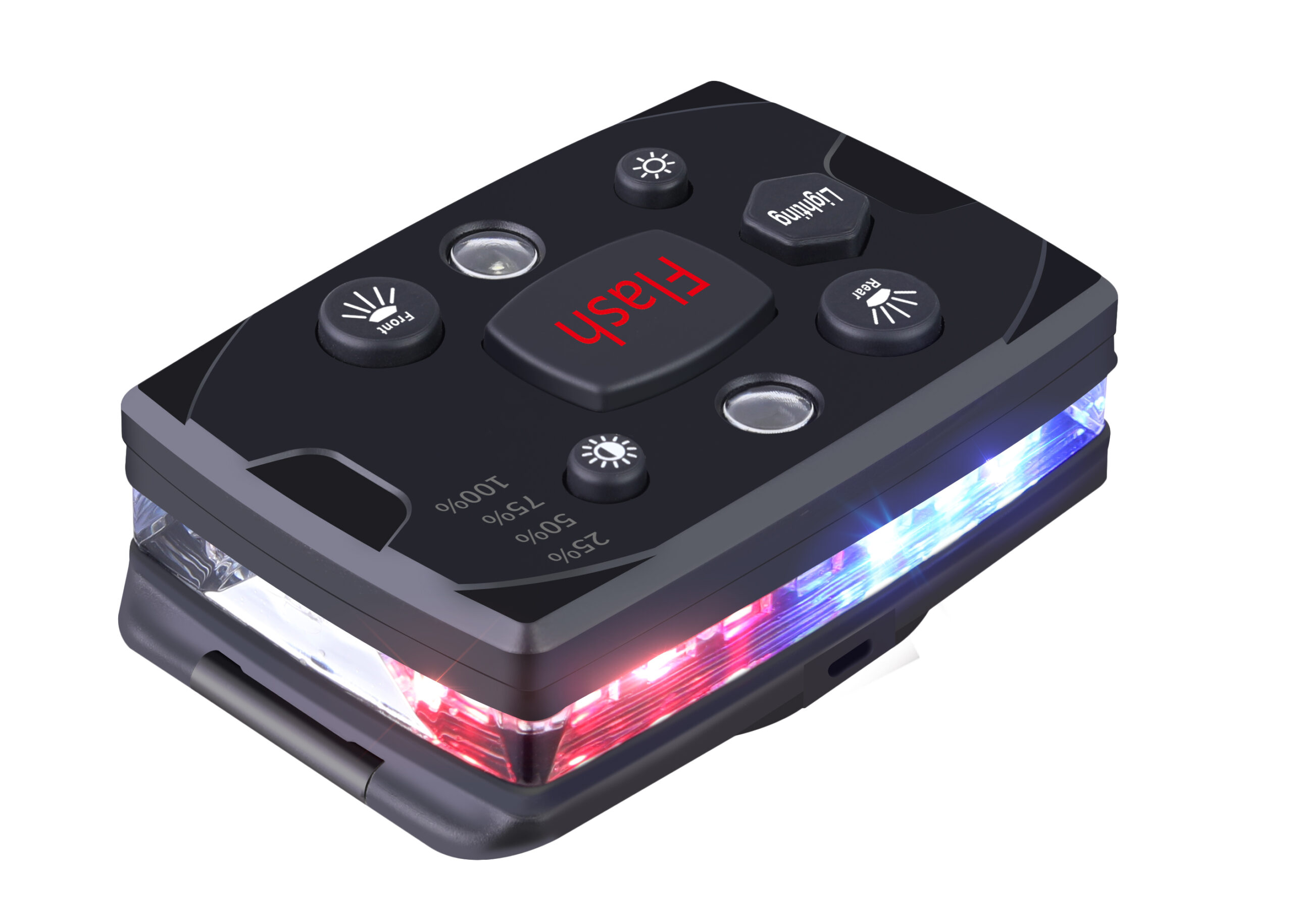
- Guardian ProX should be tested from the viewer position with real clothing, route conditions, and mode settings.
Who This Guide Is For
This guide is for safety managers, procurement buyers, facility managers, event operators, warehouses, campuses, public works teams, and distributors. It focuses on environment conditions that delay human recognition, where recognition can fail because the environment hides people or delays the moment they are noticed.
The Environment Risk Problem
Many teams choose wearable lights by job title, but the real reason may be environmental: hidden corners, glare, noise, low contrast, mixed traffic, or temporary routes. The desired result is practical: The buyer wants an environment-based map that shows where Guardian ProX should be tested and where other controls matter more.
Environment Risk Assessment Fields
| Field | What to check | Why it matters |
|---|---|---|
| Recognition point | Where the person must be noticed before exposure increases. | Defines the pass/fail moment. |
| Viewer | Driver, cart operator, forklift operator, coworker, guest, or supervisor. | Visibility depends on who must see. |
| Background | Dark clothing, shadows, headlights, signs, machinery, crowds, or work lights. | Background can hide people. |
| Movement | Walking, turning, backing, crossing, loading, guiding, or standing still. | Movement changes recognition. |
| Control mix | PPE, route rule, lighting, cones, radios, mirrors, and active marker. | The light is one part of the system. |
| Evidence | Photos, video, supervisor notes, user feedback, and corrective actions. | Keeps the decision auditable. |
| Environment type | Corner, walkway, mixed traffic, low-speed vehicle, parking, noise, uniform, backlight, or route. | Organizes risk. |
| Test output | Required light, adjusted mode, better lighting, route change, training, or no change. | Turns assessment into action. |
Field Test Steps
| Test step | What to do | Why it matters |
|---|---|---|
| Viewer position | Stand where the driver, operator, guest, or coworker will be. | Tests recognition from the right viewpoint. |
| Real clothing | Use the actual vest, jacket, uniform, rain gear, radio, or PPE. | Prevents false approval. |
| Motion check | Walk, turn, cross, load, bend, or guide as the task requires. | Shows real visibility. |
| Mode check | Compare steady, flashing, dim, and high modes. | Avoids glare or signal confusion. |
| Evidence capture | Take photos, video, notes, and user feedback. | Supports policy and procurement. |
Step-by-Step Assessment Process
- Identify the exact point where recognition is delayed.
- Stand in the viewer position: driver, operator, coworker, guest, or supervisor.
- Test the worker with real clothing, gear, movement, and background conditions.
- Compare mount positions and modes without creating glare or signal confusion.
- Document the result with photos, video, user feedback, and a clear action.
Common Mistakes to Avoid
- Testing the light from a convenient standing position instead of the real viewer position.
- Approving a mount before checking side visibility, turning, bending, jackets, radios, or PPE.
- Using the brightest mode when a lower mode would improve recognition without glare.
- Assuming a job title defines the risk when the real issue is the environment.
- Ignoring low-speed vehicles because they feel less dangerous than highway traffic.
- Keeping no photos or route notes that explain why the light was required.
Internal Reading Path
Use these related guides to connect this environmental risk with hazard analysis, technical evidence, mode policy, buyer education, and field deployment.
- Wearable Safety Light for Blind Corners: How to Make Workers Recognizable Before Turning Points
- Wearable Safety Light for Narrow Walkways, Service Corridors, and Shared Pedestrian Routes
- Wearable Safety Light for Mixed Traffic Areas: People, Carts, Forklifts, Trucks, and Guests
- Wearable Safety Light for Low-Speed Vehicle Areas: Golf Carts, UTVs, Yard Trucks, and Service Carts
- Wearable Safety Light Pedestrian Route Assessment for Yards, Campuses, Events, and Facilities
- Wearable Safety Light for Backlit Workers: Headlights, Work Lights, Shadows, and Silhouettes
- Wearable Safety Light for Temporary Parking Areas: Events, Construction, Overflow Lots, and Shuttle Stops
- Wearable Safety Light for High-Noise Worksites: When Verbal Warnings and Radios Are Not Enough
- Wearable Safety Light for Dark Uniforms and Low-Contrast Clothing in Night Operations
- Guardian ProX Wearable Safety Light
Implementation Checklist
- Map the route, corner, vehicle path, walkway, or temporary work area.
- Name who must recognize the worker first.
- Test from that viewer position in the real lighting condition.
- Check mount visibility from front, side, rear, and movement angles.
- Select the lowest useful mode that avoids glare.
- Record the pass/fail evidence and update training or policy.
Start With Recognition, Not Brightness
The goal is not simply to add light. The goal is to help the viewer recognize a person early enough to act. This matters for environment conditions that delay human recognition because Many teams choose wearable lights by job title, but the real reason may be environmental: hidden corners, glare, noise, low contrast, mixed traffic, or temporary routes.
The practical result should be: The buyer wants an environment-based map that shows where Guardian ProX should be tested and where other controls matter more. Guardian ProX should be tested as one part of a recognition system that also includes route design, lighting, training, and supervision.
Map the Environment Before the Product
Corners, walkways, mixed traffic, backlighting, noise, and low contrast can matter more than the job title. This matters for environment conditions that delay human recognition because Many teams choose wearable lights by job title, but the real reason may be environmental: hidden corners, glare, noise, low contrast, mixed traffic, or temporary routes.
The practical result should be: The buyer wants an environment-based map that shows where Guardian ProX should be tested and where other controls matter more. Guardian ProX should be tested as one part of a recognition system that also includes route design, lighting, training, and supervision.
Use the Real Viewer Position
The driver, cart operator, forklift operator, or guest sees the scene from a different height and angle than a supervisor standing nearby. This matters for environment conditions that delay human recognition because Many teams choose wearable lights by job title, but the real reason may be environmental: hidden corners, glare, noise, low contrast, mixed traffic, or temporary routes.
The practical result should be: The buyer wants an environment-based map that shows where Guardian ProX should be tested and where other controls matter more. Guardian ProX should be tested as one part of a recognition system that also includes route design, lighting, training, and supervision.
Avoid Creating a New Visual Problem
A light can help recognition, but the wrong mode can create glare, distraction, or confusion with vehicle or signal lighting. This matters for environment conditions that delay human recognition because Many teams choose wearable lights by job title, but the real reason may be environmental: hidden corners, glare, noise, low contrast, mixed traffic, or temporary routes.
The practical result should be: The buyer wants an environment-based map that shows where Guardian ProX should be tested and where other controls matter more. Guardian ProX should be tested as one part of a recognition system that also includes route design, lighting, training, and supervision.
Turn Findings Into Rules
A field test should produce a mount rule, mode rule, training note, route change, or decision that the light is not the right control for that point. This matters for environment conditions that delay human recognition because Many teams choose wearable lights by job title, but the real reason may be environmental: hidden corners, glare, noise, low contrast, mixed traffic, or temporary routes.
The practical result should be: The buyer wants an environment-based map that shows where Guardian ProX should be tested and where other controls matter more. Guardian ProX should be tested as one part of a recognition system that also includes route design, lighting, training, and supervision.
Keep Evidence for Future Buyers
Photos and route notes help procurement, safety committees, and supervisors understand why the device is being used. This matters for environment conditions that delay human recognition because Many teams choose wearable lights by job title, but the real reason may be environmental: hidden corners, glare, noise, low contrast, mixed traffic, or temporary routes.
The practical result should be: The buyer wants an environment-based map that shows where Guardian ProX should be tested and where other controls matter more. Guardian ProX should be tested as one part of a recognition system that also includes route design, lighting, training, and supervision.
Start With Recognition, Not Brightness
The goal is not simply to add light. The goal is to help the viewer recognize a person early enough to act. This matters for environment conditions that delay human recognition because Many teams choose wearable lights by job title, but the real reason may be environmental: hidden corners, glare, noise, low contrast, mixed traffic, or temporary routes.
The practical result should be: The buyer wants an environment-based map that shows where Guardian ProX should be tested and where other controls matter more. Guardian ProX should be tested as one part of a recognition system that also includes route design, lighting, training, and supervision.
Map the Environment Before the Product
Corners, walkways, mixed traffic, backlighting, noise, and low contrast can matter more than the job title. This matters for environment conditions that delay human recognition because Many teams choose wearable lights by job title, but the real reason may be environmental: hidden corners, glare, noise, low contrast, mixed traffic, or temporary routes.
The practical result should be: The buyer wants an environment-based map that shows where Guardian ProX should be tested and where other controls matter more. Guardian ProX should be tested as one part of a recognition system that also includes route design, lighting, training, and supervision.
Use the Real Viewer Position
The driver, cart operator, forklift operator, or guest sees the scene from a different height and angle than a supervisor standing nearby. This matters for environment conditions that delay human recognition because Many teams choose wearable lights by job title, but the real reason may be environmental: hidden corners, glare, noise, low contrast, mixed traffic, or temporary routes.
The practical result should be: The buyer wants an environment-based map that shows where Guardian ProX should be tested and where other controls matter more. Guardian ProX should be tested as one part of a recognition system that also includes route design, lighting, training, and supervision.
Avoid Creating a New Visual Problem
A light can help recognition, but the wrong mode can create glare, distraction, or confusion with vehicle or signal lighting. This matters for environment conditions that delay human recognition because Many teams choose wearable lights by job title, but the real reason may be environmental: hidden corners, glare, noise, low contrast, mixed traffic, or temporary routes.
The practical result should be: The buyer wants an environment-based map that shows where Guardian ProX should be tested and where other controls matter more. Guardian ProX should be tested as one part of a recognition system that also includes route design, lighting, training, and supervision.
Turn Findings Into Rules
A field test should produce a mount rule, mode rule, training note, route change, or decision that the light is not the right control for that point. This matters for environment conditions that delay human recognition because Many teams choose wearable lights by job title, but the real reason may be environmental: hidden corners, glare, noise, low contrast, mixed traffic, or temporary routes.
The practical result should be: The buyer wants an environment-based map that shows where Guardian ProX should be tested and where other controls matter more. Guardian ProX should be tested as one part of a recognition system that also includes route design, lighting, training, and supervision.
Keep Evidence for Future Buyers
Photos and route notes help procurement, safety committees, and supervisors understand why the device is being used. This matters for environment conditions that delay human recognition because Many teams choose wearable lights by job title, but the real reason may be environmental: hidden corners, glare, noise, low contrast, mixed traffic, or temporary routes.
The practical result should be: The buyer wants an environment-based map that shows where Guardian ProX should be tested and where other controls matter more. Guardian ProX should be tested as one part of a recognition system that also includes route design, lighting, training, and supervision.
Start With Recognition, Not Brightness
The goal is not simply to add light. The goal is to help the viewer recognize a person early enough to act. This matters for environment conditions that delay human recognition because Many teams choose wearable lights by job title, but the real reason may be environmental: hidden corners, glare, noise, low contrast, mixed traffic, or temporary routes.
The practical result should be: The buyer wants an environment-based map that shows where Guardian ProX should be tested and where other controls matter more. Guardian ProX should be tested as one part of a recognition system that also includes route design, lighting, training, and supervision.
Map the Environment Before the Product
Corners, walkways, mixed traffic, backlighting, noise, and low contrast can matter more than the job title. This matters for environment conditions that delay human recognition because Many teams choose wearable lights by job title, but the real reason may be environmental: hidden corners, glare, noise, low contrast, mixed traffic, or temporary routes.
The practical result should be: The buyer wants an environment-based map that shows where Guardian ProX should be tested and where other controls matter more. Guardian ProX should be tested as one part of a recognition system that also includes route design, lighting, training, and supervision.
Use the Real Viewer Position
The driver, cart operator, forklift operator, or guest sees the scene from a different height and angle than a supervisor standing nearby. This matters for environment conditions that delay human recognition because Many teams choose wearable lights by job title, but the real reason may be environmental: hidden corners, glare, noise, low contrast, mixed traffic, or temporary routes.
The practical result should be: The buyer wants an environment-based map that shows where Guardian ProX should be tested and where other controls matter more. Guardian ProX should be tested as one part of a recognition system that also includes route design, lighting, training, and supervision.
Avoid Creating a New Visual Problem
A light can help recognition, but the wrong mode can create glare, distraction, or confusion with vehicle or signal lighting. This matters for environment conditions that delay human recognition because Many teams choose wearable lights by job title, but the real reason may be environmental: hidden corners, glare, noise, low contrast, mixed traffic, or temporary routes.
The practical result should be: The buyer wants an environment-based map that shows where Guardian ProX should be tested and where other controls matter more. Guardian ProX should be tested as one part of a recognition system that also includes route design, lighting, training, and supervision.
Turn Findings Into Rules
A field test should produce a mount rule, mode rule, training note, route change, or decision that the light is not the right control for that point. This matters for environment conditions that delay human recognition because Many teams choose wearable lights by job title, but the real reason may be environmental: hidden corners, glare, noise, low contrast, mixed traffic, or temporary routes.
The practical result should be: The buyer wants an environment-based map that shows where Guardian ProX should be tested and where other controls matter more. Guardian ProX should be tested as one part of a recognition system that also includes route design, lighting, training, and supervision.
Keep Evidence for Future Buyers
Photos and route notes help procurement, safety committees, and supervisors understand why the device is being used. This matters for environment conditions that delay human recognition because Many teams choose wearable lights by job title, but the real reason may be environmental: hidden corners, glare, noise, low contrast, mixed traffic, or temporary routes.
The practical result should be: The buyer wants an environment-based map that shows where Guardian ProX should be tested and where other controls matter more. Guardian ProX should be tested as one part of a recognition system that also includes route design, lighting, training, and supervision.
Start With Recognition, Not Brightness
The goal is not simply to add light. The goal is to help the viewer recognize a person early enough to act. This matters for environment conditions that delay human recognition because Many teams choose wearable lights by job title, but the real reason may be environmental: hidden corners, glare, noise, low contrast, mixed traffic, or temporary routes.
The practical result should be: The buyer wants an environment-based map that shows where Guardian ProX should be tested and where other controls matter more. Guardian ProX should be tested as one part of a recognition system that also includes route design, lighting, training, and supervision.
Map the Environment Before the Product
Corners, walkways, mixed traffic, backlighting, noise, and low contrast can matter more than the job title. This matters for environment conditions that delay human recognition because Many teams choose wearable lights by job title, but the real reason may be environmental: hidden corners, glare, noise, low contrast, mixed traffic, or temporary routes.
The practical result should be: The buyer wants an environment-based map that shows where Guardian ProX should be tested and where other controls matter more. Guardian ProX should be tested as one part of a recognition system that also includes route design, lighting, training, and supervision.
Use the Real Viewer Position
The driver, cart operator, forklift operator, or guest sees the scene from a different height and angle than a supervisor standing nearby. This matters for environment conditions that delay human recognition because Many teams choose wearable lights by job title, but the real reason may be environmental: hidden corners, glare, noise, low contrast, mixed traffic, or temporary routes.
The practical result should be: The buyer wants an environment-based map that shows where Guardian ProX should be tested and where other controls matter more. Guardian ProX should be tested as one part of a recognition system that also includes route design, lighting, training, and supervision.
Avoid Creating a New Visual Problem
A light can help recognition, but the wrong mode can create glare, distraction, or confusion with vehicle or signal lighting. This matters for environment conditions that delay human recognition because Many teams choose wearable lights by job title, but the real reason may be environmental: hidden corners, glare, noise, low contrast, mixed traffic, or temporary routes.
The practical result should be: The buyer wants an environment-based map that shows where Guardian ProX should be tested and where other controls matter more. Guardian ProX should be tested as one part of a recognition system that also includes route design, lighting, training, and supervision.
Turn Findings Into Rules
A field test should produce a mount rule, mode rule, training note, route change, or decision that the light is not the right control for that point. This matters for environment conditions that delay human recognition because Many teams choose wearable lights by job title, but the real reason may be environmental: hidden corners, glare, noise, low contrast, mixed traffic, or temporary routes.
The practical result should be: The buyer wants an environment-based map that shows where Guardian ProX should be tested and where other controls matter more. Guardian ProX should be tested as one part of a recognition system that also includes route design, lighting, training, and supervision.
Keep Evidence for Future Buyers
Photos and route notes help procurement, safety committees, and supervisors understand why the device is being used. This matters for environment conditions that delay human recognition because Many teams choose wearable lights by job title, but the real reason may be environmental: hidden corners, glare, noise, low contrast, mixed traffic, or temporary routes.
The practical result should be: The buyer wants an environment-based map that shows where Guardian ProX should be tested and where other controls matter more. Guardian ProX should be tested as one part of a recognition system that also includes route design, lighting, training, and supervision.
Start With Recognition, Not Brightness
The goal is not simply to add light. The goal is to help the viewer recognize a person early enough to act. This matters for environment conditions that delay human recognition because Many teams choose wearable lights by job title, but the real reason may be environmental: hidden corners, glare, noise, low contrast, mixed traffic, or temporary routes.
The practical result should be: The buyer wants an environment-based map that shows where Guardian ProX should be tested and where other controls matter more. Guardian ProX should be tested as one part of a recognition system that also includes route design, lighting, training, and supervision.
Map the Environment Before the Product
Corners, walkways, mixed traffic, backlighting, noise, and low contrast can matter more than the job title. This matters for environment conditions that delay human recognition because Many teams choose wearable lights by job title, but the real reason may be environmental: hidden corners, glare, noise, low contrast, mixed traffic, or temporary routes.
The practical result should be: The buyer wants an environment-based map that shows where Guardian ProX should be tested and where other controls matter more. Guardian ProX should be tested as one part of a recognition system that also includes route design, lighting, training, and supervision.
FAQ
What is wearable safety light environment risk hub: blind corners, walkways, mixed traffic, noise, and low contrast?
It is a field guide for deciding whether active personal visibility can help in environment conditions that delay human recognition.
Does a wearable safety light solve the whole hazard?
No. It helps people become easier to recognize, but it should work with route design, lighting, traffic control, supervision, PPE, communication, and training.
What should the supervisor check first?
List the environmental conditions that make people hard to recognize before listing job titles.
Which mode should be used?
Use the lowest mode that makes the person recognizable without glare, signal confusion, or distraction in the specific environment.
How can Guardian ProX be tested?
Test Guardian ProX from the viewpoint of the driver, equipment operator, coworker, guest, or supervisor who must recognize the worker before the risk point.
Recommended Next Step
If this environment creates a recognition gap, test Guardian ProX wearable safety light in the actual route or work area. Capture photos, video, user feedback, and supervisor notes before writing the final rule.
New Best Wearable Safety Light by Industry Guides
These new buyer guides route high-intent industry searches into practical sample, kit, evidence, and procurement decisions.
- Best Wearable Safety Light for Towing Operators: Hook-Up, Recovery, Traffic, and Night Calls
- Best Wearable Safety Light for Utility Crews: Service Trucks, Meter Routes, Road Shoulders, and Outages
- Best Wearable Safety Light for Construction Night Work: Site Walks, Lane Closures, Dust, and Equipment
- Best Wearable Safety Light for Warehouse Forklift Areas: Pedestrian Routes, Loading Docks, and Yard Traffic
- Best Wearable Safety Light for Parking Enforcement: Traffic Lanes, Dark Lots, Events, and Patrol Routes
- Best Wearable Safety Light for Security Patrols: Parking Lots, Campuses, Crowds, and Night Routes
- Best Wearable Safety Light for Event Parking Staff: Volunteers, Shuttle Stops, Overflow Lots, and Crowd Flow
- Best Wearable Safety Light for Delivery Drivers and Couriers: Drop-Offs, Loading Zones, and Roadside Stops
- Best Wearable Safety Light for Facility Maintenance Teams: Outdoor Routes, Service Carts, and After-Dark Repairs
- Best Wearable Safety Light by Industry Hub: Towing, Utility, Construction, Warehouse, Parking, Security, Events, Delivery, and Facilities
New Specialized Industry Buyer Guides
These new buyer guides route airport, port, mining, railroad, campus, park, campground, film, farm, and disaster cleanup searches into practical sample, kit, evidence, and procurement decisions.
- Best Wearable Safety Light for Airport Ground Crew: Ramp, Baggage, Vehicle Movement, and Night Operations
- Best Wearable Safety Light for Port and Dock Workers: Yards, Ramps, Wet Surfaces, and Night Loading
- Best Wearable Safety Light for Mining Surface Crews: Haul Roads, Maintenance, Dust, and Low-Light Work
- Best Wearable Safety Light for Railroad Yard Workers: Tracks, Equipment, Switching Areas, and Night Visibility
- Best Wearable Safety Light for Campus Safety Teams: Parking Lots, Dorm Routes, Events, and Night Patrols
- Best Wearable Safety Light for Park Maintenance Crews: Trails, Dawn Routes, Service Carts, and Visitor Areas
- Best Wearable Safety Light for Campground Staff: Night Check-In, Roads, Guest Support, and Patrol Routes
- Best Wearable Safety Light for Film Crews: Night Shoots, Parking, Set Movement, and Temporary Work Zones
- Best Wearable Safety Light for Farm Equipment Operators: Dawn, Dusk, Yard Movement, and Service Tasks
- Best Wearable Safety Light for Disaster Cleanup Crews: Storm Debris, Power Outages, Traffic Support, and Night Work
New Role-Based Buyer Guides
These new buyer guides route animal control, cemetery grounds, crosswalk maintenance, valet, survey, K9, fire EMS, search and rescue, marina, and contractor visitor searches into practical sample, kit, evidence, and procurement decisions.
- Best Wearable Safety Light for Animal Control Officers: Night Calls, Roadsides, Dogs, and Property Visits
- Best Wearable Safety Light for Cemetery Grounds Crews: Dawn, Dusk, Service Carts, and Quiet Vehicle Movement
- Best Wearable Safety Light for Crosswalk Maintenance Crews: Signs, Signals, Roadside Repairs, and Night Work
- Best Wearable Safety Light for Valet Parking Staff: Hotels, Restaurants, Events, Traffic Lanes, and Guest Areas
- Best Wearable Safety Light for Survey Crews: Road Shoulders, Layout Work, Tripods, and Low-Light Setups
- Best Wearable Safety Light for K9 Handlers: Officer Visibility, Working Dogs, Traffic Stops, and Night Searches
- Best Wearable Safety Light for Fire and EMS Teams: Exterior Operations, Stretcher Loading, Traffic, and Rescue Support
- Best Wearable Safety Light for Search and Rescue Teams: Beacon Placement, Color Policy, Weather, and Role-Based Kits
- Best Wearable Safety Light for Marina and Boat Ramp Staff: Wet Docks, Night Launches, Parking, and Guest Support
- Best Wearable Safety Light for Contractors and Visitors: Shared Worksites, Tours, Temporary Staff, and Policy Control
New Procurement Conversion Guides
These new buyer guides route manufacturer, quotation, bulk pricing, OEM, wholesale price, supplier inquiry, lead time, MOQ, distributor catalog, and purchase order searches into practical sample, kit, evidence, and procurement decisions.
- Wearable Safety Light Manufacturer Guide: Factory Capability, Samples, QC, Lead Time, and Support
- Wearable Safety Light Quotation Guide: What Buyers Should Include Before Asking for Price
- Wearable Safety Light Bulk Pricing Guide: Quantity Tiers, Kits, Freight, MOQ, and Hidden Costs
- Wearable Safety Light OEM Manufacturer Guide: Custom Logo, Packaging, Labels, Samples, and QC
- Wearable Safety Light Wholesale Price Guide: Distributor Margin, Sample Cost, MOQ, and Reorder Planning
- Wearable Safety Light Supplier Inquiry Email Template: Specs, Use Case, Quantity, Destination, and Timeline
- Wearable Safety Light Lead Time Guide: Samples, Production, Packaging, Freight, Customs, and Reorders
- Wearable Safety Light MOQ Guide: Trial Orders, Bulk Orders, Private Label, and Distributor Stock
- Wearable Safety Light Distributor Catalog Guide: Product Data, Photos, FAQ, Use Cases, and Support Assets
- Wearable Safety Light Purchase Order Checklist: Model, Kit, Quantity, Terms, QC, Delivery, and Warranty
New Order Fulfillment and Risk Control Guides
These new buyer guides route payment terms, proforma invoice, quality agreement, pre-shipment inspection, Incoterms, shipping documents, delivery acceptance, supplier scorecard, repeat order, and return policy searches into practical order control decisions.
- Wearable Safety Light Payment Terms Guide: Deposit, Balance, Samples, Bulk Orders, and Buyer Risk
- Wearable Safety Light Proforma Invoice Guide: Model, Kit, Quantity, Price, Freight, and Delivery Details
- Wearable Safety Light Quality Agreement Guide: Specs, Golden Sample, QC, Packaging, and Warranty Rules
- Wearable Safety Light Pre-Shipment Inspection Guide: Cartons, Labels, Charging, Modes, Accessories, and Photos
- Wearable Safety Light Incoterms Guide: EXW, FOB, CIF, DDP, Freight Risk, and Buyer Responsibilities
- Wearable Safety Light Shipping Documents Guide: Invoice, Packing List, Carton Marks, HS Code, and Customs
- Wearable Safety Light Delivery Acceptance Guide: Incoming QC, Missing Items, Damage, Warranty, and Support
- Wearable Safety Light Supplier Scorecard Guide: Price, Quality, Lead Time, Communication, and After-Sales Support
- Wearable Safety Light Repeat Order Guide: Reorder Data, Batch Consistency, Spare Parts, Packaging, and Forecasts
- Wearable Safety Light Return Policy Guide: Defects, Wrong Items, Cleaning, Shared Units, and Replacement Rules
New Long-Term Customer Success Guides
These new buyer guides route customer success metrics, monthly review, quarterly business review, retention, renewal campaigns, spare units, SLA, field success kits, adoption dashboard, and long-term program searches into practical support and reorder decisions.
- Wearable Safety Light Customer Success Metrics: Adoption, Readiness, Loss, Failures, and Reorders
- Wearable Safety Light Monthly Review Guide: Usage Data, Support Tickets, Charging, Loss, and Training
- Wearable Safety Light Quarterly Business Review Guide: Program Results, Reorder Forecasts, and Supplier Support
- Wearable Safety Light Retention Guide: How Distributors Keep Departments, Crews, and Dealers Reordering
- Wearable Safety Light Renewal and Reorder Campaign Guide: Timing, Evidence, Budget, and Buyer Reminders
- Wearable Safety Light Spare Unit Strategy: How Many Backup Lights, Mounts, Chargers, and Labels to Keep
- Wearable Safety Light SLA Guide: Response Time, Warranty Handling, Replacement Rules, and Support Records
- Wearable Safety Light Field Success Kit: Training Sheet, Charging Map, Supervisor Checklist, and Support QR
- Wearable Safety Light User Adoption Dashboard: Daily Use, Charging Readiness, Supervisor Checks, and Feedback
- Wearable Safety Light Long-Term Program Hub: Adoption, Support, Reorders, Reviews, Retention, and Growth