
Quick Answer
Optimize a wearable safety light program by reviewing first-week problems, 30-day adoption, KPI trends, user feedback, corrective actions, lost units, seasonal gear changes, annual budget needs, and multi-site standardization.
Definition
wearable safety light program optimization roadmap: A wearable safety light program optimization roadmap is a continuous improvement plan that helps teams review real use, correct weak points, standardize records, update training, and make better replacement or expansion decisions after initial deployment.
Key Takeaways
- Optimize a wearable safety light program by reviewing first-week problems, 30-day adoption, KPI trends, user feedback, corrective actions, lost units, seasonal gear changes, annual budget needs, and multi-site standardization.
- The review should connect field behavior, ready equipment, user feedback, supervisor evidence, and corrective action.
- A wearable safety light supports PPE, work-zone controls, and supervision; it should not be treated as a replacement for required procedures.
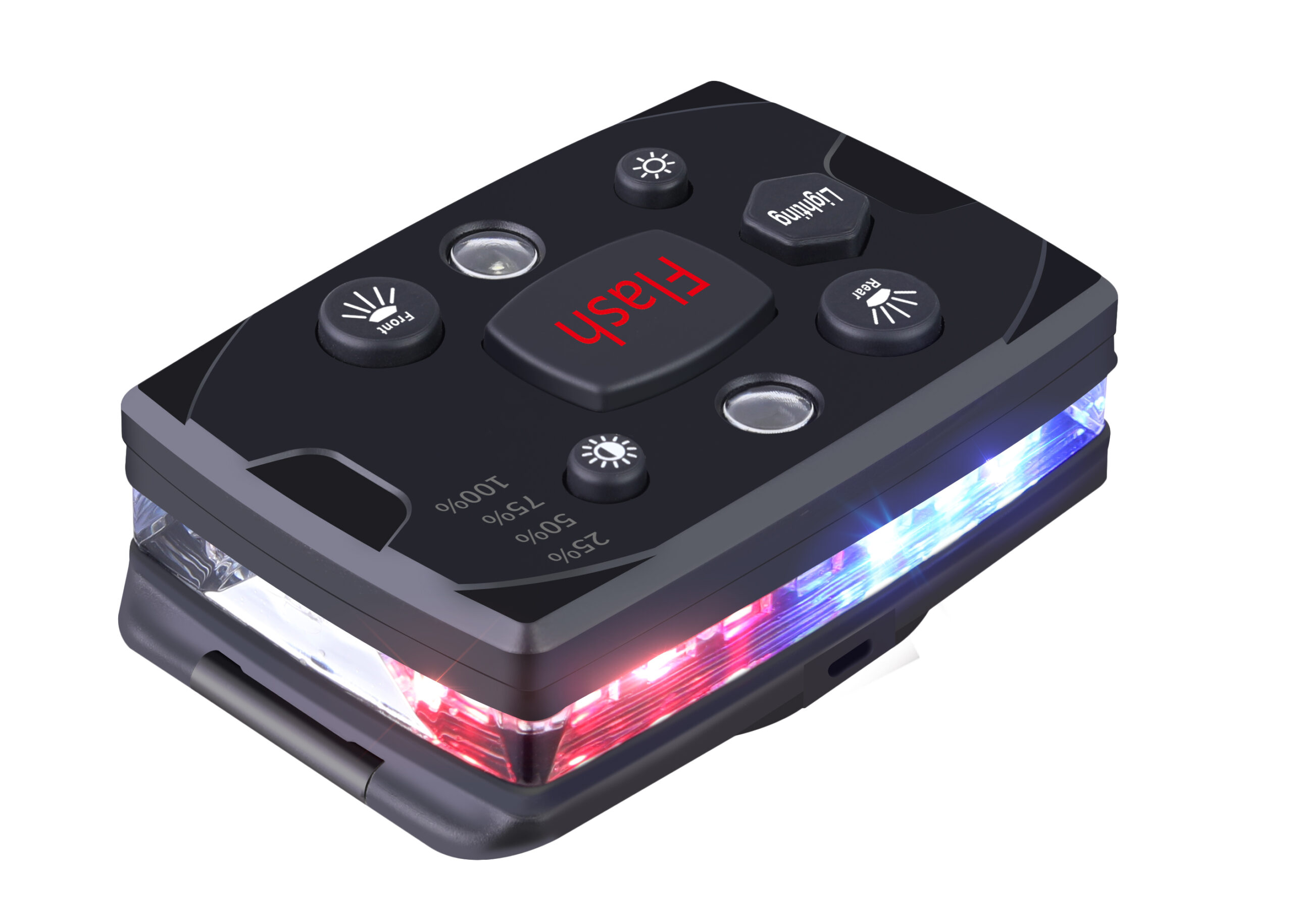
- Guardian ProX should be reviewed after deployment so teams can improve mount rules, charging routines, training, and replacement planning from real evidence.
Who This Guide Is For
This guide is for safety directors, procurement leaders, fleet managers, distributors, department supervisors, contractors, warehouses, municipalities, and multi-site organizations. It is written for after a pilot becomes daily equipment, after the first month, after a near miss, before reorder, before annual safety planning, or before expanding to more sites, when the question is no longer just which wearable safety light to buy, but whether the program is working in daily use.
The Post-Deployment Problem
The first deployment proves that wearable lights can be issued, but the harder work is keeping them ready, accepted, visible, documented, and worth reordering. The desired result is practical: The organization wants a repeatable improvement system instead of one more safety product that slowly loses discipline.
Review Template Fields
| Field | What to check | Why it matters |
|---|---|---|
| Program owner | Who owns the review and approves changes. | Name one person, not a department inbox. |
| User group | Which crew, site, shift, contractor group, or department is being reviewed. | Avoid mixing different risk profiles in one score. |
| Use condition | Where and when the light is expected to be used. | Tie the review to real low-light or vehicle-movement exposure. |
| Field behavior | Whether users wear the light correctly during actual work. | Observe the job, not only the storage shelf. |
| Readiness | Battery, charger, lens, mount, label, and spare availability. | The program fails if units are present but not ready. |
| Corrective action | What will change after a failed check or user complaint. | Assign owner, due date, and verification method. |
| Review cadence | First week, 30 days, incident, seasonal, reorder, and annual. | Keeps improvement from depending on memory. |
| Decision output | Keep, revise, retrain, replace, expand, or standardize. | Turns review into action. |
Useful KPIs for This Review
| Metric | What it measures | Decision value |
|---|---|---|
| Correct use rate | Observed users wearing the light in the approved place and mode. | Shows actual behavior. |
| Ready unit rate | Lights charged, clean, labeled, and physically usable before shift. | Shows whether inventory is dependable. |
| Failed check count | Dead battery, missing mount, damaged lens, wrong mode, or hidden placement. | Shows what must be fixed. |
| User friction theme | Repeated complaints about comfort, glare, controls, charging, or interference. | Shows adoption barriers. |
| Corrective actions closed | Actions completed and verified after a review. | Shows management follow-through. |
Step-by-Step Review Workflow
- Define the user group, work condition, and visibility problem being reviewed.
- Observe real field use before looking only at forms or inventory counts.
- Check readiness: charge, lens, housing, mount, label, spare parts, and charger location.
- Ask users what made the light easy, annoying, confusing, or useful during the last shift.
- Compare evidence with the written rule, training record, and supervisor audit checklist.
- Choose one corrective action owner, one due date, and one verification method.
- Schedule the next review so improvement does not depend on memory.
For wearable safety light program optimization roadmap, the first useful action is: Build one review calendar that includes first-week, 30-day, incident, seasonal, reorder, and annual checks.

Review Calendar
| Timing | What to review | Main purpose |
|---|---|---|
| First week | Check confusion, mount problems, charger placement, and user questions. | Fix launch friction quickly. |
| 30 days | Check adoption, supervisor behavior, recurring failures, and first KPI trend. | Confirm the program became habit. |
| After near miss | Check battery, visibility, mount, mode, environment, and supporting controls. | Learn from real exposure. |
| Seasonal change | Retest jackets, rainwear, gloves, winter PPE, and body movement. | Prevent hidden or unusable lights. |
| Reorder window | Check loss, damage, spare pool, replacement cycle, and budget logic. | Buy from evidence, not panic. |
| Annual review | Refresh policy, training, standards, supplier support, and next-year plan. | Keep the program current. |
Evidence to Keep
| Evidence | What it proves | How to use it |
|---|---|---|
| Field photo | Approved mount is visible with actual clothing and PPE. | Use in training and audits. |
| Usage observation | Users follow the rule during real tasks. | Shows adoption, not just ownership. |
| Charging record | Units return to a ready location after work. | Prevents dead devices. |
| Issue log | Failures are captured by type and root cause. | Supports corrective action. |
| Review decision | Keep, improve, retrain, replace, expand, or standardize. | Turns review into progress. |
Common Mistakes to Avoid
- Reviewing only inventory instead of watching whether people wear the light correctly.
- Counting a light as available even when the battery, mount, label, or charger routine is weak.
- Collecting user feedback but never assigning an owner to fix the friction.
- Using the same mount rule after jackets, rainwear, gloves, radios, body cameras, or PPE change.
- Treating near misses as isolated events instead of checking whether the program design contributed.
- Buying replacements without reviewing loss, damage, failure mode, usage evidence, and training gaps.
Internal Reading Path
Use these related guides to connect today’s review with deployment, training, audit evidence, procurement, maintenance, and continuous improvement.
- Wearable Safety Light Safety Program Roadmap
- Wearable Safety Light First-Week Rollout Review Checklist
- Wearable Safety Light 30-Day Adoption Review for Teams and Supervisors
- Wearable Safety Light KPI Dashboard: Usage, Readiness, Loss, Failures, and Near Misses
- Wearable Safety Light Corrective Action Log for Dead Batteries, Missing Mounts, and Wrong Modes
- Wearable Safety Light Multi-Site Standardization Guide for Fleets, Campuses, and Contractors
- Wearable Safety Light Annual Program Review Guide for Departments and Fleets
- Wearable Safety Light User Feedback Survey Guide for Field Teams
- Wearable Safety Light Lost Unit Prevention Guide for Shared Equipment Programs
- Wearable Safety Light Seasonal Gear Change Review: Jackets, Rainwear, Gloves, and Winter PPE
- Guardian ProX Wearable Safety Light

Implementation Checklist
- Pick one user group and one visibility problem for the review.
- Observe real field behavior before relying on inventory or purchase records.
- Check battery, lens, housing, mount, label, charger, and spare availability.
- Ask users what they changed, avoided, liked, or misunderstood during recent shifts.
- Record failed checks as process issues, not just user mistakes.
- Assign corrective actions with owner, due date, and verification evidence.
- Update the training, mount rule, charging station, reorder plan, or site standard when evidence shows a gap.

Review the Job, Not the Spreadsheet
The most reliable signal is whether a worker is actually more recognizable during the task that created the risk. This is especially important in after a pilot becomes daily equipment, after the first month, after a near miss, before reorder, before annual safety planning, or before expanding to more sites because The first deployment proves that wearable lights can be issued, but the harder work is keeping them ready, accepted, visible, documented, and worth reordering.
The practical goal is The organization wants a repeatable improvement system instead of one more safety product that slowly loses discipline. Guardian ProX should be treated as part of a work system: the device, mount, charging location, user behavior, supervision, and review cadence all have to fit together.
Protect User Trust
If the light feels awkward, glares into coworkers' eyes, snags on gear, or is hard to charge, users will quietly work around the rule. This is especially important in after a pilot becomes daily equipment, after the first month, after a near miss, before reorder, before annual safety planning, or before expanding to more sites because The first deployment proves that wearable lights can be issued, but the harder work is keeping them ready, accepted, visible, documented, and worth reordering.
The practical goal is The organization wants a repeatable improvement system instead of one more safety product that slowly loses discipline. Guardian ProX should be treated as part of a work system: the device, mount, charging location, user behavior, supervision, and review cadence all have to fit together.
Use Small Metrics That Change Decisions
A good metric should tell a supervisor what to do next, such as retrain, move a charger, add mounts, replace damaged units, or change the default mode. This is especially important in after a pilot becomes daily equipment, after the first month, after a near miss, before reorder, before annual safety planning, or before expanding to more sites because The first deployment proves that wearable lights can be issued, but the harder work is keeping them ready, accepted, visible, documented, and worth reordering.
The practical goal is The organization wants a repeatable improvement system instead of one more safety product that slowly loses discipline. Guardian ProX should be treated as part of a work system: the device, mount, charging location, user behavior, supervision, and review cadence all have to fit together.
Connect Procurement With Field Evidence
Replacement and expansion decisions become easier when purchasing sees usage, readiness, failure, and near-miss evidence. This is especially important in after a pilot becomes daily equipment, after the first month, after a near miss, before reorder, before annual safety planning, or before expanding to more sites because The first deployment proves that wearable lights can be issued, but the harder work is keeping them ready, accepted, visible, documented, and worth reordering.
The practical goal is The organization wants a repeatable improvement system instead of one more safety product that slowly loses discipline. Guardian ProX should be treated as part of a work system: the device, mount, charging location, user behavior, supervision, and review cadence all have to fit together.
Separate Local Variation From Drift
Some sites need different mounts or modes because the work is different. Other differences only create confusion and support cost. This is especially important in after a pilot becomes daily equipment, after the first month, after a near miss, before reorder, before annual safety planning, or before expanding to more sites because The first deployment proves that wearable lights can be issued, but the harder work is keeping them ready, accepted, visible, documented, and worth reordering.
The practical goal is The organization wants a repeatable improvement system instead of one more safety product that slowly loses discipline. Guardian ProX should be treated as part of a work system: the device, mount, charging location, user behavior, supervision, and review cadence all have to fit together.
Close the Loop After Every Review
A review is only useful when it names the owner, due date, evidence, and verification step for the next improvement. This is especially important in after a pilot becomes daily equipment, after the first month, after a near miss, before reorder, before annual safety planning, or before expanding to more sites because The first deployment proves that wearable lights can be issued, but the harder work is keeping them ready, accepted, visible, documented, and worth reordering.
The practical goal is The organization wants a repeatable improvement system instead of one more safety product that slowly loses discipline. Guardian ProX should be treated as part of a work system: the device, mount, charging location, user behavior, supervision, and review cadence all have to fit together.
Review the Job, Not the Spreadsheet
The most reliable signal is whether a worker is actually more recognizable during the task that created the risk. This is especially important in after a pilot becomes daily equipment, after the first month, after a near miss, before reorder, before annual safety planning, or before expanding to more sites because The first deployment proves that wearable lights can be issued, but the harder work is keeping them ready, accepted, visible, documented, and worth reordering.
The practical goal is The organization wants a repeatable improvement system instead of one more safety product that slowly loses discipline. Guardian ProX should be treated as part of a work system: the device, mount, charging location, user behavior, supervision, and review cadence all have to fit together.
Protect User Trust
If the light feels awkward, glares into coworkers' eyes, snags on gear, or is hard to charge, users will quietly work around the rule. This is especially important in after a pilot becomes daily equipment, after the first month, after a near miss, before reorder, before annual safety planning, or before expanding to more sites because The first deployment proves that wearable lights can be issued, but the harder work is keeping them ready, accepted, visible, documented, and worth reordering.
The practical goal is The organization wants a repeatable improvement system instead of one more safety product that slowly loses discipline. Guardian ProX should be treated as part of a work system: the device, mount, charging location, user behavior, supervision, and review cadence all have to fit together.
Use Small Metrics That Change Decisions
A good metric should tell a supervisor what to do next, such as retrain, move a charger, add mounts, replace damaged units, or change the default mode. This is especially important in after a pilot becomes daily equipment, after the first month, after a near miss, before reorder, before annual safety planning, or before expanding to more sites because The first deployment proves that wearable lights can be issued, but the harder work is keeping them ready, accepted, visible, documented, and worth reordering.
The practical goal is The organization wants a repeatable improvement system instead of one more safety product that slowly loses discipline. Guardian ProX should be treated as part of a work system: the device, mount, charging location, user behavior, supervision, and review cadence all have to fit together.
Connect Procurement With Field Evidence
Replacement and expansion decisions become easier when purchasing sees usage, readiness, failure, and near-miss evidence. This is especially important in after a pilot becomes daily equipment, after the first month, after a near miss, before reorder, before annual safety planning, or before expanding to more sites because The first deployment proves that wearable lights can be issued, but the harder work is keeping them ready, accepted, visible, documented, and worth reordering.
The practical goal is The organization wants a repeatable improvement system instead of one more safety product that slowly loses discipline. Guardian ProX should be treated as part of a work system: the device, mount, charging location, user behavior, supervision, and review cadence all have to fit together.
Separate Local Variation From Drift
Some sites need different mounts or modes because the work is different. Other differences only create confusion and support cost. This is especially important in after a pilot becomes daily equipment, after the first month, after a near miss, before reorder, before annual safety planning, or before expanding to more sites because The first deployment proves that wearable lights can be issued, but the harder work is keeping them ready, accepted, visible, documented, and worth reordering.
The practical goal is The organization wants a repeatable improvement system instead of one more safety product that slowly loses discipline. Guardian ProX should be treated as part of a work system: the device, mount, charging location, user behavior, supervision, and review cadence all have to fit together.
Close the Loop After Every Review
A review is only useful when it names the owner, due date, evidence, and verification step for the next improvement. This is especially important in after a pilot becomes daily equipment, after the first month, after a near miss, before reorder, before annual safety planning, or before expanding to more sites because The first deployment proves that wearable lights can be issued, but the harder work is keeping them ready, accepted, visible, documented, and worth reordering.
The practical goal is The organization wants a repeatable improvement system instead of one more safety product that slowly loses discipline. Guardian ProX should be treated as part of a work system: the device, mount, charging location, user behavior, supervision, and review cadence all have to fit together.
Review the Job, Not the Spreadsheet
The most reliable signal is whether a worker is actually more recognizable during the task that created the risk. This is especially important in after a pilot becomes daily equipment, after the first month, after a near miss, before reorder, before annual safety planning, or before expanding to more sites because The first deployment proves that wearable lights can be issued, but the harder work is keeping them ready, accepted, visible, documented, and worth reordering.
The practical goal is The organization wants a repeatable improvement system instead of one more safety product that slowly loses discipline. Guardian ProX should be treated as part of a work system: the device, mount, charging location, user behavior, supervision, and review cadence all have to fit together.
Protect User Trust
If the light feels awkward, glares into coworkers' eyes, snags on gear, or is hard to charge, users will quietly work around the rule. This is especially important in after a pilot becomes daily equipment, after the first month, after a near miss, before reorder, before annual safety planning, or before expanding to more sites because The first deployment proves that wearable lights can be issued, but the harder work is keeping them ready, accepted, visible, documented, and worth reordering.
The practical goal is The organization wants a repeatable improvement system instead of one more safety product that slowly loses discipline. Guardian ProX should be treated as part of a work system: the device, mount, charging location, user behavior, supervision, and review cadence all have to fit together.
Use Small Metrics That Change Decisions
A good metric should tell a supervisor what to do next, such as retrain, move a charger, add mounts, replace damaged units, or change the default mode. This is especially important in after a pilot becomes daily equipment, after the first month, after a near miss, before reorder, before annual safety planning, or before expanding to more sites because The first deployment proves that wearable lights can be issued, but the harder work is keeping them ready, accepted, visible, documented, and worth reordering.
The practical goal is The organization wants a repeatable improvement system instead of one more safety product that slowly loses discipline. Guardian ProX should be treated as part of a work system: the device, mount, charging location, user behavior, supervision, and review cadence all have to fit together.
Connect Procurement With Field Evidence
Replacement and expansion decisions become easier when purchasing sees usage, readiness, failure, and near-miss evidence. This is especially important in after a pilot becomes daily equipment, after the first month, after a near miss, before reorder, before annual safety planning, or before expanding to more sites because The first deployment proves that wearable lights can be issued, but the harder work is keeping them ready, accepted, visible, documented, and worth reordering.
The practical goal is The organization wants a repeatable improvement system instead of one more safety product that slowly loses discipline. Guardian ProX should be treated as part of a work system: the device, mount, charging location, user behavior, supervision, and review cadence all have to fit together.
Separate Local Variation From Drift
Some sites need different mounts or modes because the work is different. Other differences only create confusion and support cost. This is especially important in after a pilot becomes daily equipment, after the first month, after a near miss, before reorder, before annual safety planning, or before expanding to more sites because The first deployment proves that wearable lights can be issued, but the harder work is keeping them ready, accepted, visible, documented, and worth reordering.
The practical goal is The organization wants a repeatable improvement system instead of one more safety product that slowly loses discipline. Guardian ProX should be treated as part of a work system: the device, mount, charging location, user behavior, supervision, and review cadence all have to fit together.
Close the Loop After Every Review
A review is only useful when it names the owner, due date, evidence, and verification step for the next improvement. This is especially important in after a pilot becomes daily equipment, after the first month, after a near miss, before reorder, before annual safety planning, or before expanding to more sites because The first deployment proves that wearable lights can be issued, but the harder work is keeping them ready, accepted, visible, documented, and worth reordering.
The practical goal is The organization wants a repeatable improvement system instead of one more safety product that slowly loses discipline. Guardian ProX should be treated as part of a work system: the device, mount, charging location, user behavior, supervision, and review cadence all have to fit together.
Review the Job, Not the Spreadsheet
The most reliable signal is whether a worker is actually more recognizable during the task that created the risk. This is especially important in after a pilot becomes daily equipment, after the first month, after a near miss, before reorder, before annual safety planning, or before expanding to more sites because The first deployment proves that wearable lights can be issued, but the harder work is keeping them ready, accepted, visible, documented, and worth reordering.
The practical goal is The organization wants a repeatable improvement system instead of one more safety product that slowly loses discipline. Guardian ProX should be treated as part of a work system: the device, mount, charging location, user behavior, supervision, and review cadence all have to fit together.
FAQ
What is wearable safety light program optimization roadmap: improve after the first deployment?
It is a structured review guide for checking whether a wearable safety light program is still solving the real field problem after deployment, especially post-deployment improvement, evidence review, KPI tracking, user adoption, corrective action, and yearly standard updates.
How often should teams review a wearable safety light program?
Review after the first week, after 30 days, after any visibility-related near miss, when PPE or seasonal clothing changes, and at least once a year for mature programs.
What should the supervisor do first?
Build one review calendar that includes first-week, 30-day, incident, seasonal, reorder, and annual checks.
What evidence should be kept?
Keep usage records, charging checks, damaged or missing unit logs, user feedback, corrective actions, field photos, training records, and the next review date.
How does Guardian ProX fit into this review?
Guardian ProX can be used as the reference wearable safety light while teams check mount stability, brightness mode, charging discipline, user acceptance, replacement planning, and supervisor audit results.
Recommended Next Step
If this review reveals a practical visibility gap, test Guardian ProX wearable safety light with one real user group and document the result. Confirm the mount, mode, charging routine, supervisor evidence, user feedback, and corrective action before expanding the program.
New Wearable Safety Light Field Operation Guides
These guides cover specialized field scenarios for farms, film crews, campgrounds, parks, cemetery crews, animal control, parking enforcement, crosswalk maintenance, disaster cleanup, and outdoor facilities.
- Farm Equipment Operator Wearable Safety Light Guide for Dawn, Dusk, and Yard Movement
- Film Crew Wearable Safety Light Guide for Night Shoots, Parking, and Set Movement
- Campground Staff Wearable Safety Light Guide for Night Check-In, Roads, and Guest Support
- Park Maintenance Wearable Safety Light Guide for Dawn Routes, Trails, and Vehicle Paths
- Cemetery Grounds Crew Wearable Safety Light Guide for Dawn, Dusk, and Quiet Vehicle Movement
- Animal Control Officer Wearable Safety Light Guide for Night Calls, Roadsides, and Property Visits
- Parking Enforcement Wearable Safety Light Guide for Streets, Lots, and Night Patrols
- Crosswalk Maintenance Crew Wearable Safety Light Guide for Signs, Signals, and Roadside Repairs
- Disaster Cleanup Crew Wearable Safety Light Guide for Storm Debris, Power Outages, and Traffic Support
- Outdoor Facility Staff Wearable Safety Light Guide for Stadiums, Parks, Resorts, and Large Venues
New Wearable Safety Light Management Policy Guides
These guides help teams write practical rules for wearable safety light modes, night-shift use, procurement approval, insurance evidence, employee objections, department standards, supervisor coaching, pre-purchase risk assessment, return cleaning, and management policy systems.
- Wearable Safety Light Mode Policy: Steady, Flashing, Dim, and High-Visibility Rules
- Wearable Safety Light Night Shift Policy for Crews, Supervisors, and Shared Work Areas
- Wearable Safety Light Procurement Approval Questions for Safety Managers and Buyers
- Wearable Safety Light Insurance and Risk Evidence Guide for Incident Prevention Programs
- Wearable Safety Light Employee Objection Handling Guide: Comfort, Glare, Privacy, and Habit
- Wearable Safety Light Department Standard: How to Write One Rule for Mount, Mode, Charging, and Review
- Wearable Safety Light Supervisor Coaching Script for Correct Use Without Blame
- Wearable Safety Light Pre-Purchase Risk Assessment: Decide Where Active Visibility Is Needed
- Wearable Safety Light Return and Cleaning Policy for Shared Units, Visitors, and Multi-Shift Teams
- Wearable Safety Light Management Policy Hub: Rules, Evidence, Training, and Continuous Improvement
New Wearable Safety Light After-Sales Operations Guides
These guides help distributors, safety teams, and fleet buyers manage after-sales support, customer success, onboarding, inventory, spare parts, training refresh, support tickets, knowledge base content, and reorder triggers.
- Wearable Safety Light After-Sales Support Guide for Distributors, Departments, and Fleet Buyers
- Wearable Safety Light Customer Success Plan: Onboarding, Adoption, Support, and Reorders
- Wearable Safety Light Onboarding Checklist for New Teams, New Sites, and New Supervisors
- Wearable Safety Light Inventory Control Guide for Shared Units, Spares, Chargers, and Labels
- Wearable Safety Light Spare Parts Planning Guide for Mounts, Chargers, Labels, and Replacement Units
- Wearable Safety Light Training Refresh Program for Seasonal Crews, Turnover, and New Work Conditions
- Wearable Safety Light Support Ticket Workflow: Track Failures, Claims, Lost Units, and User Questions
- Wearable Safety Light Knowledge Base Guide: FAQs, Troubleshooting, Policies, and Field Evidence
- Wearable Safety Light Reorder Trigger System: Usage, Loss, Damage, Expansion, and Budget Timing
- Wearable Safety Light After-Sales Operations Hub: Support, Inventory, Training, Tickets, and Reorders