
Quick Answer
A management policy hub should connect the visibility risk, approved users, mode rules, night-shift triggers, procurement evidence, risk records, employee objections, supervisor coaching, return cleaning, KPIs, and review cadence.
Definition
wearable safety light management policy hub: A wearable safety light management policy hub is a central guide that connects mode rules, night-shift use, procurement approval, risk evidence, employee adoption, department standards, coaching, risk assessment, return cleaning, and continuous improvement.
Key Takeaways
- A management policy hub should connect the visibility risk, approved users, mode rules, night-shift triggers, procurement evidence, risk records, employee objections, supervisor coaching, return cleaning, KPIs, and review cadence.
- A good policy tells users when to wear the light, where to mount it, which mode to use, how to return it, and who checks it.
- The policy should support PPE, traffic control, training, and supervision rather than replace them.
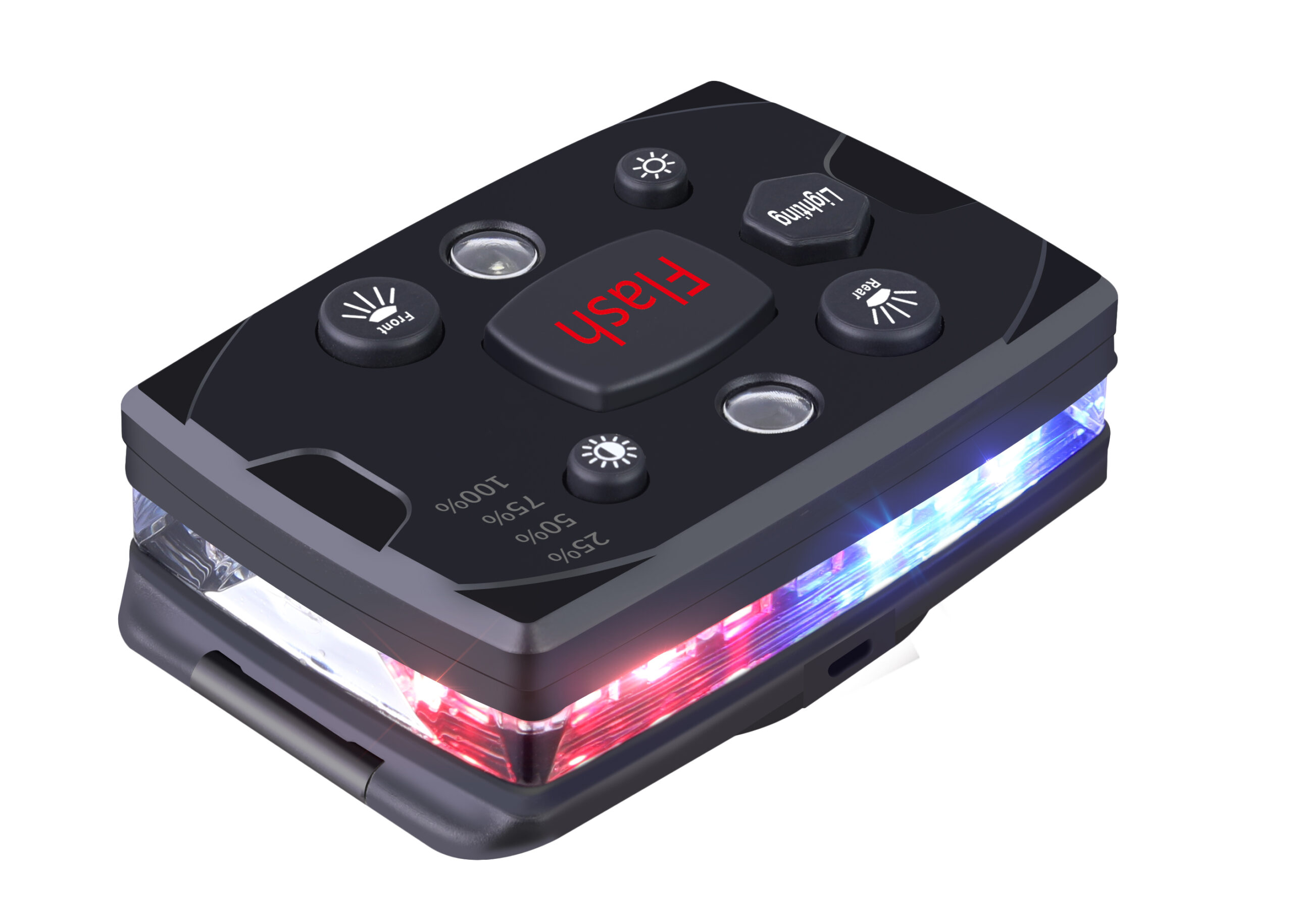
- Guardian ProX should be tested with real clothing, routes, user feedback, and supervisor evidence before a rule is scaled.
Who This Guide Is For
This guide is for safety directors, department leaders, procurement managers, distributors, public agencies, contractors, warehouses, campuses, and multi-site program owners. It is written for teams that already understand the value of active visibility but need a stronger management rule for turning wearable safety light deployment into a complete management system.
The Management Problem
A team can own good lights but still fail because rules, evidence, training, charging, coaching, risk assessment, and review live in separate places or are not written at all. The goal is practical: The organization wants one management system that makes active visibility repeatable, auditable, and easier to improve.
Policy Template Fields
| Field | What to define | How to verify it |
|---|---|---|
| Purpose | The field problem the rule is meant to reduce. | Connect the policy to real work, not to product ownership. |
| Covered users | Employees, supervisors, contractors, visitors, or shared-equipment users. | Avoid vague all-staff language when risk is role-specific. |
| Required condition | When the light is required, optional, adjusted, or not appropriate. | Make the trigger observable. |
| Approved setup | Mount location, default mode, color, brightness, and charging return. | Photograph the approved setup. |
| Supervisor check | How leaders verify correct use in the field. | Observe behavior, not only paperwork. |
| Evidence | What record proves the rule was used and reviewed. | Keep photos, logs, briefings, and corrective actions. |
| Policy map | Which document owns each part of the program. | Prevents scattered rules. |
| Improvement loop | How audits, feedback, incidents, and KPIs change the rule. | Keeps the system useful. |

Decision Workflow
| Step | Action | Pass standard |
|---|---|---|
| Write | Document the rule in plain language. | A user can explain it without a long meeting. |
| Demonstrate | Show the approved setup with actual gear. | The mount and mode are visible in real work. |
| Verify | Observe real field use. | The rule changes behavior, not just paperwork. |
| Record | Save photos, logs, feedback, and corrective actions. | The program is auditable. |
| Improve | Update the rule after evidence shows friction or failure. | The policy stays useful. |
How to Build the Rule
- Start with the field problem and the user group, not the product feature list.
- Define when the light is required, optional, adjusted, or restricted.
- Test the mount, mode, brightness, and charging routine with actual clothing and work gear.
- Train users with the approved setup and explain the reason in plain language.
- Observe real use and record issues without turning every issue into blame.
- Update the rule after first-week feedback, 30-day adoption review, incidents, or seasonal changes.

Evidence to Keep
| Evidence | What it proves | How to use it |
|---|---|---|
| Risk reason | Why active visibility is needed. | Supports approval and training. |
| Approved setup photo | Where Guardian ProX or another light is worn. | Creates a repeatable standard. |
| Training record | Who learned the rule. | Supports accountability. |
| Field observation | Whether users follow the rule. | Shows adoption. |
| Corrective action | What changed after a failed check. | Closes the loop. |
Common Mistakes to Avoid
- Writing a policy that sounds official but does not tell users what to do during a real shift.
- Letting every supervisor choose different mount, mode, charging, or evidence rules.
- Ignoring glare, color restrictions, signal confusion, privacy concerns, and employee comfort.
- Keeping no photos or field notes that prove the approved setup was tested.
- Treating repeated dead batteries, missing mounts, and non-use as individual mistakes instead of process failures.
- Failing to review the rule after first week use, 30-day adoption, incidents, seasonal gear changes, or annual planning.
Internal Reading Path
Use these related guides to connect this management topic with procurement, training, compliance evidence, supervisor audits, user adoption, and continuous improvement.
- Wearable Safety Light Safety Program Roadmap
- Wearable Safety Light Program Optimization Roadmap
- Wearable Safety Light Department Standard: How to Write One Rule for Mount, Mode, Charging, and Review
- Wearable Safety Light Mode Policy: Steady, Flashing, Dim, and High-Visibility Rules
- Wearable Safety Light Night Shift Policy for Crews, Supervisors, and Shared Work Areas
- Wearable Safety Light Insurance and Risk Evidence Guide for Incident Prevention Programs
- Wearable Safety Light Procurement Approval Questions for Safety Managers and Buyers
- Wearable Safety Light Employee Objection Handling Guide: Comfort, Glare, Privacy, and Habit
- Wearable Safety Light Supervisor Coaching Script for Correct Use Without Blame
- Wearable Safety Light Pre-Purchase Risk Assessment: Decide Where Active Visibility Is Needed
- Wearable Safety Light Return and Cleaning Policy for Shared Units, Visitors, and Multi-Shift Teams

Implementation Checklist
- Name the policy owner and covered user group.
- Write one short rule for mount, mode, charging, inspection, and return.
- Photograph the approved setup with actual clothing and equipment.
- Keep the training, audit, issue, and corrective action records in one folder.
- Ask users what makes the rule difficult before assuming non-compliance is attitude.
- Review the rule after the first week, after 30 days, after incidents, and before reorders.

Make the Rule Easy to Repeat
A strong rule uses plain language, named owners, and observable triggers. If the rule depends on interpretation, different shifts will create different habits. This matters for turning wearable safety light deployment into a complete management system because A team can own good lights but still fail because rules, evidence, training, charging, coaching, risk assessment, and review live in separate places or are not written at all.
The practical result should be: The organization wants one management system that makes active visibility repeatable, auditable, and easier to improve. A wearable safety light policy is strongest when it helps supervisors make the right action obvious during ordinary work.
Connect Policy With Field Evidence
The best policy is built from actual routes, gear, weather, vehicles, user feedback, and supervisor observations rather than assumptions made at a desk. This matters for turning wearable safety light deployment into a complete management system because A team can own good lights but still fail because rules, evidence, training, charging, coaching, risk assessment, and review live in separate places or are not written at all.
The practical result should be: The organization wants one management system that makes active visibility repeatable, auditable, and easier to improve. A wearable safety light policy is strongest when it helps supervisors make the right action obvious during ordinary work.
Protect Adoption
People keep using safety equipment when the purpose is clear and the device does not create avoidable friction such as glare, snagging, discomfort, confusion, or charging hassle. This matters for turning wearable safety light deployment into a complete management system because A team can own good lights but still fail because rules, evidence, training, charging, coaching, risk assessment, and review live in separate places or are not written at all.
The practical result should be: The organization wants one management system that makes active visibility repeatable, auditable, and easier to improve. A wearable safety light policy is strongest when it helps supervisors make the right action obvious during ordinary work.
Separate the Device From the Program
Guardian ProX can be the reference light, but the program also needs mount rules, charging flow, inspection, training, corrective action, and review. This matters for turning wearable safety light deployment into a complete management system because A team can own good lights but still fail because rules, evidence, training, charging, coaching, risk assessment, and review live in separate places or are not written at all.
The practical result should be: The organization wants one management system that makes active visibility repeatable, auditable, and easier to improve. A wearable safety light policy is strongest when it helps supervisors make the right action obvious during ordinary work.
Use Reviews to Improve the Standard
A first-week issue, 30-day adoption gap, near miss, or failed inspection should update the process before the same problem repeats. This matters for turning wearable safety light deployment into a complete management system because A team can own good lights but still fail because rules, evidence, training, charging, coaching, risk assessment, and review live in separate places or are not written at all.
The practical result should be: The organization wants one management system that makes active visibility repeatable, auditable, and easier to improve. A wearable safety light policy is strongest when it helps supervisors make the right action obvious during ordinary work.
Make Procurement Defensible
Approval is easier when the buyer can show the visibility gap, test evidence, user group, cost logic, risk record, and rollout plan. This matters for turning wearable safety light deployment into a complete management system because A team can own good lights but still fail because rules, evidence, training, charging, coaching, risk assessment, and review live in separate places or are not written at all.
The practical result should be: The organization wants one management system that makes active visibility repeatable, auditable, and easier to improve. A wearable safety light policy is strongest when it helps supervisors make the right action obvious during ordinary work.
Make the Rule Easy to Repeat
A strong rule uses plain language, named owners, and observable triggers. If the rule depends on interpretation, different shifts will create different habits. This matters for turning wearable safety light deployment into a complete management system because A team can own good lights but still fail because rules, evidence, training, charging, coaching, risk assessment, and review live in separate places or are not written at all.
The practical result should be: The organization wants one management system that makes active visibility repeatable, auditable, and easier to improve. A wearable safety light policy is strongest when it helps supervisors make the right action obvious during ordinary work.
Connect Policy With Field Evidence
The best policy is built from actual routes, gear, weather, vehicles, user feedback, and supervisor observations rather than assumptions made at a desk. This matters for turning wearable safety light deployment into a complete management system because A team can own good lights but still fail because rules, evidence, training, charging, coaching, risk assessment, and review live in separate places or are not written at all.
The practical result should be: The organization wants one management system that makes active visibility repeatable, auditable, and easier to improve. A wearable safety light policy is strongest when it helps supervisors make the right action obvious during ordinary work.
Protect Adoption
People keep using safety equipment when the purpose is clear and the device does not create avoidable friction such as glare, snagging, discomfort, confusion, or charging hassle. This matters for turning wearable safety light deployment into a complete management system because A team can own good lights but still fail because rules, evidence, training, charging, coaching, risk assessment, and review live in separate places or are not written at all.
The practical result should be: The organization wants one management system that makes active visibility repeatable, auditable, and easier to improve. A wearable safety light policy is strongest when it helps supervisors make the right action obvious during ordinary work.
Separate the Device From the Program
Guardian ProX can be the reference light, but the program also needs mount rules, charging flow, inspection, training, corrective action, and review. This matters for turning wearable safety light deployment into a complete management system because A team can own good lights but still fail because rules, evidence, training, charging, coaching, risk assessment, and review live in separate places or are not written at all.
The practical result should be: The organization wants one management system that makes active visibility repeatable, auditable, and easier to improve. A wearable safety light policy is strongest when it helps supervisors make the right action obvious during ordinary work.
Use Reviews to Improve the Standard
A first-week issue, 30-day adoption gap, near miss, or failed inspection should update the process before the same problem repeats. This matters for turning wearable safety light deployment into a complete management system because A team can own good lights but still fail because rules, evidence, training, charging, coaching, risk assessment, and review live in separate places or are not written at all.
The practical result should be: The organization wants one management system that makes active visibility repeatable, auditable, and easier to improve. A wearable safety light policy is strongest when it helps supervisors make the right action obvious during ordinary work.
Make Procurement Defensible
Approval is easier when the buyer can show the visibility gap, test evidence, user group, cost logic, risk record, and rollout plan. This matters for turning wearable safety light deployment into a complete management system because A team can own good lights but still fail because rules, evidence, training, charging, coaching, risk assessment, and review live in separate places or are not written at all.
The practical result should be: The organization wants one management system that makes active visibility repeatable, auditable, and easier to improve. A wearable safety light policy is strongest when it helps supervisors make the right action obvious during ordinary work.
Make the Rule Easy to Repeat
A strong rule uses plain language, named owners, and observable triggers. If the rule depends on interpretation, different shifts will create different habits. This matters for turning wearable safety light deployment into a complete management system because A team can own good lights but still fail because rules, evidence, training, charging, coaching, risk assessment, and review live in separate places or are not written at all.
The practical result should be: The organization wants one management system that makes active visibility repeatable, auditable, and easier to improve. A wearable safety light policy is strongest when it helps supervisors make the right action obvious during ordinary work.
Connect Policy With Field Evidence
The best policy is built from actual routes, gear, weather, vehicles, user feedback, and supervisor observations rather than assumptions made at a desk. This matters for turning wearable safety light deployment into a complete management system because A team can own good lights but still fail because rules, evidence, training, charging, coaching, risk assessment, and review live in separate places or are not written at all.
The practical result should be: The organization wants one management system that makes active visibility repeatable, auditable, and easier to improve. A wearable safety light policy is strongest when it helps supervisors make the right action obvious during ordinary work.
Protect Adoption
People keep using safety equipment when the purpose is clear and the device does not create avoidable friction such as glare, snagging, discomfort, confusion, or charging hassle. This matters for turning wearable safety light deployment into a complete management system because A team can own good lights but still fail because rules, evidence, training, charging, coaching, risk assessment, and review live in separate places or are not written at all.
The practical result should be: The organization wants one management system that makes active visibility repeatable, auditable, and easier to improve. A wearable safety light policy is strongest when it helps supervisors make the right action obvious during ordinary work.
Separate the Device From the Program
Guardian ProX can be the reference light, but the program also needs mount rules, charging flow, inspection, training, corrective action, and review. This matters for turning wearable safety light deployment into a complete management system because A team can own good lights but still fail because rules, evidence, training, charging, coaching, risk assessment, and review live in separate places or are not written at all.
The practical result should be: The organization wants one management system that makes active visibility repeatable, auditable, and easier to improve. A wearable safety light policy is strongest when it helps supervisors make the right action obvious during ordinary work.
Use Reviews to Improve the Standard
A first-week issue, 30-day adoption gap, near miss, or failed inspection should update the process before the same problem repeats. This matters for turning wearable safety light deployment into a complete management system because A team can own good lights but still fail because rules, evidence, training, charging, coaching, risk assessment, and review live in separate places or are not written at all.
The practical result should be: The organization wants one management system that makes active visibility repeatable, auditable, and easier to improve. A wearable safety light policy is strongest when it helps supervisors make the right action obvious during ordinary work.
Make Procurement Defensible
Approval is easier when the buyer can show the visibility gap, test evidence, user group, cost logic, risk record, and rollout plan. This matters for turning wearable safety light deployment into a complete management system because A team can own good lights but still fail because rules, evidence, training, charging, coaching, risk assessment, and review live in separate places or are not written at all.
The practical result should be: The organization wants one management system that makes active visibility repeatable, auditable, and easier to improve. A wearable safety light policy is strongest when it helps supervisors make the right action obvious during ordinary work.
Make the Rule Easy to Repeat
A strong rule uses plain language, named owners, and observable triggers. If the rule depends on interpretation, different shifts will create different habits. This matters for turning wearable safety light deployment into a complete management system because A team can own good lights but still fail because rules, evidence, training, charging, coaching, risk assessment, and review live in separate places or are not written at all.
The practical result should be: The organization wants one management system that makes active visibility repeatable, auditable, and easier to improve. A wearable safety light policy is strongest when it helps supervisors make the right action obvious during ordinary work.
Connect Policy With Field Evidence
The best policy is built from actual routes, gear, weather, vehicles, user feedback, and supervisor observations rather than assumptions made at a desk. This matters for turning wearable safety light deployment into a complete management system because A team can own good lights but still fail because rules, evidence, training, charging, coaching, risk assessment, and review live in separate places or are not written at all.
The practical result should be: The organization wants one management system that makes active visibility repeatable, auditable, and easier to improve. A wearable safety light policy is strongest when it helps supervisors make the right action obvious during ordinary work.
Protect Adoption
People keep using safety equipment when the purpose is clear and the device does not create avoidable friction such as glare, snagging, discomfort, confusion, or charging hassle. This matters for turning wearable safety light deployment into a complete management system because A team can own good lights but still fail because rules, evidence, training, charging, coaching, risk assessment, and review live in separate places or are not written at all.
The practical result should be: The organization wants one management system that makes active visibility repeatable, auditable, and easier to improve. A wearable safety light policy is strongest when it helps supervisors make the right action obvious during ordinary work.
Separate the Device From the Program
Guardian ProX can be the reference light, but the program also needs mount rules, charging flow, inspection, training, corrective action, and review. This matters for turning wearable safety light deployment into a complete management system because A team can own good lights but still fail because rules, evidence, training, charging, coaching, risk assessment, and review live in separate places or are not written at all.
The practical result should be: The organization wants one management system that makes active visibility repeatable, auditable, and easier to improve. A wearable safety light policy is strongest when it helps supervisors make the right action obvious during ordinary work.
Use Reviews to Improve the Standard
A first-week issue, 30-day adoption gap, near miss, or failed inspection should update the process before the same problem repeats. This matters for turning wearable safety light deployment into a complete management system because A team can own good lights but still fail because rules, evidence, training, charging, coaching, risk assessment, and review live in separate places or are not written at all.
The practical result should be: The organization wants one management system that makes active visibility repeatable, auditable, and easier to improve. A wearable safety light policy is strongest when it helps supervisors make the right action obvious during ordinary work.
Make Procurement Defensible
Approval is easier when the buyer can show the visibility gap, test evidence, user group, cost logic, risk record, and rollout plan. This matters for turning wearable safety light deployment into a complete management system because A team can own good lights but still fail because rules, evidence, training, charging, coaching, risk assessment, and review live in separate places or are not written at all.
The practical result should be: The organization wants one management system that makes active visibility repeatable, auditable, and easier to improve. A wearable safety light policy is strongest when it helps supervisors make the right action obvious during ordinary work.
FAQ
What is wearable safety light management policy hub: rules, evidence, training, and continuous improvement?
It is a management guide for turning wearable safety light use into a clear rule, evidence process, or decision framework focused on turning wearable safety light deployment into a complete management system.
Who should own the rule?
A supervisor, safety manager, department lead, or program owner should own the rule. Shared ownership usually fails unless one person is named for review and correction.
What should the team do first?
Build one page or folder that links every wearable safety light rule, checklist, evidence record, and review schedule.
Does this replace PPE or formal safety controls?
No. A wearable safety light supplements PPE, work-zone controls, training, supervision, traffic control, and local requirements.
How can Guardian ProX support the policy?
Guardian ProX can be used as the reference device while the team tests mount placement, mode choice, charging, user acceptance, records, and corrective actions before scaling the rule.
Recommended Next Step
If your team is writing or improving a wearable safety light rule, test Guardian ProX wearable safety light with one real user group first. Confirm the mount, mode, charging routine, supervisor check, user feedback, and evidence record before expanding the policy.
New Wearable Safety Light Technical Verification Guides
These guides help buyers verify wearable safety light temperature performance, compliance wording, brightness specifications, visible-distance evidence, sample acceptance, datasheets, batch traceability, packaging labels, charging cable standards, and technical approval records.
- Wearable Safety Light Temperature Testing Guide for Heat, Cold, Storage, and Field Use
- Wearable Safety Light ANSI and OSHA Compliance Guide: What Buyers Should and Should Not Claim
- Wearable Safety Light Lumens vs Candela Guide: What Visibility Buyers Should Ask Suppliers
- Wearable Safety Light Visible Distance Evidence Guide for Photos, Video, and Field Test Reports
- Wearable Safety Light Sample Acceptance Checklist Before Bulk Orders
- Wearable Safety Light Datasheet Checklist: Specs Buyers Should Request Before Approval
- Wearable Safety Light Batch Traceability Guide for Labels, QC Records, and Warranty Support
- Wearable Safety Light Packaging and Label Checklist for Bulk Buyers and Distributors
- Wearable Safety Light Charging Cable Standard: USB-C, Multi-Unit Storage, and Replacement Control
- Wearable Safety Light Technical Verification Hub: Specs, Tests, Evidence, and Supplier Questions
New Wearable Safety Light Buyer Conversion Guides
These guides help buyers and distributors move from interest to approval with ROI calculators, pilot reports, business cases, tender specifications, bid matrices, objection responses, case studies, sales kits, and quote comparison worksheets.
- Wearable Safety Light ROI Calculator Guide: Cost, Loss, Readiness, and Risk Reduction Evidence
- Wearable Safety Light Pilot Report Presentation Guide for Safety Committees and Buyers
- Wearable Safety Light Business Case Guide for Managers: Why Active Visibility Is Worth Funding
- Wearable Safety Light Tender Specification Guide for Public Agencies, Contractors, and Fleets
- Wearable Safety Light Bid Evaluation Matrix: Score Price, Specs, Samples, and Supplier Support
- Wearable Safety Light Buyer Objection Response Guide: Price, Adoption, Battery, and Proof
- Wearable Safety Light Case Study Template for Before-and-After Visibility Evidence
- Wearable Safety Light Sales Enablement Kit: Photos, Tests, FAQs, Spec Sheets, and Trial Tools
- Wearable Safety Light Quote Comparison Worksheet for Kits, Freight, MOQ, Lead Time, and Support
- Wearable Safety Light Buyer Conversion Hub: ROI, Pilot Reports, Tenders, Objections, and Case Studies
New Wearable Safety Light After-Sales Operations Guides
These guides help distributors, safety teams, and fleet buyers manage after-sales support, customer success, onboarding, inventory, spare parts, training refresh, support tickets, knowledge base content, and reorder triggers.
- Wearable Safety Light After-Sales Support Guide for Distributors, Departments, and Fleet Buyers
- Wearable Safety Light Customer Success Plan: Onboarding, Adoption, Support, and Reorders
- Wearable Safety Light Onboarding Checklist for New Teams, New Sites, and New Supervisors
- Wearable Safety Light Inventory Control Guide for Shared Units, Spares, Chargers, and Labels
- Wearable Safety Light Spare Parts Planning Guide for Mounts, Chargers, Labels, and Replacement Units
- Wearable Safety Light Training Refresh Program for Seasonal Crews, Turnover, and New Work Conditions
- Wearable Safety Light Support Ticket Workflow: Track Failures, Claims, Lost Units, and User Questions
- Wearable Safety Light Knowledge Base Guide: FAQs, Troubleshooting, Policies, and Field Evidence
- Wearable Safety Light Reorder Trigger System: Usage, Loss, Damage, Expansion, and Budget Timing
- Wearable Safety Light After-Sales Operations Hub: Support, Inventory, Training, Tickets, and Reorders
New Wearable Safety Light Buyer Education Guides
These guides answer common wearable safety light mistakes, myths, buyer questions, supervisor questions, user questions, procurement mistakes, comparison questions, training questions, and safety committee questions.
- Wearable Safety Light Common Mistakes: What Buyers, Supervisors, and Users Should Avoid
- Wearable Safety Light Myths: What Active Visibility Can and Cannot Do
- Wearable Safety Light Buyer Questions: What to Ask Before Samples, Quotes, and Bulk Orders
- Wearable Safety Light Supervisor Questions for Daily Use, Charging, Training, and Audits
- Wearable Safety Light User Questions: Mounting, Modes, Charging, Comfort, and Real Work Habits
- Wearable Safety Light Procurement Mistakes: How to Avoid Bad Quotes, Missing Accessories, and Weak Evidence
- Wearable Safety Light Comparison Questions: How to Compare Products Without Brand Bias
- Wearable Safety Light Training Questions for New Users, Refreshers, and Multi-Shift Teams
- Wearable Safety Light Safety Committee Questions for Approval, Evidence, and Program Review
- Wearable Safety Light Buyer Education Hub: Mistakes, Myths, Questions, Comparisons, and Training Answers
New Wearable Safety Light Environment Risk Guides
These guides help teams evaluate blind corners, narrow walkways, mixed traffic, low-speed vehicle zones, temporary parking, high-noise worksites, dark uniforms, backlit workers, and pedestrian routes before writing a wearable safety light rule.
- Wearable Safety Light for Blind Corners: How to Make Workers Recognizable Before Turning Points
- Wearable Safety Light for Narrow Walkways, Service Corridors, and Shared Pedestrian Routes
- Wearable Safety Light for Mixed Traffic Areas: People, Carts, Forklifts, Trucks, and Guests
- Wearable Safety Light for Low-Speed Vehicle Areas: Golf Carts, UTVs, Yard Trucks, and Service Carts
- Wearable Safety Light for Temporary Parking Areas: Events, Construction, Overflow Lots, and Shuttle Stops
- Wearable Safety Light for High-Noise Worksites: When Verbal Warnings and Radios Are Not Enough
- Wearable Safety Light for Dark Uniforms and Low-Contrast Clothing in Night Operations
- Wearable Safety Light for Backlit Workers: Headlights, Work Lights, Shadows, and Silhouettes
- Wearable Safety Light Pedestrian Route Assessment for Yards, Campuses, Events, and Facilities
- Wearable Safety Light Environment Risk Hub: Blind Corners, Walkways, Mixed Traffic, Noise, and Low Contrast